

Ghatam
(घटम)The ghatam is a clay pot percussion instrument central to Carnatic classical music, played by striking different surfaces with the hands to produce a range of tones from metallic crack to deep bass resonance.
1
3
£80 - £600
Basic ghatams suitable for practice start around £80. Concert-quality Manamadurai pots with strong metallic ring and stable pitch, selected by professional musicians, range from £250 to £600 depending on size, pitch, and workshop reputation.

History & Origins
The Ghatam in Carnatic Music
The ghatam is a clay pot percussion instrument that has occupied a central place in Carnatic classical music for centuries. Players hold it against the abdomen and strike different surfaces with the fingers, palms, and heels of both hands to generate a wide palette of tones: from a sharp metallic crack on the upper body to a deep bass thud at the open mouth. In ensemble performance, the ghatam serves as the secondary percussion instrument alongside the mridangam, adding textural contrast and rhythmic detail that the drum skin alone cannot produce. Its earthy, resonant timbre sits distinctly within the Carnatic sound world and contributes a tonal color unlike any other percussion instrument in the tradition.
Clay Composition and Manufacture
What separates a concert-quality ghatam from an ordinary clay pot is its raw material. Potters in the Manamadurai district of Tamil Nadu, the recognised centre of ghatam production, blend local clay with precise quantities of metal filings, coarse sand, and gravel before throwing each vessel. The metal filings (iron or brass) distribute through the clay matrix during firing, and their presence sharpens the upper-register attack and amplifies overtone content. Without them, the fired pot produces a dull, earthen tone with limited projection. The ratio of filler material to clay, held within family workshops, determines whether a finished ghatam will carry the metallic ring that Carnatic musicians prize.
Potters throw each ghatam by hand on a wheel, forming a rounded body with a narrow neck and a wide open mouth. Wall thickness varies by region and intended pitch: thicker walls lower the fundamental and increase bass weight; thinner walls raise pitch and brighten the attack. After forming, pots dry in shade before going to the kiln. High-temperature firing vitrifies the clay-metal mixture and fixes both pitch and resonance. No post-firing adjustment is possible. Selection, not modification, is how musicians find their instrument.
Playing Technique and Tonal Zones
Each surface of the ghatam produces a distinct tone. Striking the narrow upper body with the fingers produces a sharp, metallic crack: the highest-pitched and most penetrating sound the instrument makes. Moving strikes lower on the rounded belly generates a fuller, more resonant ring. The large open mouth, pressed against the abdomen and then pulled away, produces a sudden deep bass thud called the gumki. Players create this effect by sealing the mouth against their body and releasing it as they strike, causing a rapid pressure change that amplifies low frequencies. A fourth technique involves slapping the mouth with the palm for a sharp, cup-like report.
Players tilt and reposition the pot during performance, shifting the pressure of the mouth against the abdomen to alter bass response and create pitch glides. The instrument rests on the lap and thighs while the performer sits cross-legged, allowing free rotation. This physical interaction between player and instrument, the body becoming part of the resonance chamber, makes the ghatam unique among percussion instruments. Skilled players control tone not just with hand strikes but with postural shifts that change the volume and resonance of the mouth cavity in real time.
The Ghatam's Traditional Role
In the classical Carnatic ensemble, the ghatam functions as secondary percussion, performing tala cycles alongside the mridangam. The two instruments share rhythmic material but differ in tone and attack, creating a layered rhythmic texture where each occupies a distinct frequency band. The mridangam carries the bass foundation and mid-range articulation; the ghatam adds the metallic upper register and sharp definition of individual beats. Vocalists and instrumentalists often describe the ghatam as providing rhythmic 'brightness': a quality that helps listeners track tala cycles in complex passages.
Solo Tradition and Virtuosos
The ghatam developed a solo tradition through the work of Vikku Vinayakram, whose career from the 1960s onward transformed the instrument's status from accompaniment to concert-worthy solo voice. His performances, including his long collaboration with guitarist John McLaughlin in the Shakti group, introduced the ghatam to international audiences and demonstrated a technical range previously considered beyond the instrument's scope. T.H. Subhash Chandran extended this tradition in later decades, developing new stroke techniques and expanding the instrument's dynamic range. Both musicians conducted workshops that trained younger players in solo ghatam performance, establishing a lineage that continues today.
Regional Variations: Madras and Manamadurai
Two regional types dominate Carnatic performance. The Manamadurai ghatam, from Tamil Nadu's Sivaganga district, is the prestige instrument: its clay-metal mix and thin walls produce the bright, projecting tone most prized in concert settings. Manamadurai pots are lighter, higher in pitch, and more responsive to finger articulation. The Madras-style ghatam, produced by potters in and around Chennai, tends to have thicker walls, a deeper fundamental, and a broader bass response but less metallic brilliance. Many professional musicians own both types, selecting between them based on ensemble context and the pitch of the concert's tonal centre.
The ghatam's origins reach back to ancient South India. The Silappatikaram, a Tamil epic poem dating to around the 2nd century CE, lists the ghatam (referred to as the 'karagam') among percussion instruments used in performance. Archaeological evidence from South Indian temple complexes includes sculptural reliefs showing musicians playing clay pot instruments in temple court ensembles, suggesting the ghatam held a recognized role in devotional and courtly music well before the classical Carnatic system took its current form in the 17th and 18th centuries. Its presence across different historical periods points to continuity of use rather than periodic rediscovery.
Within the Carnatic concert tradition as it consolidated under the patronage of the Thanjavur Maratha court and later through the compositions of the Trinity (Tyagaraja, Muthuswami Dikshitar, and Syama Sastri), the ghatam settled into its role as secondary percussion alongside the mridangam. The instrument's tonal contrast with the mridangam — metallic versus membranophonic, high-register versus broad-spectrum — made it a natural complement rather than a substitute. Carnatic concerts standardized a format in which the ghatam player (ghatam vidwan) follows the mridangam's tala framework while adding independent rhythmic elaboration, particularly in the tani avartanam (solo percussion section).
Vikku Vinayakram (born 1942) transformed the ghatam's international profile. His early career established him as a leading ghatam player in the Carnatic circuit, but his participation in Shakti — the fusion group he formed with John McLaughlin, L. Shankar, and Zakir Hussain in the 1970s — brought the instrument before audiences across Europe and North America who had never encountered Carnatic percussion. His solo performances, recorded from the 1980s onward, demonstrated the instrument's full technical range and inspired a generation of younger players to pursue the ghatam as a primary concert instrument rather than a supporting voice.
Construction & Craftsmanship
Construction Process
Ghatam production concentrates in Manamadurai, Tamil Nadu, where family workshops have made concert-quality pots for generations. Potters source local red clay known for its fine particle size and plasticity, then blend it with metal filings (iron or brass), coarse sand, and gravel before any forming begins. The exact proportions differ by workshop and remain closely guarded, but the metal content is the defining ingredient: it disperses through the clay matrix during firing and produces the metallic overtone ring that distinguishes a concert ghatam from a water pot. Potters mix dry materials by hand, add water gradually, and knead the mixture until it reaches a consistent, crack-free texture suitable for wheel throwing.
Each pot is thrown by hand on a kick wheel, shaped into a wide-bellied form with a narrow neck and a flared open mouth. Wall thickness is calibrated to the intended pitch: thinner walls for higher-pitched instruments, thicker for bass-heavy types. Experienced potters control this by feel, checking thickness with fingertip pressure throughout the throwing process. After forming, the pot dries in shade for several days — direct sun drying cracks the walls. Once fully dry, potters smooth the outer surface and check for structural weaknesses before kiln loading.
Firing in a wood-burning kiln at high temperatures vitrifies the clay-metal mixture and permanently sets the instrument's pitch and resonance. No modification is possible after firing: a pot that emerges with the wrong pitch or a surface crack becomes a water vessel, not a concert instrument. Potters fire dozens of ghatams per kiln load, and musicians visit workshops to tap and test each pot before purchase, listening for the characteristic metallic ring and a clean fundamental pitch that matches their performing key. This selection process can take hours, with players rejecting most of a batch to find the right instrument.
Maintenance & Care
- Impact protection: Clay is brittle. Transport the ghatam wrapped in thick cloth or foam lining, never in hard cases that transmit vibration from bumps. Use cloth or rubber pads when setting it down during practice and performance. A hairline crack will propagate under repeated striking and eventually render the instrument unplayable.
- Moisture tuning: The ghatam's pitch rises when the clay is dry and drops when moisture enters the walls. Before performance, rub a small amount of water onto the outer surface to lower pitch slightly, or leave the instrument in a warm room to raise it. Over-wetting softens the surface and dulls the metallic tone. No mechanical tuning exists: the pot's pitch is fixed at the kiln.
- Storage and heat: Keep away from direct sunlight, radiators, and heat sources. Uneven drying creates stress fractures. In centrally heated rooms, a small dish of water nearby helps maintain ambient humidity. In cold climates, bring the instrument to room temperature before playing: moving it from a cold car directly into a warm space and striking it immediately risks thermal shock cracking.
- Surface care: Rub the outer surface with a light coat of coconut oil periodically to reduce micro-crack formation from dryness. Do not use oils that could absorb into the clay and alter tone. A well-maintained ghatam can last decades.
Technical Specifications
Detailed specifications for the Ghatam
Physical Dimensions
| Specification | Value |
|---|---|
| Height (concert ghatam) | 35–50cm |
| Maximum Body Diameter | 30–40cm |
| Mouth Diameter | 15–20cm |
| Neck Width | 8–12cm |
| Weight | 3–6kg |
Clay Composition
| Specification | Value |
|---|---|
| Base Material | Local red clay (fine particle size, high plasticity) |
| Metal Filler | Iron or brass filings dispersed through clay matrix |
| Additional Filler | Coarse sand and gravel |
| Firing Method | High-temperature kiln firing until vitrified; pitch set permanently |
| Production Centre | Manamadurai, Sivaganga district, Tamil Nadu |
Tonal Zones
| Specification | Value |
|---|---|
| Upper Body (fingers) | Sharp, metallic crack; highest pitch |
| Belly (palm) | Fuller, resonant ring; mid-register |
| Mouth (gumki technique) | Deep bass thud by sealing and releasing mouth against abdomen |
| Mouth (direct palm) | Sharp, cup-like report |
| Tonal Zone Count | 4 distinct zones per instrument |
Tuning Method
| Specification | Value |
|---|---|
| Primary Mechanism | Fixed at kiln firing; no mechanical post-firing adjustment |
| Pitch-Raising | Leave in warm, dry environment to reduce surface moisture |
| Pitch-Lowering | Apply small amount of water to outer surface before performance |
| Selection Method | Musicians tap-test each pot against a reference pitch before purchase |
| Body Heat Effect | Prolonged playing raises pitch; players compensate with positioning |
Acoustic Characteristics
| Specification | Value |
|---|---|
| Upper Register Character | Sharp, metallic, overtone-rich attack |
| Lower Register Character | Deep, woody bass resonance (gumki) |
| Projection | High for acoustic instrument; metallic ring carries in concert halls |
| Dynamic Range | Soft to loud depending on striking force and zone |
| Tonal Character | Metallic, earthy, percussive; characteristic Carnatic timbre |
Your Journey to Ghatam Mastery
Follow this structured path from absolute beginner to accomplished performer
Hand Placement and Basic Tones
Tonal Zones and Bass Technique
Tala Cycles and Solkattu
Mridangam Partnership
Solo Repertoire and Tani Avartanam
Media Gallery
Watch performances, see details, and explore the Ghatam in action


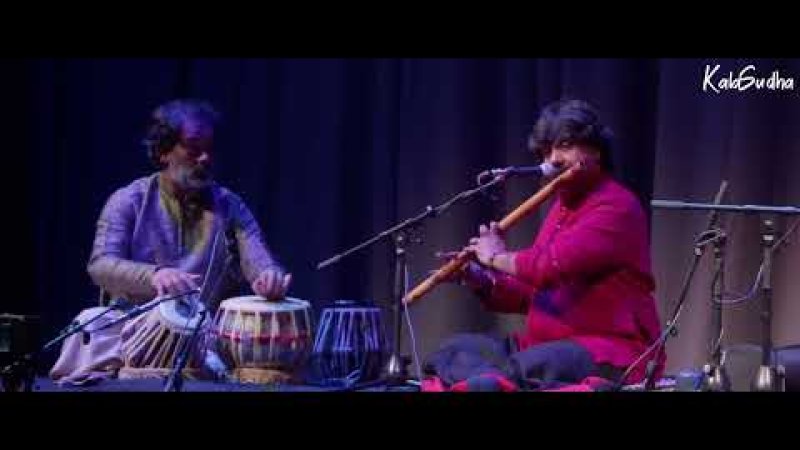
Featured Artists
Renowned Ghatam players and performers
R. N. Prakash

Past Events
Browse our archive of past performances


Frequently Asked Questions
What is a ghatam?
A clay pot, played with the fingers, palms and heels of the hands across its walls and neck. It belongs to the Carnatic tradition of south India rather than the Hindustani north.
The player changes its pitch by moving the open mouth of the pot against the stomach. Put next to a tabla, it brings the percussion of both Indian traditions into one concert.
Have more questions? Contact our support team and we'll be happy to help!
Ready to start learning Ghatam?
Get personalized quotes and explore courses