

Sitar
(सितार)Hand-crafted from seasoned tonewoods and gourds, the Sitar features 18-21 strings and movable frets, engineered to produce a world-renowned, microtonal harmonic richness.
5
6
£250 - £3,000
Student instruments start at £$250. Professional concert-grade models by master makers often cost £3,000+ or more.

Explore the discipline
Meet the musical tradition, its practitioners and ways to learn.
History & Origins
A professional Sitar is a wonder of organic engineering. The foundation of the instrument is the Tumba (resonator), made from a large, dried calabash gourd (Lagenaria siceraria). At KalaSudha, we source our gourds exclusively from the Miraj region of Maharashtra, where the soil and climate produce gourds with the thick, uniform walls necessary for superior acoustic projection.
The Tabli (soundboard) is the most important component for sound quality. It is hand-carved from well-seasoned Toon (Indian Mahogany) aged for at least 15 years. The thickness of the Tabli must be graduated with accuracy; it must be strong enough to support the downward pressure of the bridge, which carries the tension of over 20 strings, while remaining flexible enough to vibrate with the slightest touch. Our luthiers use traditional hand planes to ensure the wood's grain is precisely aligned for maximum resonance.
The defining characteristic of the Sitar is its unique "buzzing" or "twangy" sound. This is not a byproduct of the strings, but a result of the Jawari, the elaborate shaping of the main bridge. The bridge, typically made of camel bone or deer antler, is carved with a slight, particular curvature. As the string vibrates, it grazes this flat surface, producing a rich array of upper harmonics.
A "Deep Jawari" produces a very resonant, buzzing tone favoured by the Vilayat Khan school, while a "Closed Jawari" produces a clearer, more bell-like tone favoured by the Ravi Shankar school. At KalaSudha, we offer custom Jawari services, allowing the professional to "voice" their instrument according to their particular Gharana requirements. This level of technical customisation establishes us as an eminent authority for South Indian music instruments and North Indian specialists alike.
The Sitar uses a complex array of strings that include steel, brass, and bronze. The main playing string is typically made of high-tensile steel to withstand the pulling of notes, up to five semitones on a single fret. The Taraf (sympathetic strings) are tuned to the notes of the Raga and vibrate automatically when the corresponding note is played on the main string.
This sympathetic resonance gives the Sitar its "celestial" aura. From a business perspective, the quality of the strings and the accuracy of the Kuntis (tuning pegs) are of utmost importance. Our instruments feature pegs made of premium Rosewood or Ebony, hand-fitted to the neck using friction-lock techniques that ensure the Sitar stays in tune even under the heat of stage lights.
A professional Sitar is a high-value asset that calls for meticulous maintenance. Because it is made of organic materials, gourd, wood, bone, and silk, it is highly susceptible to humidity. We provide our clients with a comprehensive maintenance guide, emphasising the use of digital hygrometers and specialised cases.
For the UK and international markets, we offer "climate-treated" instruments. These Sitars have been acclimatised to reduced humidity levels to prevent the Tumba from cracking or the Tabli from warping. We also specialise in the Gulu joint, the point where the neck meets the gourd. This is the "Achilles' heel" of the Sitar; our professional models feature reinforced Gulu construction to ensure the instrument survives international travel and varying climates.
Construction & Craftsmanship
Materials Used
Construction Process
The construction of a professional Sitar is a slow, artisanal process that requires the perfect marriage of organic materials and mechanical accuracy. It commences with the selection of the Tumba (resonating chamber), made from a large, dried calabash gourd (Lagenaria siceraria). These gourds are grown in areas such as Miraj, Maharashtra, where the climate allows for the thickness and uniformity required for deep resonance.
The neck (Dandi) and the faceplate (Tabli) are hand-carved out of seasoned tonewoods, most commonly Toon (Indian Mahogany) or, in rarer vintage models, Teak. The wood must be seasoned for years to ensure it does not warp under the high tension of the 20+ metal strings. The joint connecting the neck to the resonator, known as the Gulu, is a critical point of structural strength; it is commonly reinforced and finely carved to serve as the aesthetic centrepiece of the instrument.
A hallmark of high-end craftsmanship is the Jawari, the shaping of the main bridge. This is not a simple cut but a microscopic "slope" carved into a piece of camel bone or deer antler. A master luthier must spend hours listening to the string's vibration as they sand the bridge to achieve the perfect open sound that gives the Sitar its heavenly harmonic profile. Finally, the instrument is finished with French Polish or shellac, which protects the wood while remaining flexible enough to allow the instrument to breathe and resonate freely.
Maintenance & Care
As an instrument made primarily of gourd and thin tonewood, the Sitar is highly sensitive to changes in the environment. Proper humidity control is the most vital aspect of its care. We recommend maintaining a Relative Humidity (RH) of 45-55%. In dry climates, the gourd can become brittle and crack, while too much humidity in monsoon regions can cause the wood to swell, leading to a choked sound or bridge warping.
Cleaning is essential for the longevity of the frets and strings. After every session, players should wipe the strings with a soft, dry cloth to remove oils and perspiration that lead to corrosion. The Pardas (frets) are tied with thread that can loosen over time; checking these ties and occasionally applying a drop of mineral oil to the friction pegs (Kuntis) ensures the instrument stays in tune during performances. Finally, the Jawari bridge will eventually develop grooves from string friction, which can ruin the sound. An annual "setup" by a professional luthier is recommended to re-polish the bridge surface and ensure the sound stays immaculate for a lifetime of play.
Playing Techniques
Mizrab Bol (Plectrum Strokes)
BeginnerMastering the fundamental inward (Da) and outward (Ra) strokes using the wire plectrum to create rhythmic clarity.
Meend (Lateral Pulling)
IntermediateMastering the art of the continuous slide between notes to achieve vocal-like continuity and microtonal precision.
Krintan (Hammer-on/Pull-off)
IntermediateA finger-plucking technique where the left hand produces notes without a plectrum stroke, essential for rapid, ornamented passages.
Gamaka (Oscillation)
AdvanceExecuting traditional microtonal oscillations and ornaments essential to the authentic character of a Raga.
Jhala (Rhythmic Climax)
AdvanceA high-speed technique involving rapid-fire striking of the Chikari (drone) strings in coordination with the main melody to build a rhythmic crescendo.
Zamzama (Grace Notes)
AdvanceExecuting rapid, sharp clusters of notes in quick succession to add intricate texture and "sparkle" to a phrase.
Technical Specifications
Detailed specifications for the Sitar
Physical Dimensions
| Specification | Value |
|---|---|
| Overall Length | 1220mm – 1270mm (Approx. 48 – 50 inches) |
| Tabli (Soundboard) Width | 330mm – 360mm |
| Tumba (Resonator) Diameter | 300mm – 350mm |
| Neck (Dandi) Width | 85mm – 95mm |
| Total Weight | 3.5kg – 5kg (Depending on wood density and second resonator) |
Material Composition
| Specification | Value |
|---|---|
| Main Resonator (Tumba) | Dried Miraj Calabash Gourd (Lagenaria siceraria) |
| Neck and Tabli | Seasoned Toon Wood (Indian Mahogany, aged 15+ years) |
| Bridge Material | Hand-polished Camel Bone or Deer Antler |
| Tuning Pegs (Kuntis) | Hand-turned Rosewood or Ebony |
| Frets (Pardas) | High-tensile Spring Brass or Stainless Steel |
| Inlays | Celluloid or ethically sourced Bone |
| Adhesive | Traditional Hot Hide Glue or natural resin-based binders |
| Surface Finish | Natural French Polish (Shellac-based) |
Bridge and Setup (Jawari)
| Specification | Value |
|---|---|
| Main Bridge (Bada Ghora) | Flat "Jawari" slope for harmonic resonance |
| Sympathetic Bridge (Chota Ghora) | Secondary bone bridge for Taraf resonance |
| Jawari Profile | Open (Deep/Buzzing) or Closed (Clear/Bell-like) based on Gharana |
| Action Height | 10mm – 12mm at the 12th fret (To allow for lateral pulling/Meend) |
| Fret Type | Curved, movable pardas hand-tied with silk or nylon thread |
String and Tuning
| Specification | Value |
|---|---|
| Total String Count | 18 – 21 (Depending on model) |
| Main Playing Strings | 6 – 7 (Steel, Brass, and Bronze) |
| Sympathetic Strings (Taraf) | 11 – 13 (High-tensile Steel) |
| Main Tuning (Kharaj-Pancham) | Ma-Sa-Pa-Sa-Pa-Sa-Sa |
| String Gauges | Main Steel (0.012"), Kharaj (0.028" – 0.032" Bronze) |
Acoustic Characteristics
| Specification | Value |
|---|---|
| Primary Timbre | Complex harmonic richness with a characteristic "buzz" |
| Sustain Duration | 8 – 12 seconds on the main playing string |
| Microtonal Capability | Up to 5 semitones of lateral pull (Meend) on a single fret |
| Sympathetic Feedback | High (Self-resonating harmonics from Taraf strings) |
Your Journey to Sitar Mastery
Follow this structured path from absolute beginner to accomplished performer
Foundation & Posture
Establish the physical groundwork and fundamental stability required for Hindustani performance.
Scale Practice (Sargam)
Develop accuracy in note production and finger positioning on the frets.
Meend & Raga Fundamentals
Study the art of lateral string pulling and the foundational structures of Ragas.
Gat & Compositions
Apply technical skills to fixed melodic forms within rhythmic cycles (Taal).
Advanced Techniques & Jhala
Transition into professional-level improvisation and high-speed rhythmic climaxes.
Media Gallery
Watch performances, see details, and explore the Sitar in action
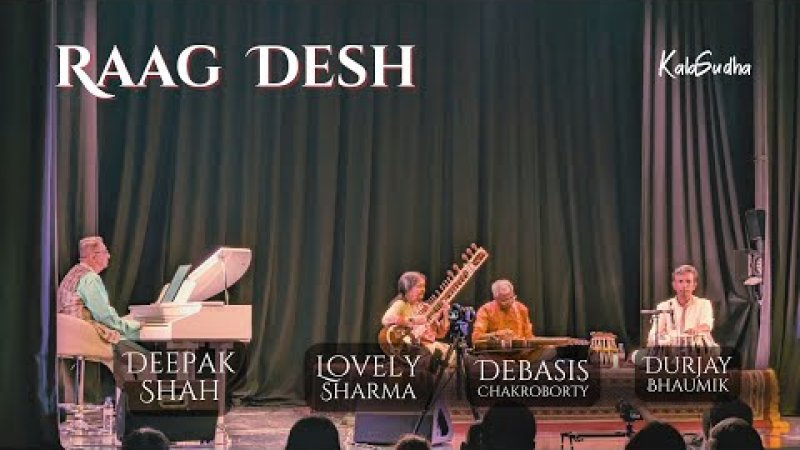
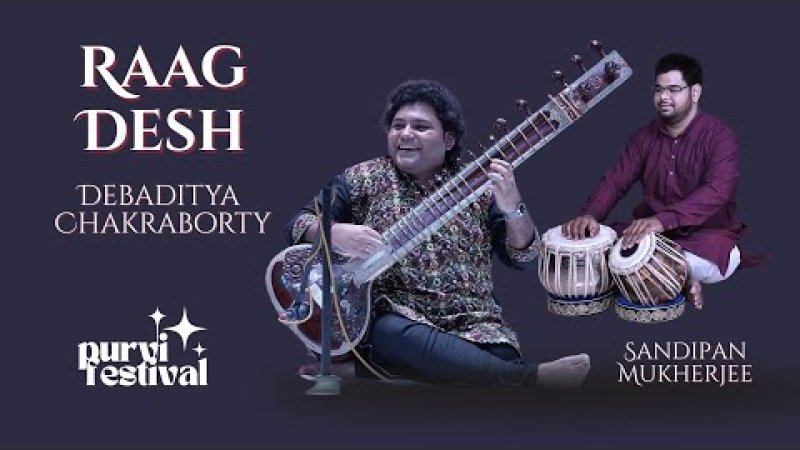
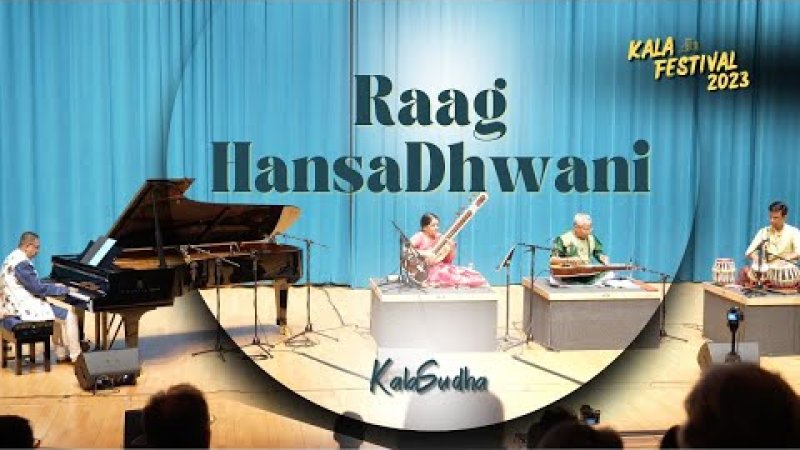


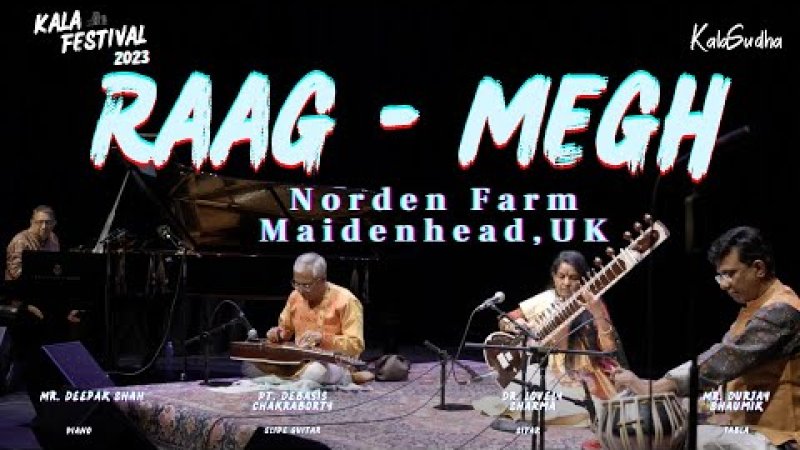
Featured Artists
Renowned Sitar players and performers
Dr Lovely Sharma

Shakir Khan

Adnan Khan

Jonathan Mayer

Tommy Khosla

Upcoming Events
Experience live Sitar performances

A Hundred Strings in Oxford: Two Strings, One Pulse
A Hundred Strings in Bournemouth: Ragas by the Sea
A Hundred Strings in London: Plucked and Struck
Past Events
Browse our archive of past performances

Music Without Boundaries


An Instrumental Journey Through the Nature


Sitar Workshop in London with Maestro Shakir Khan
Sitar Workshop in London with Maestro Shakir Khan

London Ragas: Shakir Khan & Shahbaz Hussain

Related Instruments
Explore similar instruments you might be interested in

Frequently Asked Questions
What is a sitar?
A long-necked lute with a gourd body, movable curved frets, and a set of sympathetic strings running beneath the playing strings.
The curved frets let a player pull a string sideways and bend one note into another several steps away. That bend, the meend, is where most of the expression lives, and the sympathetic strings keep ringing behind it.
Have more questions? Contact our support team and we'll be happy to help!
Ready to start learning Sitar?
Get personalized quotes and explore courses