

Kala Festival 2026 : Rythmes de ragas et de pas
- #Londres
- #En présentiel
- SEP 23, 2026
- Mercredi
- 7:00 PM
- 2 heures
- The Bhavan
- Londres, Royaume-Uni
Obtenez vos billets

Résumé de l'événement
Artistes sur scène
-
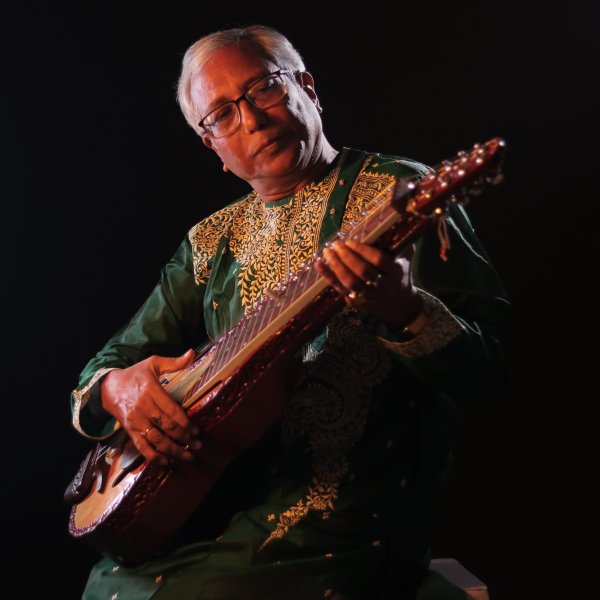 Debasis Chakroborty
-
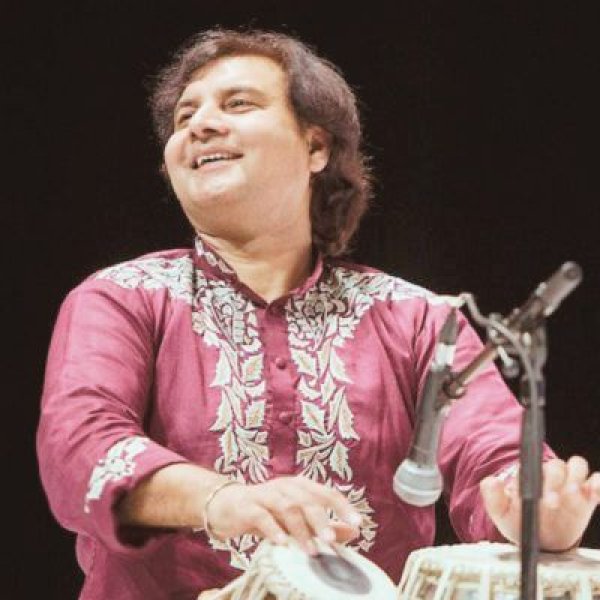 Akram Khan
-
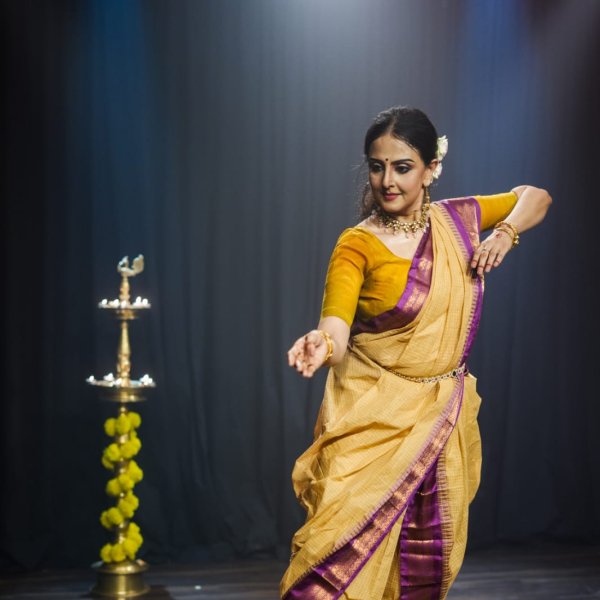 Alokparna Guha


Détails de l'événement
Le Kala Festival 2026 s'installe au Bhavan, sur Castletown Road, à Londres, le mercredi 23 septembre 2026, avec de la musique instrumentale hindoustanie puis du kathak, une danse classique du nord de l'Inde. En première partie, Pandit Debasis Chakroborty joue de la guitare slide indienne avec le joueur de tabla Ustad Akram Khan. Après l'entracte, Alokparna Guha danse le kathak. Les portes ouvrent à 18 h 45 et le concert a lieu de 19 h à 21 h.
Pandit Debasis Chakroborty appartient à la lignée Senia-Maihar de Brij Bhushan Kabra et enseigne la musique comme professeur associé à l'université Mangalayatan. Il s'est produit au Bhavan en 2023 et en 2025, et il y a animé un atelier de guitare slide.
Ustad Akram Khan représente la septième génération de sa famille à jouer du tabla dans le gharana Ajrara. Il a appris auprès de son arrière-grand-père Mohammad Shafi Khan, puis de Niazu Khan. Il enseigne plus de 15 kaydas classiques du gharana, ces compositions de tabla fondées sur un thème et ses variations.
Alokparna Guha s'est formée auprès de Malabika Mitra et pratique le kathak dans les styles de Jaipur et de Lucknow. Sa prestation est le premier kathak que KalaSudha ait présenté au Bhavan.
Ce concert est le troisième de KalaSudha au Bhavan dans le cadre du Kala Festival, après « Concert for Harmony & Peace » en 2023 et « Echoes of Tradition » en 2025. Réservez vos places sur cette page.
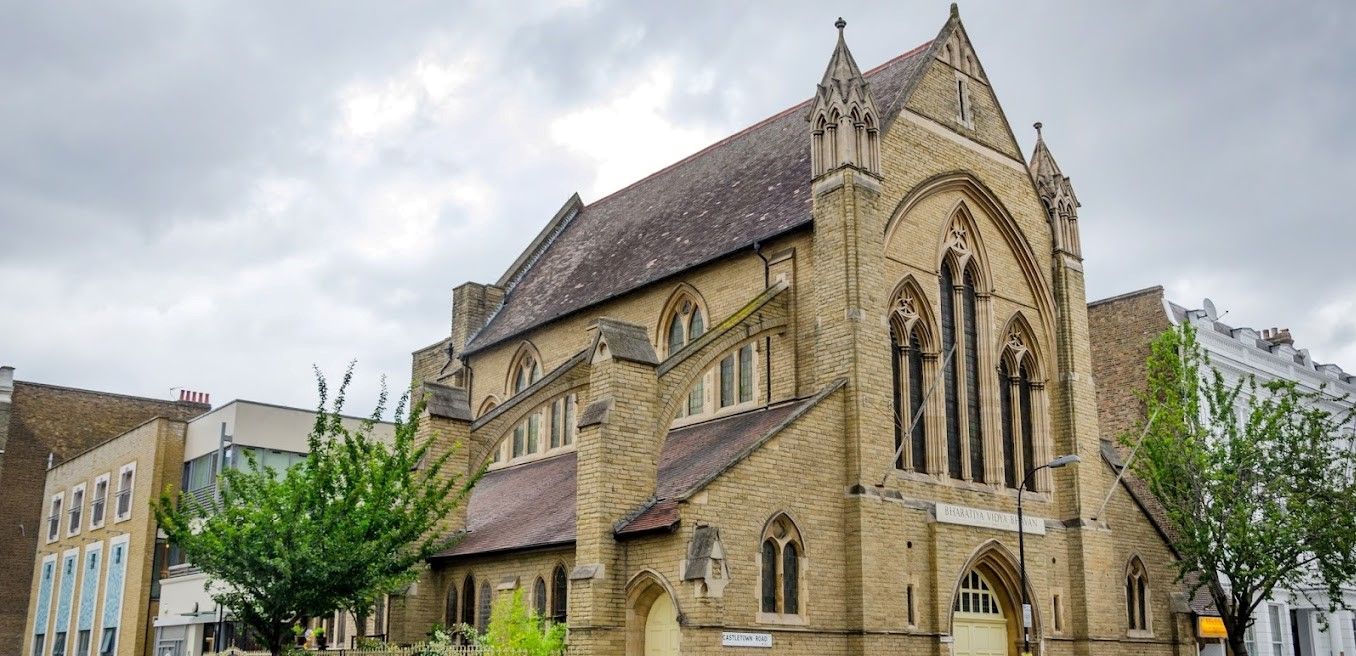
Venue information
Questions fréquentes
How do I get to The Bhavan?
The nearest tube to The Bhavan in West Kensington, London, is West Kensington on the District line, three minutes' walk away. Barons Court, on the District and Piccadilly lines, is seven minutes' walk. Buses 28 and 306 stop on North End Road, three minutes away.
Enter on Challoner Street. The postal address is 4a Castletown Road, London W14 9HE.
Driving? See where to park at The Bhavan. For lifts and wheelchair spaces, see whether The Bhavan is accessible.
Is The Bhavan accessible?
Yes. The building is fully wheelchair accessible with lifts to all floors, and an induction loop serves the main auditorium.
The auditorium holds two wheelchair spaces, both in the Front zone. Write to [email protected] to book one.
Where can I hear live Indian classical music in London, and which venues does KalaSudha use?
You can hear Hindustani (North Indian) classical music live in London at London Ragas, KalaSudha's concert series in London. Its evenings are baithaks: the audience sits close to the musicians. London Ragas can take place at different venues across London, and KalaSudha plans to add more baithaks in other parts of London. KalaSudha is based in London, so every concert tour it organises also plays London once.
See how to book tickets for a London concert and how to get to the venues.
Who is the Indian slide guitarist Pandit Debasis Chakroborty, the senior-most disciple of Pandit Brij Bhushan Kabra?
Pandit Debasis Chakroborty is a Hindustani slide guitarist and the senior-most disciple of Pandit Brij Bhushan Kabra, and his playing reflects Kabra's style. His name is also written Debasis Chakraborty. He plays in the Senia-Maihar gharana and has taught since 1992.
He has been part of the Department of Performing Arts at Mangalayatan University since its inception, and returns to universities in Australia and the USA as a conductor-performer and artist-in-residence. He helped carry out a joint music research project between Mangalayatan University and Monash University, and has published 10 research papers.
Who is the tabla player Ustad Akram Khan, and what is his lineage?
Ustad Akram Khan is a tabla player and the seventh generation of his family in the Ajrara gharana. His father was Hashmat Ali Khan. As a boy he trained first with his great-grandfather, Mohammad Shafi Khan, and later with Niazu Khan. For over four decades he has kept the gharana's repertoire alive, and he preserves more than 15 of its classic qaidas through his teaching and concerts. He made his international debut in Norway in 1987 and has played on All India Radio more than 800 times.
What is an Indian slide guitar, how is it played, and where can I learn it?
The Indian slide guitar is a guitar laid flat across the lap and stopped with a steel bar instead of fingers on frets. It is an instrument of Hindustani classical music, the classical music of North India. Sympathetic strings ring underneath the melody unstruck, and the player plucks extra drone (chikari) strings.
The bar never leaves the string, so one note travels into the next without a break. For its history and players, see the Indian slide guitar page. You can learn it with KalaSudha in the online academy.
What is Kathak?
Kathak is a classical dance from north India, one of the eight forms the Sangeet Natak Akademi recognises as classical. A Kathak dancer works with two tools: chakkars, fast spins often taken on the heel, and abhinaya, the storytelling carried in the face and hands.
Ankle bells (ghungroo) mark the footwork, so the Kathak dancer plays as a percussionist too, trading rhythmic patterns with the tabla in the same rhythmic cycle.
Have more questions? Contact our support team and we'll be happy to help!