

ケンブリッジ・ラーガス:シタール、スライド・ギター、タブラの共鳴
- #ケンブリッジ
- #対面
- 9月 20, 2026
- 日曜日
- 6:30 午後
- 2時間, 30 分
- Cambridge Junction
- ケンブリッジ, イギリス
チケットを入手

イベント概要
イベントハイライト
パンディット・デバシス・チャクロボルティ、ケンブリッジに3年連続登場
7代にわたるタブラの伝統
2人のタブラの名手、ひとつの夜
ケンブリッジの舞台に立つブリジ・ビーナ
シタールが夜を開く
ケンブリッジ・ジャンクション、3年目のインド古典音楽
出演アーティスト
-
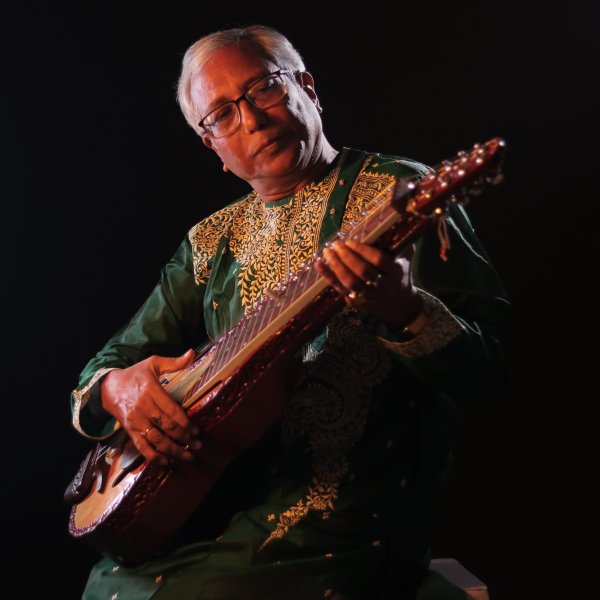 デバシス・チャクロボルティ
-
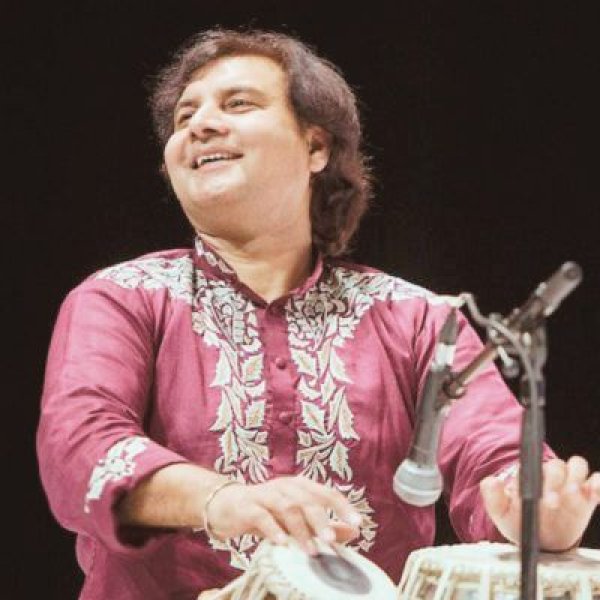 アクラム・カーン
-
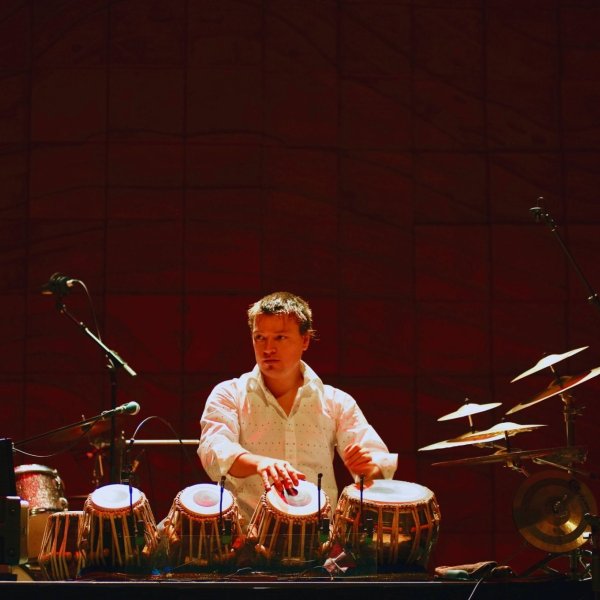 サム・エヴァンス


イベント詳細
ケンブリッジ・ジャンクションで、忘れられない夜をお楽しみください。インド古典音楽と現代的イノベーションが調和し、妹光る展演をお届けします。
著名音楽家のパンディット・デバシシュ・チャクラバルティ(シタール)、サミュエル・エヴァンス博士(ブリジ・ヴィーナ—スライド・ギター)、ウスタード・アクラム・カーン(タブラ)が、通常は得難い共演をお届けします。このアーティストたちは、共同のガラーナからの修行を通じて、ラーガの表現、解釈、探究に焦点を当てた体験をお届けします。
この音楽の夜にはアーラープが含まれます — ラーガの黙想とシャブド、音と空間の探究、遷天布軽快なリズム山ウソのスピリチュアルな探究。このコンサートは、古代のラーガの形式が現代の楽器を之りても生き続けていることを証明します。
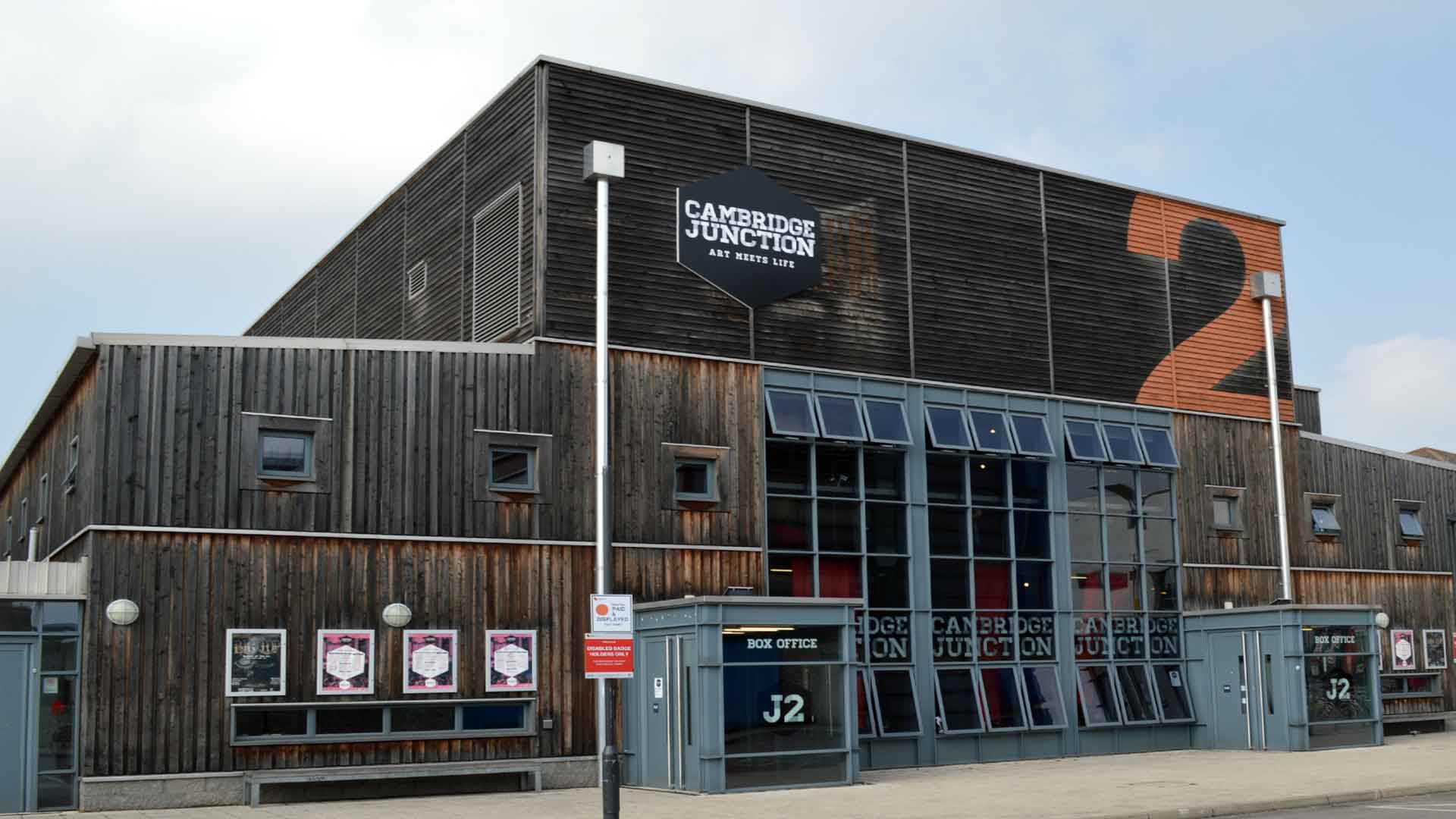
会場: ケンブリッジ・ジャンクション、クリフトン・ウェイ、ケンブリッジ
開場:17:00 | 開演:17:30 | 終演:20:00
ご注意ください:
- 会場内での音声および映像の録音・録画はお断りしております。無断での撃右または写真撃影は固くお断りします。
- 公演中は携帯電話の使用をお控えください。
Venue information
よくあるご質問
Where is Cambridge Junction?
Cambridge Junction is a venue on Clifton Way, Cambridge CB1 7GX. The venue says it is less than 10 minutes' walk from Cambridge Railway Station.
The venue publishes its own travel and access detail on its Maps and Directions page at junction.co.uk/your-visit/maps-and-directions.
For KalaSudha concerts in the city, see Indian classical music in Cambridge.
Where can I hear live Indian classical music in Cambridge, England, which venues has KalaSudha used for its Cambridge concerts, and where are new Cambridge dates listed?
KalaSudha presents live Indian classical music in Cambridge, England, and lists each concert on its Cambridge page with a link to book. To hear when the next Cambridge date is set, read how to hear about new Cambridge concerts.
KalaSudha has presented concerts at West Road Concert Hall, Lee Seng Tee Hall at Wolfson College and Cambridge Junction. For the artists, see which artists have played Cambridge.
Who is the Indian slide guitarist Pandit Debasis Chakroborty, the senior-most disciple of Pandit Brij Bhushan Kabra?
Pandit Debasis Chakroborty is a Hindustani slide guitarist and the senior-most disciple of Pandit Brij Bhushan Kabra, and his playing reflects Kabra's style. His name is also written Debasis Chakraborty. He plays in the Senia-Maihar gharana and has taught since 1992.
He has been part of the Department of Performing Arts at Mangalayatan University since its inception, and returns to universities in Australia and the USA as a conductor-performer and artist-in-residence. He helped carry out a joint music research project between Mangalayatan University and Monash University, and has published 10 research papers.
Who is the tabla player Ustad Akram Khan, and what is his lineage?
Ustad Akram Khan is a tabla player and the seventh generation of his family in the Ajrara gharana. His father was Hashmat Ali Khan. As a boy he trained first with his great-grandfather, Mohammad Shafi Khan, and later with Niazu Khan. For over four decades he has kept the gharana's repertoire alive, and he preserves more than 15 of its classic qaidas through his teaching and concerts. He made his international debut in Norway in 1987 and has played on All India Radio more than 800 times.
What is an Indian slide guitar, how is it played, and where can I learn it?
The Indian slide guitar is a guitar laid flat across the lap and stopped with a steel bar instead of fingers on frets. It is an instrument of Hindustani classical music, the classical music of North India. Sympathetic strings ring underneath the melody unstruck, and the player plucks extra drone (chikari) strings.
The bar never leaves the string, so one note travels into the next without a break. For its history and players, see the Indian slide guitar page. You can learn it with KalaSudha in the online academy.
What is the Ajrara (Ajrada) gharana of tabla, where did it begin, and what is it known for?
The Ajrara gharana, also spelt Ajrada, is a school of tabla that arose in the late 18th or early 19th century in the village of Ajrara, in Meerut district. Most accounts trace it to two brothers, Kallu Khan and Miru Khan, who learnt in Delhi, making it an offshoot of the Delhi gharana. Its players add the ring finger to the Delhi technique. It is best known for qaidas, themes with set variations, in aad laya, three strokes to every two beats. Ustad Akram Khan plays in the gharana today.
Have more questions? Contact our support team and we'll be happy to help!