

ノリッジ・ラーガ:ウスタード・アクラム・カーンのタブラ独奏
- #ノリッジ
- #対面
- 9月 19, 2026
- 土曜日
- 12:00 午後
- 1時間, 30 分
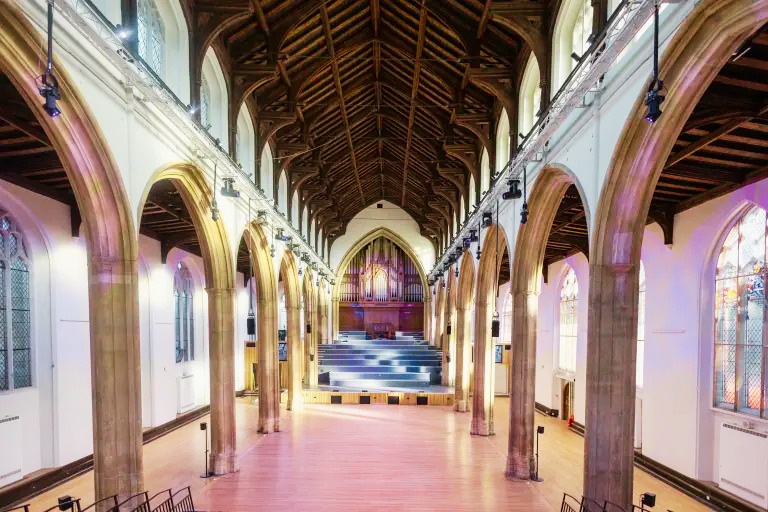
- St Andrew's Hall, Norwich
- ノリッジ, イギリス
チケットを入手

イベント概要
出演アーティスト
-
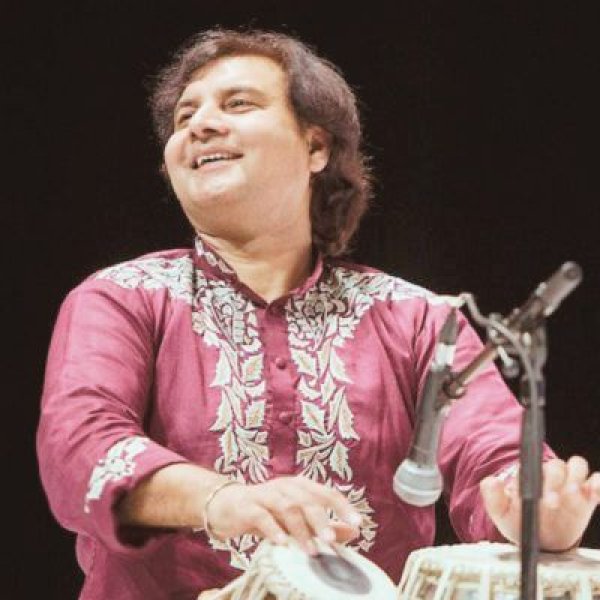 アクラム・カーン
-
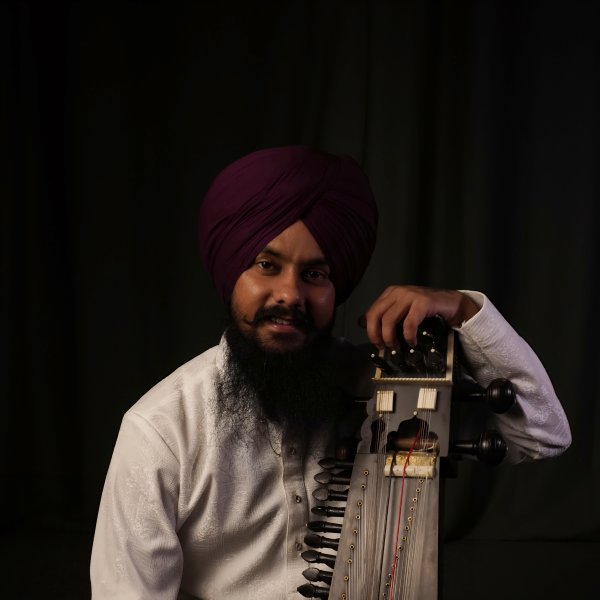 サトウィンダール・パール・シン


イベント詳細
ノリッジの音楽愛好家の皆様、2026年のカーラ・フェスティバルの一環として、ノリッジ・アーツ・センターにてウスタード・アクラム・カーンのタブラ独奏をお届けできることを嘉びに思います。昨年の温かいご好評を受け、インドの傳統音楽とその魅力をこの午後のコンサートでご紹介するため、再びこの地を診れます。
ウスタード・アクラム・カーンはアジュララ・ガラーナの七代目の継承者であり、世界有数のタブラ奏者です。ンむったりとしたリズムの静かな音なかることから、力強い速いビートの流れまで、タブラ独奏の幅広い音楽世界を投議します。さまざまな時代の伝統的な楽曲と自身の即興演奏を交えてお届けします。幼少期よりサーランギーを学んできた新進気鋭の奏者、サートウィンダー・パル・スィンが伴奏を担当します。
この午後のひとときは、音楽の域を超えます。立ち止まり、考え、音(シャブド)の癌しの力を体感する時間です。インドの古典音楽の伝統は、何世紀にもわたり音楽を瞥想の一形態として、また内なる調和とつながりを取り戻す道として理解してきました。親密なコンサートに集い、古の音に耳を傍けると、別の世界が開かれます。こうした時を超えた実践は、音楽と心の健康、マインドフルネス、情緒的な幸福感の深いつながりを思い起こさせます。この午後が、音楽の普遡的な言語を通じて活力を得て、つながり、新たに生まれ変わる機会となることを願っています。
ノリッジまたは近郊にお住まいの方は、ぜひお越しください。特別な配慮が必要な方は、お気軽にご連絡ください。
開場は午前11時45分、演奏は12時00分に始まります
会場ご案内
- 無断での撮影および写真撮影はお断りしています。
- 公演中の携帯電話のご使用(SMS含む)はお控えください。ご協力に感謝申し上げます。
Venue information
よくあるご質問
How do I get to St Andrew's Hall, Norwich?
St Andrew's Hall is on St Andrew's Plain, Norwich NR3 1AU, in the city centre, 950 metres from Norwich railway station, a walk of about 12 minutes. The bus station is also 950 metres away. The hall is part of The Halls, the name the venue uses for the complex.
From the railway station you can also take a bus to Castle Meadow, or a taxi from the rank outside the station.
Driving? See parking near the hall.
Where can I go to hear live Indian classical music in Norwich, which venues have hosted KalaSudha's concerts, and where do I find the next Norwich date?
KalaSudha presents Indian classical music in Norwich and lists each concert on its Norwich page, with a link to book. For the next Norwich date, read how to hear about new Norwich concerts.
KalaSudha has presented concerts at St Andrew's Hall on St Andrew's Plain and at The Assembly House, a Grade I listed building on Theatre Street.
Who is the tabla player Ustad Akram Khan, and what is his lineage?
Ustad Akram Khan is a tabla player and the seventh generation of his family in the Ajrara gharana. His father was Hashmat Ali Khan. As a boy he trained first with his great-grandfather, Mohammad Shafi Khan, and later with Niazu Khan. For over four decades he has kept the gharana's repertoire alive, and he preserves more than 15 of its classic qaidas through his teaching and concerts. He made his international debut in Norway in 1987 and has played on All India Radio more than 800 times.
Who is the sarangi player Satwinder Pal Singh, and who taught him?
Satwinder Pal Singh is a London-based sarangi player from Moga, Punjab. He took up the sarangi at 11 under his father, Shaminder Pal Singh, a Top Grade artist of All India Radio, and in 2012 studied in Delhi with his father's teacher, Sabri Khan. He has also trained under Ram Narayan and Harsh Narayan. He plays the saranda, israj, dilruba and taus too, instruments his family has carried through generations of Sikh music. He and his father both hold Top Grade status for sarangi from All India Radio.
What is a tabla?
A tabla is a pair of hand drums. The smaller drum, the dayan, is wooden, sits under the right hand and carries the pitch. The larger drum, the bayan, sits under the left hand and gives the bass. The bayan is most often copper, sometimes clay or wood, and the player bends its bass by pressing the heel of the palm into the head while striking.
Each head carries a black circle of tuning paste. The paste weights the skin and adds overtones. The dayan rings at a clear pitch, and the bayan gives a deep bass with a looser pitch that the palm can shift.
What is the Ajrara (Ajrada) gharana of tabla, where did it begin, and what is it known for?
The Ajrara gharana, also spelt Ajrada, is a school of tabla that arose in the late 18th or early 19th century in the village of Ajrara, in Meerut district. Most accounts trace it to two brothers, Kallu Khan and Miru Khan, who learnt in Delhi, making it an offshoot of the Delhi gharana. Its players add the ring finger to the Delhi technique. It is best known for qaidas, themes with set variations, in aad laya, three strokes to every two beats. Ustad Akram Khan plays in the gharana today.
Have more questions? Contact our support team and we'll be happy to help!