

Cambridge Ragas: Resonance of Sitar, Slide Guitar, and Tabla
- #Cambridge
- #Op locatie
- SEP 20, 2026
- zondag
- 6:30 PM
- 2 uur, 30 minuten
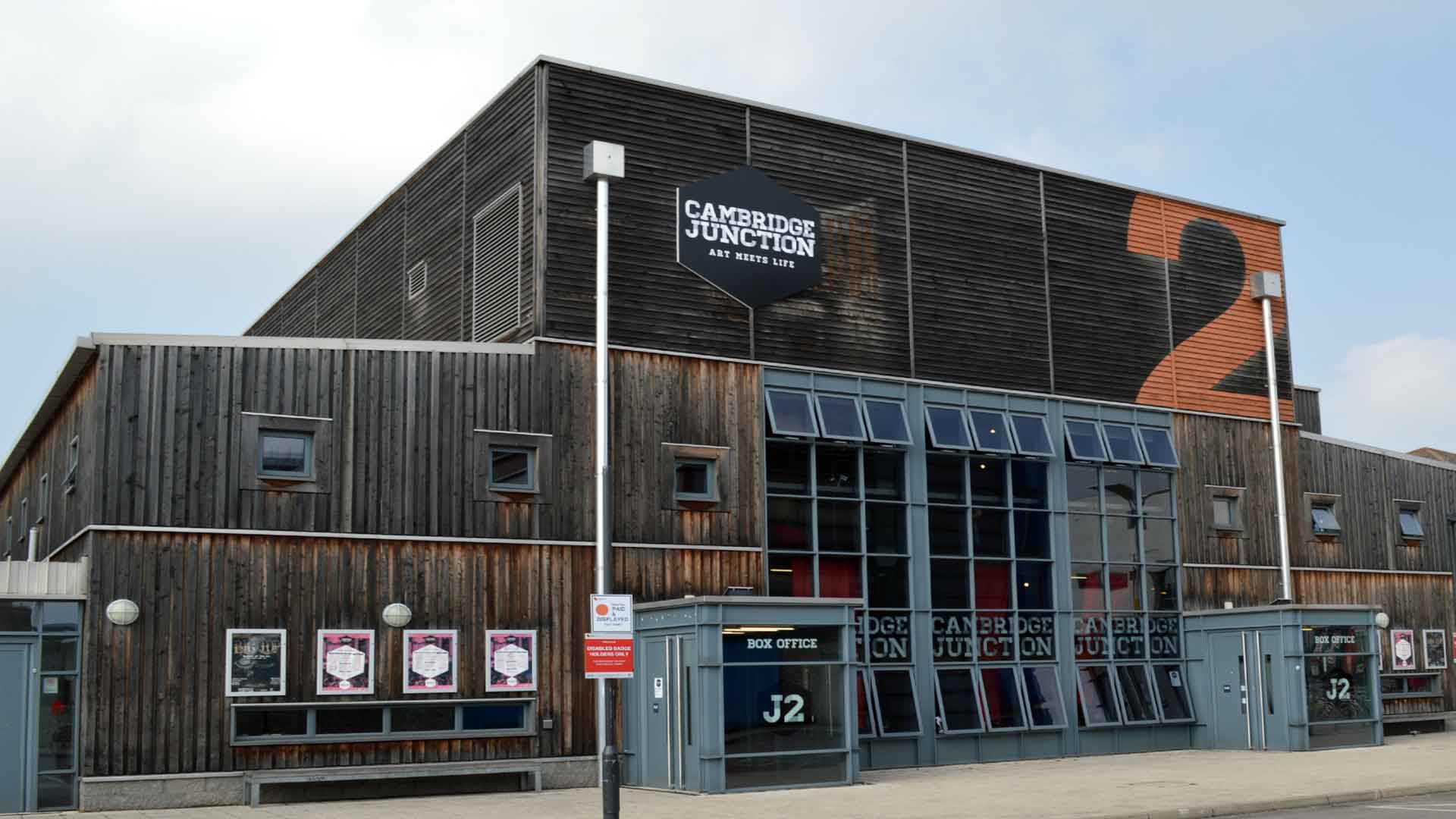
- Cambridge Junction
- Cambridge, Verenigd Koninkrijk
Koop uw tickets

Samenvatting evenement
Hoogtepunten van het evenement
Pandit Debasis Chakroborty keert voor het derde jaar terug naar Cambridge
Zeven generaties tablatraditie
Twee tablameesters, één avond
De Brij Veena op het podium van Cambridge
De sitar opent de avond
Cambridge Junction ontvangt Indiase klassieke muziek voor het derde jaar
Optredende artiesten
-
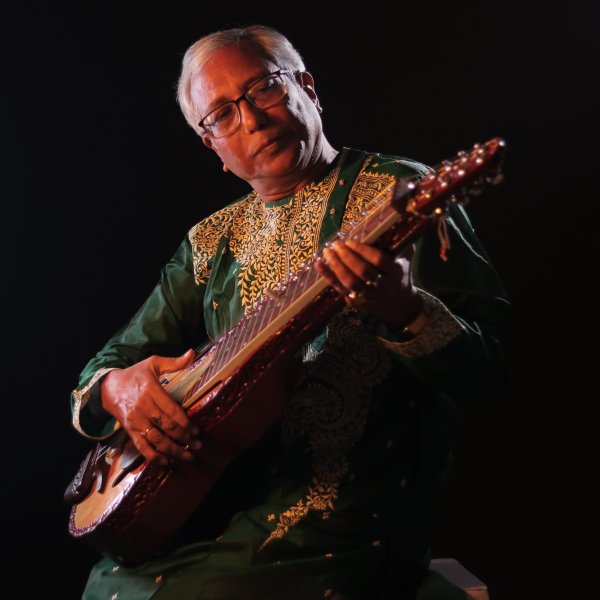 Debasis Chakroborty
-
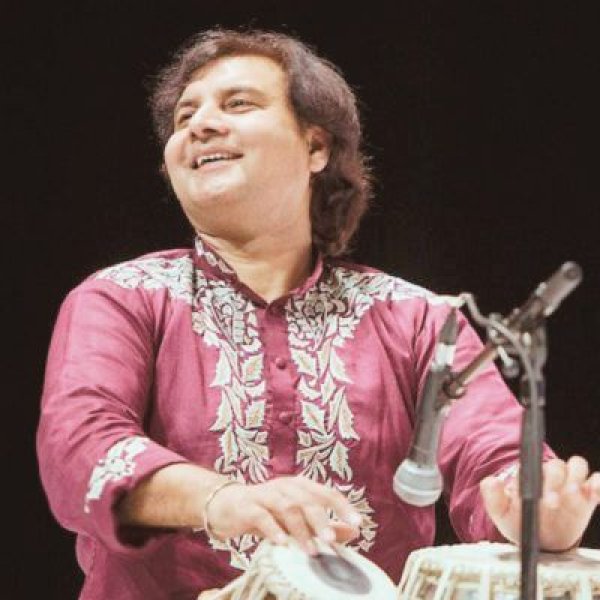 Akram Khan
-
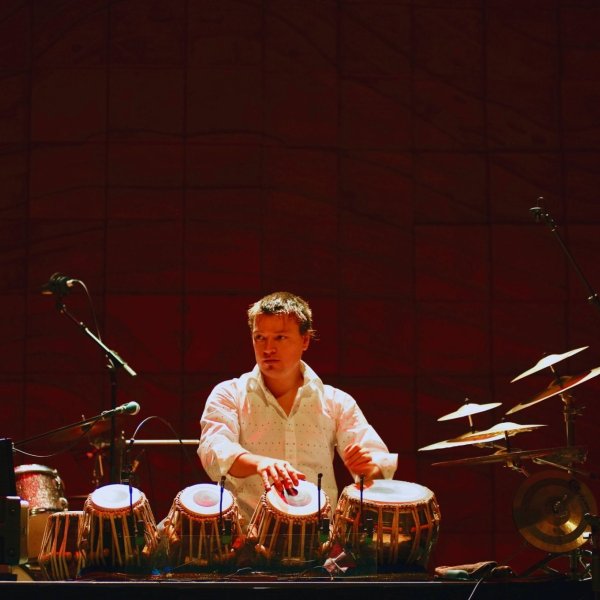 Sam Evans


Evenementdetails
Beste muziekliefhebbers uit Cambridge, sluit u aan bij ons op 20 september in Cambridge Junction, Clifton Way. Deze bijzondere avond is onderdeel van het Kala Festival 2026, georganiseerd door Kalasudha, en brengt artiesten van twee generaties samen. Geniet van de diepte, de emotie en de complexe ritmes van Noord-Indiase ragas, geweven door klanken van sitar, slide guitar en tabla.
De avond begint met een sitar-recital van de internationaal gerenommeerde Ustad Mehboob Nadeem. Bekend om zijn buitengewone sitartechniek en hartverwarmende optredens, zal hij oude ragas tot leven brengen door ingewikkelde melodische patronen te weven. Hij wordt begeleid op de tabla door Dr Samuel Evans, afkomstig uit Australië. De ritmische finesse van Dr. Evans zal een unieke dialoog creëren tussen sitar en tabla.
Na een korte pauze presenteert het tweede deel een andere dimensie van de Indiase klassieke muziek. Pt. Debasis Chakraborty betreedt het podium met de Indian Slide Guitar en de Brij Veena. Dit is zijn derde aaneengesloten bezoek aan Cambridge. Hij wordt vergezeld door de meester van de Ajrada Gharana, Ustad Akram Khan op de tabla, wiens ritme en energie de avond een onvergetelijk slot geven.
Deze avond is meer dan muziek — het is een uitnodiging om stil te staan, te reflecteren en de resonantie van geluid (Shabd) te ervaren. Eeuwenlang beschouwen Indiase klassieke tradities muziek als een weg naar meditatie en evenwicht. Het diepe verband tussen muziek, geestelijke gezondheid en mindfulness herinnert ons aan het wezenlijke in de wereld van vandaag. Vanavond is een gelegenheid voor vernieuwing, verheffing en wedergeboorte via de universele taal van de muziek.
Bent u in of rond Cambridge, kom dan zeker langs. Neem contact met ons op voor specifieke behoeften.
Deuren open om 18:00 uur, muziek begint om 18:30 uur
Publieksbeleid:
- Niet-geautoriseerde filmopnames of fotografie zijn verboden.
- Het gebruik van mobiele telefoons (inclusief sms) tijdens de voorstelling is verboden. Bedankt voor uw medewerking!
Venue information
Veelgestelde vragen
Where is Cambridge Junction?
Cambridge Junction is a venue on Clifton Way, Cambridge CB1 7GX. The venue says it is less than 10 minutes' walk from Cambridge Railway Station.
The venue publishes its own travel and access detail on its Maps and Directions page at junction.co.uk/your-visit/maps-and-directions.
For KalaSudha concerts in the city, see Indian classical music in Cambridge.
Where can I hear live Indian classical music in Cambridge, England, which venues has KalaSudha used for its Cambridge concerts, and where are new Cambridge dates listed?
KalaSudha presents live Indian classical music in Cambridge, England, and lists each concert on its Cambridge page with a link to book. To hear when the next Cambridge date is set, read how to hear about new Cambridge concerts.
KalaSudha has presented concerts at West Road Concert Hall, Lee Seng Tee Hall at Wolfson College and Cambridge Junction. For the artists, see which artists have played Cambridge.
Who is the Indian slide guitarist Pandit Debasis Chakroborty, the senior-most disciple of Pandit Brij Bhushan Kabra?
Pandit Debasis Chakroborty is a Hindustani slide guitarist and the senior-most disciple of Pandit Brij Bhushan Kabra, and his playing reflects Kabra's style. His name is also written Debasis Chakraborty. He plays in the Senia-Maihar gharana and has taught since 1992.
He has been part of the Department of Performing Arts at Mangalayatan University since its inception, and returns to universities in Australia and the USA as a conductor-performer and artist-in-residence. He helped carry out a joint music research project between Mangalayatan University and Monash University, and has published 10 research papers.
He learned first from his father, then from Barun Kumar Pal and Jotin Bhattacharya, and in the mid-1990s studied with Kabra in Jodhpur. He is Associate Professor of Music at Mangalayatan University in Aligarh and advises government and non-government organisations as an expert.
Who is the tabla player Ustad Akram Khan, and what is his lineage?
Ustad Akram Khan is a tabla player and the seventh generation of his family in the Ajrara gharana. His father was Hashmat Ali Khan. As a boy he trained first with his great-grandfather, Mohammad Shafi Khan, and later with Niazu Khan. For over four decades he has kept the gharana's repertoire alive, and he preserves more than 15 of its classic qaidas through his teaching and concerts. He made his international debut in Norway in 1987 and has played on All India Radio more than 800 times.
He also learned from his father, Hashmat Ali Khan, and he has accompanied Ustad Vilayat Khan.
What is an Indian slide guitar, how is it played, and where can I learn it?
The Indian slide guitar is a guitar laid flat across the lap and stopped with a steel bar instead of fingers on frets. It is an instrument of Hindustani classical music, the classical music of North India. Sympathetic strings ring underneath the melody unstruck, and the player plucks extra drone (chikari) strings.
The bar never leaves the string, so one note travels into the next without a break. For its history and players, see the Indian slide guitar page. You can learn it with KalaSudha in the online academy.
What is the Ajrara (Ajrada) gharana of tabla, where did it begin, and what is it known for?
The Ajrara gharana, also spelt Ajrada, is a school of tabla that arose in the late 18th or early 19th century in the village of Ajrara, in Meerut district. Most accounts trace it to two brothers, Kallu Khan and Miru Khan, who learnt in Delhi, making it an offshoot of the Delhi gharana. Its players add the ring finger to the Delhi technique. It is best known for qaidas, themes with set variations, in aad laya, three strokes to every two beats. Ustad Akram Khan plays in the gharana today.
Have more questions? Contact our support team and we'll be happy to help!