

Kala Festival 2026: Ritmes van raga's en van voeten
- #Londen
- #Op locatie
- SEP 23, 2026
- woensdag
- 7:00 PM
- 2 uur
- The Bhavan
- Londen, Verenigd Koninkrijk
Koop uw tickets

Samenvatting evenement
Optredende artiesten
-
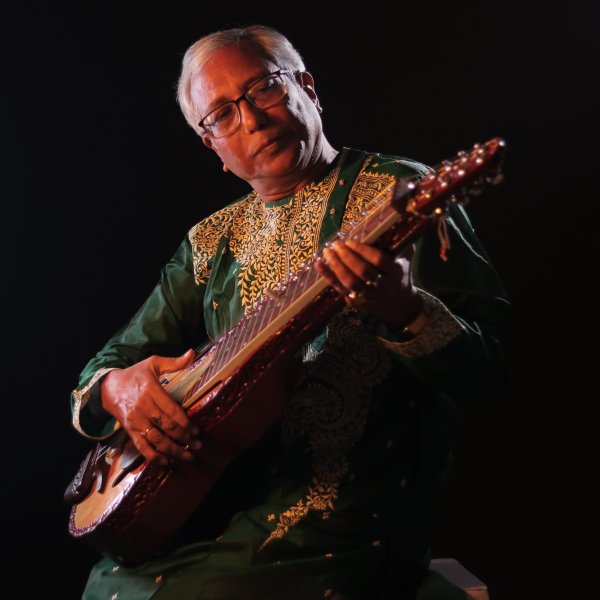 Debasis Chakroborty
-
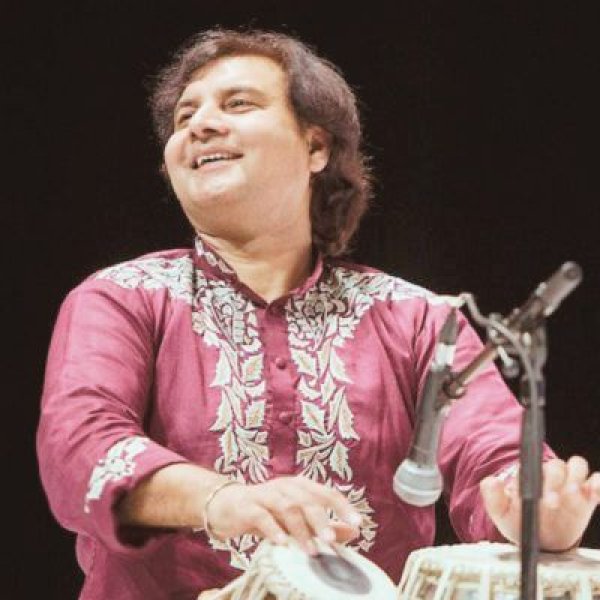 Akram Khan
-
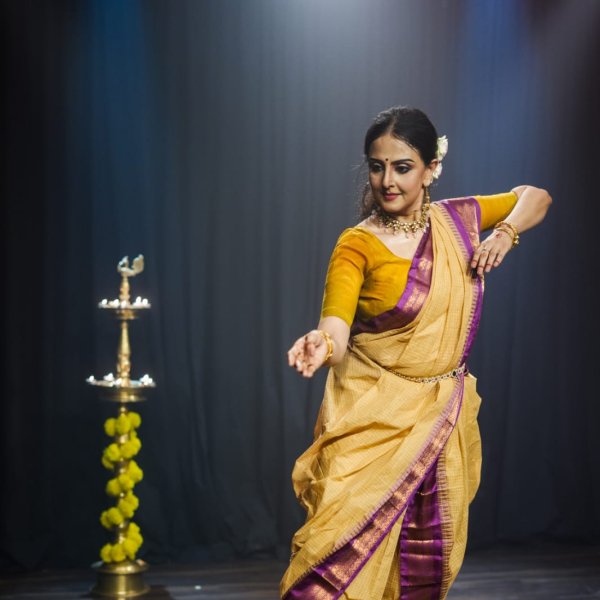 Alokparna Guha


Evenementdetails
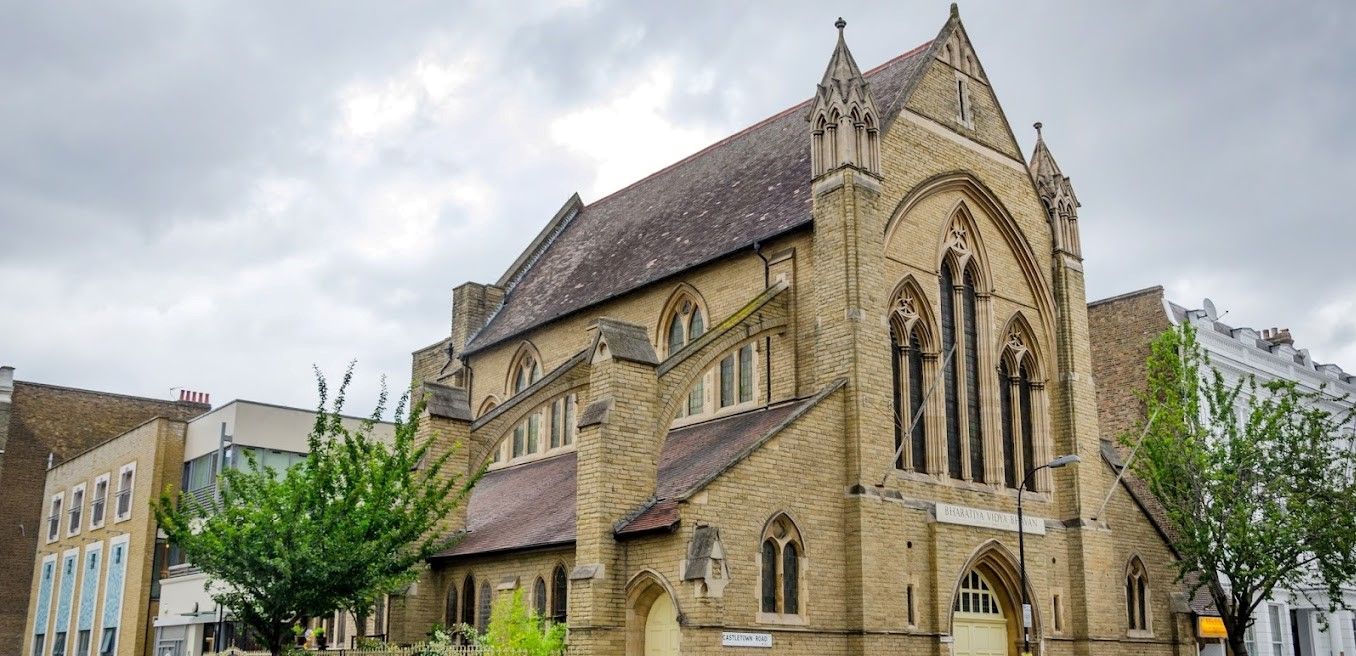
Het Kala Festival 2026 komt op woensdag 23 september 2026 naar The Bhavan aan Castletown Road in Londen, met Hindoestaanse instrumentale muziek en daarna kathak, een klassieke dansvorm uit Noord-India. In de eerste helft speelt Pandit Debasis Chakroborty Indiase slidegitaar met de tablaspeler Ustad Akram Khan. Na de pauze danst Alokparna Guha kathak. De deuren gaan om 18.45 uur open en het concert duurt van 19.00 tot 21.00 uur.
Pandit Debasis Chakroborty behoort tot de Senia-Maihar-lijn van Brij Bhushan Kabra en doceert als universitair hoofddocent muziek aan de Mangalayatan University. Hij speelde in 2023 en 2025 in The Bhavan en gaf er ook een workshop slidegitaar.
Ustad Akram Khan vertegenwoordigt de zevende generatie tablaspelers uit zijn familie binnen de Ajrara-gharana. Hij leerde van zijn overgrootvader Mohammad Shafi Khan, daarna van Niazu Khan. Hij onderwijst meer dan 15 klassieke kayda's van de gharana: composities voor tabla die een thema met variaties uitwerken.
Alokparna Guha kreeg haar opleiding bij Malabika Mitra en werkt in zowel de Jaipur- als de Lucknow-stijl van de kathak. Haar optreden is de eerste kathak die KalaSudha naar The Bhavan heeft gebracht.
Dit is het derde Kala Festival-concert van KalaSudha in The Bhavan, na ‘Concert for Harmony & Peace’ in 2023 en ‘Echoes of Tradition’ in 2025. Reserveer je plaatsen op deze pagina.
Venue information
Veelgestelde vragen
How do I get to The Bhavan?
The nearest tube to The Bhavan in West Kensington, London, is West Kensington on the District line, three minutes' walk away. Barons Court, on the District and Piccadilly lines, is seven minutes' walk. Buses 28 and 306 stop on North End Road, three minutes away.
Enter on Challoner Street. The postal address is 4a Castletown Road, London W14 9HE.
Driving? See where to park at The Bhavan. For lifts and wheelchair spaces, see whether The Bhavan is accessible.
Is The Bhavan accessible?
Yes. The building is fully wheelchair accessible with lifts to all floors, and an induction loop serves the main auditorium.
The auditorium holds two wheelchair spaces, both in the Front zone. Write to [email protected] to book one.
Where can I hear live Indian classical music in London, and which venues does KalaSudha use?
You can hear Hindustani (North Indian) classical music live in London at London Ragas, KalaSudha's concert series in London. Its evenings are baithaks: the audience sits close to the musicians. London Ragas can take place at different venues across London, and KalaSudha plans to add more baithaks in other parts of London. KalaSudha is based in London, so every concert tour it organises also plays London once.
See how to book tickets for a London concert and how to get to the venues.
Who is the Indian slide guitarist Pandit Debasis Chakroborty, the senior-most disciple of Pandit Brij Bhushan Kabra?
Pandit Debasis Chakroborty is a Hindustani slide guitarist and the senior-most disciple of Pandit Brij Bhushan Kabra, and his playing reflects Kabra's style. His name is also written Debasis Chakraborty. He plays in the Senia-Maihar gharana and has taught since 1992.
He has been part of the Department of Performing Arts at Mangalayatan University since its inception, and returns to universities in Australia and the USA as a conductor-performer and artist-in-residence. He helped carry out a joint music research project between Mangalayatan University and Monash University, and has published 10 research papers.
He learned first from his father, then from Barun Kumar Pal and Jotin Bhattacharya, and in the mid-1990s studied with Kabra in Jodhpur. He is Associate Professor of Music at Mangalayatan University in Aligarh and advises government and non-government organisations as an expert.
Who is the tabla player Ustad Akram Khan, and what is his lineage?
Ustad Akram Khan is a tabla player and the seventh generation of his family in the Ajrara gharana. His father was Hashmat Ali Khan. As a boy he trained first with his great-grandfather, Mohammad Shafi Khan, and later with Niazu Khan. For over four decades he has kept the gharana's repertoire alive, and he preserves more than 15 of its classic qaidas through his teaching and concerts. He made his international debut in Norway in 1987 and has played on All India Radio more than 800 times.
He also learned from his father, Hashmat Ali Khan, and he has accompanied Ustad Vilayat Khan.
What is an Indian slide guitar, how is it played, and where can I learn it?
The Indian slide guitar is a guitar laid flat across the lap and stopped with a steel bar instead of fingers on frets. It is an instrument of Hindustani classical music, the classical music of North India. Sympathetic strings ring underneath the melody unstruck, and the player plucks extra drone (chikari) strings.
The bar never leaves the string, so one note travels into the next without a break. For its history and players, see the Indian slide guitar page. You can learn it with KalaSudha in the online academy.
What is Kathak?
Kathak is a classical dance from north India, one of the eight forms the Sangeet Natak Akademi recognises as classical. A Kathak dancer works with two tools: chakkars, fast spins often taken on the heel, and abhinaya, the storytelling carried in the face and hands.
Ankle bells (ghungroo) mark the footwork, so the Kathak dancer plays as a percussionist too, trading rhythmic patterns with the tabla in the same rhythmic cycle.
Have more questions? Contact our support team and we'll be happy to help!