

லண்டனில் பண்டிட் அஜய் பிரசன்னாவுடன் புல்லாங்குழல் பட்டறை
- #லண்டன்
- #நேரில்
- ஆக 19, 2026
- புதன்
- 6:00 பிப
- 3 மணிக்கூர்
- The Tate Institute
- லண்டன், யுனைடெட் கிங்டம்
உங்கள் டிக்கெட்டுகளைப் பெறுங்கள்

நிகழ்வு சுருக்கம்
நிகழ்வின் சிறப்பம்சங்கள்
கிராமி பரிந்துரை பெற்ற புல்லாங்குழல் குருவிடம் கற்றுக்கொள்ளுங்கள்
மூன்று தலைமுறை மரபு
அனைவரும் ஒரே அரங்கில்
மூன்று மணி நேரம், மூச்சிலிருந்து தாளம் வரை
ஆகஸ்ட் 12 வரை £40, பிறகு £50
அரங்கு காலியான பிறகும் கற்றல் தொடரட்டும்
Facilitators
-
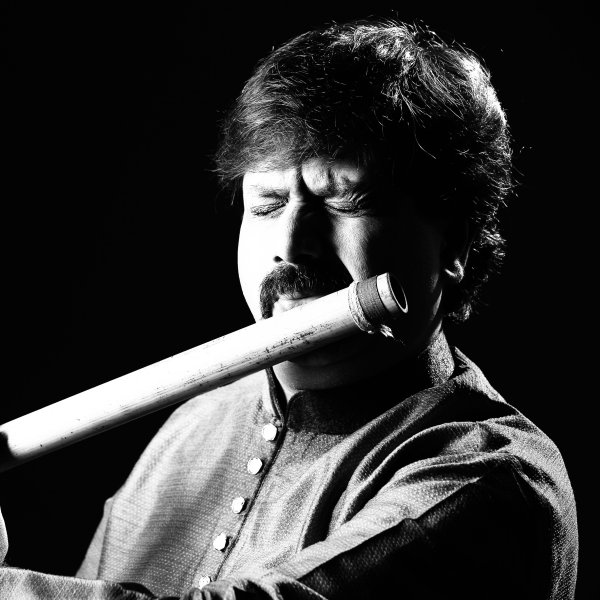 அஜய் பிரசன்னா

நிகழ்வு விவரங்கள்
பண்டிட் அஜய் பிரசன்னா ஆகஸ்ட் 19, புதன்கிழமை லண்டனில் கற்பிக்கிறார். அடுத்த மாலை அதே அரங்கில் நடக்கும் எங்கள் லண்டன் ராகாஸ் கச்சேரியில் அவர் வாசிக்கிறார். நான்கு கிராமி பரிந்துரைகள், குளோபல் இந்தியன் மியூசிக் விருது, Gorillaz குழுவின் Parvat (The Mountain) ஆல்பத்தில் இடம்பெற்ற அவரது புல்லாங்குழல், கற்பிக்க இடம் அரிதாகவே கிடைக்கும் பரபரப்பான அட்டவணை. இங்கே அவர் மூன்று மணி நேரம் ஒதுக்கியுள்ளார்.
அவர் தன் தந்தை பண்டிட் போலாநாத் பிரசன்னா வழி வந்த பனாரஸ் கரானா புல்லாங்குழல் மரபைச் சுமக்கிறார். அவரது மாணவர்களில் பண்டிட் ஹரிபிரசாத் சௌராசியாவும் ஒருவர். The Tate Institute-இல் நீங்கள் அந்த மரபின் முன் அமர்வீர்கள்: மூங்கில், ஆறு துளைகள், மூச்சை ராகமாக வடிக்கும் அந்த முறை, ஒரே குடும்பத்திற்குள் மூன்று தலைமுறைகளாகக் கடத்தப்பட்டு வருகிறது.
அரங்கில் அனைவருக்கும் திறந்தது
சுமார் எட்டு வயதுக்கு மேற்பட்ட குழந்தைகள், இதுவரை எந்தக் கருவியையும் தொடாத பெரியவர்கள், இடைநிலை மாணவர்கள், பல ஆண்டுப் பயிற்சி கொண்ட கலைஞர்கள், அனைவரும் ஒன்றாக அமர்கிறார்கள். பைடக் இப்படித்தான் இயங்குகிறது: தொடக்க நிலையாளரும் அனுபவசாலியும் ஒரே பாடத்தைக் கேட்கிறார்கள், ஒவ்வொருவரும் தமக்குத் தேவையானதை எடுத்துச் செல்கிறார்கள். உங்களிடம் கருவி இருந்தால் கொண்டு வாருங்கள், எந்தக் கருவியாக இருந்தாலும். புல்லாங்குழல், சிதார், சரோத், வயலின், கிதார், பியானோ அல்லது குரல்: இங்கு கற்பிக்கப்படுவது ஒரு கருவியின் அமைப்பை அல்ல, இசையின் கருத்துகளை அடிப்படையாகக் கொண்டது. கலந்துகொள்ள கருவியும் தேவையில்லை, முன் அனுபவமும் தேவையில்லை.
பெற்றோருக்கு: குழந்தைகளை விட்டுவிட்டுப் போவதற்குப் பதிலாக அவர்களுடன் அமருங்கள். கண்காணிக்க வந்த பெற்றோர் பலரும் தாமே வாசிக்கத் தொடங்குகிறார்கள்.
மாலையில் என்ன இருக்கும்
பண்டிட் பிரசன்னா ஒரு சிறு கச்சேரியுடன் தொடங்கி, மீதி மாலை முழுவதும் கற்பிக்கிறார்.
- மூச்சும் ஸ்வரமும்: மூங்கில் குழலில் மூச்சு எப்படி நாதமாகிறது, ஸ்வரங்கள் காதில் எப்படி அமர்கின்றன, ராகம் ஏன் வெறும் ஸ்கேல் அல்ல
- ஆலாப்: தாளமின்றி ராகம் எப்படி விரிகிறது, அப்போது எதைக் கேட்க வேண்டும்
- சொற்றொடர் அமைப்பு: மீண்ட், இரு ஸ்வரங்களை மீண்டும் மீட்டாமல் இணைக்கும் அந்த வழுக்கல், மற்றும் கண், ஒரு சொற்றொடருக்கு அழுத்தம் தரும் அலங்கார ஸ்வரம்
- தாளம்: அடியில் ஓடும் தாள சுழற்சி, சம் என்பதை அடையாளம் காண்பது, சொற்றொடரை மீண்டும் சம்மில் கொண்டு வந்து நிறுத்துவது
பங்கேற்பாளர்கள் வாசிப்பதை அவர் கேட்டு, முடிவுக்கு முன் ஒவ்வொருவருக்கும் தனித்தனியாகக் கருத்து சொல்கிறார். நுட்பம், ரியாஸ் ஒழுக்கம், மரபு குறித்த கேள்விகளுக்கும் பதிலளிக்கிறார்.
ஒவ்வொரு டிக்கெட்டிலும்
- பனாரஸ் கரானா பண்டிட்டிடம் சிறு குழுவில் நேரடிப் பயிற்சி, சொற்பொழிவு அரங்கு அல்ல
- உங்கள் வாசிப்பு குறித்த தனிப்பட்ட கருத்து
- நுட்பம், பயிற்சி, மரபு குறித்த திறந்த கேள்வி பதில்
- சிற்றுண்டியும் பானங்களும்
- பங்கேற்புச் சான்றிதழ்
- KalaSudha கற்றல் சமூகத்தில் இணைவு, இசைக்காகவே உருவாக்கப்பட்ட எங்கள் அழைப்பு அமைப்பு, ஸ்வரக்குறியீட்டுக் கருவிகள், தொடர்ந்து படிக்க உதவும் பாடநெறிகள் உட்பட
டிக்கெட்டுகள்
ஆகஸ்ட் 12 மாலை 6:00 மணி வரை பெரியவர்களுக்கு £40, மாணவர்களுக்கு £30. அதன் பிறகு விலை £50 மற்றும் £35 ஆக உயரும். அரங்கில் முப்பது பேருக்கு இடம், எனவே இரு காரணங்களுக்காகவும் விரைவில் பதிவு செய்யுங்கள்.
ஆகஸ்ட் 19, 2026, புதன்கிழமை, மாலை 6:00 முதல் 9:00 வரை. கதவுகள் மாலை 5:30 மணிக்குத் திறக்கும். The Tate Institute, 1 Wythes Road, London E16 2DN.
Venue information
The Tate Institute
1 Wythes Rd, London, E16 2DN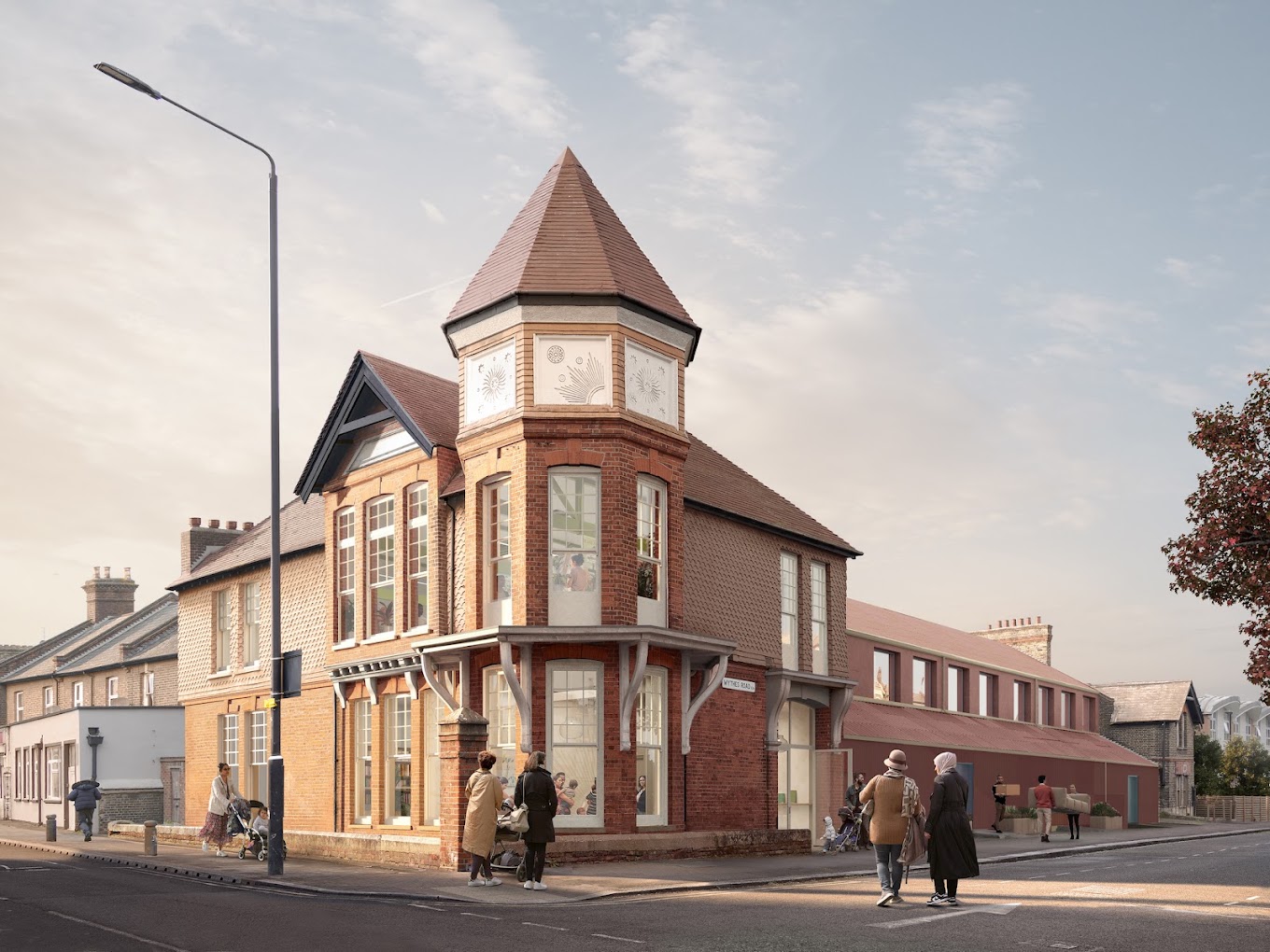
அடிக்கடி கேட்கப்படும் கேள்விகள்
Where is The Tate Institute?
The Tate Institute is at 1 Wythes Road, Silvertown, London E16 2DN, in East London.
Henry Tate paid for the building in 1887 as a social club for workers at the Tate Sugar Refinery. Newham Council owns the building. ReSpace Projects holds a 25-year lease and got the keys in March 2024. ReSpace is restoring it as a community venue, and the building hosts events as parts of it reopen.
For travel, see how to get to our London venues. For other concerts in the city, see where to hear Indian classical music live in London.
Where can I hear live Indian classical music in London, and which venues does KalaSudha use?
You can hear Hindustani (North Indian) classical music live in London at London Ragas, KalaSudha's concert series in London. Its evenings are baithaks: the audience sits close to the musicians. London Ragas can take place at different venues across London, and KalaSudha plans to add more baithaks in other parts of London. KalaSudha is based in London, so every concert tour it organises also plays London once.
See how to book tickets for a London concert and how to get to the venues.
Who is the flautist Pandit Ajay Prasanna, and what is his musical lineage?
Pandit Ajay Prasanna is a flute player from a musical family. He carries forward the legacy of his father, Bholanath Prasanna, a flute master whose students include Hariprasad Chaurasia. He plays in the style of the Banaras gharana. He has performed across India and abroad, including at Queen Elizabeth Hall in London and at festivals in Asia and Europe. His honours include Grammy nominations, the Global Indian Music Award for his album Cinema, the Sangeet Ratna Award and the Surmani Award.
What is a bansuri, how is it made, and how is it played?
A bansuri is a transverse flute cut from a single length of seasoned bamboo. It has no keys and no moving parts, only six finger holes, or seven in Pannalal Ghosh's style. The maker burns or drills the blow hole and the finger holes. The player controls pitch through the lips at the blow hole, breath pressure and half-holing, covering a finger hole in part, which gives the slides and bends of a raga. Until the 1940s it was not thought a concert instrument; Pannalal Ghosh made a larger bansuri for the classical stage.
Have more questions? Contact our support team and we'll be happy to help!