

برسٹل راگاس: سلائیڈ اینڈ سٹرم آن دی مسٹک فریٹس
- #برسٹل
- #بالمشافہ
- ستمبر 13, 2026
- اتوار
- 6:30 ب.ظ
- 2 گھنٹے, 30 منٹ
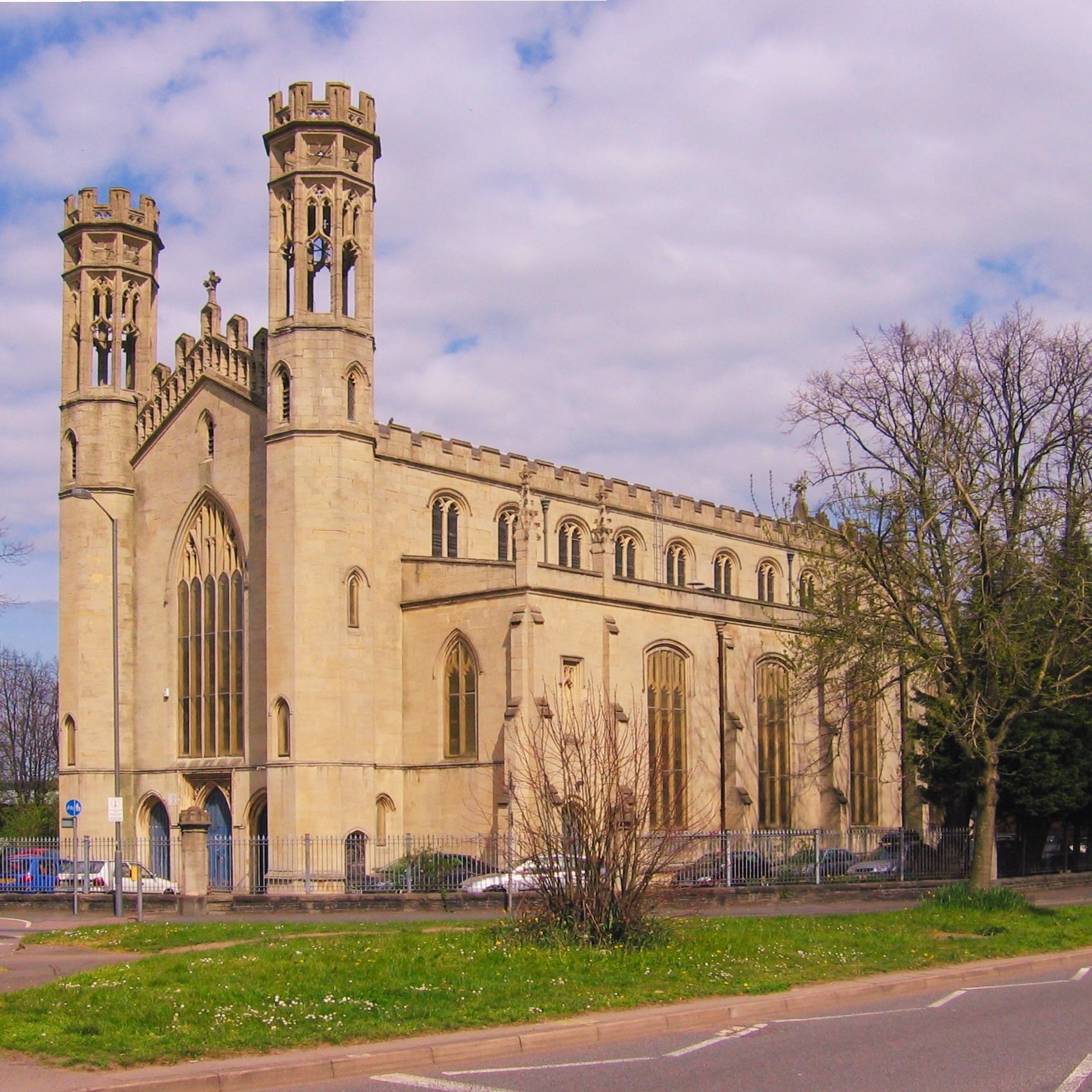
- Trinity Centre
- برسٹل, سلطنت متحدہ
اپنے ٹکٹ حاصل کریں

ایونٹ کا خلاصہ
ایونٹ کی جھلکیاں
پنڈت دیباسِس چکروبرتی، سینیا-مائیہار گھرانہ سلائیڈ گٹار
جولیانو موڈارِلی، اطالوی گٹارسٹ اور دیرینہ ساتھی
ڈاکٹر سیم ایوانز اور آر.این. پرکاش، طبلہ اور گھٹم
کالا فیسٹیول 2026 برسٹل واپس آتا ہے
پرفارم کرنے والے فنکار
-
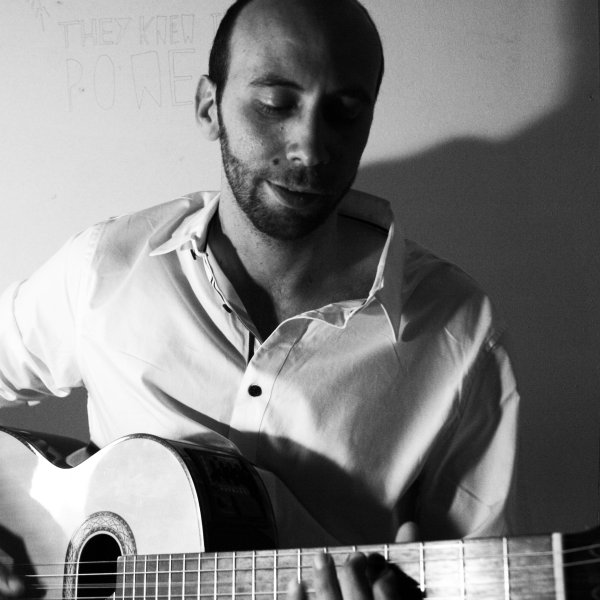 جولیانو موڈاریلی
-
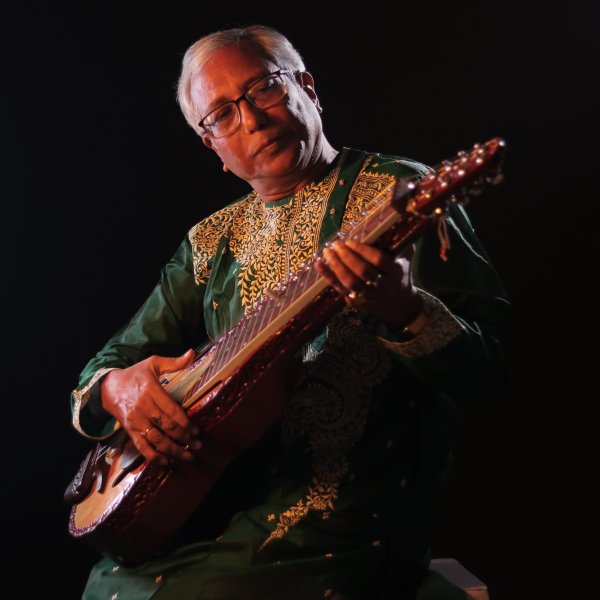 دیباسیس چکرورتی
-
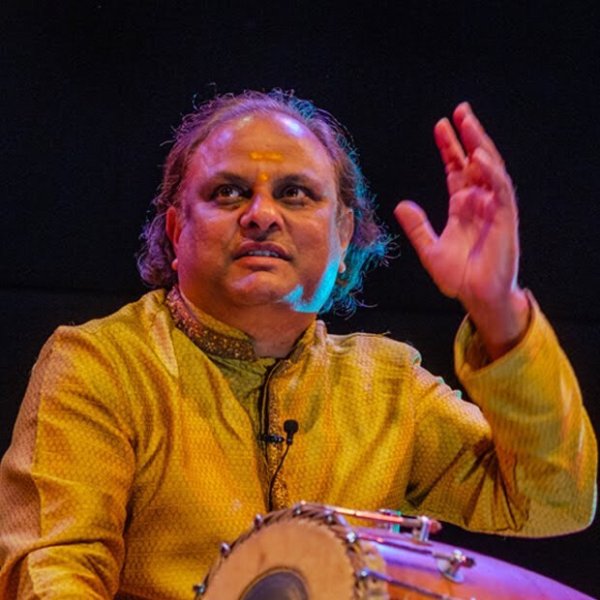 آر این پرکاش
-
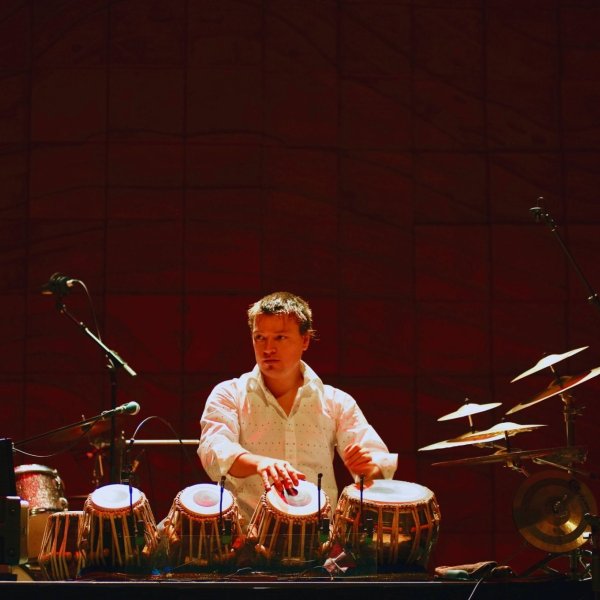 سیم ایوانز


ایونٹ کی تفصیلات
برسٹل کے موسیقی دوستوں کے لیے Kala Festival 2026 کے تحت ٹرینٹی سینٹر، برسٹل میں “Slide & Strum on The Mystic Frets” پیش کی جا رہی ہے۔ یہ وہ تقریب ہے جو ہندوستانی کلاسیکی موسیقی کی صدیوں پرانی روایت اور مغربی گٹار کی آزادانہ اظہاری طاقت کو ایک ہی مرحلے پر لے آتی ہے۔
اس خاص شام میں چار الگ الگ موسیقی روایات کے فنکار مل کر پیش کریں گے: آگرہ (ہندوستان) سے تشریف لائے ہندوستانی سلائیڈ گٹار کے استاد پنڈت دیباسس چکربرتی؛ برطانیہ سے گٹارنواز جیولیانو موڈیرالی؛ آسٹریلیا سے تبلے پر سیم ایوانز؛ اور گھٹم پر آر این پرکاش۔
(RN) بنگلور پرکاش کی شرکت اس محفل میں کرناٹک تال ساز کی گہری اور نفیس لے رنگ لاتی ہے۔ مختلف روایات کے ان نامور فنکاروں کو اسٹیج پر ایک ساتھ باہم مکالمے میں دیکھنا ایک نادر تجربہ ہے۔
ہندوستانی سلائیڈ گٹار کی روح پرور، خیالوں میں ڈبوتی آواز مغربی گٹار کی بھرپور ہارمنی سے گفتگو کرتی ہے، جسے تبلے اور گھٹم کی تال کا مضبوط سہارا ملتا ہے۔ یہ پیشکش روایت اور جدت، دونوں کو یکساں وقعت دیتی ہے۔
کلاسیکی بنیادیں
پہلے سیشن میں ہندوستانی کلاسیکی موسیقی کا خالص جوہر سنا جائے گا۔ آلاپ اور جوڑ (20 منٹ) میں ایک راگ محور تخلیق، پھر روپک (7 ماترا) اور جھپتال (10 ماترا) میں دو تخلیقیں، ہر ایک 15 منٹ کی۔ دونوں گٹاروں کی منفرد سور رنگت میں ہندوستانی راگوں کی گیتیت اور بداہت کی گہرائی ابھرتی ہے۔
فیوژن افق
وقفے کے بعد دوسرے سیشن میں تخلیقیت کا در کھلتا ہے۔ تین بداہت پر مبنی تخلیقیں، ہر ایک 10 منٹ کی، جن میں ہندوستانی اور مغربی موسیقی کے عناصر، تال اور جذبات ایک دوسرے میں گھل جاتے ہیں۔
اس حصے میں گٹار سر، ہارمنی اور تال کو فطری اور دلکش انداز میں بُنا جاتا ہے، اور تبلہ و گھٹم اسے مسلسل زندہ رکھتے ہیں۔
Venue information
اکثر پوچھے جانے والے سوالات
Where do I park at the Trinity Centre, Bristol?
The Trinity Centre in Bristol has its own car park. It runs 24-hour Pay and Display, and everyone pays, Blue Badge holders, staff and volunteers included.
Four accessible bays sit next to the daytime entrance, on the left-hand side of the building. For access and priority entry, see Is the Trinity Centre in Bristol accessible?
Pay and display for your whole stay, whatever time you arrive. Cameras read number plates, and the operator, Carflow, issues an automatic Parking Charge Notice if you don't pay. Tariffs change, so check the price at the machine.
Is the Trinity Centre in Bristol accessible?
Yes. The Trinity Centre in Bristol has a lift to the first floor and accessible toilets on both floors.
The venue keeps seats near the front of the stage for people with access requirements. For priority entry, write to KalaSudha at [email protected] before the concert and we will arrange it.
Driving? See where to park at the Trinity Centre.
Where can I hear live Indian classical music in Bristol, and how do I hear about KalaSudha's next Bristol date?
KalaSudha's Bristol city page has a Register for updates button for anyone who wants to hear Indian classical music in Bristol. Press it, or join the KalaSudha newsletter, to find out about the next Bristol date.
Who is the guitarist Giuliano Modarelli, and how did he come to Indian music?
Giuliano Modarelli is a London-based Italian guitarist and composer who blends Indian classical music, jazz and contemporary world music. Born in Milan in 1977, he moved to England in 2000 and took a bachelor's degree in jazz at Leeds College of Music in 2003. He studied Indian music with the sitar player Dharambir Singh and the sarod players Buddhadev Dasgupta and Prattyush Bannerjee. He founded the collective Samay and the ensemble Kefaya, and he has worked with Ustad Shahbaz Hussain and Pandit Ajay Prasanna.
Who is the Indian slide guitarist Pandit Debasis Chakroborty, the senior-most disciple of Pandit Brij Bhushan Kabra?
Pandit Debasis Chakroborty is a Hindustani slide guitarist and the senior-most disciple of Pandit Brij Bhushan Kabra, and his playing reflects Kabra's style. His name is also written Debasis Chakraborty. He plays in the Senia-Maihar gharana and has taught since 1992.
He has been part of the Department of Performing Arts at Mangalayatan University since its inception, and returns to universities in Australia and the USA as a conductor-performer and artist-in-residence. He helped carry out a joint music research project between Mangalayatan University and Monash University, and has published 10 research papers.
What is an Indian slide guitar, how is it played, and where can I learn it?
The Indian slide guitar is a guitar laid flat across the lap and stopped with a steel bar instead of fingers on frets. It is an instrument of Hindustani classical music, the classical music of North India. Sympathetic strings ring underneath the melody unstruck, and the player plucks extra drone (chikari) strings.
The bar never leaves the string, so one note travels into the next without a break. For its history and players, see the Indian slide guitar page. You can learn it with KalaSudha in the online academy.
What is the Senia-Maihar gharana, who founded it, and which KalaSudha artist plays in it?
The Senia-Maihar gharana is the sarod lineage that Allauddin Khan founded at Maihar, a former princely state, in the early 20th century. Most sources treat it and the Maihar gharana as one school spanning several instruments. "Senia" names the Tansen line, which Allauddin Khan joined as a disciple of Wazir Khan of Rampur. He brought a dhrupad approach to the sarod, sitar, violin and bansuri. Among KalaSudha's artists, Pandit Debasis Chakroborty plays in the gharana.
Have more questions? Contact our support team and we'll be happy to help!