

لندن راگا: شکیر خان اور شہباز حسین
- #لندن
- #بالمشافہ
- جولائی 19, 2026
- اتوار
- 5:00 ب.ظ
- 2 گھنٹے
- Royal Wharf Community Dock
- لندن, سلطنت متحدہ
اپنے ٹکٹ حاصل کریں

ایونٹ کا خلاصہ
ایونٹ کی جھلکیاں
ایتاوہ گھرانے کی ویراثت
دو استاد، ایک منچ
رائل ڈاک میں قریبی بیٹھک
دھیان کے روپ میں موسیقی
پرفارم کرنے والے فنکار
-
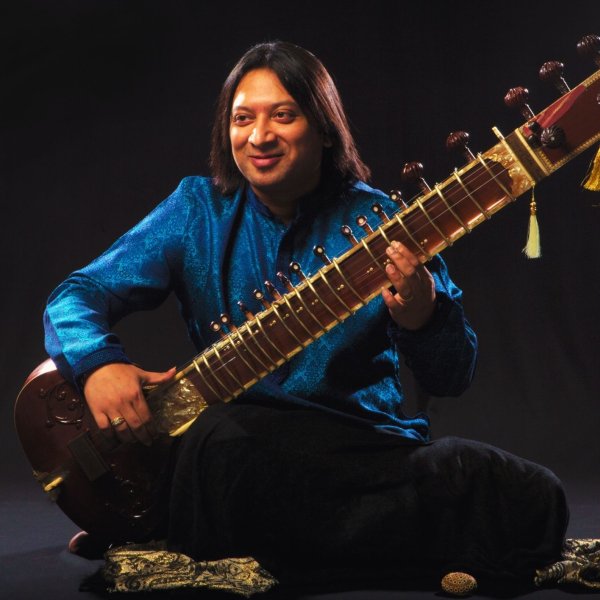 شاکر خان
-
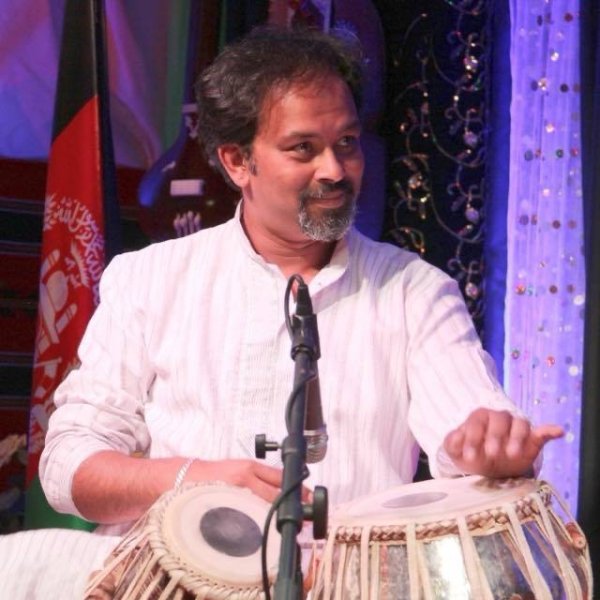 شہباز حسین


ایونٹ کی تفصیلات
اس جولائی، لندن میں خیر مقدم ہے شکیر خان کا — نوجوان نسل کے سب سے باصلاحیت ستار نوازوں میں سے ایک — اور مانچسٹر سے طبلہ استاد شہباز حسین کا۔ یہ دونوں فنکار 19 تاریخ کو رائل وارف کمیونٹی ڈاک پر ہمارے لندن راگا میں ہندوستانی کلاسیکی موسیقی کا جادو بکھیرنے آ رہے ہیں۔ ہم اس ماہانہ موسیقی محفل — اپنی بیٹھک، اپنے دربار — کا آغاز ان شاندار فنکاروں کے ساتھ کر رہے ہیں۔
شکیر خان اپنی سازندگی میں اٹاوہ گھرانے کی نسل در نسل موسیقی کی روایت کو سمیٹے ہوئے ہیں اور اپنے والد، ستار کے ماہر استاد شاہد پرویز خان کے نقشِ قدم پر چل رہے ہیں۔ وہ ہندوستان اور بیرونِ ملک اس فن کے تمام بڑے میلوں میں باقاعدگی سے مدعو ہوتے ہیں۔ کلا سدھا میں ہمیں انہیں اپنے موسیقی پروگرام میں پیش کرنے کا اعزاز حاصل ہے۔ ان کے ساتھ ہیں شہباز حسین — ایک مشہور طبلہ استاد، جو یورپ کے بہترین سازندوں میں شمار ہوتے ہیں اور ہندوستانی کلاسیکی موسیقی اور فیوژن پراجیکٹس میں اپنی پُرجوش اور نفیس پیشکش کے لیے جانے جاتے ہیں۔
یہ شام محض موسیقی تک محدود نہیں — یہ ایک دعوت ہے رکنے کی، غور و فکر کرنے کی، اور آواز کی اس شفا بخش گونج کو محسوس کرنے کی جسے ہم شبد کہتے ہیں۔ صدیوں سے ہندوستانی کلاسیکی موسیقی کی روایت نے موسیقی کو مراقبے کا ذریعہ مانا ہے — اپنے اندر اور معاشرے میں توازن بحال کرنے کا وسیلہ۔ جب ہم دوسروں کے ساتھ ایسی قریبی محفلوں میں بیٹھتے ہیں اور قدیم آواز سے بھرے موسیقی کے تجربوں میں حصہ لیتے ہیں، تو اپنے لیے ایک نئی دنیا کھول لیتے ہیں۔ آج کے دور میں یہ لازوال روایات ہمیں موسیقی، ذہنی صحت، توجہ اور جذباتی خیریت کے درمیان گہرے تعلق کی یاد دلاتی ہیں۔ یہ شام تجدید کا ایک موقع ہے — موسیقی کی عالمگیر زبان کے ذریعے پُرجوش، جڑے ہوئے اور توانا محسوس کرنے کا۔
اگر آپ لندن میں یا اس کے آس پاس ہیں تو ضرور تشریف لائیں۔ کسی خاص ضرورت کے لیے ہم سے رابطہ کریں۔
دروازے 4:30 بجے کھلیں گے اور موسیقی 5:00 بجے شروع ہوگی۔
حاضرین کے لیے ہدایات:
- بغیر اجازت فلم بندی یا فوٹوگرافی کی اجازت نہیں ہے۔
- پروگرام کے دوران موبائل فون (ٹیکسٹنگ سمیت) کا استعمال ممنوع ہے۔ ہم آپ کے تعاون کی توقع رکھتے ہیں۔ شکریہ!
Venue information
رائل وارف کمیونٹی ڈاک
Royal Wharf Community Dock, 2 John Harrison Sq, Royal Wharf, London, E16 2ZA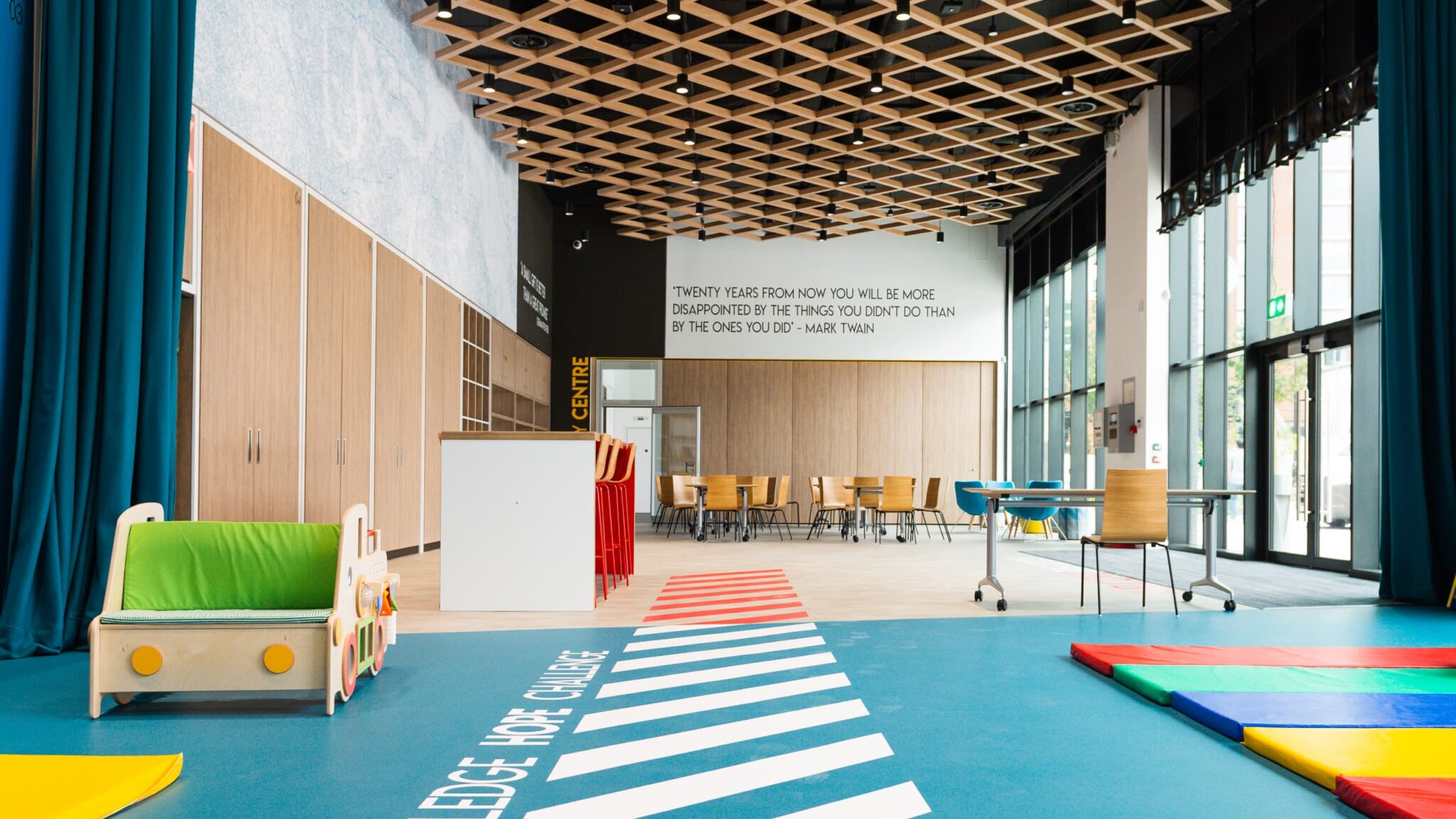
اکثر پوچھے جانے والے سوالات
Where can I hear live Indian classical music in London, and which venues does KalaSudha use?
You can hear Hindustani (North Indian) classical music live in London at London Ragas, KalaSudha's concert series in London. Its evenings are baithaks: the audience sits close to the musicians. London Ragas can take place at different venues across London, and KalaSudha plans to add more baithaks in other parts of London. KalaSudha is based in London, so every concert tour it organises also plays London once.
See how to book tickets for a London concert and how to get to the venues.
Who is the sitar player Shakir Khan, and what is his lineage?
Shakir Khan is a sitar player of the Etawah gharana, and the son and disciple of Shahid Parvez. He plays in the gayaki ang, which asks a sitarist to produce from strings the ornaments, curves and sustain that a singer makes with breath. He gave his first public performance at 11. The Sangeet Natak Akademi gave him the Ustad Bismillah Khan Yuva Puraskar for 2019, presented in 2023. Through SwarSetu, founded in memory of his grandfather Aziz Khan, he teaches students worldwide.
Who is the tabla player Ustad Shahbaz Hussain, and who were his teachers?
Ustad Shahbaz Hussain is a tabla player who teaches across the north of England. He first studied under his father, the vocalist Mumtaz Hussain, then learned from Faiyaz Khan of the Delhi gharana and from Shaukat Hussain Khan and Allah Rakha of the Punjab gharana. He leads the fusion group Indus and accompanies touring classical artists. He teaches at the University of Newcastle and the University of Huddersfield, and received the Son of Lahore Award from the Government of Pakistan in 2008.
What is a sitar?
A sitar is a long-necked lute with a gourd body, movable curved frets, and a set of sympathetic strings running beneath the playing strings.
The curved frets let a player pull a string sideways and bend one note into another. Players call that bend the meend, and the sympathetic strings keep ringing behind it.
What is the Etawah (Imdadkhani) gharana of sitar, where does it come from, and who plays in it today?
The Etawah gharana, also called the Imdadkhani gharana, is a school of sitar and surbahar playing that formed in the 19th century around Imdad Khan. It takes its name from Etawah, a town near Agra. Family accounts begin with his father, Sahabdad Khan. Imdad Khan based his style on khayal singing, which grew into the gayaki ang, a way of playing that follows the voice. Vilayat Khan and Shahid Parvez carried it on, and Shahid Parvez trained his son Shakir Khan.
Have more questions? Contact our support team and we'll be happy to help!