

A Hundred Strings in London: gezupft und angeschlagen
- #London
- #Vor Ort
- NOV 22, 2026
- Sonntag
- 5:00 PM
- 2 Stunden, 30 Minuten
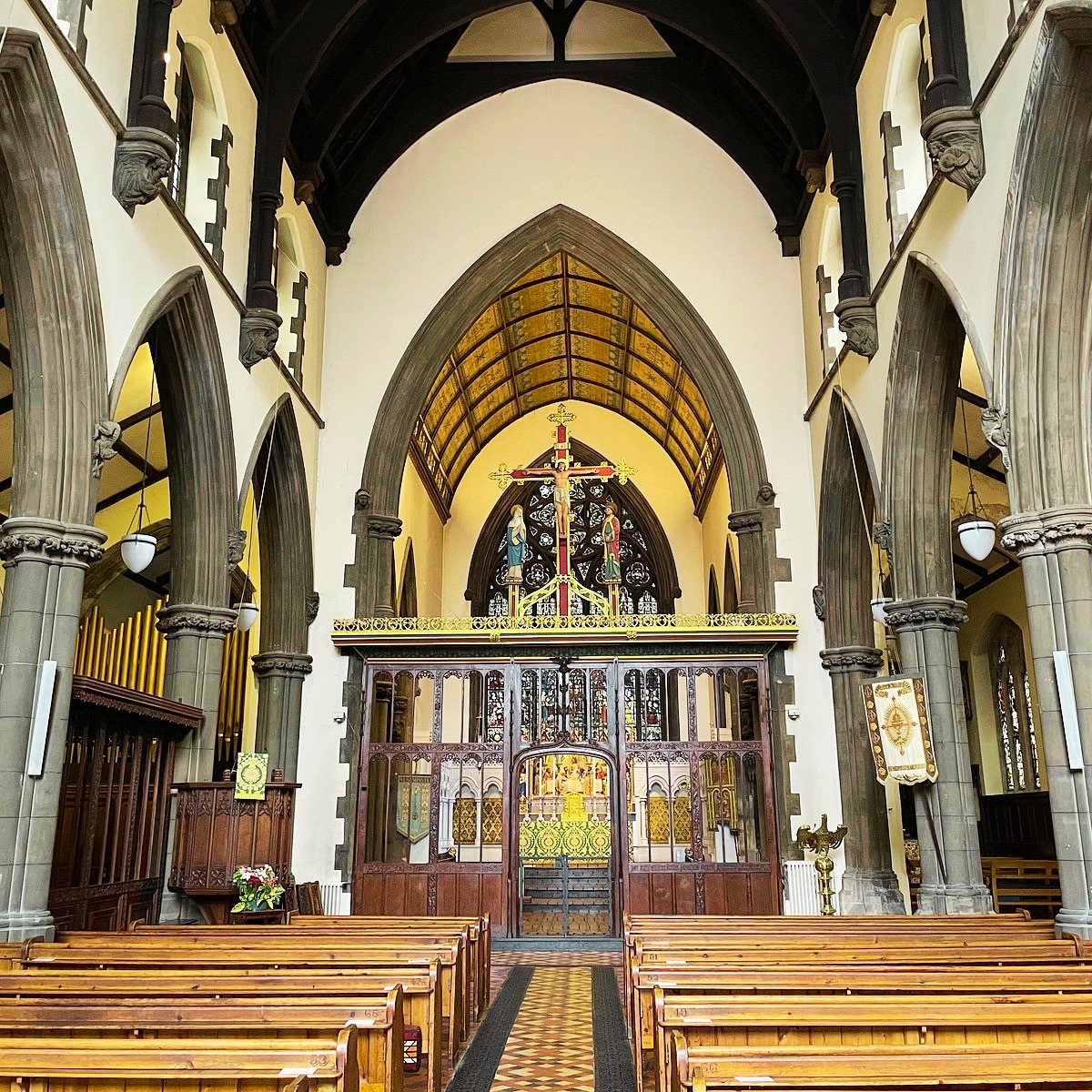
- St Saviour's, Pimlico
- London, Vereinigtes Königreich
Sichern Sie sich Ihre Tickets
Ticketpreis
€23.98 €35.96
* Early-bird tickets: €31.47. Including booking fee.
* Student tickets: €25.18. Including booking fee.

Promo reels
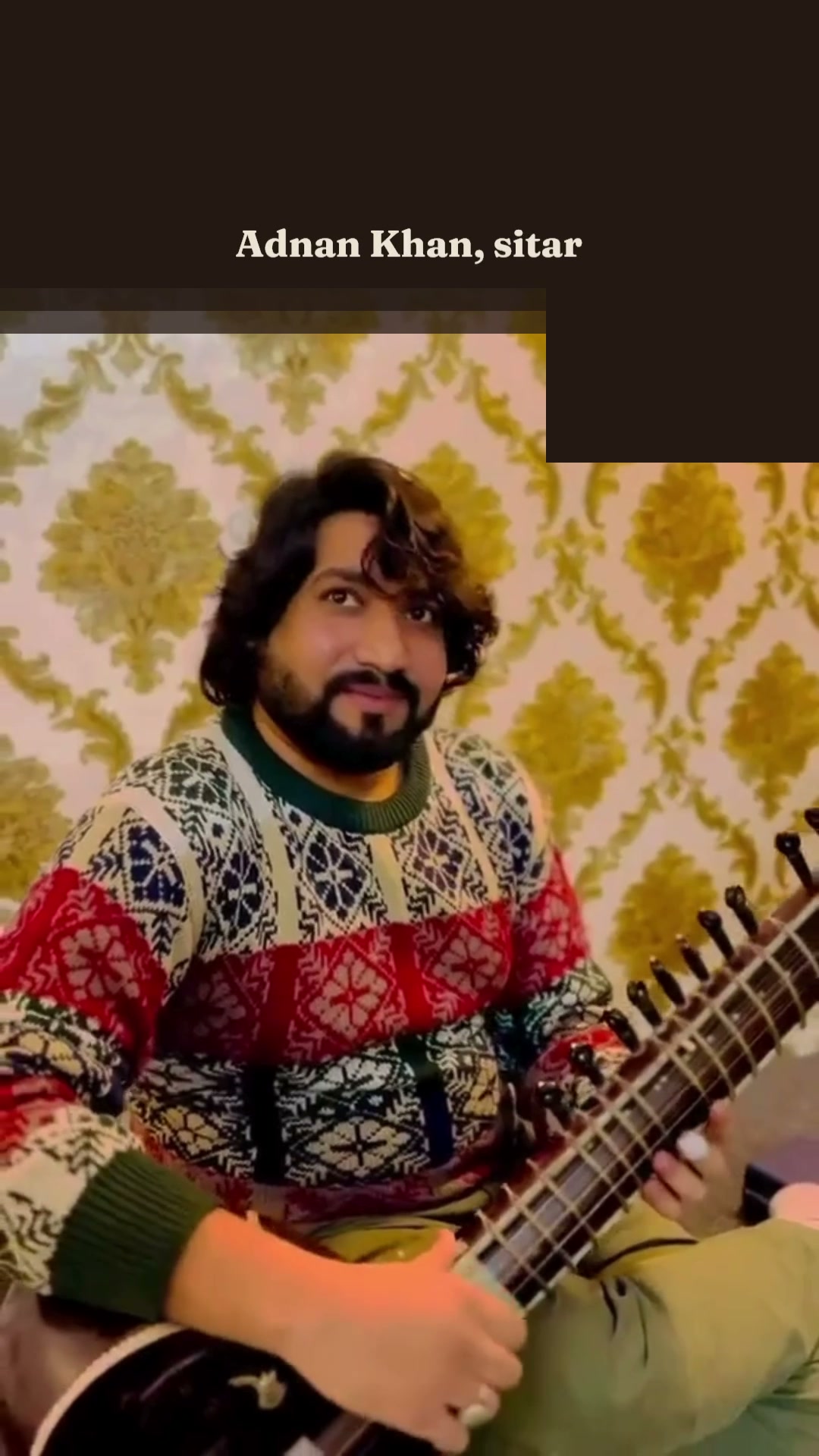
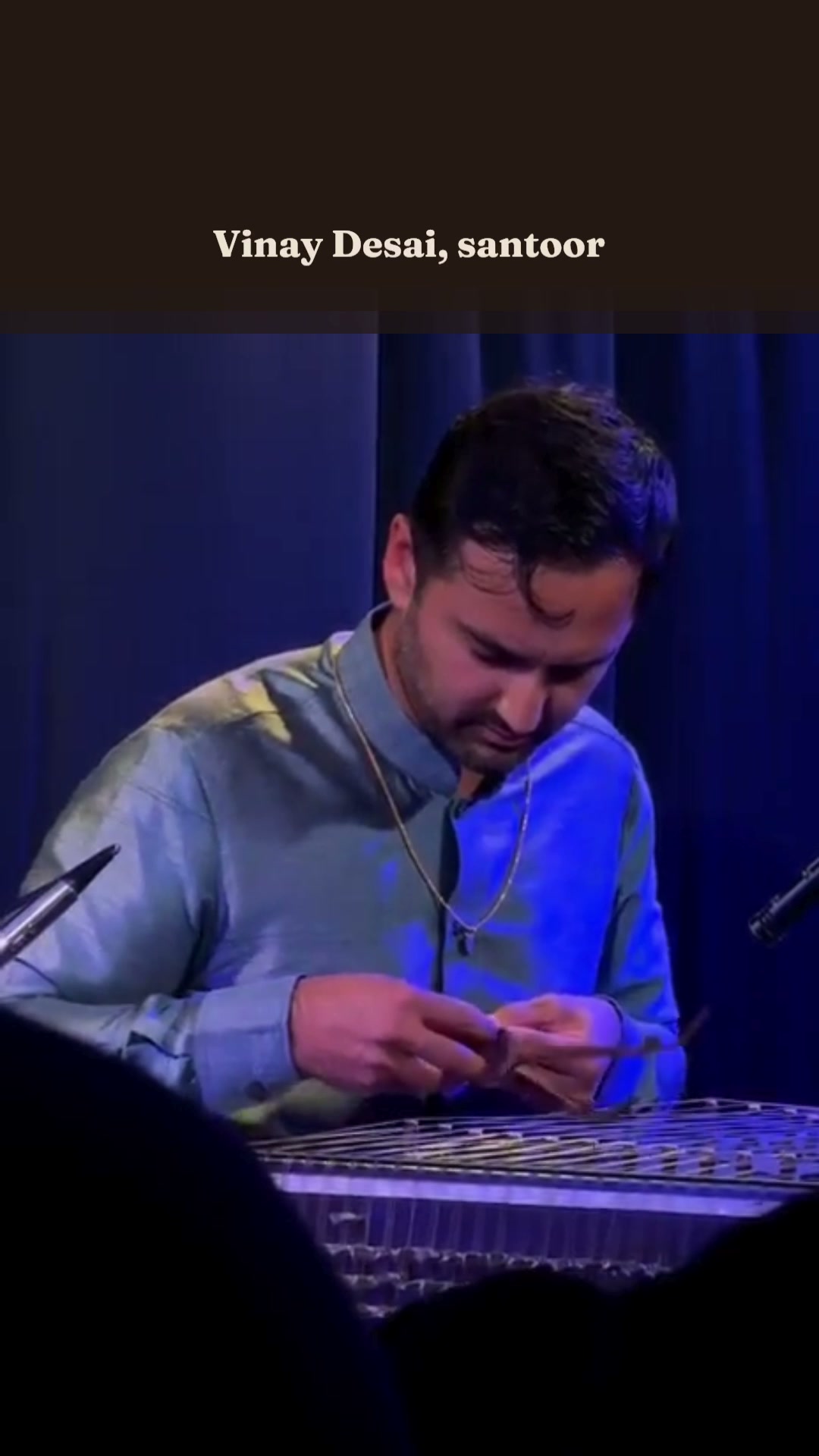
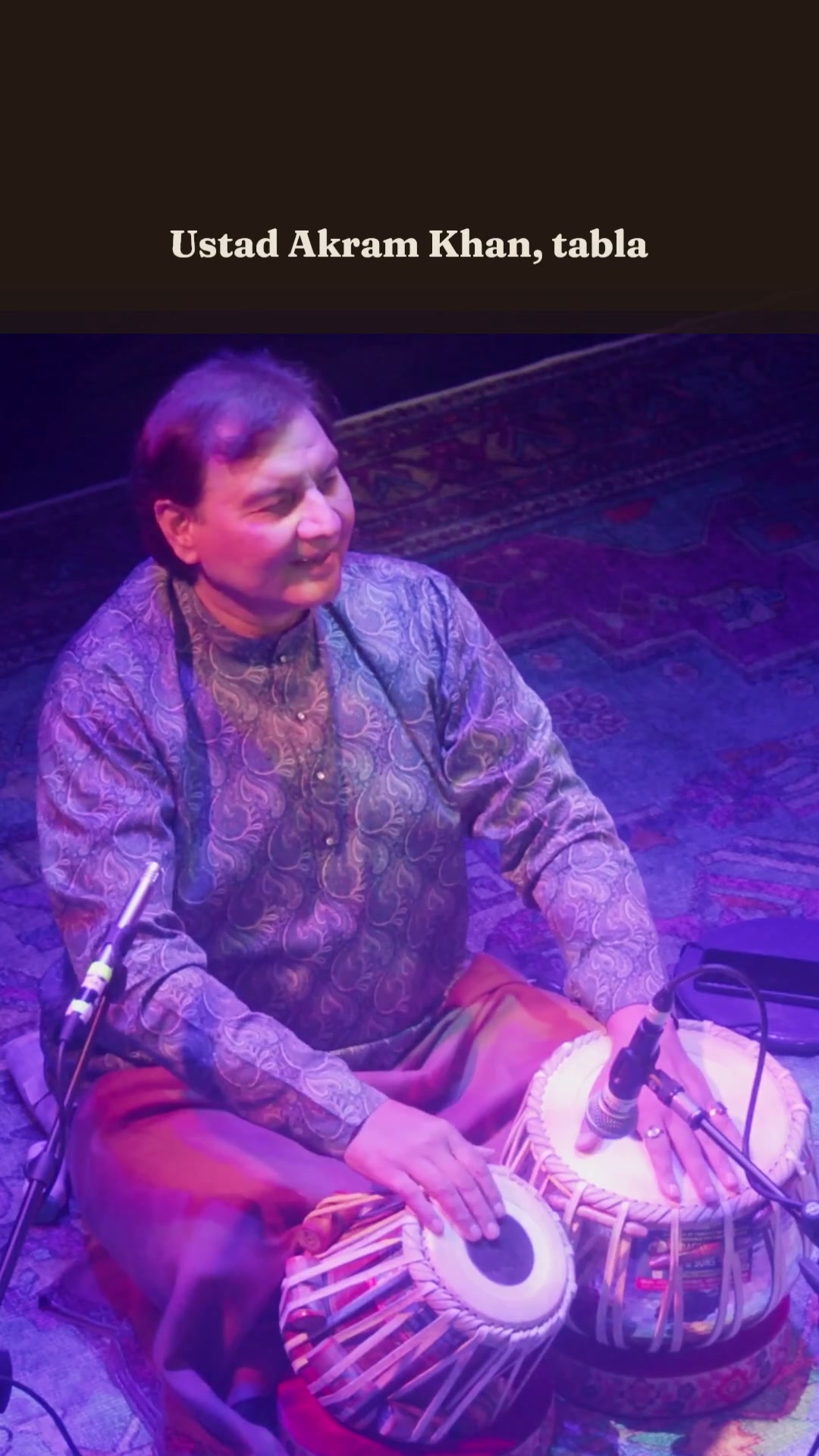
Veranstaltungsübersicht
Auftretende Künstler
Höhepunkte der Veranstaltung
Die Sitar, gezupft
Der Santur, angeschlagen
Tabla aus dem Ajrada Gharana
Eine viktorianische Kirche in Pimlico
-
London Ragas Fusion: Flute, Piano, Tabla & Ghatam in Dialogue
-
London Ragas Fusion: Flute, Piano, Tabla & Ghatam in Dialogue
-
London Ragas Fusion: Flute, Piano, Tabla & Ghatam in Dialogue
-
London Ragas Fusion: Flute, Piano, Tabla & Ghatam in Dialogue
-
London Ragas Fusion: Flute, Piano, Tabla & Ghatam in Dialogue
Auftretende Künstler
-
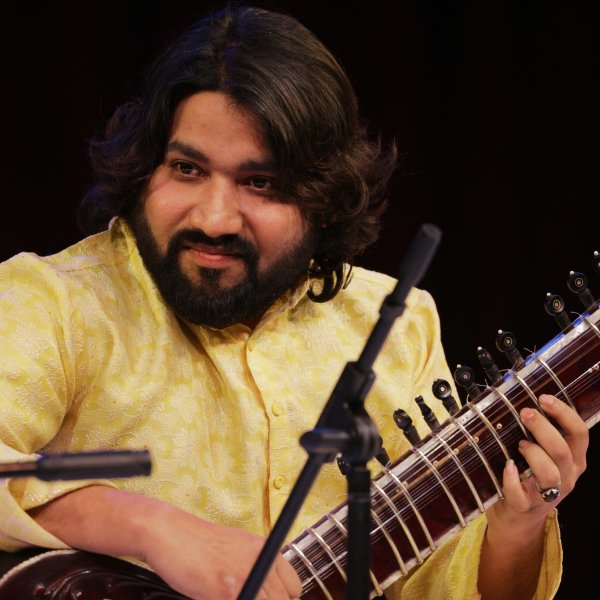 Adnan Khan
-
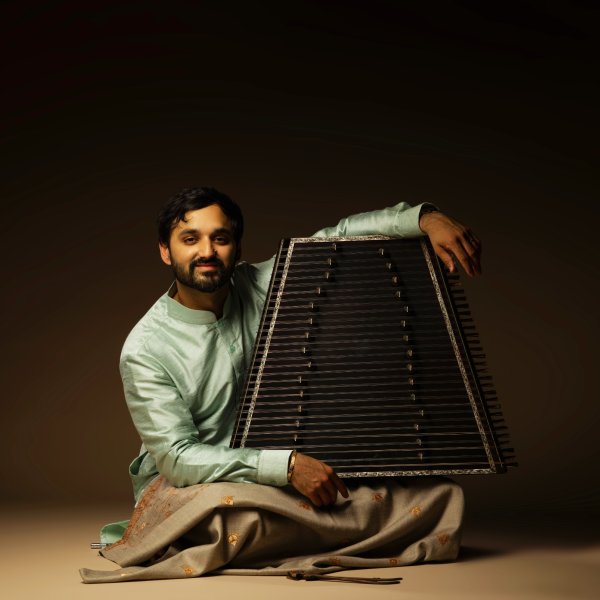 Vinay Desai
-
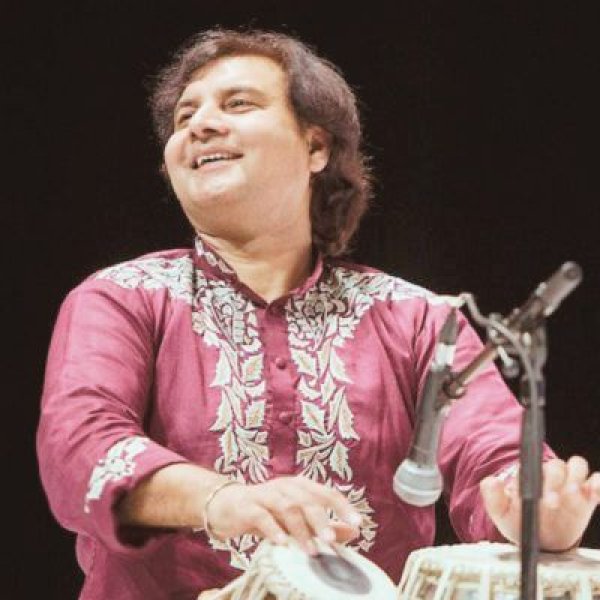 Akram Khan


Veranstaltungsdetails
Am 22. November kommt A Hundred Strings nach London, in die Kirche St Saviour's am St George's Square in Pimlico. Adnan Khan zupft die Saiten der Sitar, Vinay Desai schlägt die Saiten des Santur an.
Der für einen Grammy nominierte Sitarspieler Adnan Khan spielt im Gayaki Ang, dem Stil, der das Instrument nach der singenden Stimme formt. Er gleitet von Ton zu Ton, hält eine Phrase und biegt sie, wie es ein Sänger tun würde. Seinen ersten Unterricht erhielt er von seinem Großvater mütterlicherseits, dem verstorbenen Ustad Zafar Ahmed Khan, und heute lernt er bei seinem Vater, dem Sitarspieler Ustad Saeed Khan.
Vinay Desai spielt den Santur, das hundertsaitige Instrument aus Kaschmir, dessen Saiten er mit zwei leichten Holzhämmerchen anschlägt. Auf dem Santur kann er nicht von Ton zu Ton gleiten, also baut er seine Phrasen aus schnellen Läufen und wiederholten Anschlägen, und jeder Ton klingt weiter, nachdem seine Hand längst weitergezogen ist. Er ist direkter Schüler von Pandit Shivkumar Sharma, Träger des Padma Vibhushan, der das Instrument aus der Sufiana-Tradition Kaschmirs auf die klassische Konzertbühne brachte.
Ustad Akram Khan begleitet beide an der Tabla. Er vertritt die siebte Generation seiner Familie im Ajrada Gharana. Er lernte zuerst bei seinem Urgroßvater Ustad Mohammad Shafi Khan, dann bei Ustad Niazu Khan, und heute unterrichtet er mehr als fünfzehn klassische Kaydas des Gharana.
Dieselben drei Musiker spielen am Vorabend, Samstag, dem 21. November, Ragas by the Sea im Palace Court Theatre in Bournemouth.
St Saviour's hat noch keine Angaben zur Barrierefreiheit veröffentlicht. Bei Fragen zur Barrierefreiheit kontaktieren Sie uns.
Einlass um 16:45 Uhr. Die Musik beginnt um 17:00 Uhr.
Regeln für das Publikum:
- Bitte filmen oder fotografieren Sie nicht ohne unsere Erlaubnis.
- Bitte lassen Sie Ihr Telefon während der gesamten Veranstaltung weggesteckt, auch für Nachrichten.
Venue information
Häufig gestellte Fragen
What is KalaSudha's A Hundred Strings tour, who plays on it and where does it go?
A Hundred Strings is KalaSudha's tour of sitar, santoor and tabla. The name comes from the santoor, the hundred-stringed instrument of Kashmir.
The tour brings the sitar player Adnan Khan and the santoor player Vinay Desai together with the tabla player Ustad Akram Khan. In Manchester, Ustad Shahbaz Hussain also plays tabla. The sitar is plucked and slides between notes; the santoor is struck and cannot slide, so it moves in runs.
The tour plays Oxford, Manchester, Bournemouth and London.
How do I get to St Saviour's church in Pimlico, London, by Underground, bus, bike or car?
St Saviour's, Pimlico is on St George's Square, Pimlico, London SW1V 3QW. Pimlico on the Victoria line is the closest Underground station, and Victoria is under a ten-minute walk.
Buses 24, 360 and C10 stop outside the church, and routes 2, 36 and 185 run along Vauxhall Bridge Road. Cycle hire stands are outside the church, and Pimlico station has racks.
By car, there is street parking around St George's Square. Westminster controlled parking zones apply, so check the signs on the day for evening restrictions and charges. For step-free access, contact the parish office on 020 7834 9520 or [email protected] before you book.
Is St Saviour's church in Pimlico accessible, and who do I contact about step-free access, a wheelchair space or help with seating?
St Saviour's, Pimlico has not published its access details. If you need step-free access, a wheelchair space or help with seating, contact the parish office on 020 7834 9520 or [email protected] before you book. KalaSudha will then confirm arrangements for the evening.
For access at any KalaSudha concert, see who to talk to about access needs.
Where can I hear live Indian classical music in London, and which venues does KalaSudha use?
You can hear Hindustani (North Indian) classical music live in London at London Ragas, KalaSudha's concert series in London. Its evenings are baithaks: the audience sits close to the musicians. London Ragas can take place at different venues across London, and KalaSudha plans to add more baithaks in other parts of London. KalaSudha is based in London, so every concert tour it organises also plays London once.
See how to book tickets for a London concert and how to get to the venues.
Who is the sitar player Adnan Khan, who taught him, and what is distinctive about his playing?
Adnan Khan is a Grammy-nominated sitar player from Delhi who works in the gayaki ang, the approach that shapes the instrument after the singing voice. He took his first lessons from his maternal grandfather, the late Zafar Ahmed Khan, and trains with his father, the sitar player Saeed Khan. His uncle, the khayal singer Mashkoor Ali Khan, taught him the gayaki ang at the ITC Sangeet Research Academy in Kolkata. Melody leads in his playing, and a raga's notes keep their shape through his fastest runs.
Who is the santoor player Vinay Desai, who taught him, and how does he play?
Vinay Desai plays the santoor, the hundred-stringed instrument of Kashmir, struck with two light curved mallets. He studied with Shivkumar Sharma, who received the Padma Vibhushan, through Sharma's final years. A struck string cannot bend, so his expression comes from where the strokes fall and how they are spaced. His concerts open slow, with no beat at all, until the raga has a shape. Then the tabla comes in, and the close is fast.
How do the sitar and the santoor differ in how they are built, how they are played and how they sound?
The sitar is plucked and slides between notes. The santoor is struck and cannot slide, so it moves in runs and repeated strokes.
The sitar is a long-necked lute with a gourd body, movable curved frets and sympathetic strings beneath the playing strings. The santoor is the hundred-stringed instrument of Kashmir: a flat wooden box strung with metal strings, struck with a pair of light wooden mallets.
On the sitar you hear a phrase held and bent, the way a singer does. On the santoor each note rings on after the hand has moved. See what is a sitar and what is a santoor.
What is the Ajrara (Ajrada) gharana of tabla, where did it begin, and what is it known for?
The Ajrara gharana, also spelt Ajrada, is a school of tabla that arose in the late 18th or early 19th century in the village of Ajrara, in Meerut district. Most accounts trace it to two brothers, Kallu Khan and Miru Khan, who learnt in Delhi, making it an offshoot of the Delhi gharana. Its players add the ring finger to the Delhi technique. It is best known for qaidas, themes with set variations, in aad laya, three strokes to every two beats. Ustad Akram Khan plays in the gharana today.
How do I get my ticket?
When you book on kalasudha.com, your KalaSudha confirmation email carries your ticket. Show it on your phone at the door, or bring a printout if you prefer paper.
If the email has not arrived, check your spam folder first. If it is still missing, write to [email protected] and we will send your ticket again.
Can no longer come? See refunds. Event moved or cancelled? See cancellations and date changes. Planning the night? See when to arrive.
When should I arrive?
Arrive at the door time shown on the KalaSudha event page. Doors open before the music starts, so you can find a seat and settle before the first note. All times are UK local time.
When the programme opens with a raga, the first section is the alap, the slow, free-tempo opening of the raga. Arriving after the start time means walking in during it.
For seating, see Is seating allocated? If this is your first Indian classical concert, read what to expect as a newcomer.
Have more questions? Contact our support team and we'll be happy to help!