

A Hundred Strings in Manchester: Saiten aus Kaschmir und Delhi
- #Manchester
- #Vor Ort
- NOV 20, 2026
- Freitag
- 7:00 PM
- 2 Stunden, 30 Minuten
- The Stoller Hall
- Manchester, Vereinigtes Königreich
Sichern Sie sich Ihre Tickets
Ticketpreis
€17.99 €41.97
* Student tickets: €18.89. Including booking fee.

Promo reels
Veranstaltungsübersicht
Auftretende Künstler
Höhepunkte der Veranstaltung
Adnan Khan on Sitar
Vinay Desai on Santoor
Two Tabla Players, Three Gharanas
Ustad Shahbaz Hussain, at Home in Manchester
-
London Ragas Fusion: Flute, Piano, Tabla & Ghatam in Dialogue
-
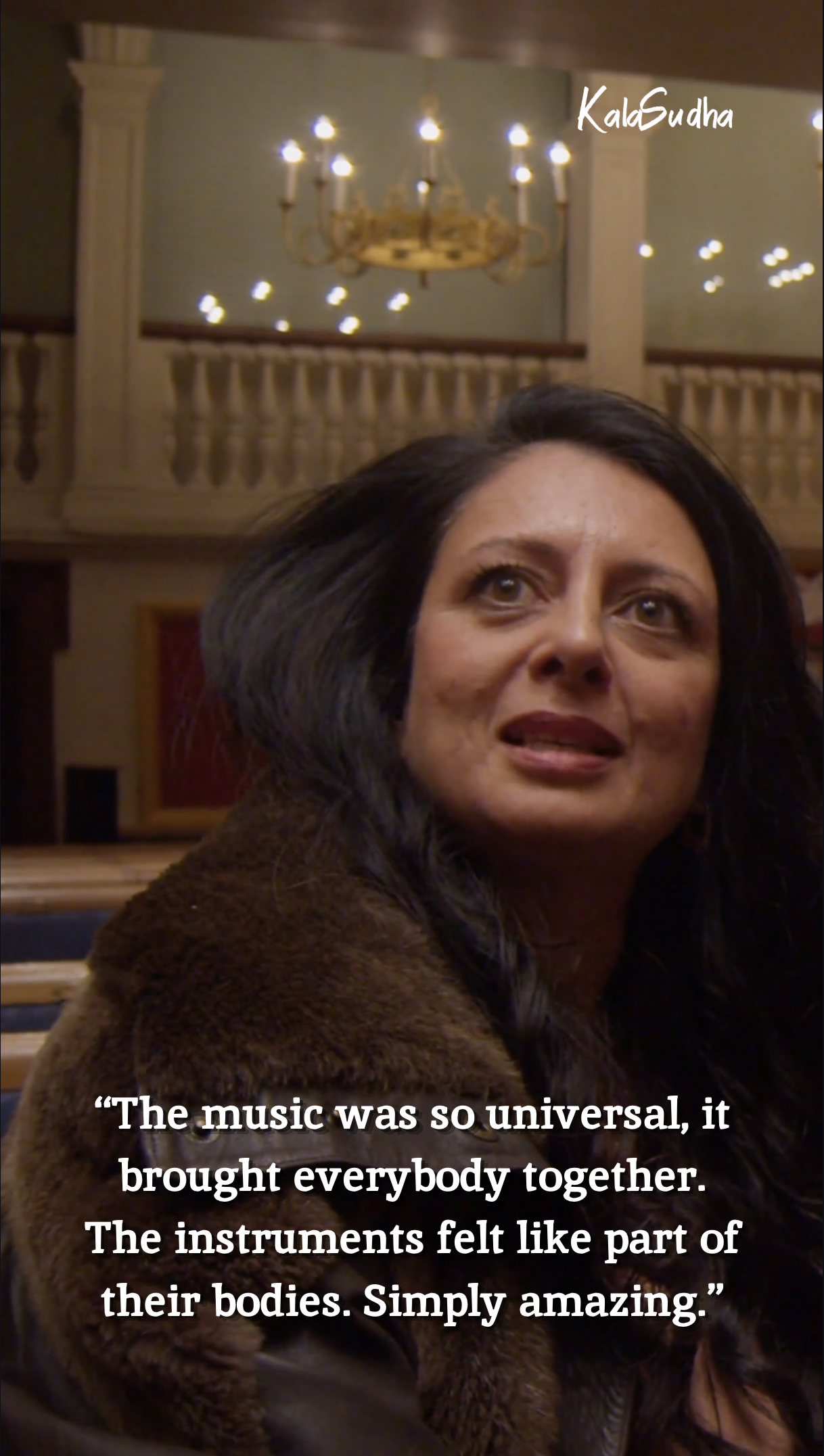
London Ragas Fusion: Flute, Piano, Tabla & Ghatam in Dialogue
-
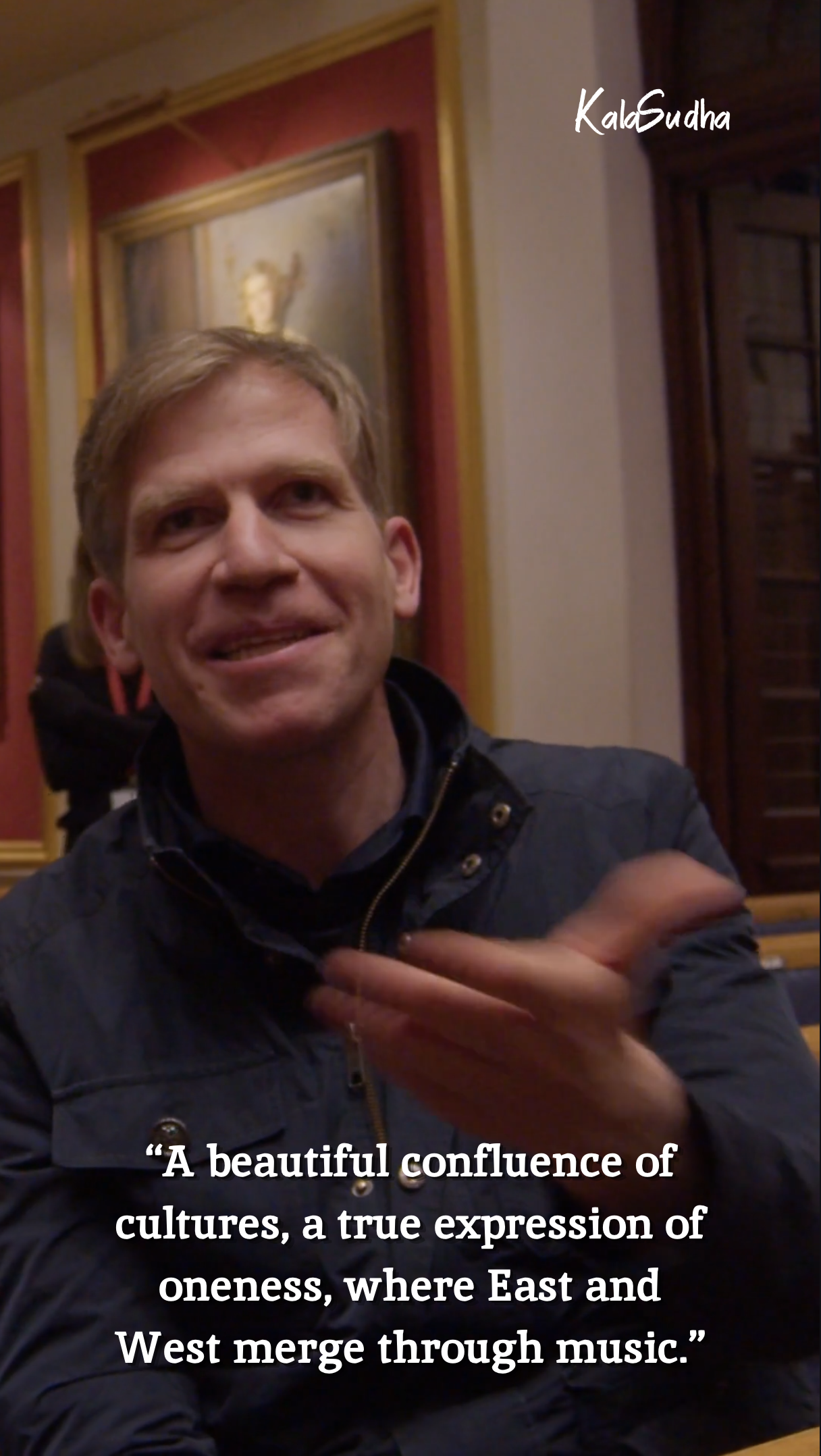
London Ragas Fusion: Flute, Piano, Tabla & Ghatam in Dialogue
-
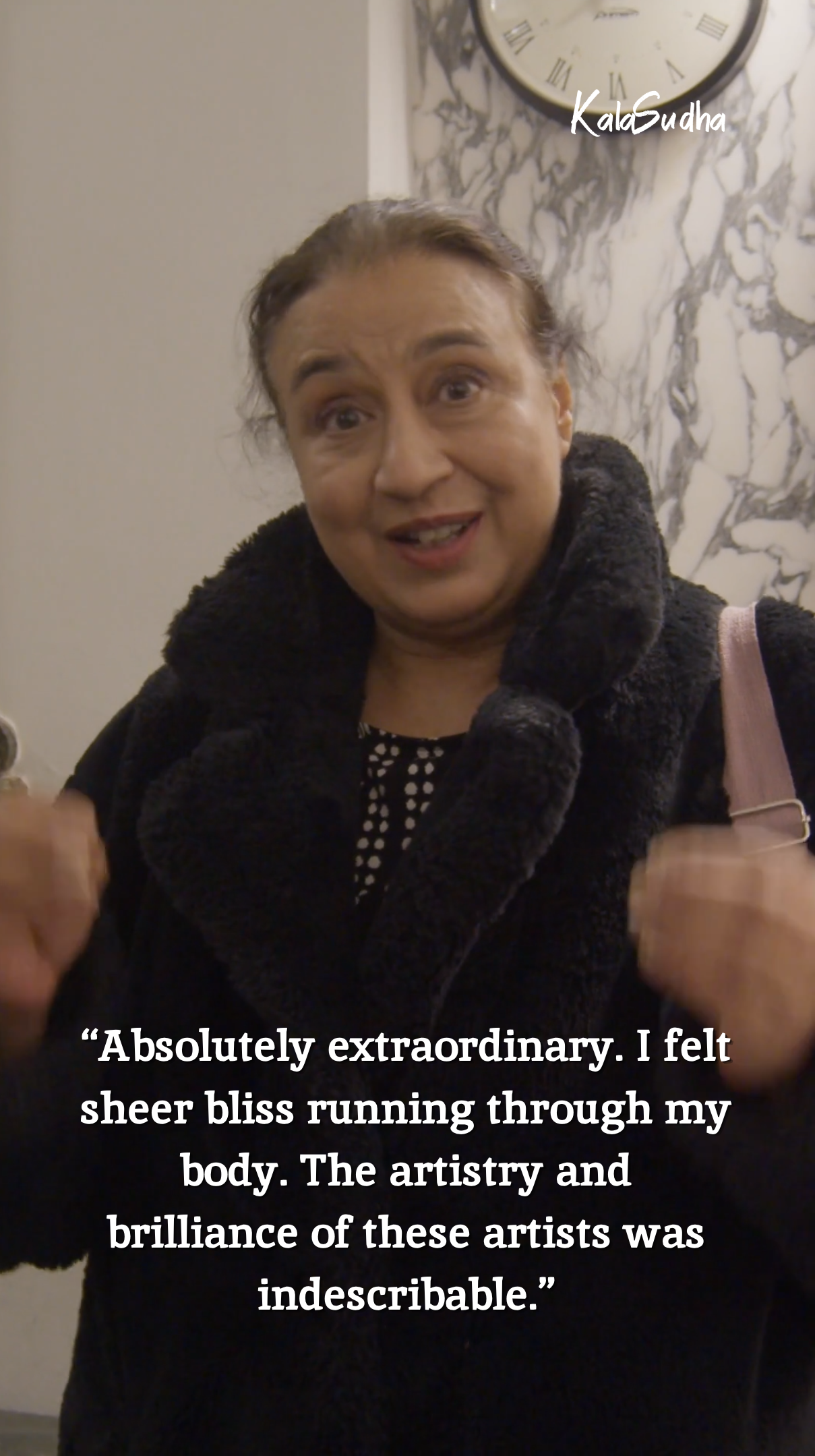
London Ragas Fusion: Flute, Piano, Tabla & Ghatam in Dialogue
-
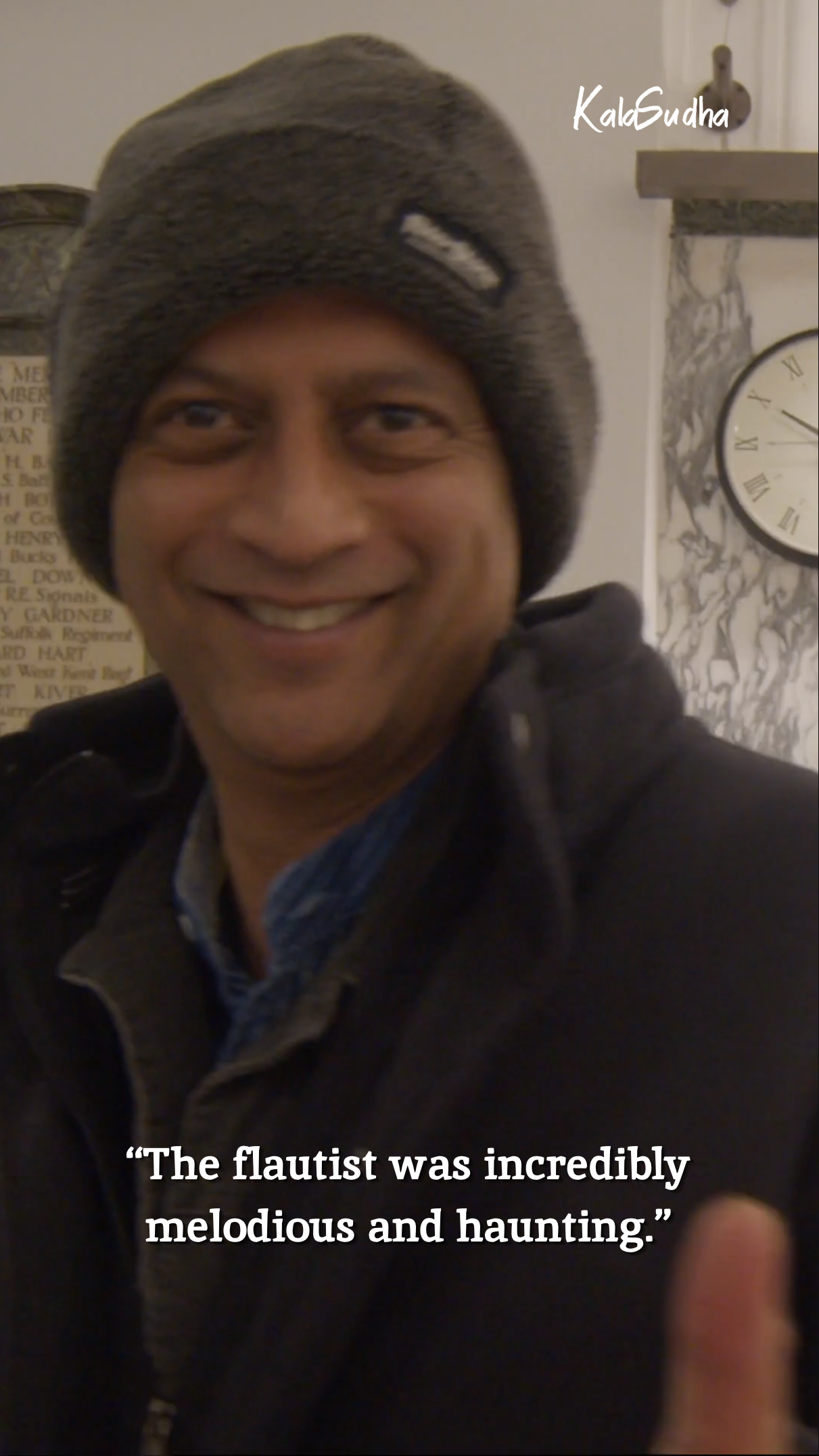
London Ragas Fusion: Flute, Piano, Tabla & Ghatam in Dialogue
Auftretende Künstler
-
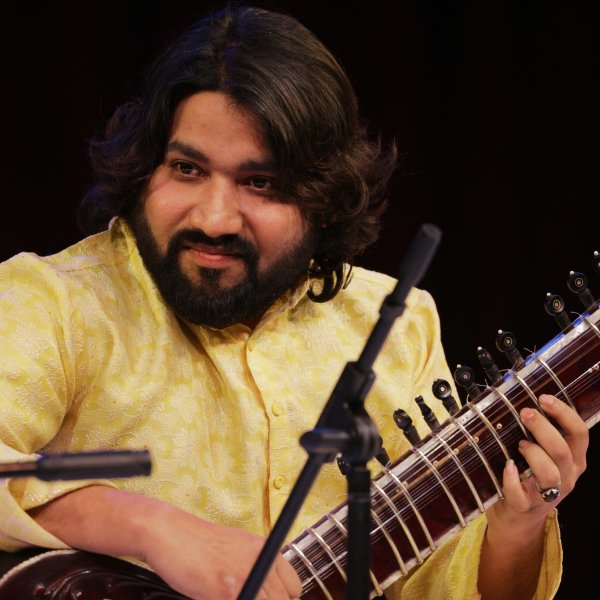 Adnan Khan
-
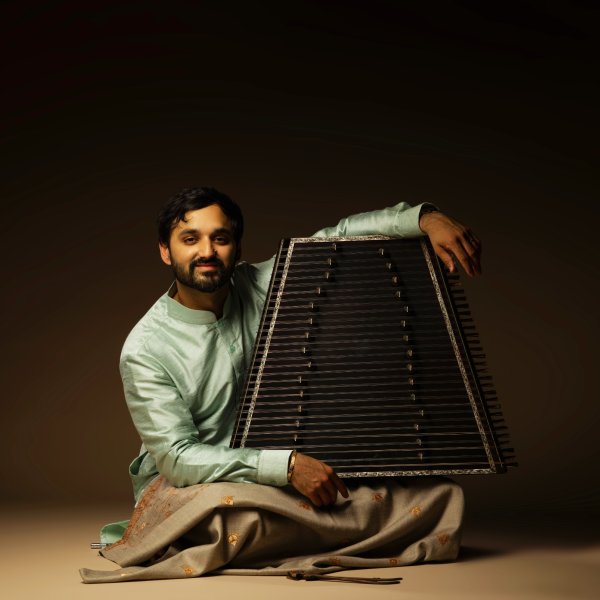 Vinay Desai
-
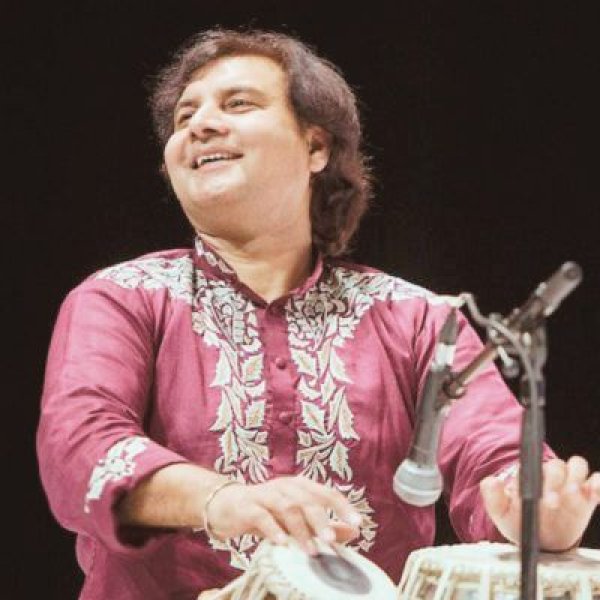 Akram Khan
-
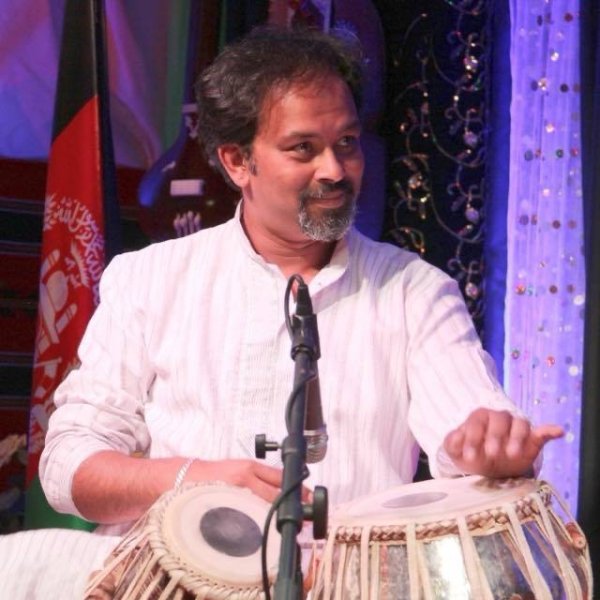 Shahbaz Hussain


Veranstaltungsdetails
Am 20. November bringen vier Musiker indische klassische Musik in den Konzertsaal The Stoller Hall in der Chetham's School of Music: zwei Saitentraditionen und zwei Tablaspieler, die zusammen drei Gharanas mitbringen.
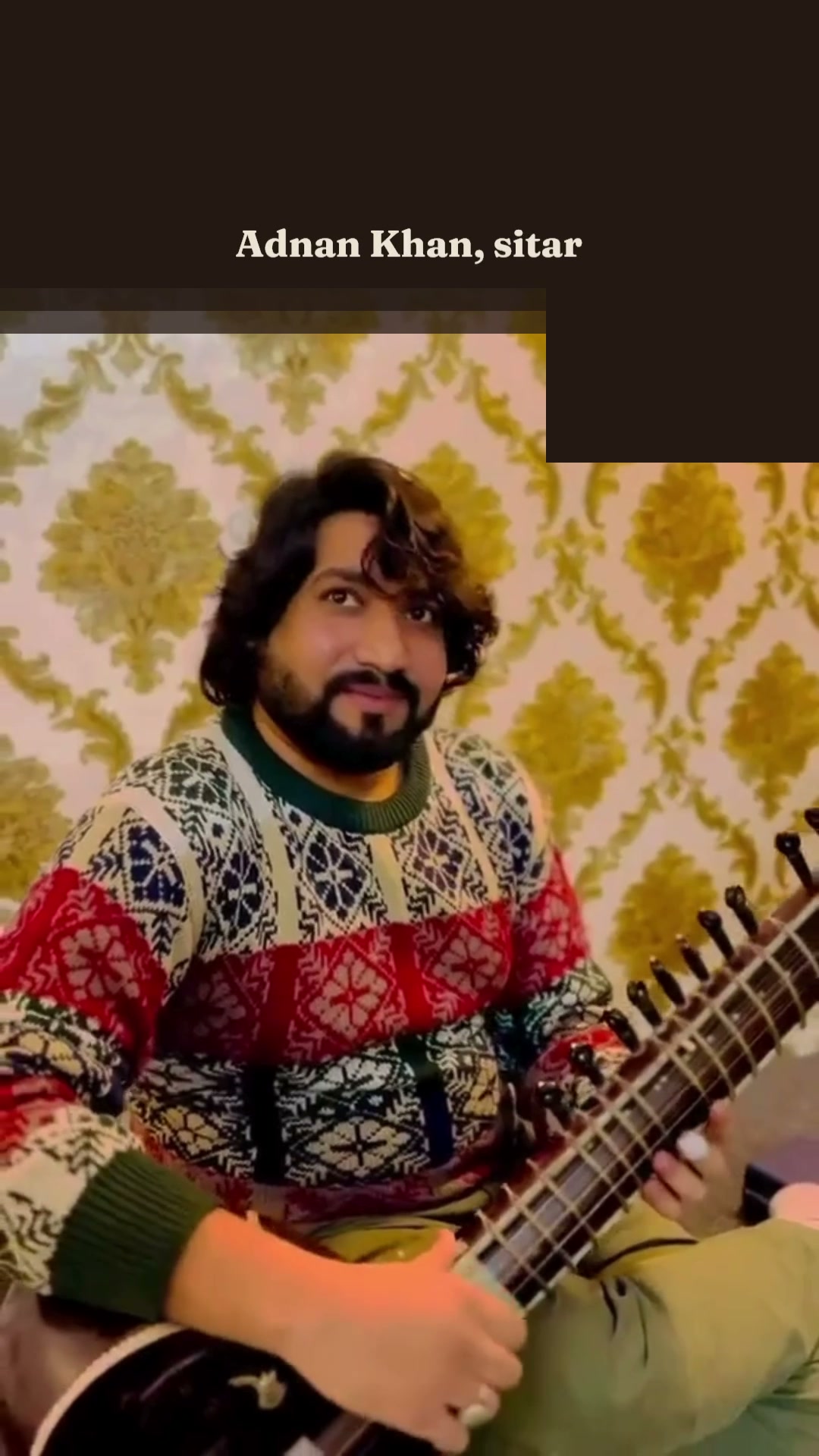
Vinay Desai spielt die Santur, das hundertsaitige Instrument Kaschmirs, als direkter Schüler von Padma-Vibhushan-Träger Pandit Shivkumar Sharma. Adnan Khan, der für einen Grammy nominierte Sitarspieler aus Delhi, spielt im Gayaki Ang, einem Stil, der das Sitarspiel der Singstimme nachbildet. Er lernt bei seinem Vater, dem Sitarspieler Ustad Saeed Khan.
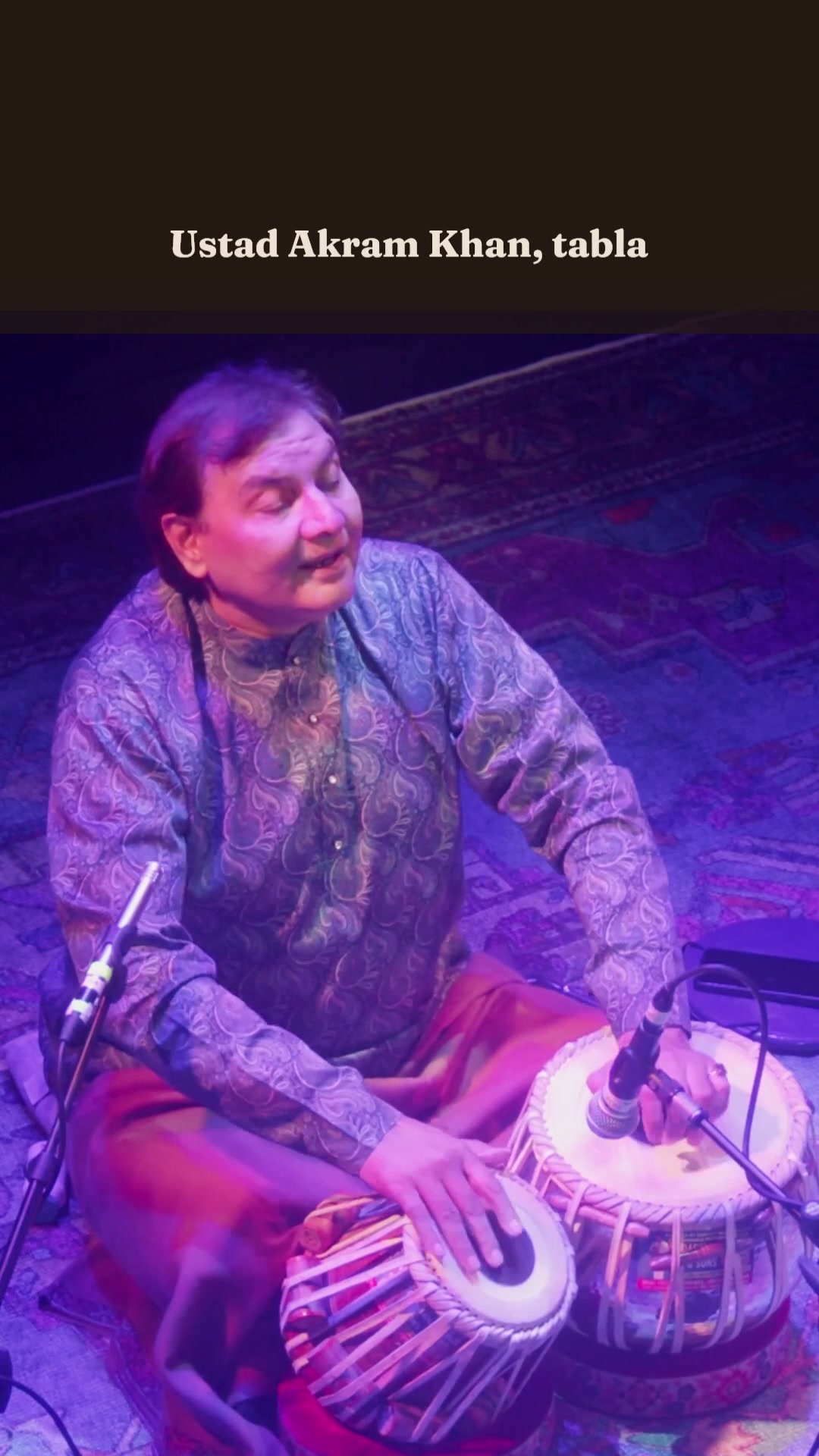
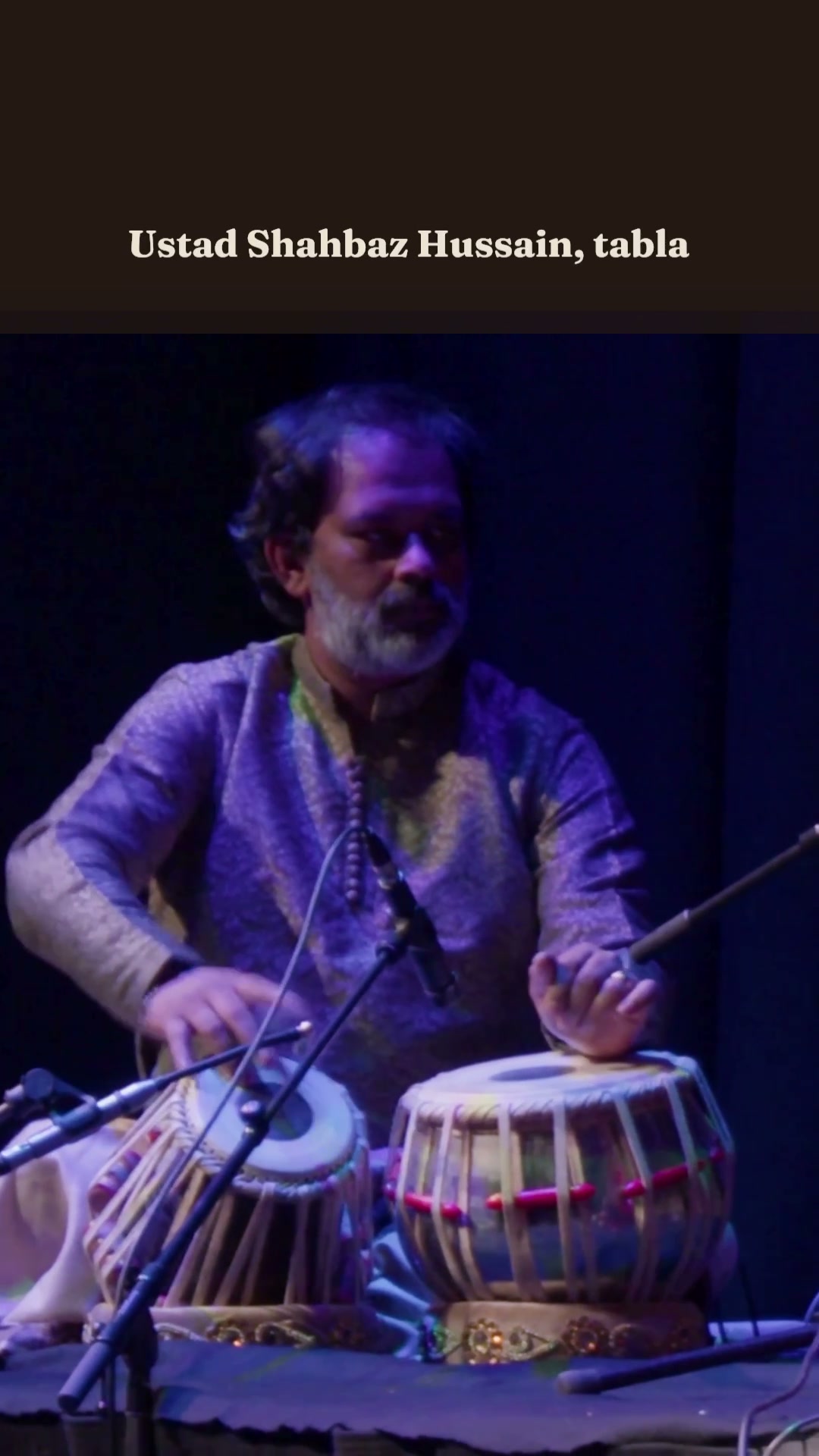
Zwei Tablameister teilen sich diesen Abend, und Manchester ist der einzige Termin der Tournee mit beiden. Ustad Akram Khan ist die siebte Generation seiner Familie in der Ajrada-Gharana und hat mehr als elftausend Konzerte gespielt. Ustad Shahbaz Hussain lernte bei seinem Vater, dem Sänger Ustad Mumtaz Hussain. Danach studierte er bei Ustad Faiyaz Khan von der Delhi-Gharana sowie bei Ustad Shaukat Hussain Khan und Ustad Allah Rakha von der Punjab-Gharana. Die Regierung Pakistans verlieh ihm 2008 die Auszeichnung Son of Lahore.
Ustad Shahbaz Hussain lebt in Manchester und unterrichtet im ganzen Norden Englands. The Stoller Hall ist seine Heimbühne.
A Hundred Strings spielt außerdem in Oxford am 18. November, in Bournemouth am 21. November im Palace Court Theatre und in London am 22. November in St Saviour's, Pimlico.
Bei Fragen zur Barrierefreiheit kontaktieren Sie uns.
Einlass um 18:45 Uhr. Die Musik beginnt um 19:00 Uhr.
Regeln für das Publikum:
- Bitte filmen oder fotografieren Sie nicht ohne unsere Erlaubnis.
- Bitte lassen Sie Ihr Telefon während der gesamten Veranstaltung weggesteckt, auch für Nachrichten.
Learning to play tabla with different gharanas and styles made me a more musically awakened soul, gave an immense depth and enriched my tabla playing.
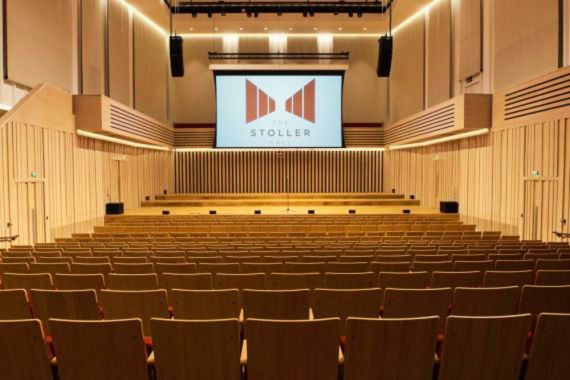
Venue information
Häufig gestellte Fragen
Wie funktioniert die Platzwahl nach Zonen in Manchester?
Bei der Buchung wählen Sie eine Zone: Vorderes Parkett (Front Stalls) oder Parkett (Stalls). Danach nehmen Sie einen beliebigen freien Platz in dieser Zone. Die Plätze innerhalb einer Zone sind nicht nummeriert. Kommen Sie also zum Einlass um 18:45 Uhr, dann haben Sie die größte Auswahl.
Das Vordere Parkett umfasst die Reihen direkt vor der Bühne: £30 Frühbucherpreis bis zum 5. November, danach £35. Das Parkett liegt dahinter: £25 Frühbucherpreis, danach £30. Studierendentickets kosten £15. Der Balkon ist bei diesem Konzert geschlossen.
What is KalaSudha's A Hundred Strings tour, who plays on it and where does it go?
A Hundred Strings is KalaSudha's tour of sitar, santoor and tabla. The name comes from the santoor, the hundred-stringed instrument of Kashmir.
The tour brings the sitar player Adnan Khan and the santoor player Vinay Desai together with the tabla player Ustad Akram Khan. In Manchester, Ustad Shahbaz Hussain also plays tabla. The sitar is plucked and slides between notes; the santoor is struck and cannot slide, so it moves in runs.
The tour plays Oxford, Manchester, Bournemouth and London.
How do I get to The Stoller Hall in Manchester by train, tram, bus or car?
Take a train or tram to Manchester Victoria. The Stoller Hall stands on Hunts Bank in Manchester's Medieval Quarter, opposite Victoria Station, and the Victoria Metrolink stop is 150 metres away, a two-minute walk. Use the Hunts Bank entrance. Buses stop on Corporation Street, 250 metres from the hall.
If you drive, Q-Park Deansgate North (M3 7WJ) is the nearest car park, a five-minute walk, with 23 accessible spaces. APCOA Printworks also has accessible spaces. Victoria Station's accessible drop-off point is 30 metres from the Hunts Bank entrance. For step-free routes and wheelchair spaces, see step-free access at The Stoller Hall.
Is The Stoller Hall in Manchester wheelchair accessible, with a lift to the stalls, accessible toilets and a hearing loop?
Yes. The Stoller Hall in Manchester has level access from the front doors, with stairs or a lift down to the stalls entrance, about 30 metres in all. Accessible toilets are 25 metres from the doors, and the main Stoller Hall auditorium has a hearing loop.
Join the venue's Access Scheme in advance to book wheelchair spaces and a free ticket for a personal assistant. The Stoller Hall box office takes Access Scheme bookings on 0333 130 0967; call to confirm before you travel. KalaSudha last checked these details in September 2026. For accessible parking and drop-off, see how to get to The Stoller Hall.
Where can I hear live Indian classical music in Manchester, and how do I hear about new KalaSudha dates there?
KalaSudha presents Indian classical music in Manchester at The Stoller Hall, and lists each Manchester concert on its Manchester page. To hear about new dates, press Register for updates there or join the KalaSudha newsletter.
The Stoller Hall is on Hunts Bank, Manchester M3 1DA, opposite Manchester Victoria Station. The hall is part of Chetham's School of Music. It opened in 2017 and seats up to 482; Arup designed its acoustics around a box-within-a-box build.
For booking, see how to find and book Manchester concerts; for trains, Metrolink and parking, see getting to The Stoller Hall.
Who is the sitar player Adnan Khan, who taught him, and what is distinctive about his playing?
Adnan Khan is a Grammy-nominated sitar player from Delhi who works in the gayaki ang, the approach that shapes the instrument after the singing voice. He took his first lessons from his maternal grandfather, the late Zafar Ahmed Khan, and trains with his father, the sitar player Saeed Khan. His uncle, the khayal singer Mashkoor Ali Khan, taught him the gayaki ang at the ITC Sangeet Research Academy in Kolkata. Melody leads in his playing, and a raga's notes keep their shape through his fastest runs.
Who is the santoor player Vinay Desai, who taught him, and how does he play?
Vinay Desai plays the santoor, the hundred-stringed instrument of Kashmir, struck with two light curved mallets. He studied with Shivkumar Sharma, who received the Padma Vibhushan, through Sharma's final years. A struck string cannot bend, so his expression comes from where the strokes fall and how they are spaced. His concerts open slow, with no beat at all, until the raga has a shape. Then the tabla comes in, and the close is fast.
How do the sitar and the santoor differ in how they are built, how they are played and how they sound?
The sitar is plucked and slides between notes. The santoor is struck and cannot slide, so it moves in runs and repeated strokes.
The sitar is a long-necked lute with a gourd body, movable curved frets and sympathetic strings beneath the playing strings. The santoor is the hundred-stringed instrument of Kashmir: a flat wooden box strung with metal strings, struck with a pair of light wooden mallets.
On the sitar you hear a phrase held and bent, the way a singer does. On the santoor each note rings on after the hand has moved. See what is a sitar and what is a santoor.
What is the Ajrara (Ajrada) gharana of tabla, where did it begin, and what is it known for?
The Ajrara gharana, also spelt Ajrada, is a school of tabla that arose in the late 18th or early 19th century in the village of Ajrara, in Meerut district. Most accounts trace it to two brothers, Kallu Khan and Miru Khan, who learnt in Delhi, making it an offshoot of the Delhi gharana. Its players add the ring finger to the Delhi technique. It is best known for qaidas, themes with set variations, in aad laya, three strokes to every two beats. Ustad Akram Khan plays in the gharana today.
How do I get my ticket?
When you book on kalasudha.com, your KalaSudha confirmation email carries your ticket. Show it on your phone at the door, or bring a printout if you prefer paper.
If the email has not arrived, check your spam folder first. If it is still missing, write to [email protected] and we will send your ticket again.
Can no longer come? See refunds. Event moved or cancelled? See cancellations and date changes. Planning the night? See when to arrive.
Have more questions? Contact our support team and we'll be happy to help!