

A Hundred Strings à Oxford : deux cordes, une pulsation
- #Oxford
- #En présentiel
- NOV 18, 2026
- Mercredi
- 7:00 PM
- 2 heures, 30 minutes
- Holywell Music Room
- Oxford, Royaume-Uni
Obtenez vos billets
Prix du billet
€23.98 €35.97
* Student tickets: €25.18. Including booking fee.

Promo reels
Résumé de l'événement
Artistes sur scène
Temps forts de l'événement
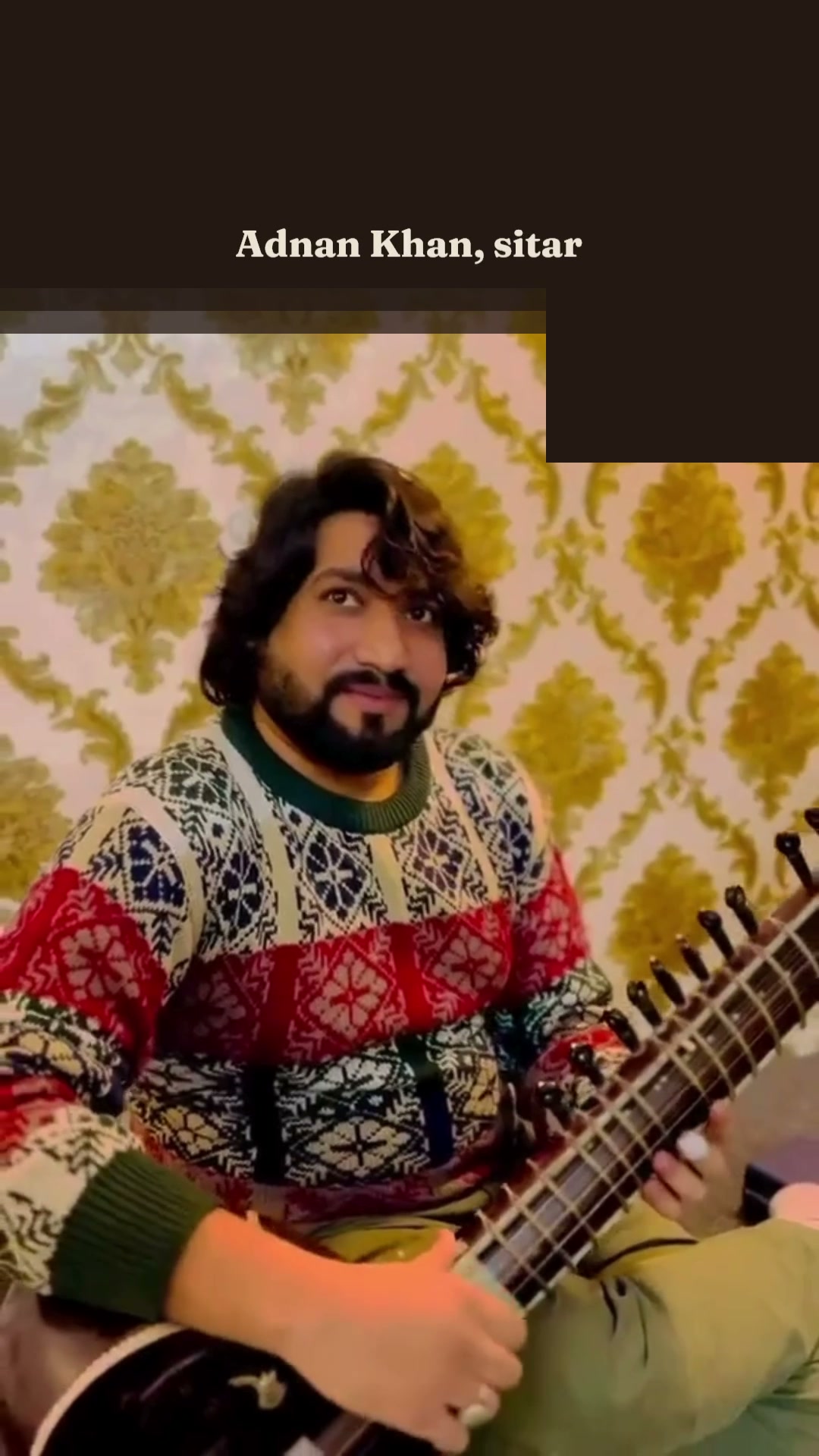
Adnan Khan on Sitar
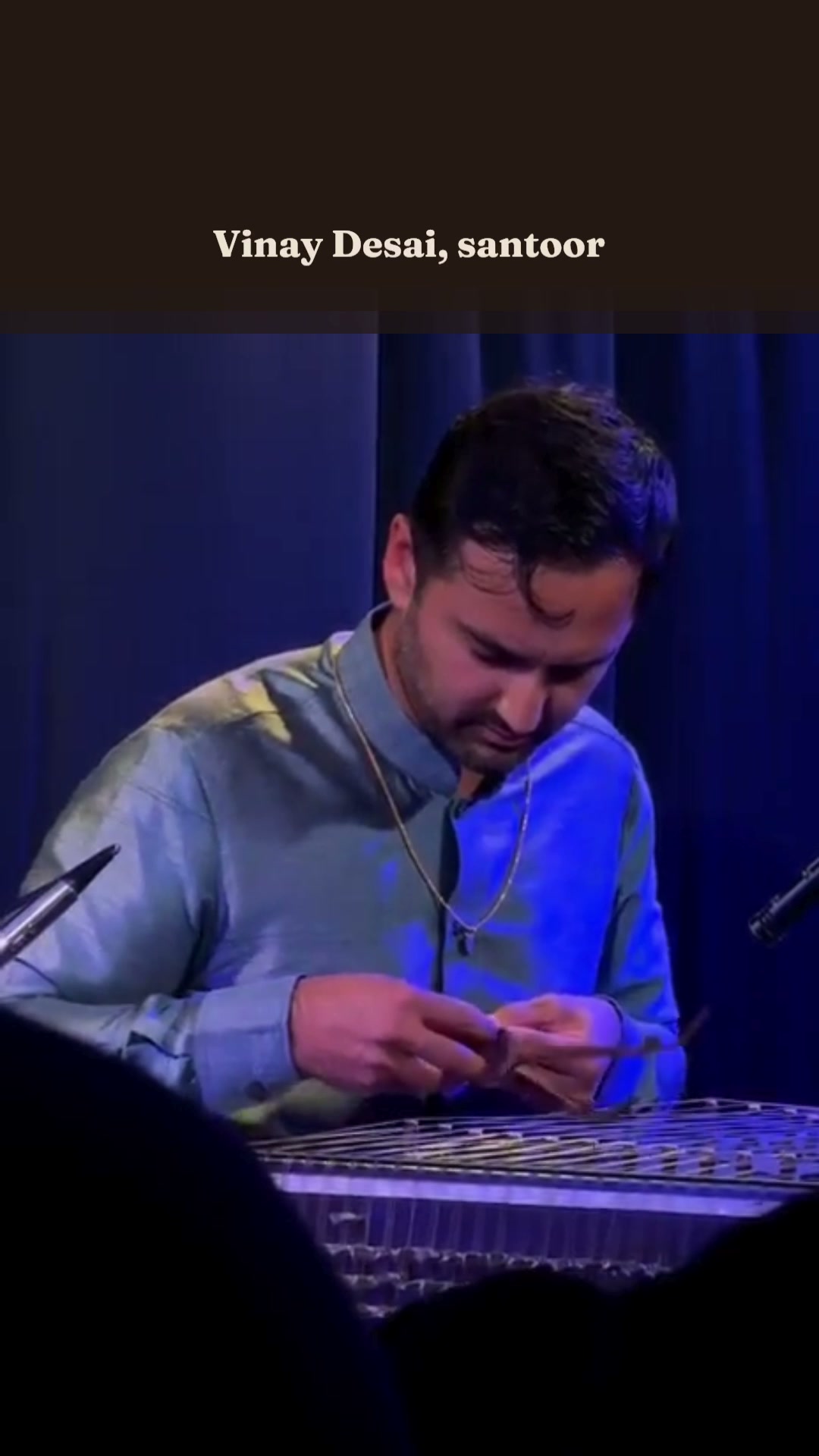
Vinay Desai on Santoor
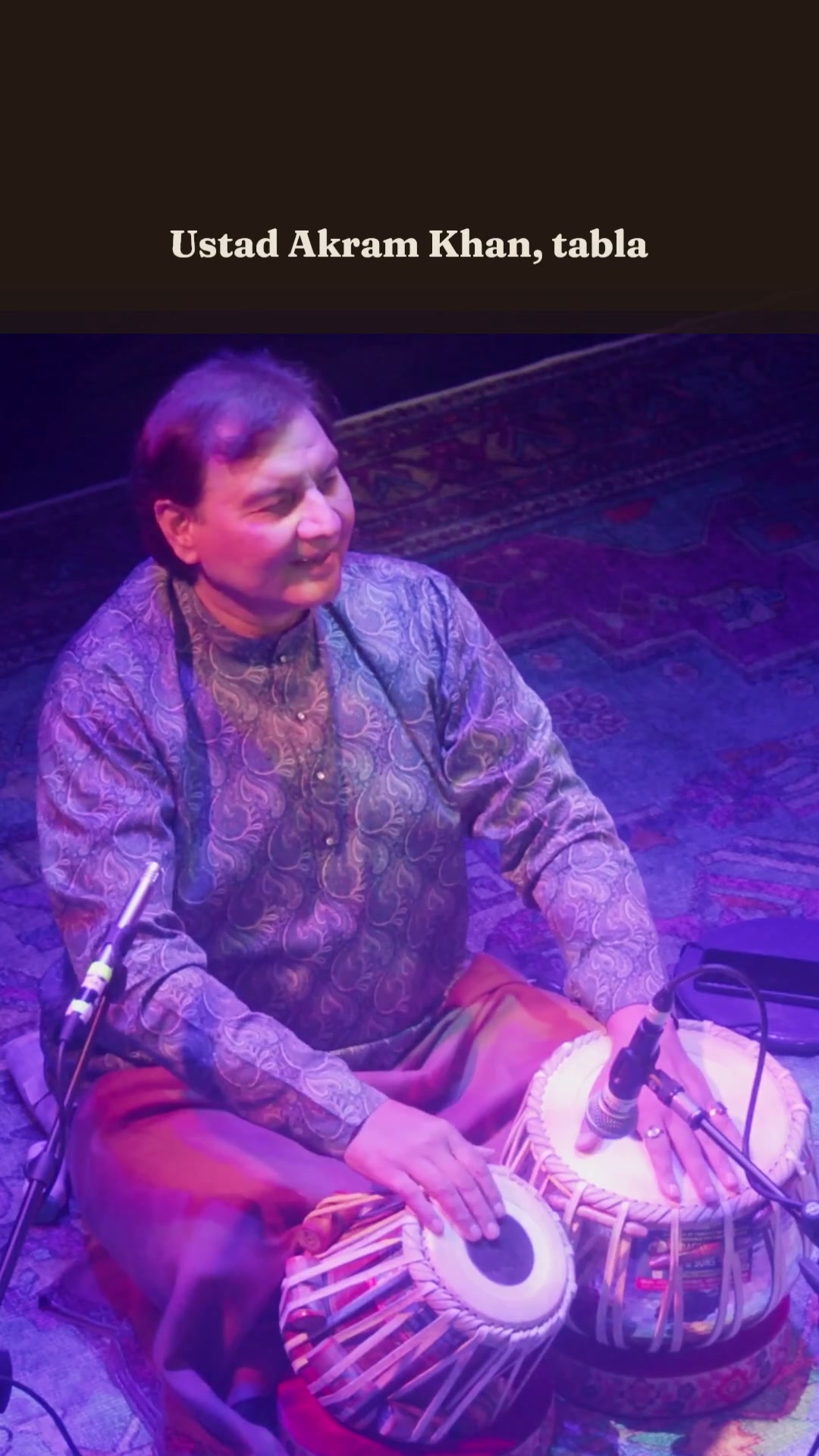
Ustad Akram Khan on Tabla
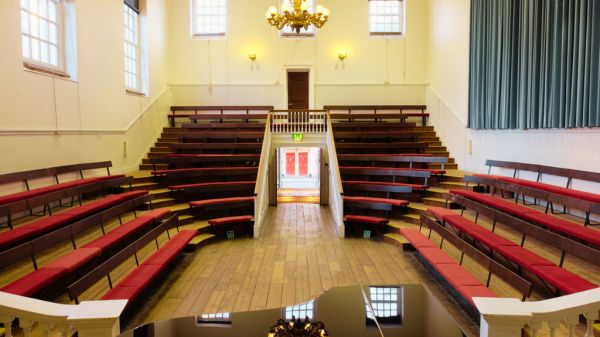
Back at the Holywell Music Room
-
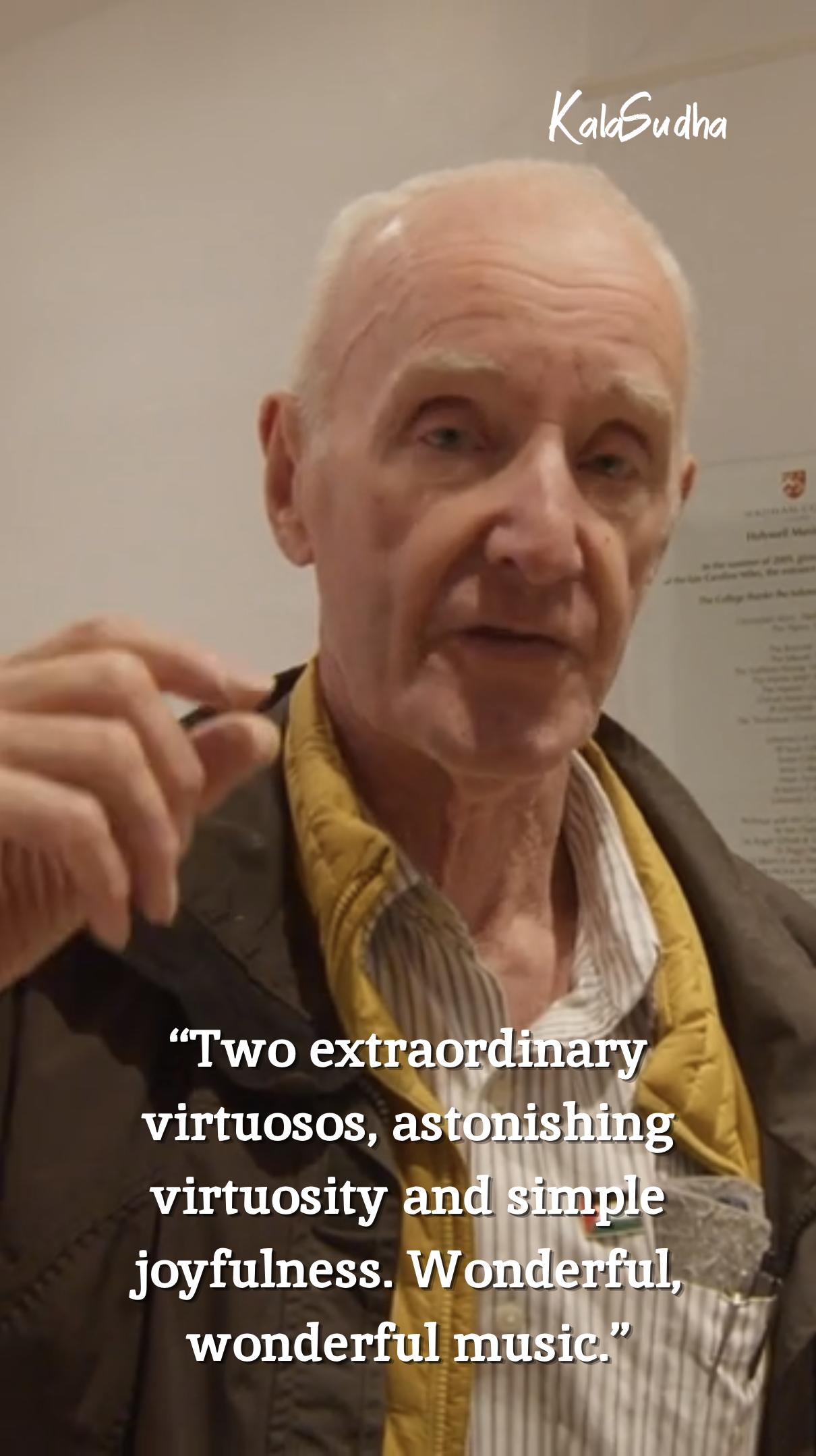
Oxford Raga Unison: Duet of Winds and Drums
-
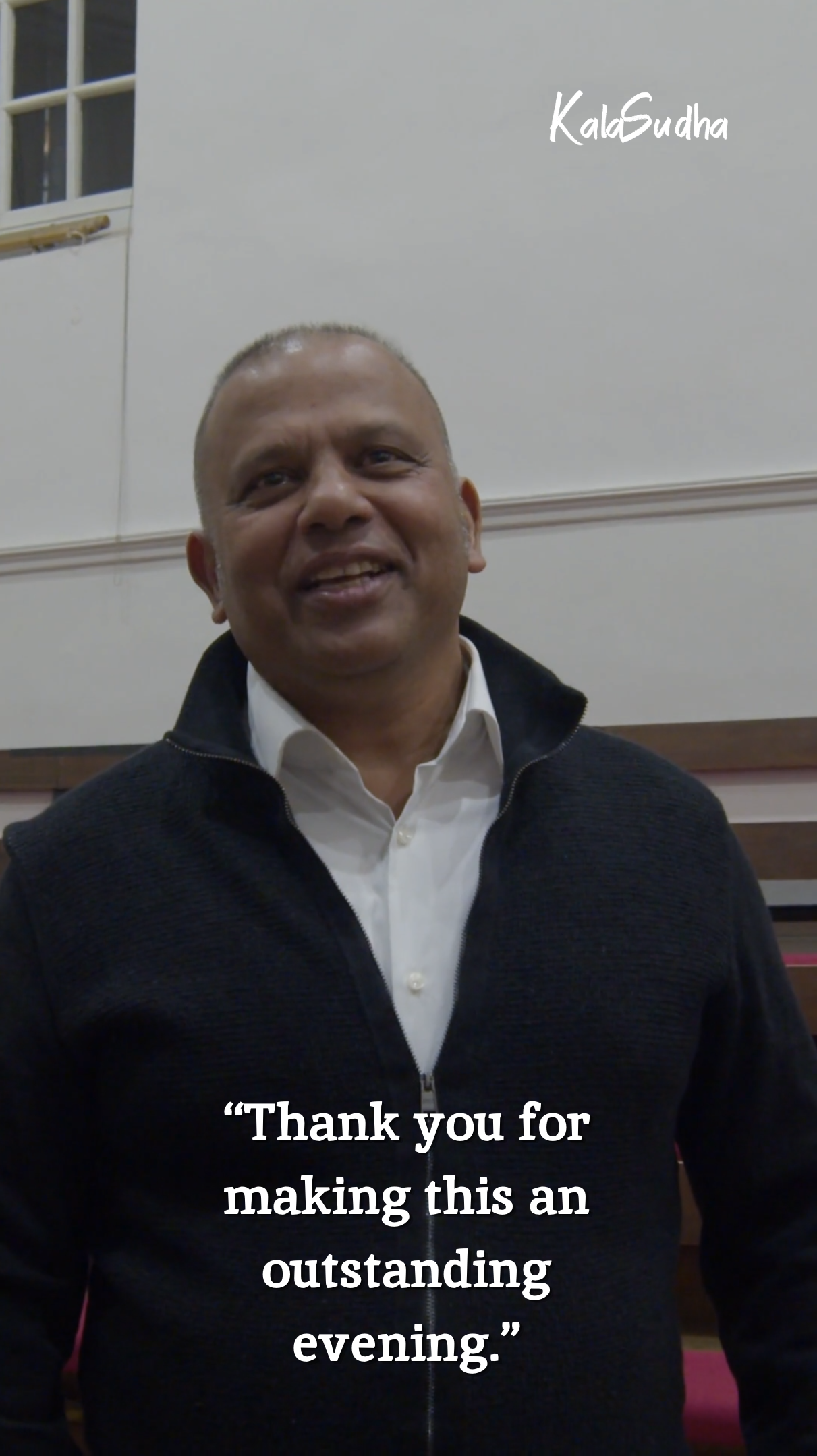
Oxford Raga Unison: Duet of Winds and Drums
-
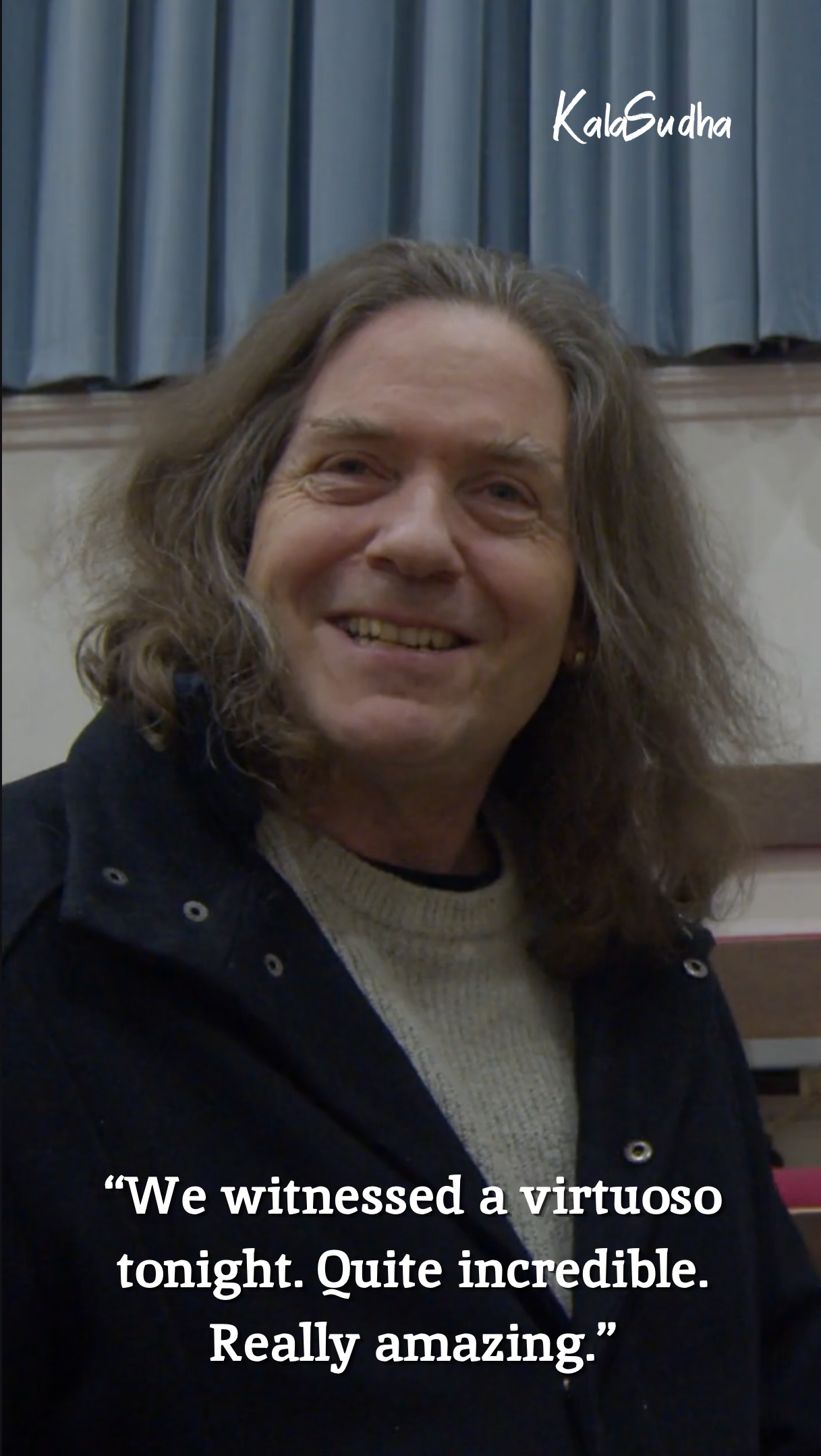
Oxford Raga Unison: Duet of Winds and Drums
-
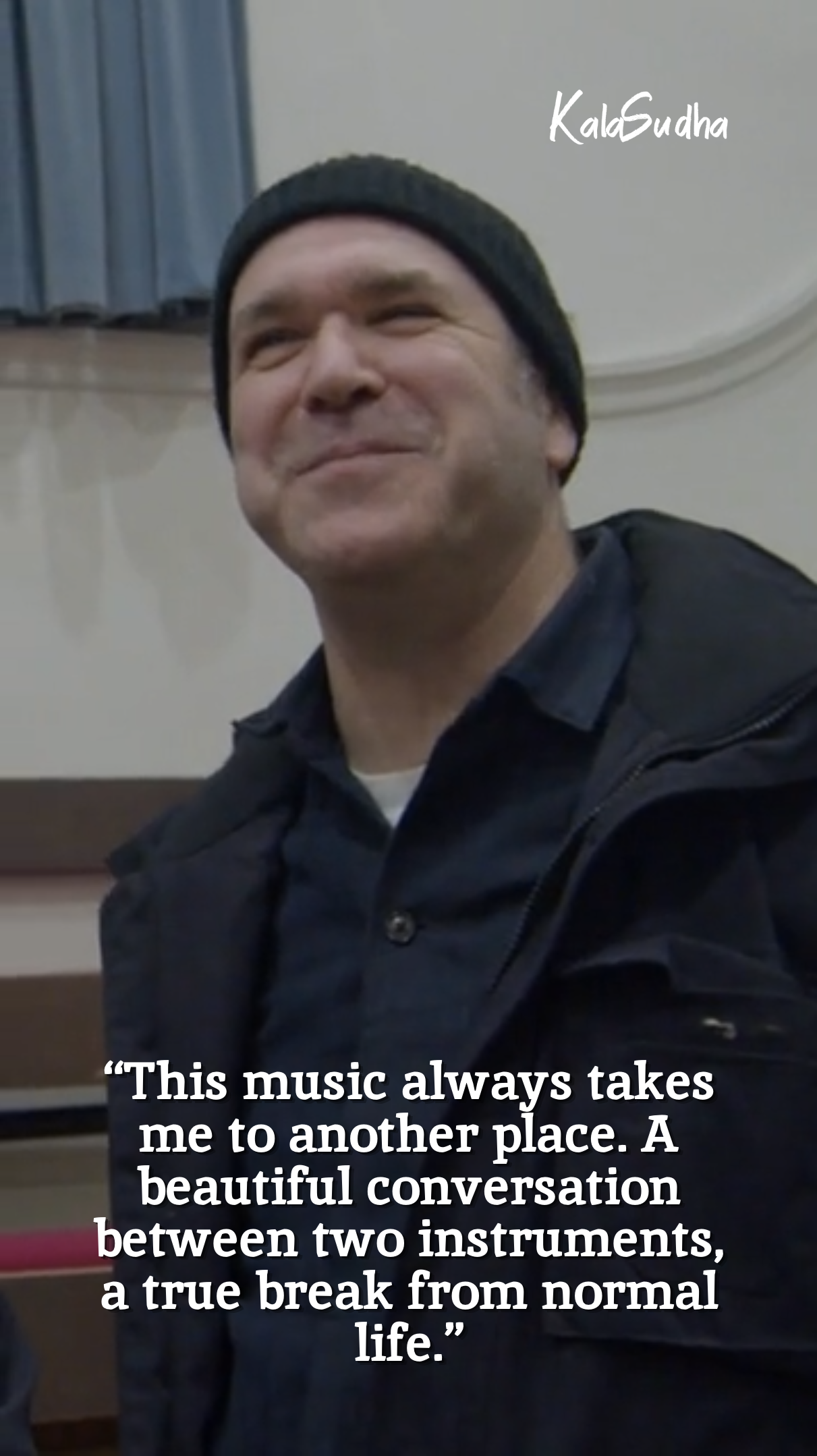
Oxford Raga Unison: Duet of Winds and Drums
-
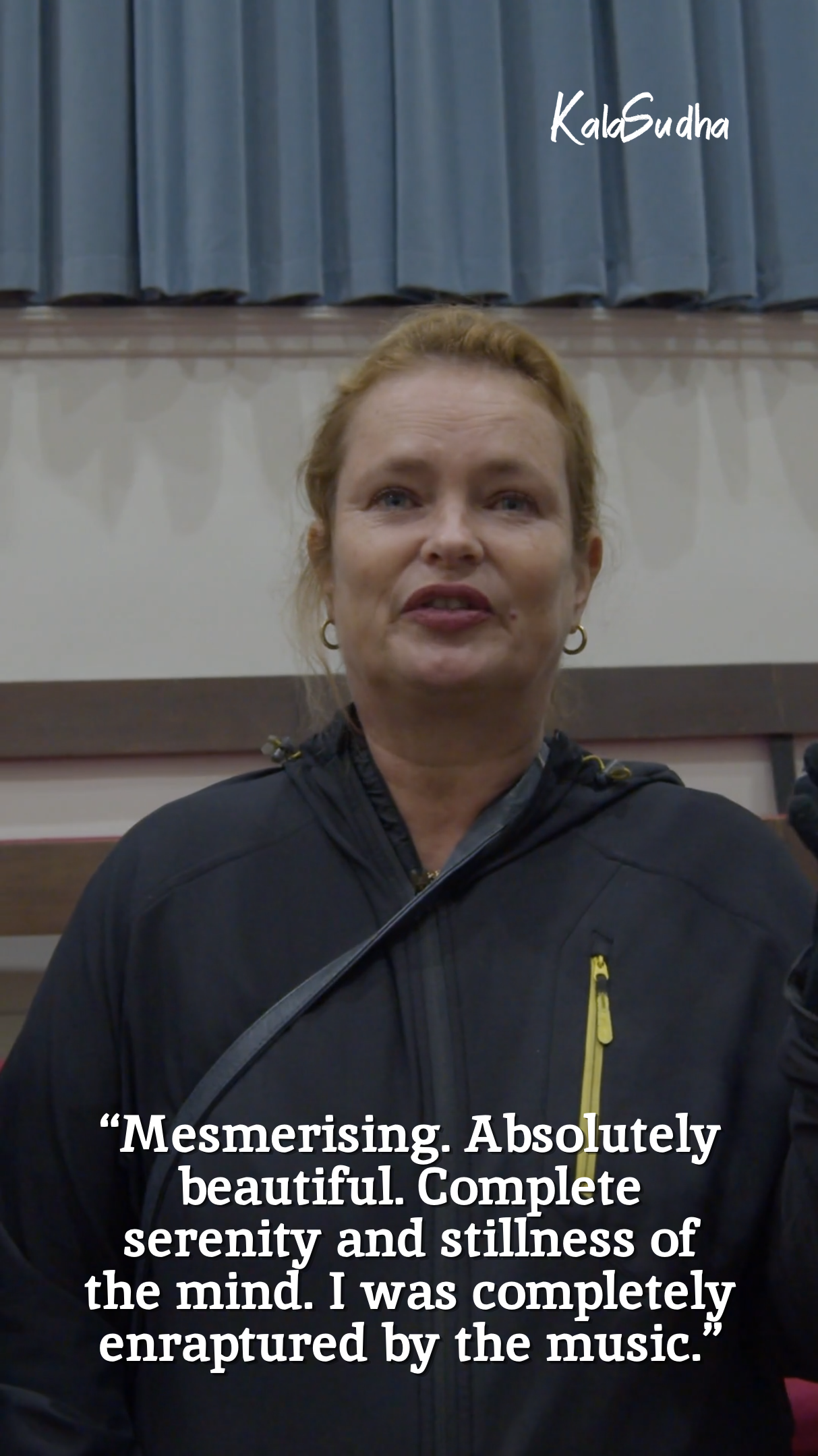
Oxford Raga Unison: Duet of Winds and Drums
Artistes sur scène
-
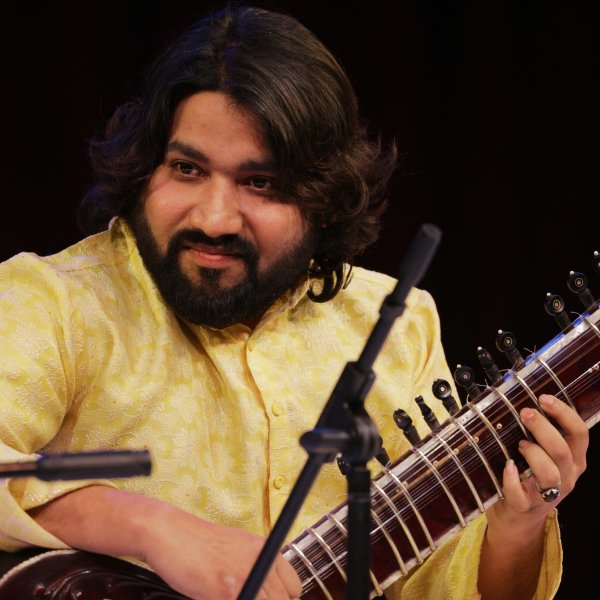 Adnan Khan
-
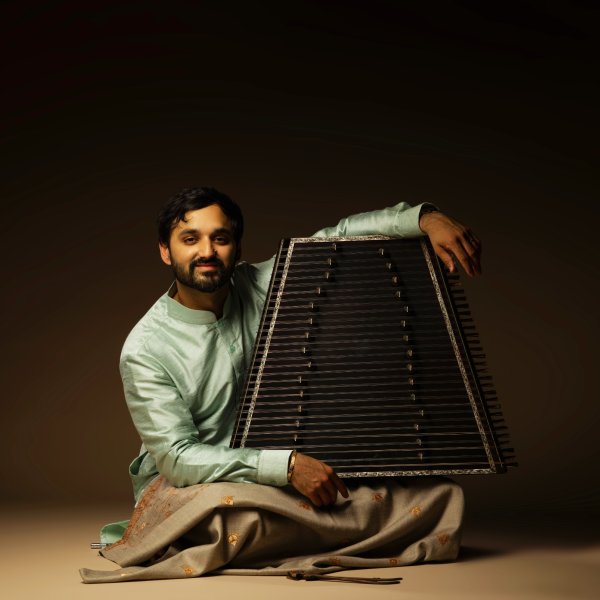 Vinay Desai
-
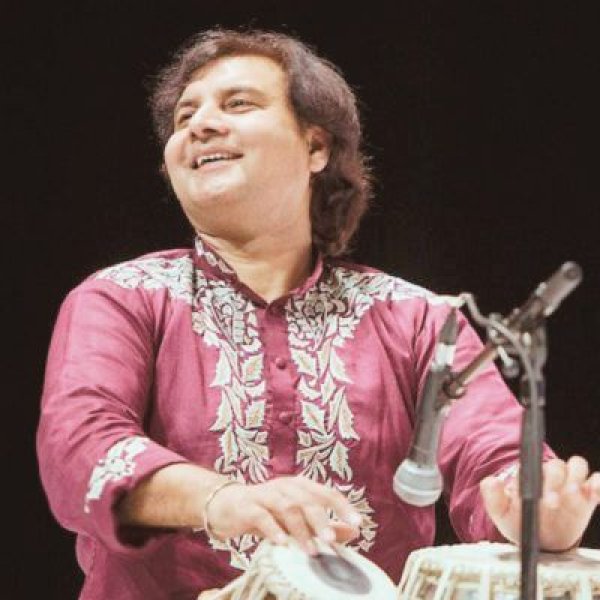 Akram Khan


Détails de l'événement
Le 18 novembre, nous revenons à la Salle de musique Holywell avec A Hundred Strings à Oxford : deux cordes, une pulsation, un an après que Raga Unison y a réuni bansuri et tabla. Cette fois, trois musiciens sur scène, et deux manières de jouer un raga sur des cordes.
Adnan Khan, sitariste nommé aux Grammy Awards, joue dans le style gayaki ang, qui façonne l'instrument sur le modèle de la voix chantée. Il a reçu ses premières leçons de son grand-père, le regretté Ustad Zafar Ahmed Khan, et se forme toujours auprès de son père, le sitariste Ustad Saeed Khan.
Vinay Desai joue du santour, l'instrument à cent cordes du Cachemire, en disciple direct de Pandit Shivkumar Sharma, lauréat du Padma Vibhushan. Le sitar se pince et glisse d'une note à l'autre. Le santour se frappe et ne peut pas glisser : il avance par traits rapides. Les deux instruments partagent un même raga et le parcourent par des chemins différents.
Ustad Akram Khan tient le tabla pendant les deux parties. Il représente la septième génération de sa famille dans l'Ajrada Gharana. Formé d'abord par son arrière-grand-père, Ustad Mohammad Shafi Khan, puis par Ustad Niazu Khan, il enseigne plus de quinze kaydas classiques de ce gharana.
Ouverture des portes à 18 h 45, début du concert à 19 h. Le programme détaillé suivra.
Venue information
Questions fréquentes
What is KalaSudha's A Hundred Strings tour, who plays on it and where does it go?
A Hundred Strings is KalaSudha's tour of sitar, santoor and tabla. The name comes from the santoor, the hundred-stringed instrument of Kashmir.
The tour brings the sitar player Adnan Khan and the santoor player Vinay Desai together with the tabla player Ustad Akram Khan. In Manchester, Ustad Shahbaz Hussain also plays tabla. The sitar is plucked and slides between notes; the santoor is struck and cannot slide, so it moves in runs.
The tour plays Oxford, Manchester, Bournemouth and London.
How do I get to the Holywell Music Room on Holywell Street in Oxford, and who do I ask about parking or step-free access?
To reach the Holywell Music Room, head for Holywell Street in Oxford city centre, postcode OX1 3SB. The room is part of Wadham College, which lists it at https://events.wadham.ox.ac.uk/holywell-music-room. If you need parking or step-free access, write to [email protected] before you book, or read who to talk to about access needs. To book a seat, see how to find and book KalaSudha concerts in Oxford.
Is the Holywell Music Room in Oxford accessible for wheelchair users and people with other access needs, and who should I contact about it?
The Holywell Music Room has a ramped main entrance on a loose gravel path, level access to the auditorium and one accessible toilet, according to the Oxford University AccessGuide.
Wheelchair spaces and hearing-loop provision are limited. If you need either, or have other access needs, contact KalaSudha before you book.
Where can I hear live Indian classical music in Oxford, and where are KalaSudha's Oxford concerts listed?
KalaSudha presents Indian classical music in Oxford at the Holywell Music Room on Holywell Street, part of Wadham College. The room dates from 1748, and Wadham calls it "the oldest custom-built concert hall in Europe".
The KalaSudha Oxford page lists each Oxford concert with its Book Tickets button; press Register for updates there to hear about new dates. For directions, see getting to the Holywell Music Room.
KalaSudha has presented Oxford Raga Unison at the Holywell Music Room.
Who is the sitar player Adnan Khan, who taught him, and what is distinctive about his playing?
Adnan Khan is a Grammy-nominated sitar player from Delhi who works in the gayaki ang, the approach that shapes the instrument after the singing voice. He took his first lessons from his maternal grandfather, the late Zafar Ahmed Khan, and trains with his father, the sitar player Saeed Khan. His uncle, the khayal singer Mashkoor Ali Khan, taught him the gayaki ang at the ITC Sangeet Research Academy in Kolkata. Melody leads in his playing, and a raga's notes keep their shape through his fastest runs.
Who is the santoor player Vinay Desai, who taught him, and how does he play?
Vinay Desai plays the santoor, the hundred-stringed instrument of Kashmir, struck with two light curved mallets. He studied with Shivkumar Sharma, who received the Padma Vibhushan, through Sharma's final years. A struck string cannot bend, so his expression comes from where the strokes fall and how they are spaced. His concerts open slow, with no beat at all, until the raga has a shape. Then the tabla comes in, and the close is fast.
How do the sitar and the santoor differ in how they are built, how they are played and how they sound?
The sitar is plucked and slides between notes. The santoor is struck and cannot slide, so it moves in runs and repeated strokes.
The sitar is a long-necked lute with a gourd body, movable curved frets and sympathetic strings beneath the playing strings. The santoor is the hundred-stringed instrument of Kashmir: a flat wooden box strung with metal strings, struck with a pair of light wooden mallets.
On the sitar you hear a phrase held and bent, the way a singer does. On the santoor each note rings on after the hand has moved. See what is a sitar and what is a santoor.
What is the Ajrara (Ajrada) gharana of tabla, where did it begin, and what is it known for?
The Ajrara gharana, also spelt Ajrada, is a school of tabla that arose in the late 18th or early 19th century in the village of Ajrara, in Meerut district. Most accounts trace it to two brothers, Kallu Khan and Miru Khan, who learnt in Delhi, making it an offshoot of the Delhi gharana. Its players add the ring finger to the Delhi technique. It is best known for qaidas, themes with set variations, in aad laya, three strokes to every two beats. Ustad Akram Khan plays in the gharana today.
Comment recevoir mon billet ?
Votre e-mail de confirmation contient le billet. Présentez-le sur votre téléphone à l'entrée de la salle, ou apportez une version imprimée si vous préférez le papier.
Si l'e-mail n'est pas arrivé, vérifiez d'abord votre dossier de courrier indésirable. S'il reste introuvable, écrivez-nous à [email protected] et nous vous le renverrons.
When should I arrive?
Arrive at the door time shown on the KalaSudha event page. Doors open before the music starts, so you can find a seat and settle before the first note. All times are UK local time.
When the programme opens with a raga, the first section is the alap, the slow, free-tempo opening of the raga. Arriving after the start time means walking in during it.
For seating, see Is seating allocated? If this is your first Indian classical concert, read what to expect as a newcomer.
Have more questions? Contact our support team and we'll be happy to help!