

Cambridge Ragas: Resonance of Sitar, Slide Guitar, and Tabla
- #Cambridge
- #En présentiel
- SEP 20, 2026
- Dimanche
- 6:30 PM
- 2 heures, 30 minutes
- Cambridge Junction
- Cambridge, Royaume-Uni
Obtenez vos billets

Résumé de l'événement
Temps forts de l'événement
Pandit Debasis Chakroborty revient à Cambridge pour la troisième année
Sept générations de tradition tabla
Deux maîtres du tabla, une soirée
Le Brij Veena sur la scène de Cambridge
Le sitar ouvre la soirée
Cambridge Junction accueille la musique classique indienne pour la troisième année
Artistes sur scène
-
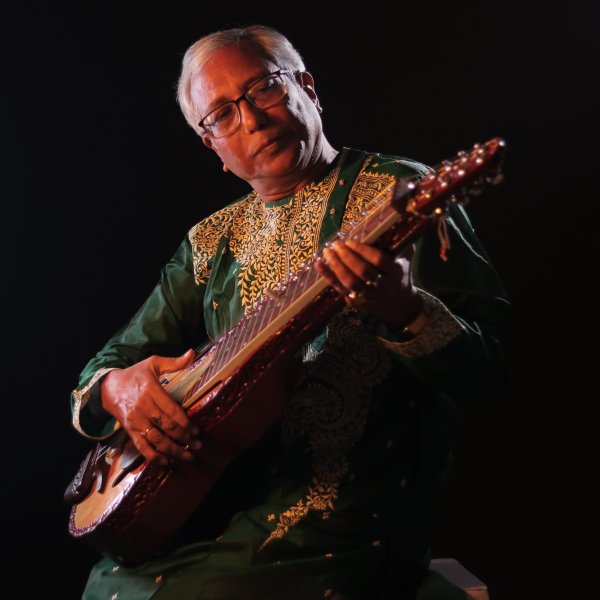 Debasis Chakroborty
-
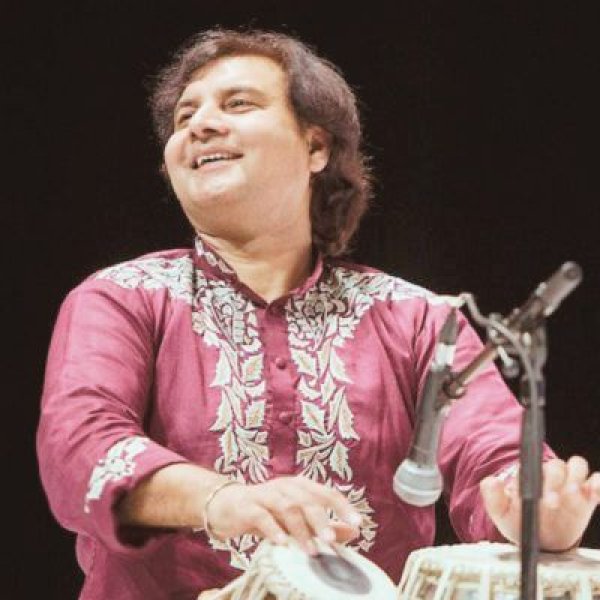 Akram Khan
-
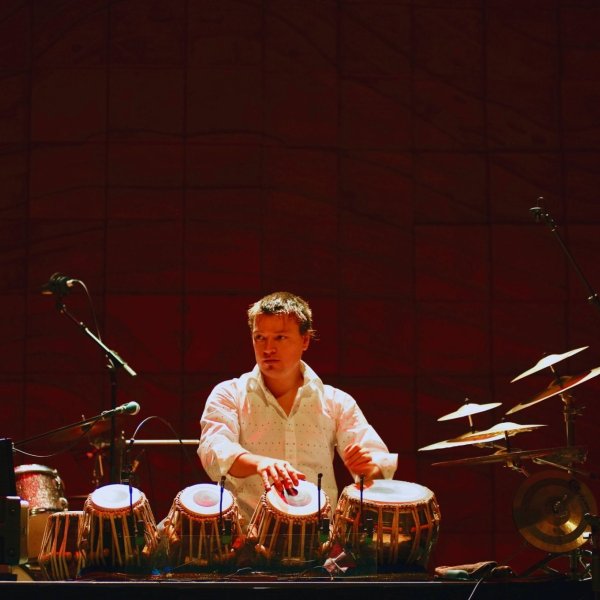 Sam Evans


Détails de l'événement
Chers amateurs de musique de Cambridge, rejoignez-nous le 20 septembre au Cambridge Junction, Clifton Way. Cette soirée extraordinaire, organisée par Kalasudha dans le cadre du Kala Festival 2026, réunit des artistes de deux générations. Laissez-vous emporter par la profondeur, l'émotion et les rythmes complexes des ragas nord-indiens, tissés par les sons du sitar, de la slide guitar et du tabla.
La soirée commence avec le récital de sitar du renommé Ustad Mehboob Nadeem. Célèbre pour sa technique exceptionnelle et ses interprétations bouleversantes, il donnera vie aux ragas anciens en tissant des motifs mélodiques complexes. Il sera accompagné au tabla par Dr Samuel Evans, venu d'Australie. La finesse rythmique du Dr Evans créera un dialogue unique entre le sitar et le tabla.
Après une courte pause, la deuxième partie présentera une autre dimension de la musique classique indienne. Pt. Debasis Chakraborty montera sur scène avec la slide guitar indienne et le Brij Veena. C'est sa troisième visite consécutive à Cambridge. Il sera accompagné par le maître de l'Ajrada Gharana, Ustad Akram Khan au tabla, dont le rythme et l'énergie offriront une conclusion inoubliable.
Cette soirée n'est pas seulement de la musique — c'est une invitation à s'arrêter, à réfléchir et à ressentir la résonance du son (Shabd). Depuis des siècles, les traditions classiques indiennes considèrent la musique comme un chemin vers la méditation et l'équilibre. Le lien profond entre musique, santé mentale et pleine conscience nous rappelle l'essentiel dans le monde d'aujourd'hui. Ce soir est une occasion de renouveau, d'élévation et de renaissance grâce au langage universel de la musique.
Si vous êtes à Cambridge ou dans les environs, venez nous rejoindre. Contactez-nous pour tout besoin particulier.
Les portes ouvrent à 18h, la musique commence à 18h30
Politique du public :
- Les enregistrements vidéo ou photographiques non autorisés sont interdits.
- L'utilisation de téléphones portables (y compris les SMS) pendant le spectacle est interdite. Merci de votre coopération !
Venue information
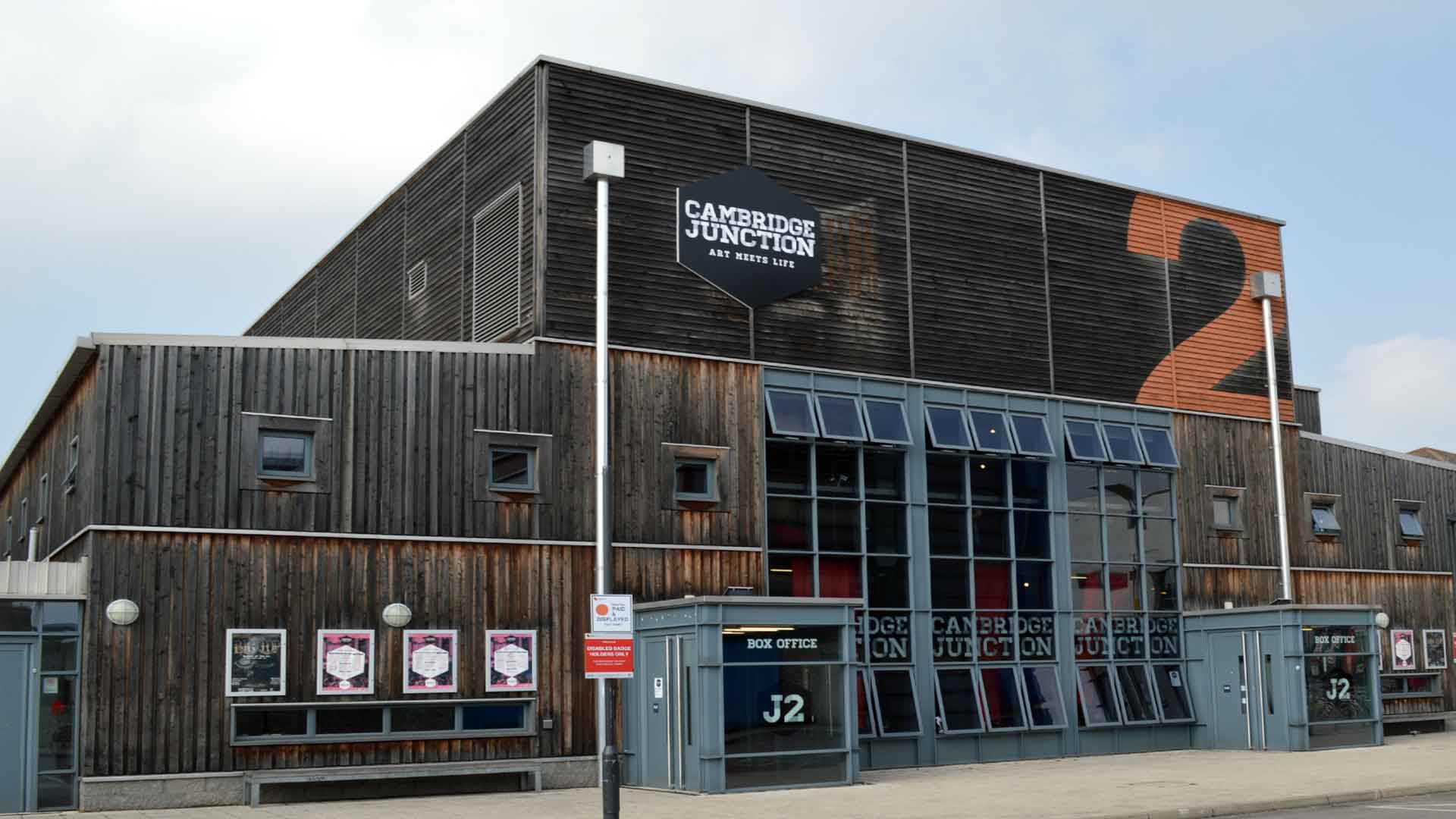
Questions fréquentes
Where is Cambridge Junction?
Cambridge Junction is a venue on Clifton Way, Cambridge CB1 7GX. The venue says it is less than 10 minutes' walk from Cambridge Railway Station.
The venue publishes its own travel and access detail on its Maps and Directions page at junction.co.uk/your-visit/maps-and-directions.
For KalaSudha concerts in the city, see Indian classical music in Cambridge.
Where can I hear live Indian classical music in Cambridge, England, which venues has KalaSudha used for its Cambridge concerts, and where are new Cambridge dates listed?
KalaSudha presents live Indian classical music in Cambridge, England, and lists each concert on its Cambridge page with a link to book. To hear when the next Cambridge date is set, read how to hear about new Cambridge concerts.
KalaSudha has presented concerts at West Road Concert Hall, Lee Seng Tee Hall at Wolfson College and Cambridge Junction. For the artists, see which artists have played Cambridge.
Who is the Indian slide guitarist Pandit Debasis Chakroborty, the senior-most disciple of Pandit Brij Bhushan Kabra?
Pandit Debasis Chakroborty is a Hindustani slide guitarist and the senior-most disciple of Pandit Brij Bhushan Kabra, and his playing reflects Kabra's style. His name is also written Debasis Chakraborty. He plays in the Senia-Maihar gharana and has taught since 1992.
He has been part of the Department of Performing Arts at Mangalayatan University since its inception, and returns to universities in Australia and the USA as a conductor-performer and artist-in-residence. He helped carry out a joint music research project between Mangalayatan University and Monash University, and has published 10 research papers.
He learned first from his father, then from Barun Kumar Pal and Jotin Bhattacharya, and in the mid-1990s studied with Kabra in Jodhpur. He is Associate Professor of Music at Mangalayatan University in Aligarh and advises government and non-government organisations as an expert.
Who is the tabla player Ustad Akram Khan, and what is his lineage?
Ustad Akram Khan is a tabla player and the seventh generation of his family in the Ajrara gharana. His father was Hashmat Ali Khan. As a boy he trained first with his great-grandfather, Mohammad Shafi Khan, and later with Niazu Khan. For over four decades he has kept the gharana's repertoire alive, and he preserves more than 15 of its classic qaidas through his teaching and concerts. He made his international debut in Norway in 1987 and has played on All India Radio more than 800 times.
He also learned from his father, Hashmat Ali Khan, and he has accompanied Ustad Vilayat Khan.
What is an Indian slide guitar, how is it played, and where can I learn it?
The Indian slide guitar is a guitar laid flat across the lap and stopped with a steel bar instead of fingers on frets. It is an instrument of Hindustani classical music, the classical music of North India. Sympathetic strings ring underneath the melody unstruck, and the player plucks extra drone (chikari) strings.
The bar never leaves the string, so one note travels into the next without a break. For its history and players, see the Indian slide guitar page. You can learn it with KalaSudha in the online academy.
What is the Ajrara (Ajrada) gharana of tabla, where did it begin, and what is it known for?
The Ajrara gharana, also spelt Ajrada, is a school of tabla that arose in the late 18th or early 19th century in the village of Ajrara, in Meerut district. Most accounts trace it to two brothers, Kallu Khan and Miru Khan, who learnt in Delhi, making it an offshoot of the Delhi gharana. Its players add the ring finger to the Delhi technique. It is best known for qaidas, themes with set variations, in aad laya, three strokes to every two beats. Ustad Akram Khan plays in the gharana today.
Have more questions? Contact our support team and we'll be happy to help!