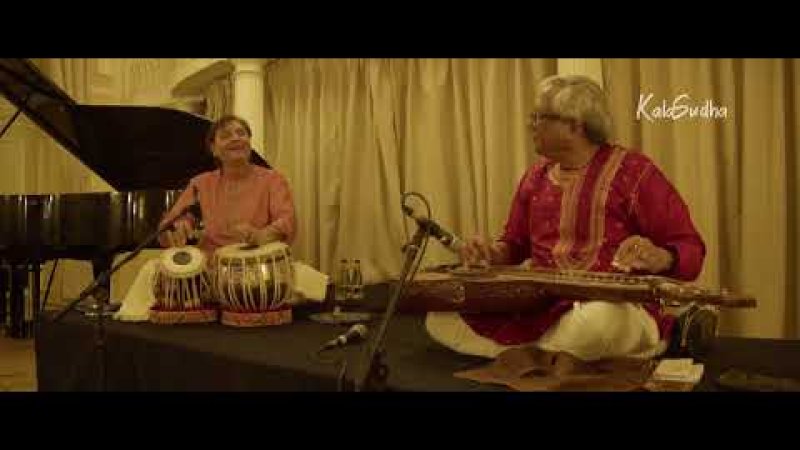
A Hundred Strings in Oxford: Two Strings, One Pulse
Adnan Khan · Vinay Desai · Akram Khan
Holywell Music Roomवाद्य
Raga and tala voiced through strings, wind, drums and solid percussion.
Indian classical instrumental music, or vadya, spans strings, wind, and percussion across the Carnatic and Hindustani traditions, each instrument shaped to carry raga and tala.
The earliest surviving systematic account of Indian instruments is the Natya Shastra, attributed by tradition to the sage Bharata and compiled between about 200 BCE and 200 CE. It sorts instruments into the four families still taught today; the musicologist Rowell holds that the four groups are older than the text. In the 13th century Sarngadeva wrote the Sangita Ratnakara, whose sixth chapter treats instruments (vadya). Scholars disagree on when north and south parted. One view links the split to Persian and Islamic influence from the 12th century; another finds a clear division only by the 16th and 17th centuries. Several instruments heard in concert today arrived later. The sitar and tabla rose in the 18th century, the sarod grew from the Afghan rubab in the 19th, and the violin reached south Indian music from Europe in the late 18th or early 19th century. Tyagaraja, Muthuswami Dikshitar and Syama Sastri, the Carnatic Trinity, composed across the same decades.
A constant drone sounds beneath the melody. In Hindustani music the tanpura, or an electronic drone, sounds Sa, the tonic, with Pa or Ma, and the music has no chord changes.
Players shape the melody as a singer would. Sitar, sarod, sarangi and santoor players render vocal ornaments such as meend, a glide between notes. Carnatic players render the gamakas proper to their instrument; a gamaka is the oscillation or inflection of a note. A Hindustani instrumental performance customarily opens with an unmetred alap, gathers a steady pulse in jor, speeds into jhala and then turns to a gat, a composition for the instrument, with tabla. Carnatic players improvise within raga and tala through forms such as raga alapana and kalpana swara, passages improvised on the note names.
Players learn the ornaments and the improvising over years of face-to-face study with a guru. In the north that teaching passes through the gharana, a lineage linked by family or apprenticeship and by a shared style, such as the Imdadkhani school of sitar and surbahar.
Experience live performances and concerts celebrating Instrumental
Adnan Khan · Vinay Desai · Akram Khan
Holywell Music Room
Adnan Khan · Vinay Desai · Akram Khan
Holywell Music Room
Adnan Khan · Vinay Desai · Akram Khan
Holywell Music Room
Adnan Khan · Vinay Desai · Akram Khan · Shahbaz Hussain
The Stoller Hall
Adnan Khan · Vinay Desai · Akram Khan · Shahbaz Hussain
The Stoller Hall
Adnan Khan · Vinay Desai · Akram Khan · Shahbaz Hussain
The Stoller HallDive deeper into specific aspects of this discipline
Carnatic instrumental music is South Indian classical music played on veena, violin, flute and mridangam. Instrumentalists play the same songs as singers, in a singing style.
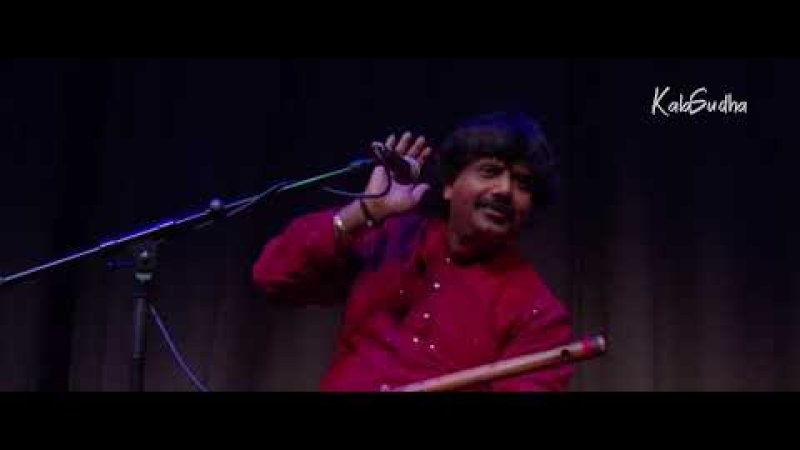
Hindustani classical instrumental music is North Indian raga music played on instruments such as sitar, sarod, sarangi, bansuri and tabla, each with its own technique.
Popular sub-disciplines within this tradition
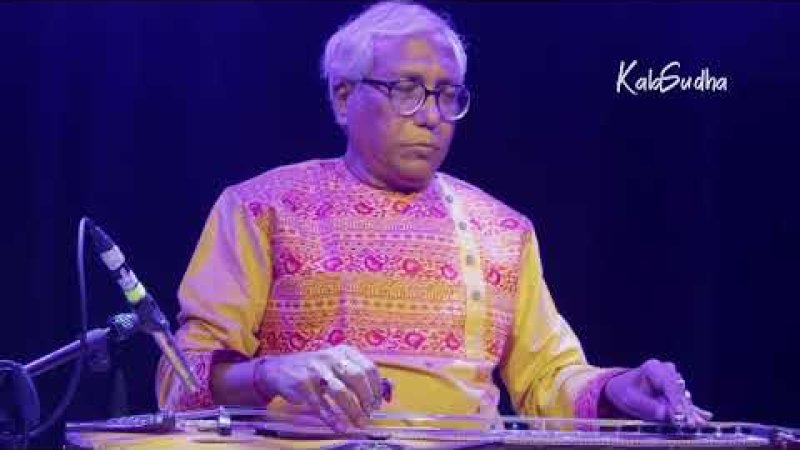
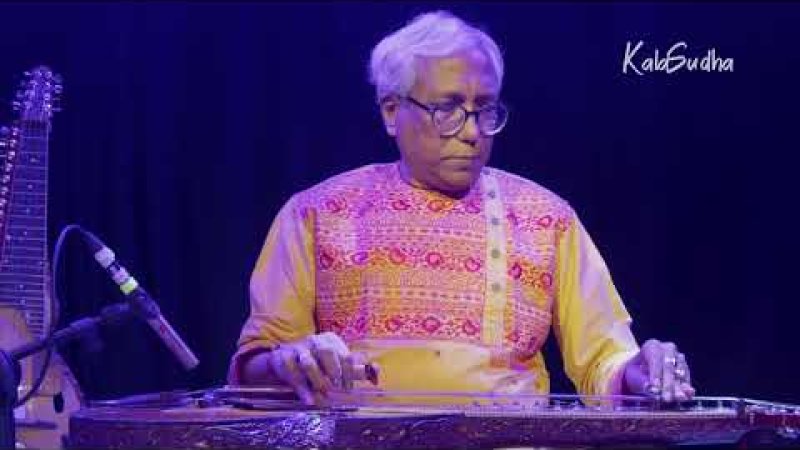
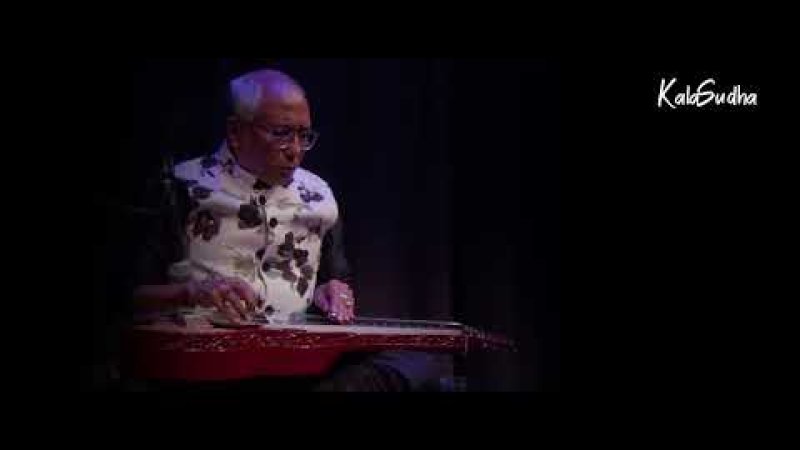
Indian slide guitar plays Hindustani raga on a guitar laid across the lap, with a slide bar and finger picks. Learn bar control, pitch by ear and plucking in phrases.
Rudra veena (been or bin): a plucked tube zither tied to dhrupad. Learn the pluck, the sideways string pull at the fret called meend, and raga phrasing.

The Saraswati veena is the 24-fret plucked lute of Carnatic music, with a jackwood body and seven strings, named after Saraswati, goddess of learning and music.
The sitar is a plucked, fretted, long-necked lute of Hindustani classical music, with movable frets, sympathetic strings and a gourd body, played with a wire mizrab.
Audio and video performances
Discover renowned Instrumental performers and maestros

Tabla

Sarangi

Sitar

Piano

Bansuri (Flute)

Tabla
Explore our archive of Instrumental performances

Debasis Chakroborty · Akram Khan
The Tate Institute
Debasis Chakroborty · Akram Khan
The Tate Institute
Debasis Chakroborty · Akram Khan · Alokparna Guha
The Bhavan
Debasis Chakroborty · Akram Khan · Alokparna Guha
The Bhavan
Debasis Chakroborty · Akram Khan · Sam Evans
Cambridge Junction
Debasis Chakroborty · Akram Khan · Sam Evans
Cambridge Junction
Debasis Chakroborty · Akram Khan · Sam Evans
Cambridge Junction
Giuliano Modarelli · Debasis Chakroborty · Sam Evans · R. N. Prakash
St Andrew's Hall, Norwich
Giuliano Modarelli · Debasis Chakroborty · Sam Evans · R. N. Prakash
St Andrew's Hall, NorwichIt seems that you are in
Visit KalaSudhaWe usually reply within a few hours
Loading article…
We could not load this article. Please try again later.
Was this helpful?
Thanks for the feedback
Still need help?
This conversation is resolved — reply to reopen
Topic
Answers come from KalaSudha.com. For anything else, talk to the team.
We email a six-digit code. Enter it here, never in a chat message.