

Laboratorio di bansuri a Londra con Pandit Ajay Prasanna
- #Londra
- #In presenza
- AGO 19, 2026
- Mercoledì
- 6:00 PM
- 3 ore
- The Tate Institute
- Londra, Regno Unito
Acquista i tuoi biglietti

Riepilogo dell'evento
Momenti salienti dell'evento
Imparare da un maestro di bansuri candidato ai Grammy
Una stirpe lunga tre generazioni
Tutti nella stessa sala
Tre ore, dal respiro al taal
£40 fino al 12 agosto, poi £50
Continuare quando la sala si svuota
Facilitators
-
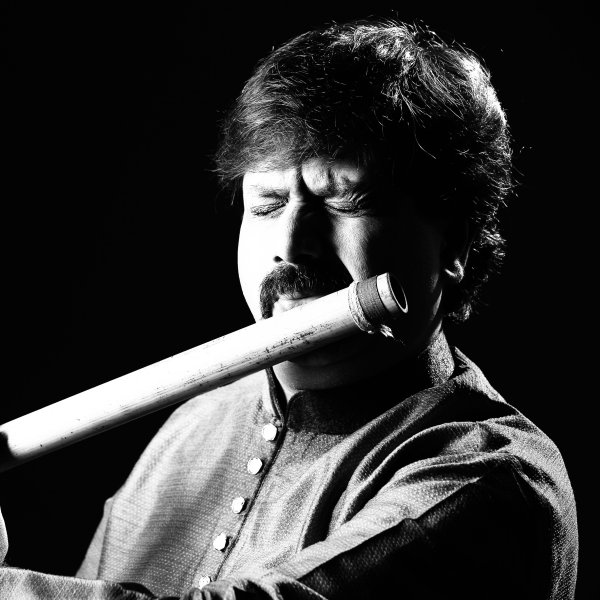 Ajay Prasanna

Dettagli dell'evento
Pandit Ajay Prasanna insegna a Londra mercoledì 19 agosto, la sera prima del suo concerto London Ragas nella stessa sala. Quattro candidature ai Grammy, il Global Indian Music Award, un bansuri nell'album Parvat (The Mountain) dei Gorillaz, e un'agenda che lascia poco spazio all'insegnamento. Qui ha trovato tre ore.
Porta avanti l'eredità del flauto del gharana di Benares di suo padre, Pandit Bholanath Prasanna, fra i cui allievi c'è Pandit Hariprasad Chaurasia. È questa la tradizione che vi trovate davanti al The Tate Institute: bambù, sei fori, e un modo di trasformare il respiro in raga tramandato dentro una sola famiglia per tre generazioni.
Aperto a tutta la sala
Bambini dagli otto anni circa, adulti che non hanno mai tenuto in mano uno strumento, allievi di livello intermedio e musicisti con anni di pratica siedono insieme. Una baithak funziona così: il principiante e il musicista esperto ascoltano lo stesso insegnamento e ognuno prende ciò che gli serve. Portate il vostro strumento se ne avete uno, qualunque esso sia. Bansuri, sitar, sarod, violino, chitarra, pianoforte o voce: la materia poggia su idee musicali più che sulla meccanica di un singolo strumento. Per partecipare non servono né strumento né esperienza.
Ai genitori: sedetevi accanto ai vostri figli invece di lasciarli e andare via. Molti genitori venuti per sorvegliare finiscono per suonare.
Il programma della serata
Pandit Prasanna apre con un breve recital e insegna per il resto della serata.
- Respiro e swara: come il respiro diventa suono su un flauto di bambù, come le note si depositano nell'orecchio, e perché un raga è più di una scala
- L'alap: come un raga si apre fuori tempo, e cosa ascoltare mentre accade
- Il fraseggio: il meend, quel glissato che unisce due note senza riattaccarle, e il kan, la nota di abbellimento che dà accento a una frase
- Il ritmo: il ciclo del taal che scorre sotto, individuare il sam e farci atterrare sopra una frase
Ascolta suonare i partecipanti e dà un riscontro individuale prima della chiusura, e risponde alle domande su tecnica, disciplina del riyaz e tradizione.
Incluso in ogni biglietto
- Insegnamento diretto da un pandit del gharana di Benares, in piccolo gruppo e lontano dall'aula magna
- Riscontro individuale sul vostro modo di suonare
- Domande aperte su tecnica, pratica e tradizione
- Rinfresco e bevande
- Attestato di partecipazione
- Accesso alla comunità di apprendimento KalaSudha, con il nostro sistema di chiamata creato per la musica, gli strumenti di notazione e i corsi per proseguire
Biglietti
£40 per gli adulti e £30 per gli studenti fino al 12 agosto alle 18:00. Dopo i prezzi salgono a £50 e £35. La sala ospita trenta persone, un motivo in più per prenotare presto.
Mercoledì 19 agosto 2026, dalle 18:00 alle 21:00. Apertura porte alle 17:30. The Tate Institute, 1 Wythes Road, London E16 2DN.
Venue information
The Tate Institute
1 Wythes Rd, London, E16 2DN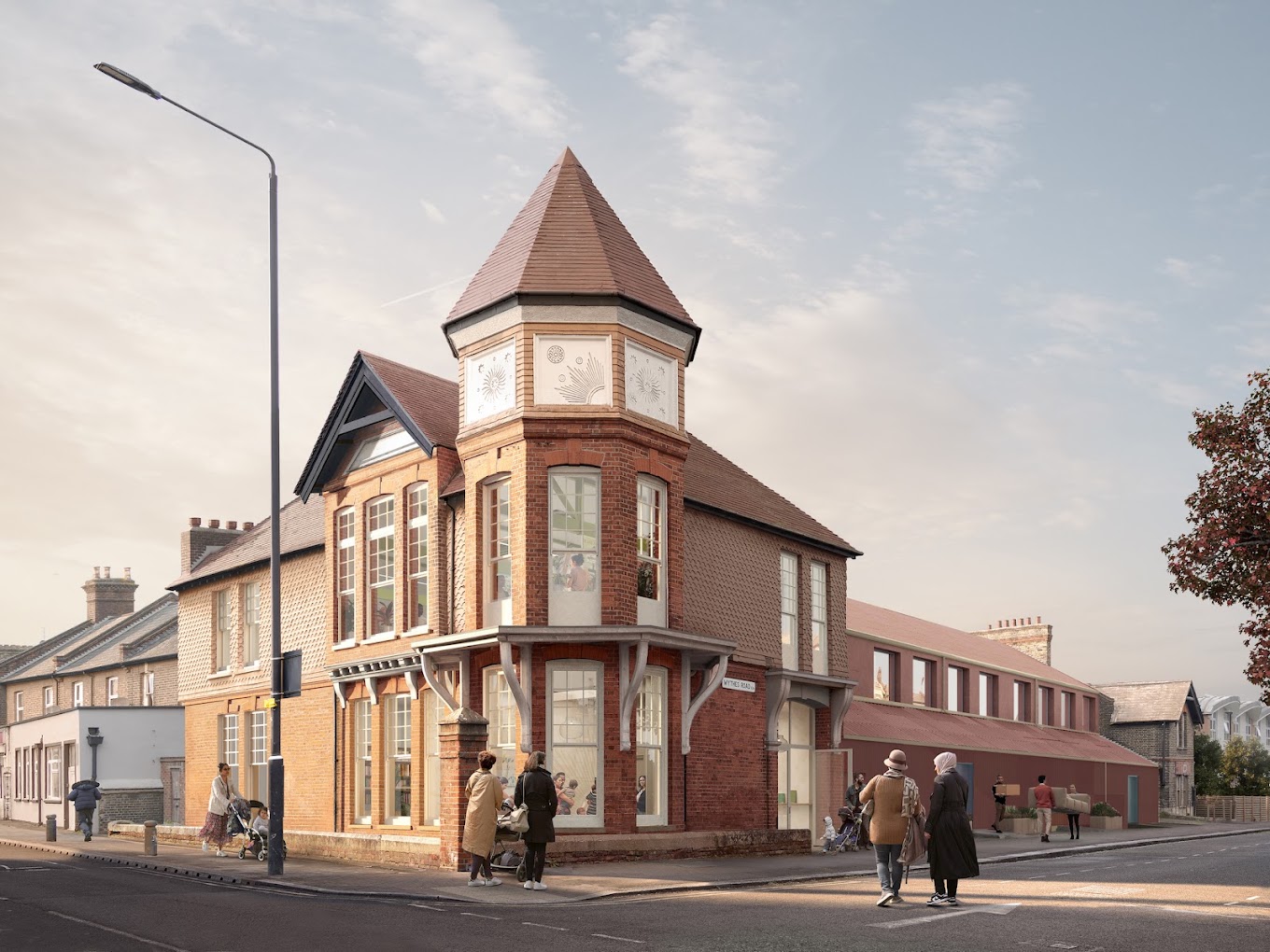
Domande frequenti
Where is The Tate Institute?
The Tate Institute is at 1 Wythes Road, Silvertown, London E16 2DN, in East London.
Henry Tate paid for the building in 1887 as a social club for workers at the Tate Sugar Refinery. Newham Council owns the building. ReSpace Projects holds a 25-year lease and got the keys in March 2024. ReSpace is restoring it as a community venue, and the building hosts events as parts of it reopen.
For travel, see how to get to our London venues. For other concerts in the city, see where to hear Indian classical music live in London.
Where can I hear live Indian classical music in London, and which venues does KalaSudha use?
You can hear Hindustani (North Indian) classical music live in London at London Ragas, KalaSudha's concert series in London. Its evenings are baithaks: the audience sits close to the musicians. London Ragas can take place at different venues across London, and KalaSudha plans to add more baithaks in other parts of London. KalaSudha is based in London, so every concert tour it organises also plays London once.
See how to book tickets for a London concert and how to get to the venues.
Who is the flautist Pandit Ajay Prasanna, and what is his musical lineage?
Pandit Ajay Prasanna is a flute player from a musical family. He carries forward the legacy of his father, Bholanath Prasanna, a flute master whose students include Hariprasad Chaurasia. He plays in the style of the Banaras gharana. He has performed across India and abroad, including at Queen Elizabeth Hall in London and at festivals in Asia and Europe. His honours include Grammy nominations, the Global Indian Music Award for his album Cinema, the Sangeet Ratna Award and the Surmani Award.
Ajay Prasanna learned the flute from his father, who was also his guru. He is a top-grade classical artist at All India Radio, plays bansuri on the Gorillaz album The Mountain and is a four-time Grammy nominee. He advises on KalaSudha's bansuri course and teaches it.
What is a bansuri, how is it made, and how is it played?
A bansuri is a transverse flute cut from a single length of seasoned bamboo. It has no keys and no moving parts, only six finger holes, or seven in Pandit Pannalal Ghosh's style. The maker burns or drills the blow hole and the finger holes. The player controls pitch through the lips at the blow hole, breath pressure and half-holing, covering a finger hole in part, which gives the slides and bends of a raga. Until the 1940s it was not thought a concert instrument; Pannalal Ghosh made a larger bansuri for the classical stage.
Have more questions? Contact our support team and we'll be happy to help!