

리딩 라가 레소넌스: 보우, 비트, 앤드 브레스
- #레딩
- #대면
- 9월 12, 2026
- 토요일
- 12:00 오후
- 2 시간, 30분
- The Great Hall, Reading
- 레딩, 영국
티켓 구매하기

이벤트 요약
이벤트 하이라이트
삼대의 사랑기 유산
인도의 두 위대한 사랑기 거장에게 사사
유럽 최고의 타블라 연주자
한 음악가 안의 세 gharana
활과 박자가 역할을 바꾼다
레딩에서 같은 날 두 콘서트
공연 아티스트
-
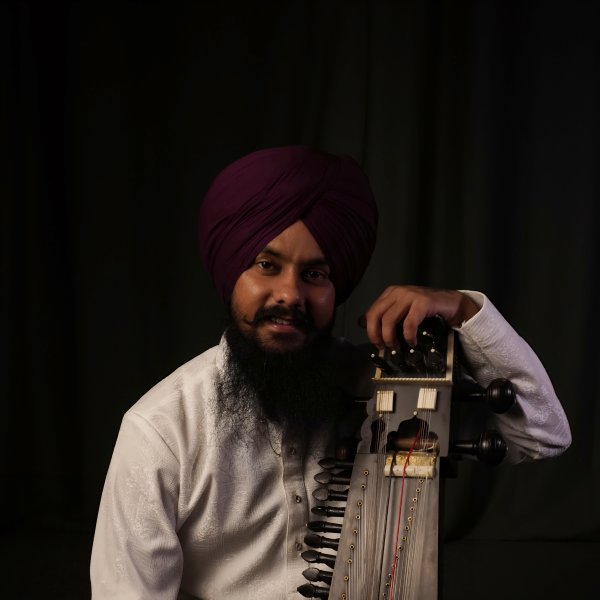 사트윈더 팔 싱
-
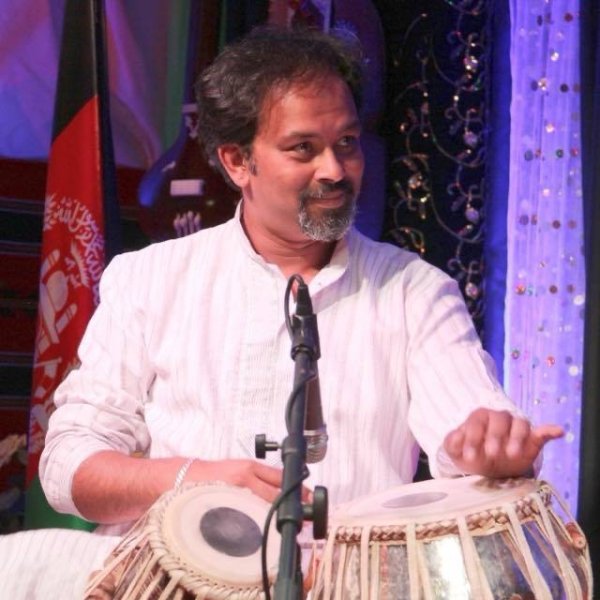 샤바즈 후세인


이벤트 상세 정보
리딩의 음악 애호가 여러분, 연례 예술 축제의 일환으로 두 번째로 The Great Hall, Reading University에 돌아와 "리딩 라가 레소넌스: 보우, 비트, 앤드 브레스"를 선보이게 되어 영광입니다. 2026년 9월 12일 오후 12:00에 영혼을 감동시키는 Sarangi와 에너지 넘치는 Tabla의 아름다운 음악적 대화를 직접 경험하세요.
이 특별한 공연에는 두 명의 저명한 예술가가 무대에 오릅니다: Sarangi에 삳빈더 팬 싱 그리고 Tabla에 Ustad 샤하바즈 후세인. 삳빈더는 어린 나이부터 Sarangi를 연주하기 시작했고, 5살 때 첫 공개 연주를 한 바 있습니다. 아버지에게 기초를 쉬든 후 Ustad Sabri Khan, Pandit Ram Narayan Ji 등 대가 Guru들에게 사사했습니다. Ustad 샤하바즈는 먼저 아버지 Ustad Mumtaz Hussain에게, 이후 델리 Gharana의 Ustad Faiyaz Khan, 펜잡 Gharana의 Ustad Shaukat Hussain Khan, Ustad Allah Rakha에게 수학했습니다. Indus 퓨전 그룹을 이끌면서 동방의 고전 예술가들과 함께 다양한 스타일을 발전시켰습니다. 샤하바즈는 영국 북부 전역에서 활동하는 Tabla 강사입니다.
이 공연은 우리 고대 음악 전통에서 리듬과 멜로디의 깊은 역직임을 드러내는 독특한 대화형 공연입니다. 일반적인 공연 형식 대신, 이것을 진정한 음악적 교류로 만들고자 합니다. 여기서 곳(가지)(보우)(활)과 장단은 동등한 중요성과 동등한 동반자 관계를 맺습니다.
공연은 두 세션으로 전개됩니다. 1부에서는 Tabla의 아름다운 반주에 맞춰 Sarangi의 서정적이고 목소리와 같은 독주에 집중합니다. 2부에서는 역할이 바뀐어 Tabla가 Sarangi의 안내에 맞춰 강력한 리듬 독주를 펼칩니다. 이 앞뒤 서사 형식은 고전적 기량, 상호 존중, 자연스러운 음악적 탐구의 아름다운 보여주기가 될 것입니다.
이 저녁은 음악 그 이상입니다; 잌시 멈춰 생각하고, 내면을 돌아보며, Shabd의 평화로운 디임을 체험하는 초대입니다. 수 세기 동안, 인도 고전 음악 전통은 음악을 명상의 한 형태이자 우리 내면과 공동체의 균형을 되찾아주는 도구로 여겼왜습니다. 오늘날, 이러한 시대를 초월한 수련들은 음악, 정신 건강, 마인드풀니스, 정서 건강 사이의 깊은 연결을 시사합니다. 이 저녁은 회복을 선사합니다 — 음악의 보편적 언어를 통해 상승하고, 연결하고, 다시 연결할 수 있는 기회.
리딩이나 근처에 거주하신다면, 꼼도 방문해 주세요. 특별한 지원이 필요하신 분은 저희에게 연락 주세요.
도어는 11:30에 열리며, 음악은 12:00에 시작됩니다
관객 규정:
- 무단 촬영 또는 사진 촬영은 허용되지 않습니다.
- 공연 중 휴대폰 사용(문자 수신 포함)은 허용되지 않습니다. 정중한 협조를 부탁드립니다. 감사합니다!
Venue information
The Great Hall, Reading
The Great Hall, University of Reading, London Road Campus, Reading, RG15AQ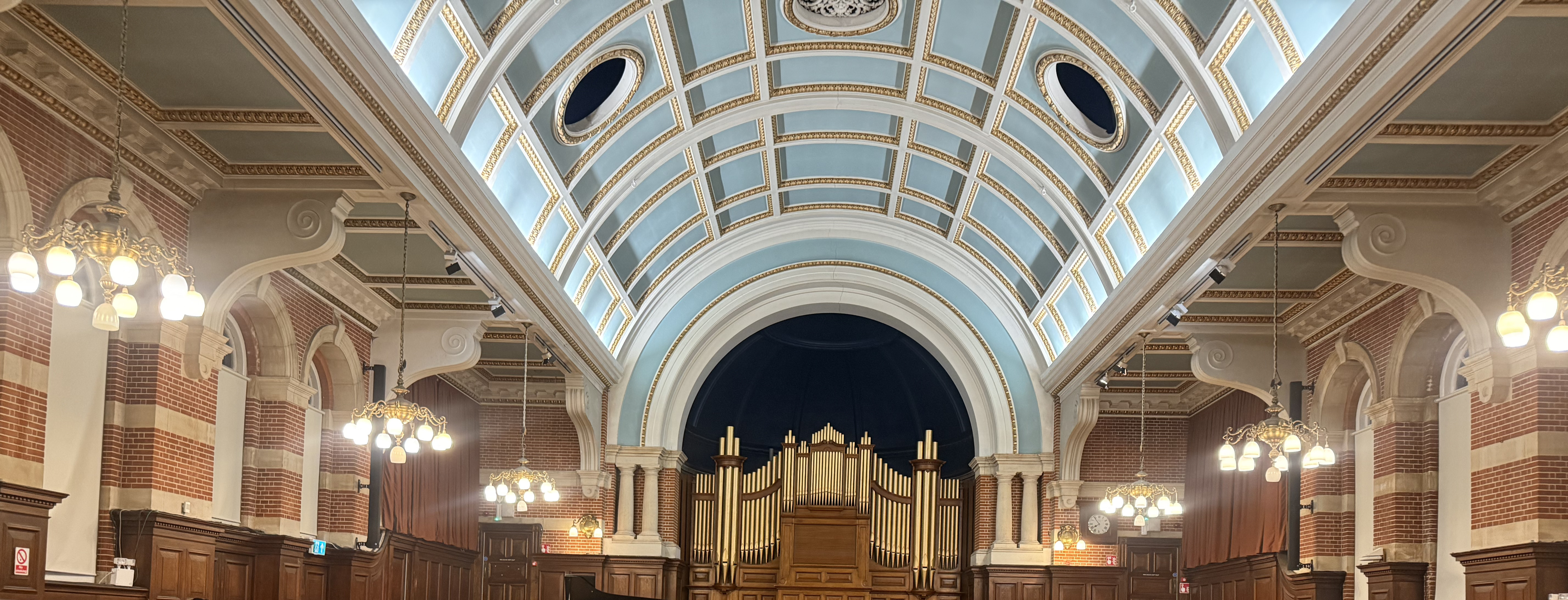
자주 묻는 질문
What is a tabla solo, and what should I listen for?
A tabla solo puts the tabla in the lead. The player builds compositions across a fixed cycle of beats, the taal, while a melody instrument, often a sarangi or harmonium, keeps time with a short repeating tune called the lehra. For the rest of an Indian classical concert the tabla keeps time behind the melody instrument.
Each cycle runs the same length, and every new cycle starts on beat one. That beat is the sam.
You do not need to count. Listen for the lehra to repeat, then listen for the tabla to land on the sam. New to the drum? See What is a tabla?
There are two Reading concerts on 12 September. What is the difference?
Two separate concerts at The Great Hall, Reading, on 12 September, each with its own ticket. Bow, Beat, and Breath starts at 12pm: sarangi and tabla, the two players swapping lead and accompanist at the interval. Slide & Strum on The Mystic Frets starts at 6pm, with Indian slide guitar, Western guitar and tabla playing a classical raga half, then a fusion half after the interval.
The afternoon concert ends around 2.30pm and evening doors open at 5.30pm, so you can attend both. The Full Day ticket covers the pair.
Where do I park at The Great Hall, Reading?
Park at the White Gates Car Park on the University of Reading's London Road Campus. Set your sat nav to RG1 5AG, the car park's postcode, and drive in from Crown Place, off the London Road (A4).
The campus has up to 200 spaces for Great Hall events. Spaces go first come, first served, and they get tight at busy times. Evening and weekend events need no parking permit.
Coming by train or bus? See how to get to The Great Hall.
Is The Great Hall in Reading accessible?
Yes, The Great Hall in Reading is accessible.
You need to book a wheelchair space ahead of the concert. Write to [email protected] once you have your ticket, and we will arrange it with the venue.
Where can I hear live Indian classical music in Reading, and how do I find out about the next KalaSudha concert there?
KalaSudha presents Indian classical music in Reading and lists each concert on its Reading page, with a link to book. To hear when the next Reading date is set, press Register for updates there or join the KalaSudha newsletter.
KalaSudha has presented concerts at The Great Hall on the London Road Campus, the University of Reading's original home, as part of the Kala Festival.
Who is the sarangi player Satwinder Pal Singh, and who taught him?
Satwinder Pal Singh is a London-based sarangi player from Moga, Punjab. He took up the sarangi at 11 under his father, Shaminder Pal Singh, a Top Grade artist of All India Radio, and in 2012 studied in Delhi with his father's teacher, Sabri Khan. He has also trained under Ram Narayan and Harsh Narayan. He plays the saranda, israj, dilruba and taus too, instruments his family has carried through generations of Sikh music. His father holds Top Grade status for sarangi from All India Radio, and Satwinder Pal Singh is an A-grade artist.
His father, a disciple of Ustad Sabri Khan, is the first Sikh sarangi player in All India Radio's history to reach Top Grade.
Who is the tabla player Ustad Shahbaz Hussain, and who were his teachers?
Ustad Shahbaz Hussain is a tabla player who teaches across the north of England. He first studied under his father, the vocalist Mumtaz Hussain, then learned from the tabla player Faiyaz Khan of the Delhi gharana and from Shaukat Hussain Khan and Ustad Alla Rakha of the Punjab gharana. He leads the fusion group Indus and accompanies touring classical artists. He teaches at the University of Newcastle and the University of Huddersfield, and received the Son of Lahore Award from the Government of Pakistan in 2008.
He lives in Manchester and learned from his father from the age of five.
What is a sarangi?
The sarangi is a short bowed instrument with three gut playing strings and around 35 sympathetic strings that resonate beneath them.
Players stop the strings from the side with the backs of their fingernails. Many musicians hold that, of all Indian instruments, the sarangi sits closest to the human voice.
What is the Senia-Maihar gharana, who founded it, and which KalaSudha artist plays in it?
The Senia-Maihar gharana is the sarod lineage that Allauddin Khan founded at Maihar, a former princely state, in the early 20th century. Most sources treat it and the Maihar gharana as one school spanning several instruments. "Senia" names the Tansen line, which Allauddin Khan joined as a disciple of Wazir Khan of Rampur. He brought a dhrupad approach to the sarod, sitar, violin and bansuri. Among KalaSudha's artists, Pandit Debasis Chakroborty plays in the gharana.
Have more questions? Contact our support team and we'll be happy to help!