

ലണ്ടനിൽ പണ്ഡിറ്റ് അജയ് പ്രസന്നയോടൊപ്പം ബാൻസുരി ശിൽപശാല
- #ലണ്ടൻ
- #നേരിട്ട്
- ഓഗ 19, 2026
- ബുധൻ
- 6:00 ഉച്ചയ്ക്ക് ശേഷം
- 3 മണിക്കൂര്
- The Tate Institute
- ലണ്ടൻ, യുണൈറ്റഡ് കിംഗ്ഡം
നിങ്ങളുടെ ടിക്കറ്റുകൾ നേടൂ

ഇവന്റ് സംഗ്രഹം
ഇവന്റ് ഹൈലൈറ്റുകൾ
ഗ്രാമി നാമനിർദേശിതനായ ബാൻസുരി ഗുരുവിൽ നിന്ന് പഠിക്കൂ
മൂന്ന് തലമുറയുടെ പാരമ്പര്യം
എല്ലാവരും ഒരേ ഹാളിൽ
മൂന്നു മണിക്കൂർ, ശ്വാസം മുതൽ താളം വരെ
ഓഗസ്റ്റ് 12 വരെ £40, അതിനു ശേഷം £50
ഹാൾ ഒഴിഞ്ഞതിനു ശേഷവും പഠനം തുടരട്ടെ
Facilitators
-
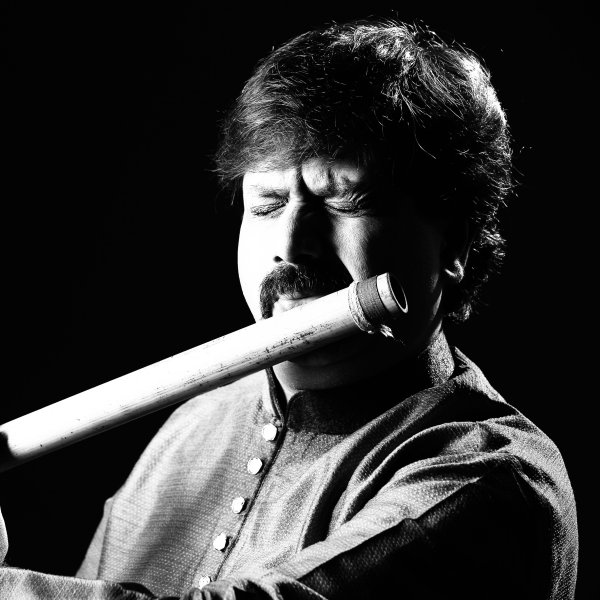 അജയ് പ്രസന്ന

ഇവന്റ് വിശദാംശങ്ങൾ
പണ്ഡിറ്റ് അജയ് പ്രസന്ന ഓഗസ്റ്റ് 19, ബുധനാഴ്ച ലണ്ടനിൽ പഖർന്നു. പിറ്റേന്നൊരു സന്ധ്യ അതേ ഹാളിൽ നടക്കുന്ന ഞങ്ങളുടെ ലണ്ടൻ രാഗാസ് കചേരിയിൽ അദ്ദേഹം വായിക്കും. നാല് ഗ്രാമി നാമനിർദേശങ്ങൾ, ഗ്ലോബൽ ഇന്ത്യൻ മ്യൂസിക് അവാർഡ്, Gorillaz ബാൻഡിന്റെ Parvat (The Mountain) ആൽബത്തിൽ ഉൾപ്പെട്ട അദ്ദേഹത്തിന്റെ ബാൻസുരി, പിന്നെ പഖരാൻ സമയം അപൂർവമായി മാത്രം കിട്ടുന്ന തിരക്കുള്ള പരിപാടി. ഇവിടെ അദ്ദേഹം മൂന്നു മണിക്കൂർ മാറ്റിവച്ചിട്ടുണ്ട്.
അദ്ദേഹം തന്റെ പിതാവായ പണ്ഡിറ്റ് ഭോലാനാഥ് പ്രസന്നയുടെ ബനാരസ് ഘരാന പാരമ്പര്യം മുന്നോട്ട് കൊണ്ടുപോകുന്നു. അദ്ദേഹത്തിന്റെ ശിഷ്യന്മാരിൽ പണ്ഡിറ്റ് ഹരിപ്രസാദ് ചൗരാസിയയുമുണ്ട്. The Tate Instituteൽ നിങ്ങൾ ആ പാരമ്പര്യത്തിന് മുന്നിൽ ഇരിക്കും: മുള, ആറ് ദ്വാരങ്ങൾ, ശ്വാസത്തെ രാഗമാക്കി മാറ്റുന്ന ആ രീതി, ഒരേ കുടുംബത്തിനകത്ത് മൂന്ന് തലമുറയായി കൈമാറി വന്നത്.
ഹാളിലെ എല്ലാവർക്കും തുറന്നത്
ഏകദേശം എട്ട് വയസ്സിന് മുകളിലുള്ള കുട്ടികൾ, ഒരിക്കലും ഉപകരണം കൈയിലെടുക്കാത്ത മുതിർന്നവർ, ഇടത്തരം വിദ്യാർത്ഥികൾ, വർഷങ്ങളായി റിയാസ് ചെയ്യുന്ന കലാകാരന്മാർ, എല്ലാവരും ഒരുമിച്ചിരിക്കുന്നു. ബൈഠക് ഇങ്ങനെയാണ് പ്രവർത്തിക്കുക: തുടക്കക്കാരനും അനുഭവസ്ഥനും ഒരേ പാഠം കേൾക്കുന്നു, ഓരോരുത്തരും തനിക്കാവശ്യമുള്ളത് എടുത്തുപോകുന്നു. ഉപകരണമുണ്ടെങ്കിൽ കൊണ്ടുവരിക, ഏത് ഉപകരണമായാലും. ബാൻസുരി, സിതാർ, സരോഡ്, വയലിൻ, ഗിറ്റാർ, പിയാനോ അല്ലെങ്കിൽ ശബ്ദം: ഇവിടെ പഠിപ്പിക്കുന്നത് ഒരു ഉപകരണത്തിന്റെ ഘടനയെ അല്ല, സംഗീതത്തിന്റെ ആശയങ്ങളെയാണ്. പങ്കെടുക്കാൻ ഉപകരണവും മുൻപരിചയവും വേണ്ട.
രക്ഷിതാക്കളോട്: കുട്ടികളെ ഇറക്കിയിട്ട് പോകുന്നതിനു പകരം അവരോടൊപ്പം ഇരിക്കൂ. കണ്ടിരിക്കാൻ വന്ന പല രക്ഷിതാക്കളും സ്വയം വായിക്കാൻ തുടങ്ങാറുണ്ട്.
സന്ധ്യയിൽ എന്ത് ഉണ്ടാകും
പണ്ഡിറ്റ് പ്രസന്ന ഒരു ചെറിയ കചേരിയോടെ തുടങ്ങി, ബാകി സന്ധ്യ മുഴുവൻ പഖര്ന്നു.
- ശ്വാസവും സ്വരവും: മുളംകോൽ ബാൻസുരിയിൽ ശ്വാസം എങ്ങനെ നാദമാകുന്നു, സ്വരങ്ങൾ ചെവിയിൽ എങ്ങനെ ഇരിക്കുന്നു, രാഗം കേവലം ഒരു സ്കേലല്ല എന്തുകൊണ്ട്
- ആലാപ്: താളമില്ലാതെ രാഗം എങ്ങനെ വിടരുന്നു, അപ്പോൾ എന്ത് കേൾക്കണം
- വാക്യഘടന: മീണ്ട്, രണ്ട് സ്വരങ്ങളെ വീണ്ടും മീട്ടാതെ ചേർക്കുന്ന ആ വഴുക്കൽ, പിന്നെ കണ്, ഒരു വാക്യത്തിന് ഊന്നൽ നൽകുന്ന ചെറിയ അലങ്കാര സ്വരം
- താളം: അടിയിലൂടെ ഒഴുകുന്ന താളചക്രം, സം കണ്ടെത്തുക, പിന്നെ വാക്യത്തെ തിരിച്ച് സംത്തിൽ ഇറക്കുക
പങ്കാളികൾ വായിക്കുന്നത് അദ്ദേഹം കേട്ട്, സമാപനത്തിന് മുമ്പ് ഓരോരുത്തര്ക്കും വ്യക്തിപരമായ നിർദ്ദേശം നൽകുന്നു. സാങ്കേതികത, റിയാസിന്റെ അച്ചടക്കം, പാരമ്പര്യം എന്നിവയെക്കുറിച്ചുള്ള ചോദ്യങ്ങൾക്കും ഉത്തരം നൽകുന്നു.
ഓരോ ടിക്കറ്റിനൊപ്പം
- ബനാരസ് ഘരാനയിലെ പണ്ഡിറ്റിൽ നിന്ന് ചെറിയ സംഘത്തിൽ നേരിട്ടുള്ള പഠനം, പ്രഭാഷണ ഹാളല്ല
- നിങ്ങളുടെ വാദനത്തിന് വ്യക്തിപരമായ നിർദ്ദേശം
- സാങ്കേതികത, അഭ്യാസം, പാരമ്പര്യം എന്നിവയേക്കുറിച്ച് തുറന്ന ചോദ്യോത്തരം
- ലഘുഭക്ഷണവും പാനീയങ്ങളും
- പങ്കാളിത്ത സർട്ടിഫിക്കറ്റ്
- KalaSudha പഠന സമൂഹത്തിലേക്ക് പ്രവേശനം, സംഗീതത്തിനായി ഉണ്ടാക്കിയ ഞങ്ങളുടെ കോളിംഗ് സിസ്റ്റം, സ്വരലിപി ഉപകരണങ്ങൾ, തുടർന്ന് പഠിക്കാനുള്ള കോഴ്സുകൾ എന്നിവ ഉൾപ്പെടെ
ടിക്കറ്റ്
ഓഗസ്റ്റ് 12 വൈകുന്നേരം 6:00 വരെ മുതിർന്നവർക്ക് £40, വിദ്യാർത്ഥികൾക്ക് £30. അതിനു ശേഷം നിരക്ക് £50, £35 ആകും. ഹാളിൽ മുപ്പതുപേർക്ക് സ്ഥലമുള്ളതിനാൽ രണ്ട് കാരണങ്ങളാലും നേരത്തെ ബുക്ക് ചെയ്യുക.
ഓഗസ്റ്റ് 19, 2026, ബുധനാഴ്ച, വൈകുന്നേരം 6:00 മുതൽ 9:00 വരെ. വാതിലുകൾ വൈകുന്നേരം 5:30ന് തുറക്കും. The Tate Institute, 1 Wythes Road, London E16 2DN.
Venue information
The Tate Institute
1 Wythes Rd, London, E16 2DN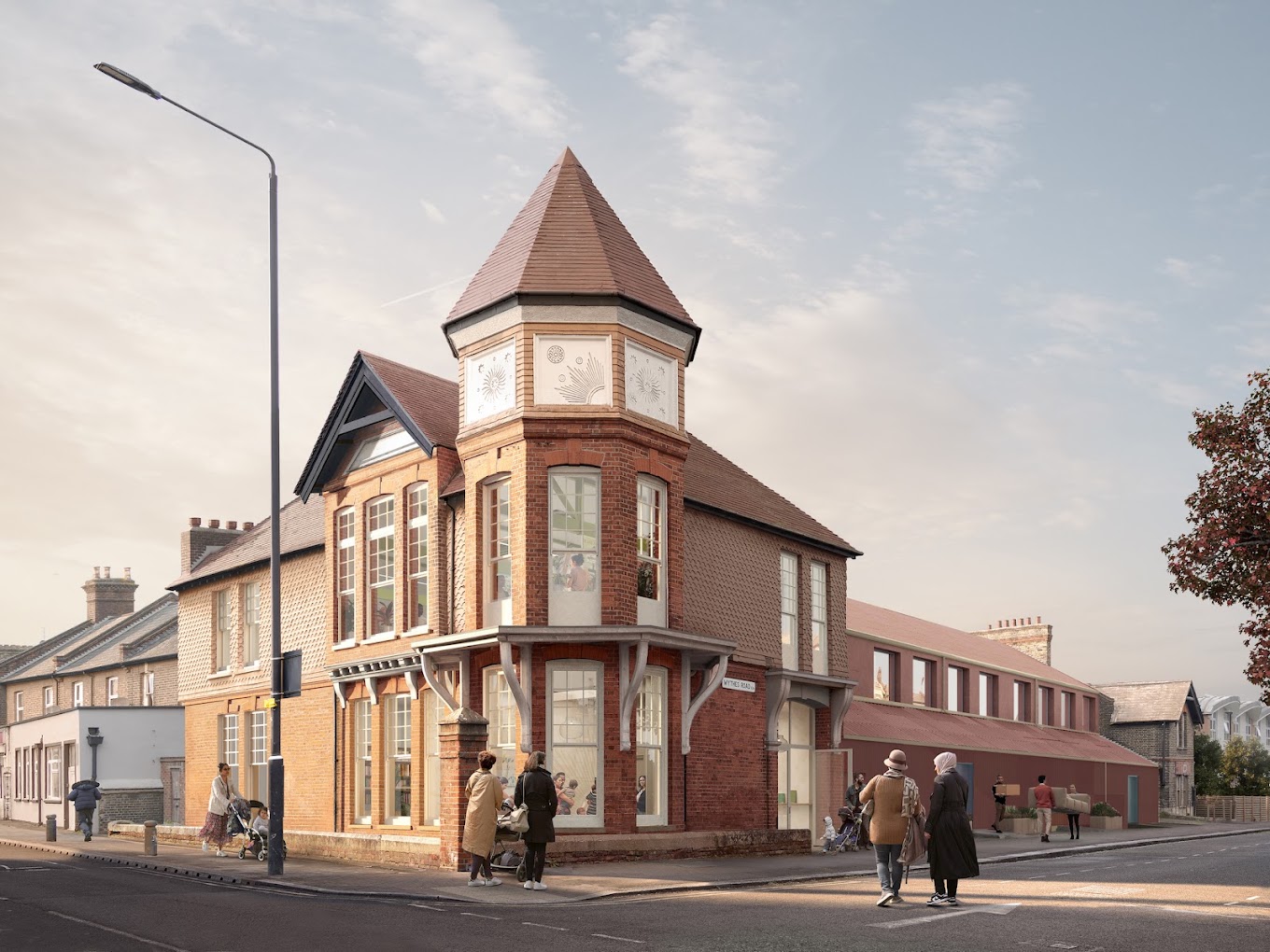
പതിവായി ചോദിക്കുന്ന ചോദ്യങ്ങൾ
Where is The Tate Institute?
The Tate Institute is at 1 Wythes Road, Silvertown, London E16 2DN, in East London.
Henry Tate paid for the building in 1887 as a social club for workers at the Tate Sugar Refinery. Newham Council owns the building. ReSpace Projects holds a 25-year lease and got the keys in March 2024. ReSpace is restoring it as a community venue, and the building hosts events as parts of it reopen.
For travel, see how to get to our London venues. For other concerts in the city, see where to hear Indian classical music live in London.
Where can I hear live Indian classical music in London, and which venues does KalaSudha use?
You can hear Hindustani (North Indian) classical music live in London at London Ragas, KalaSudha's concert series in London. Its evenings are baithaks: the audience sits close to the musicians. London Ragas can take place at different venues across London, and KalaSudha plans to add more baithaks in other parts of London. KalaSudha is based in London, so every concert tour it organises also plays London once.
See how to book tickets for a London concert and how to get to the venues.
Who is the flautist Pandit Ajay Prasanna, and what is his musical lineage?
Pandit Ajay Prasanna is a flute player from a musical family. He carries forward the legacy of his father, Bholanath Prasanna, a flute master whose students include Hariprasad Chaurasia. He plays in the style of the Banaras gharana. He has performed across India and abroad, including at Queen Elizabeth Hall in London and at festivals in Asia and Europe. His honours include Grammy nominations, the Global Indian Music Award for his album Cinema, the Sangeet Ratna Award and the Surmani Award.
Ajay Prasanna learned the flute from his father, who was also his guru. He is a top-grade classical artist at All India Radio, plays bansuri on the Gorillaz album The Mountain and is a four-time Grammy nominee. He advises on KalaSudha's bansuri course and teaches it.
What is a bansuri, how is it made, and how is it played?
A bansuri is a transverse flute cut from a single length of seasoned bamboo. It has no keys and no moving parts, only six finger holes, or seven in Pandit Pannalal Ghosh's style. The maker burns or drills the blow hole and the finger holes. The player controls pitch through the lips at the blow hole, breath pressure and half-holing, covering a finger hole in part, which gives the slides and bends of a raga. Until the 1940s it was not thought a concert instrument; Pannalal Ghosh made a larger bansuri for the classical stage.
Have more questions? Contact our support team and we'll be happy to help!