

ବାଗେଶ୍ରୀ
बागेश्री
.n S g M D n S' | S' n D M P D m G R S
ଉତ୍ପତ୍ତି ଓ ପ୍ରସଙ୍ଗ
ରାତ୍ରିର ଦ୍ୱିତୀୟ ପ୍ରହରରର ଗଭୀର ନୀରବତାରେ, ଯେତେବେଳେ ବିଶ୍ୱ ସ୍ଥିର ହୋଇଯାଏ, ରାଗ ବାଗେଶ୍ରୀ ଆତ୍ମା ଏବଂ ଏହାର ପ୍ରିୟଙ୍କ ମଧ୍ୟରେ ଏକ ବାର୍ତ୍ତାଳାପ ପରି ଉଦିତ ହୁଏ । ଏହା "ବିରହ" (ଆକାଂକ୍ଷା) ଏବଂ "ଶୃଙ୍ଗାର" (ପ୍ରେମ) ର ଏକ ରାଗ, ପାରମ୍ପରିକ ଭାବରେ ତାଙ୍କ ପ୍ରେମିକର ଫେରିବାକୁ ଅପେକ୍ଷା କରୁଥିବା ଏକ ମହିଳା ଭାବେ ବର୍ଣ୍ଣିତ ।
ଏକ କାଫି ଠାଟ ରଚନା, ବାଗେଶ୍ରୀ, ଏକ ଭାବପୂର୍ଣ୍ଣ ମାସ୍ଟରପିସ୍, ଯାହାର ଶକ୍ତି ଏହାର "ବକ୍ର" (ଟେଢ଼ା) ଜ୍ୟାମିତିରେ ନିହିତ । ଏହା ସିଧା ରେଖାରେ ଗତି କରେ ନାହିଁ; ଏହା ବଦଳରେ, ଏହା ନିମ୍ନ ଏବଂ ମଧ୍ୟମ ସପ୍ତକ ମାଧ୍ୟମରେ ଘୁରେ, ମଧ୍ୟମକୁ (M) ଏକ କୋମଳ, ପ୍ରାୟ ଯନ୍ତ୍ରଣାଦାୟକ ସୂକ୍ଷ୍ମତାରେ ଘେରିଥାଏ । ଏହାର ସୌନ୍ଦର୍ଯ୍ୟ ମହାନ ଗତିରେ ନୁହେଁ, ବରଂ ଏହାର "ରହିବା" କ୍ଷମତାରେ ରହିଛି । ଏହା ଛାୟା ଏବଂ କୋମଳ ଚନ୍ଦ୍ରାଲୋକର ଏକ ସୁର, ଯେଉଁଠାରେ ପ୍ରତ୍ୟେକ ସ୍ୱରକୁ କୋମଳ, ପ୍ରାୟ ଯନ୍ତ୍ରଣାଦାୟକ ସୂକ୍ଷ୍ମତା ସହିତ ବ୍ୟବହାର କରାଯାଏ ।
ଅଧିକ ଦେଖାନ୍ତୁକମ୍ ଦେଖାନ୍ତୁ
ରାଗ ବାଙ୍ଗାଲା ପରି, ବାଗେଶ୍ରୀ ମଧ୍ୟମ (ମା) ଉପରେ ଅସୀମ ଓଜନ ରଖେ । ଯଦିଓ, ଯେଉଁଠାରେ ବାଙ୍ଗାଲା ଏକ "ବାୟୁମଣ୍ଡଳ" ପ୍ରଭାତୀ ପ୍ରାର୍ଥନା ସୃଷ୍ଟି କରିବାକୁ ମା ବ୍ୟବହାର କରେ, ବାଗେଶ୍ରୀ ଏକ ଗଭୀର ଭାବପୂର୍ଣ୍ଣ ଗଭୀରତା ଜାଗ୍ରତ କରିବାକୁ ଏହାକୁ ବ୍ୟବହାର କରେ । ଏକ ଗାୟକ କୋମଲ ନିରୁ ମାକୁ ଯେଉଁ ଉପାୟରେ ଆସନ୍ତି ତାହା ଏକ ସହି "ହୁକ୍" ସୃଷ୍ଟି କରେ ଯାହା ଶତାବ୍ଦୀ ଧରି ଭାରତୀୟ ସଙ୍ଗୀତର ପ୍ରେମମୟ ଶବ୍ଦ ଭୂଦୃଶ୍ୟକୁ ପରିଭାଷିତ କରିଛି ।
କଲାସୁଧାରେ, ଆମେ ବାଗେଶ୍ରୀକୁ ଚରମ "ରାତ୍ରି କବିତା" ଭାବେ ଦେଖୁ । ଏହା ଏକ ରାଗ ଯାହା ପ୍ରଦର୍ଶନକାରୀଙ୍କଠାରୁ ଉଚ୍ଚ ମାତ୍ରାର ପରିପକ୍ୱତା ଦାବି କରେ । ଏହା ଆପଣ ବାଜାଉଥିବା ସ୍ୱର ବିଷୟରେ ନୁହେଁ, କିନ୍ତୁ ଆପଣ ସେମାନଙ୍କ ମଧ୍ୟରେ ଛାଡିଥିବା ନୀରବତା ବିଷୟରେ । ଏହା ଏକ ହୃଦୟର ଶବ୍ଦ ଯାହା ପୂର୍ଣ୍ଣ, ତଥାପି ଅପେକ୍ଷା କରୁଛି ।
ବୈଷୟିକ ବିବରଣୀ
ସ୍ୱରର ଗଠନ ଓ ଚଳନ
ଆରୋହ (ଆରୋହଣ)
.n S g M D n S.
ଅବରୋହ (ଅବରୋହଣ)
S. n d , M P D , M g R S
ପକଡ଼ (ଚିହ୍ନଟ ବାକ୍ୟାଂଶ)
S .n .D S , M g , M D n D , M g , M g R S
Chalan (Movement)
.n .D S M
Tanpura Tuning
M — S — S — Sa
Additional Notes
Phraseologies
ବାଗେଶ୍ରୀ ଏକ "ବକ୍ର" (ଟେଢ଼ା) ବ୍ୟାକରଣ ଦ୍ୱାରା ପରିଭାଷିତ ଯାହା ରେଖୀୟ ପଥରୁ ଦୂରେଇ ରହେ । ଗତି ନିମ୍ନ ରେଜିଷ୍ଟରରୁ ମଧ୍ୟମ (M) ପର୍ଯ୍ୟନ୍ତ ଏକ ବିକଣ୍ଣ ପହଞ୍ଚିବା । ଏହା ତିଦ୍ୱୟ ସୃଷ୍ଟି କରିବା ପାଇଁ ଆରୋହରେ R ଏବଂ P କୁ ଛାଡ଼ି ଦିଏ, ଅବରୋହରେ ଭାରୀ, ଆତ୍ମୀୟ ଗ୍ଲାଇଡ୍ (ମୀନ୍ଦ) ମାଧ୍ୟମରେ ସେଗୁଡ଼ିକୁ ସମାଧାନ କରେ । ରାଗ "ନିଲମ୍ବିତ", ସ୍ୱରଲିପି ଉପରେ ଅତି ଶୀଘ୍ର କେବେ ବସେ ନାହିଁ ।
Common Phrases
- .n .D S m
ରେକର୍ଡିଂ ଓ ପରିବେଷଣ
ଗୁଣୀ କଳାକାରଙ୍କ ପରିବେଷଣରେ ଏହି ରାଗ ଶୁଣନ୍ତୁ

Tracks
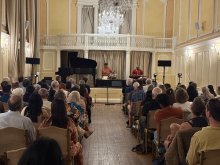
Raag Bageshri - Alap - Live from Kala Festival 2025
ଦେବାସିସ୍ ଚକ୍ରବର୍ତ୍ତୀ
Raag Bageshri - Drut Gat - Teental (with Akram Khan) - Live from Kala Festival 2025
ଦେବାସିସ୍ ଚକ୍ରବର୍ତ୍ତୀ
Raag Bageshri - Madhyalaya Gat - Teental (with Akram Khan) - Live from Kala Festival 2025
ଦେବାସିସ୍ ଚକ୍ରବର୍ତ୍ତୀ
Raag Bageshri - Vilambit Gat - Teental (with Akram Khan) - Live from Kala Festival 2025
ଦେବାସିସ୍ ଚକ୍ରବର୍ତ୍ତୀ
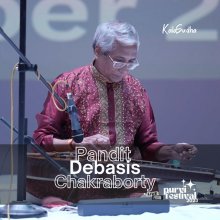
ରାଗ ବାଗେଶ୍ୱରୀ – ଝାଲା
ଦେବାସିସ୍ ଚକ୍ରବର୍ତ୍ତୀ
ରାଗ ବାଗେଶ୍ୱରୀ – ମଧ୍ୟ ଲୟ
ଦେବାସିସ୍ ଚକ୍ରବର୍ତ୍ତୀ
Master Performers
Artists renowned for their renditions of ବାଗେଶ୍ରୀ

ଦେବାସିସ୍ ଚକ୍ରବର୍ତ୍ତୀ
ଭାରତୀୟ ସ୍ଲାଇଡ୍ ଗିଟାର

ସନ୍ଦୀପନ ମୁଖାର୍ଜୀ
ତବଲା
Classifiers
Swara geometries, relationships, and classifications
Swara Geometries
Structure
Around the World
Global connections and equivalent scales
ବାଗେଶ୍ରୀ ପାଶ୍ଚାତ୍ୟର "ଲଘୁ-ପ୍ରମୁଖ" ସଂକର ସହିତ ସଂରେଖିତ, ବିଳମ୍ବ-ରାତ୍ରି ଜାଜ୍ ପାଇଁ ଉତ୍ତମ ।
Dorian Mode
C−D−Eb−F−G−A−Bb−C
A "minor" mode with a "major" 6th; evokes soulful, non-melancholic depth.
ବାରମ୍ବାର ପଚରାଯାଉଥିବା ପ୍ରଶ୍ନ
Where can I hear Raag Bageshri played live in concert?
You can hear Raag Bageshri live at KalaSudha's concerts in the UK, Europe and India, and Pandit Debasis Chakroborty has played it at Kala Festival, a touring festival. He has also played it on Indian slide guitar at Purvi Festival in Motihari, Bihar. The AUTRIM project of the National Centre for the Performing Arts and the University of Amsterdam places Bageshri in the late night. Coming concerts are on the events page.
Which recordings of Raag Bageshri should I listen to first?
KalaSudha's recordings of Raag Bageshri include a solo alap recorded live at Kala Festival, where Pandit Debasis Chakroborty sets out the raga on Indian slide guitar with no tabla and no fixed beat. On the album Norwich Ragas, gats in Tintal with the tabla player Ustad Akram Khan follow it, each faster than the last. Pandit Debasis Chakroborty's Purvi Festival performance, with the tabla player Sandipan Mukherjee, is also out as a video release.
What is the difference between Raag Bageshri and Raag Rageshri?
Raag Bageshri uses komal Ga, the lowered form, and keeps Pa, while Raag Rageshri takes shuddha Ga, the natural form, and leaves Pa out. The AUTRIM project gives Bageshri seven notes, with komal Ga and komal Ni, and writes that Pa is left out going up and used sparingly. It finds their upper halves alike apart from Pa. Turns such as Ma, Dha, komal Ni, Dha, Ma belong to both, but Bageshri's oscillated komal Ni makes it very distinct.
What is the Carnatic equivalent of Raag Bageshri?
Carnatic music has its own Raag Bageshri, which George Howlett describes as imported from Hindustani music and retaining many of its original features; he gives the era as unclear. He lists it under Kharaharapriya, the 22nd melakarta, or parent scale. Among other Carnatic ragas, Howlett pairs Bageshri with Sriranjani, which he sums up as Bageshri with no Pa.
Which bandishes are sung in Raag Bageshri?
Bandishes, or set compositions, in Raag Bageshri include Gunde Lavo Ri Malaniya, a chhota khayal sung by Padma Talwalkar for the AUTRIM project of the National Centre for the Performing Arts. A chhota khayal is a shorter khayal composition, and this one is set in Tintal at a fast tempo. In its words a woman asks the flower girl for garlands as she prepares to welcome her loved one. She wonders how the night will pass without him.
How can I learn a raga online?
You can learn a raga online with the KalaSudha Academy, in live one-to-one lessons with a teacher or in a structured course, from foundation to advanced. Learners book lessons in their own time zone, and teachers teach live in their own language. Instructors and touring artists also lead in-person workshops and summer camps where enough learners register interest.
Is Raag Bageshri a good raga for a beginner to learn?
Raag Bageshri is a Class XII raga in the Hindustani vocal course that India's Central Board of Secondary Education (CBSE) sets for schools, the last class the course covers. Before it, students learn ragas such as Yaman and Kafi in Class IX, Bhupali in Class X and Bhairavi in Class XI. In Class XII, students sing Bageshri as a drut, or fast, khayal beside Bhairav and Malkauns.
Which film songs are based on Raag Bageshri?
Hindi film songs that David Courtney lists in Raag Bageshri include Aja Re, Paradesi, from Madhumati, and Bedardi Dagabaz Ja Tu Nahin Balma Mora, from Bluff Master. Courtney calls the Bluff Master song a "pretty good example" of the raga, and Bolo Na, from Chittagong, "quite a good approach to Bageshri".
Have more questions? Contact our support team and we'll be happy to help!