

Bristol Ragas: Slide & Strum nos Trastes Místicos
- #Bristol
- #Presencial
- SET 13, 2026
- Domingo
- 6:30 PM
- 2 horas, 30 minutos
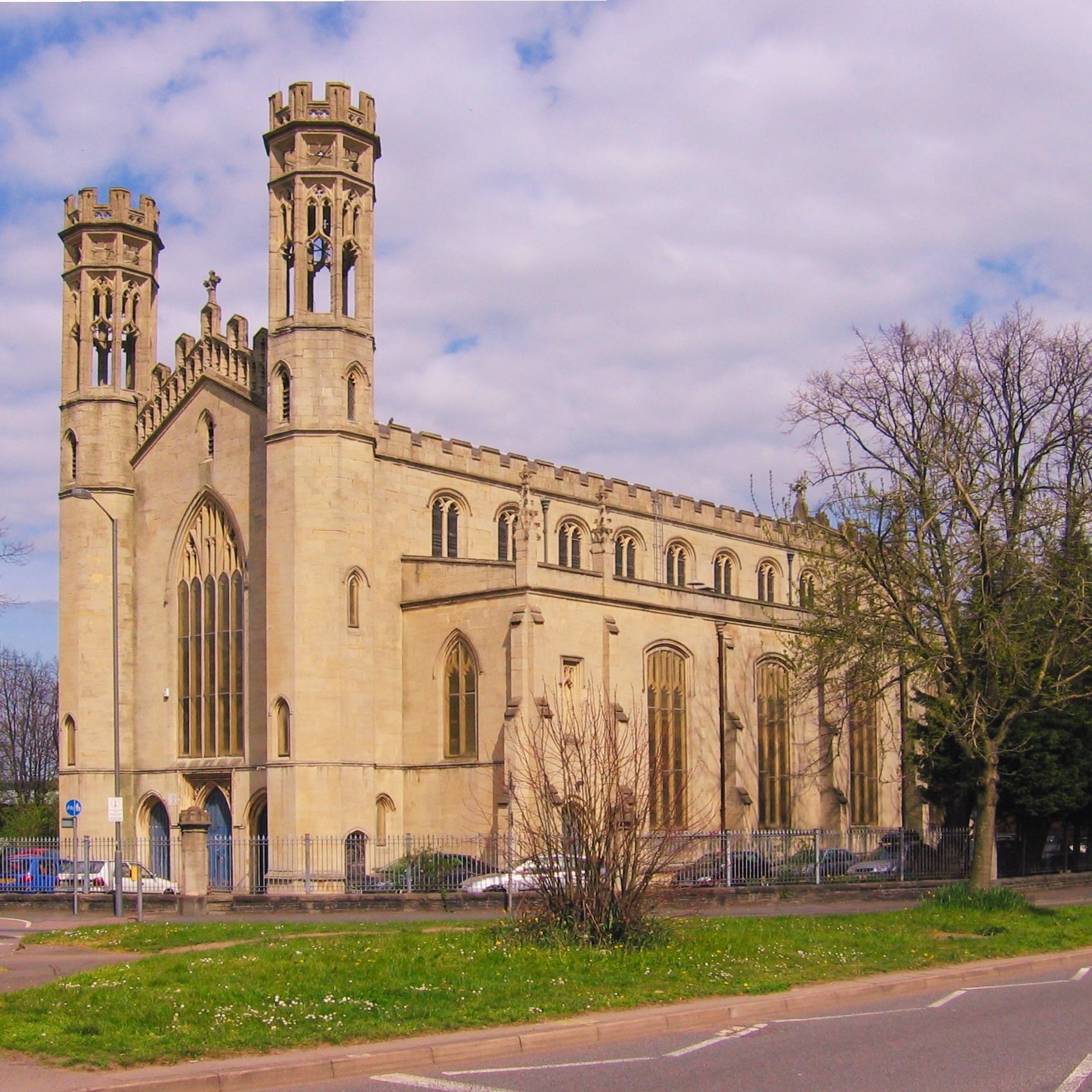
- Trinity Centre
- Bristol, Reino Unido
Garanta seus ingressos

Resumo do evento
Destaques do evento
Pandit Debasis Chakroborty, guitarra slide da gharana Senia-Maihar
Giuliano Modarelli, guitarrista italiano e colaborador de longa data
Dr Sam Evans e R.N. Prakash, tabla e ghatam
Kala Festival 2026 retorna a Bristol
Artistas participantes
-
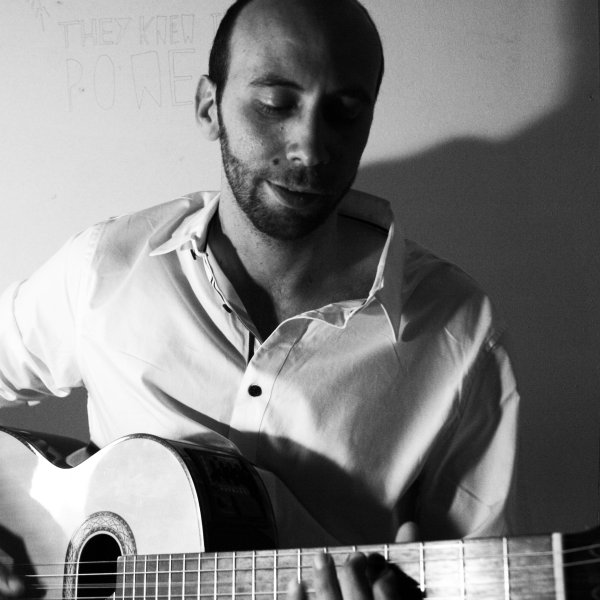 Giuliano Modarelli
-
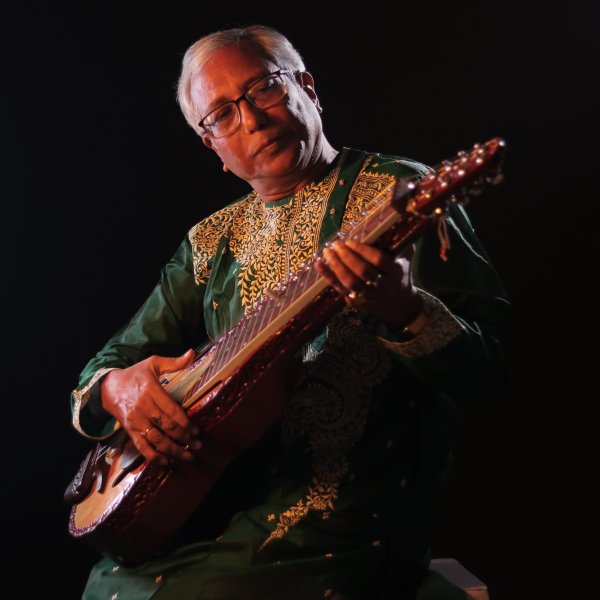 Debasis Chakroborty
-
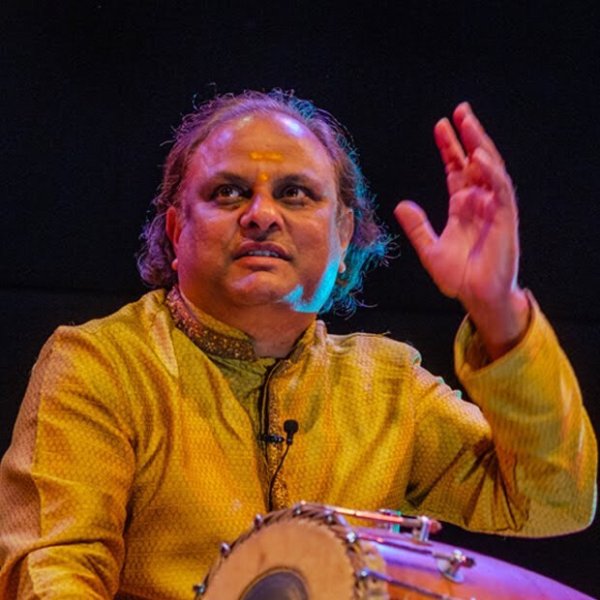 R N Prakash
-
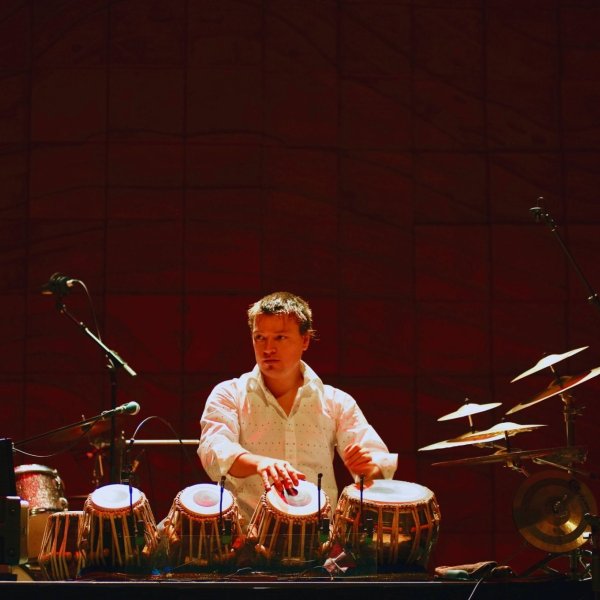 Sam Evans


Detalhes do evento
Em Bristol, como parte do Kala Festival 2026, o Trinity Centre apresenta Slide & Strum nos Trastes Místicos. A tradição milenar da música clássica indiana encontra a expressividade da guitarra ocidental no mesmo palco.
Quatro músicos de tradições distintas dividem o palco nesta noite: de Agra (Índia), o mestre do slide guitar indiano Pandit Debasis Chakroborty; do Reino Unido, o guitarrista Giuliano Moderalli; da Austrália, o percussionista de tabla Sam Evans; e R.N. Prakash no ghatam.
(RN) Bengaluru Prakash traz ao concerto a profundidade e a precisão rítmica da tradição percussiva carnática. O Bristol Ragas oferece uma oportunidade rara de ouvir intérpretes de tradições tão distintas num único palco.
O som íntimo e meditativo do slide guitar indiano entra em diálogo com a riqueza harmônica da guitarra ocidental; tabla e ghatam sustentam esse diálogo com uma base rítmica firme. O concerto dedica igual atenção à tradição e à música contemporânea.
Fundamentos Clássicos
A primeira parte apresenta a música clássica indiana em sua forma mais pura. Uma composição baseada em raga com alap e jod (20 minutos), seguida de duas peças de 15 minutos cada: em rupak (7 tempos) e jhaptal (10 tempos). Ambas as guitarras expressam o caráter e a profundidade da raga, cada uma em seu timbre único.
Horizontes Fusion
Após o intervalo, a segunda parte abre espaço para a improvisação. Três improvisações melódicas de 10 minutos cada, nas quais conceitos musicais indianos e ocidentais, ritmo e emoção se entrelam.
Nesta parte, as melodias, a harmonia e o ritmo das guitarras convergem num diálogo musical orgânico; tabla e ghatam alimentam esse intercâmbio com energia constante.
Venue information
Perguntas frequentes
Where do I park at the Trinity Centre, Bristol?
The Trinity Centre in Bristol has its own car park. It runs 24-hour Pay and Display, and everyone pays, Blue Badge holders, staff and volunteers included.
Four accessible bays sit next to the daytime entrance, on the left-hand side of the building. For access and priority entry, see Is the Trinity Centre in Bristol accessible?
Pay and display for your whole stay, whatever time you arrive. Cameras read number plates, and the operator, Carflow, issues an automatic Parking Charge Notice if you don't pay. Tariffs change, so check the price at the machine.
Is the Trinity Centre in Bristol accessible?
Yes. The Trinity Centre in Bristol has a lift to the first floor and accessible toilets on both floors.
The venue keeps seats near the front of the stage for people with access requirements. For priority entry, write to KalaSudha at [email protected] before the concert and we will arrange it.
Driving? See where to park at the Trinity Centre.
Where can I hear live Indian classical music in Bristol, and how do I hear about KalaSudha's next Bristol date?
KalaSudha's Bristol city page has a Register for updates button for anyone who wants to hear Indian classical music in Bristol. Press it, or join the KalaSudha newsletter, to find out about the next Bristol date.
Who is the guitarist Giuliano Modarelli, and how did he come to Indian music?
Giuliano Modarelli is a London-based Italian guitarist and composer who blends Indian classical music, jazz and contemporary world music. Born in Milan in 1977, he moved to England in 2000 and took a bachelor's degree in jazz at Leeds College of Music in 2003. He studied Indian music with the sitar player Dharambir Singh and the sarod players Buddhadev Dasgupta and Prattyush Bannerjee. He founded the collective Samay, is a founding member of the ensemble Kefaya, and he has worked with Ustad Shahbaz Hussain and Pandit Ajay Prasanna.
Who is the Indian slide guitarist Pandit Debasis Chakroborty, the senior-most disciple of Pandit Brij Bhushan Kabra?
Pandit Debasis Chakroborty is a Hindustani slide guitarist and the senior-most disciple of Pandit Brij Bhushan Kabra, and his playing reflects Kabra's style. His name is also written Debasis Chakraborty. He plays in the Senia-Maihar gharana and has taught since 1992.
He has been part of the Department of Performing Arts at Mangalayatan University since its inception, and returns to universities in Australia and the USA as a conductor-performer and artist-in-residence. He helped carry out a joint music research project between Mangalayatan University and Monash University, and has published 10 research papers.
He learned first from his father, then from Barun Kumar Pal and Jotin Bhattacharya, and in the mid-1990s studied with Kabra in Jodhpur. He is Associate Professor of Music at Mangalayatan University in Aligarh and advises government and non-government organisations as an expert.
What is an Indian slide guitar, how is it played, and where can I learn it?
The Indian slide guitar is a guitar laid flat across the lap and stopped with a steel bar instead of fingers on frets. It is an instrument of Hindustani classical music, the classical music of North India. Sympathetic strings ring underneath the melody unstruck, and the player plucks extra drone (chikari) strings.
The bar never leaves the string, so one note travels into the next without a break. For its history and players, see the Indian slide guitar page. You can learn it with KalaSudha in the online academy.
What is the Senia-Maihar gharana, who founded it, and which KalaSudha artist plays in it?
The Senia-Maihar gharana is the sarod lineage that Allauddin Khan founded at Maihar, a former princely state, in the early 20th century. Most sources treat it and the Maihar gharana as one school spanning several instruments. "Senia" names the Tansen line, which Allauddin Khan joined as a disciple of Wazir Khan of Rampur. He brought a dhrupad approach to the sarod, sitar, violin and bansuri. Among KalaSudha's artists, Pandit Debasis Chakroborty plays in the gharana.
Have more questions? Contact our support team and we'll be happy to help!