

ரீடிங் ராக ரெசோனன்ஸ்: போ, பீட், ஆன்ட் பிரெத்
- #ரெடிங்
- #நேரில்
- செப் 12, 2026
- சனி
- 12:00 பிப
- 2 மணிக்கூர், 30 நிமிடங்கள்
- The Great Hall, Reading
- ரெடிங், யுனைடெட் கிங்டம்
உங்கள் டிக்கெட்டுகளைப் பெறுங்கள்

நிகழ்வு சுருக்கம்
நிகழ்வின் சிறப்பம்சங்கள்
மூனு தலைமுறைகளான சாரங்கி மரபு
இந்தியாவின் இரு மஹான் சாரங்கி உஸ்தாத்களிடம் கலித்தவர்
ஐரோப்பாவின் சிறந்த தபளா கலைஞர்
ஒரு கலைஞரிடம் மூனு கரானாகள்
வில்லும் தாளமும் மாறிமாறி தலைமை பெறுகின்றன
ரீடிங்கில் ஒரே நாளில் இரண்டு நிகழ்ச்சிகள்
நிகழ்ச்சி நடத்தும் கலைஞர்கள்
-
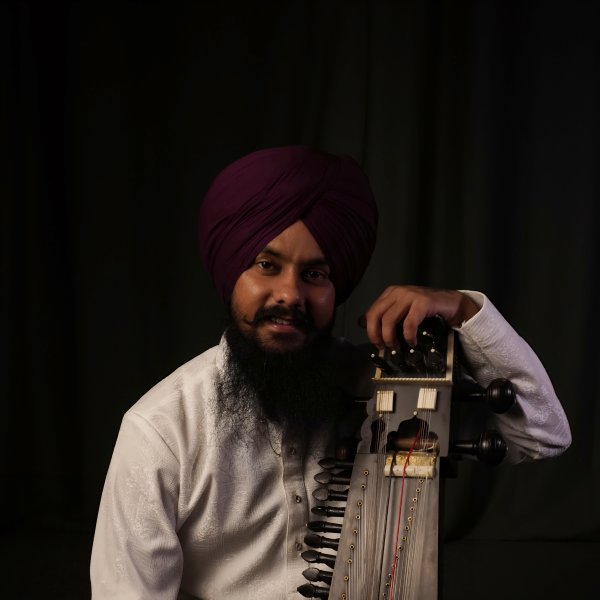 சத்விந்தர் பால் சிங்
-
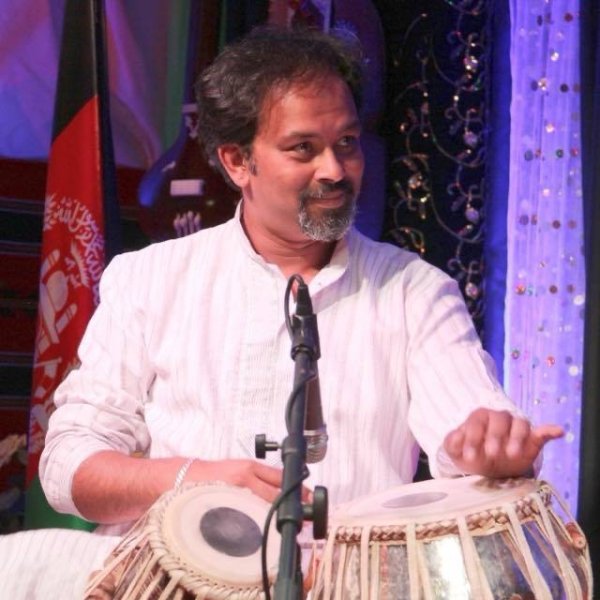 ஷாபாஸ் உசேன்


நிகழ்வு விவரங்கள்
ரீடிங் இசை அன்பர்களே, ஆண்டுதோறும் கலா விழாவின் ஒரு பகுதியாக ரீடிங் பல்கலைக்கழகத்தின் தி கிரேட் ஹாலில் இரண்டாவது முறையாக "Reading Raga Resonance: Bow, Beat, and Breath" நிகழ்த்த மகிழ்ச்சியாக உள்ளோம். 12 செப்டம்பர் 2026 அன்று மதியம் 12:00 மணிக்க் இணையுங்கள் — உள்ளம் தோய்கிற சாரங்கியின் இசையும் உயிர்ப்பிரித்த தலை தாளத்தின் இசையும் இடையிலான அரிய இசை உரையાடலைக் காணுங்கள்.
இசை பதியுள்ள இரு கலைஞர்கள்: சத்விந்தர் பால் சிங் (சாரங்கி) மற்றும் உஸ்தாத் சாஹ்பாஸ் ஹுஸைன் (தாலா). சத்விந்தர் மிகவும் இளகிலையிலிருந்தே சாரங்கி இசையில் தேர்ச்சி பெற்றார் — 5 வயதிலே மேடையில் தோன்றினார். தஂடையிடம் கற்றுக் கொண்டு, பின்னர் உஸ்தாத் சப்ரி கான், பண்டித் ராம் நாராயண் உள்ளிட்ட மஹான் இசைக் கலைஞர்களிடம் கல்வி கற்றார். சாஹ்பாஸ் ஹுஸைன் முதலில் தம் தந்தை, பாடகர் உஸ்தாத் மும்தா் ஹுஸைனிடம் கற்று, பின்னர் டெல்லி ரானாவின் உஸ்தாத் பையாஸ் கான், பஞ்சாப் ரானாவின் உஸ்தாத் சொக்கத் ஹுஸைன் கான் மற்றும் உஸ்தாத் அல்லா ரக்காவிடம் ஆழ்ஂத கற்றல் பெற்றார். அவர் ஒரு விழியலான பன்முக இசை ஒழுக்கம் உருவாக்கியுள்ளார் — Indus ஏன்பத் துங்காயி குழுவுக்கு தலைமை தாங்குகிறார்; வட இங்கிலாந்தில் தாலா கற்பிக்கும் பணியிலும் உள்ளார்.
இருவரும் இணைந்து நம் பள்ளி இசை மரபின் தாளமும் இசையும் கொண்ட ஆழ்ந்த உறவை வெளிக்கோறும் தனித்தன்மையான உரையாடலை நிகழ்த்துவார்கள். இது வழக்கமான நிகழ்ச்சி அல்ல — இரு கருவிகளும் சமதுல்லான இசை பரிமாற்றம்.
நிகழ்ச்சி இரு பகுதிகளாக அமையும். முதல் பகுதியில் தாளோடு ஜொடையில் சாரங்கி தனி இசை மெலெளிக்கும் — அதன் கண் அழகின் இசை முன்னிலையில் இருக்கும். இரண்டாம் பகுதியில் பாத்திரங்கள் மாறும்: தாலா மேடையின் நாயகனாகி வலிமையான தாள இசை ஒழுகும்; சாரங்கி அதை தாங்கும். இந்த மாற்றச் சாற்று அமைப்பு இருவரூடைய கலை திற்மை, பரஸ்பர மரியாதை, உடரடி இசை கண்டுபிடிப்பை காட்டும்.
இந்த மாலை வெறுமே இசை மட்டுமற்றது — நிறுத்தி, சிந்தித்து இசை (சப்தம்) ஊட்டுதலாக ப்ரதிபலிக்கும் ஒலியை உணரும் அழைப்பாகும். இந்திய சாஸ்திரீய மரபுகள் பல நூற்றாண்டுகளாக இசையை தியானமாக் கருதி வந்துள்ளன — உள்ளேயும் சமூகத்திலும் சமநிலை மீட்டெடுக்கும் வழியாக. இந்த இசை அநுபவம் மன ஆரோக்கியம், நன்மனச்சான்று இன்பம் மற்றும் உணர்ச்சி நலந் தீங்கும். இந்த மாலை புதுப்பிக்கும் வாய்ப்பாகும் — இசையின் ஜகத்திஞ்சிய மொழியில் உயர்ந்து, இணைந்து, புதுப்பிக்கும் வாய்ப்பு.
ரீடிங் அல்லது அதன் அருகில் உள்ளவர்கள் அவசியம் வருக. சிற்பான தேவைகளுக்கு எங்களிடம் தொடர்பு கொள்க.
கதவுகள் காலை 11:30க்கு திறக்கும், இசை மதியம் 12:00க்கு துடங்கும்.
பார்வையாளர் கொள்கை:
- அனுமதியற்ற ஒளிப்பதிவு அல்லது படம் எடுக்கும் அனுமதி இல்லை.
- நிகழ்ச்சி நடக்கும்போது கைப்பேசி பயன்ப்பாடு (சஶுருச்செய்தியல் உள்பட) அனுமதிக்கப்பட்டதடு. உங்கள் உதவிக்கு நன்றி!
Venue information
The Great Hall, Reading
The Great Hall, University of Reading, London Road Campus, Reading, RG15AQ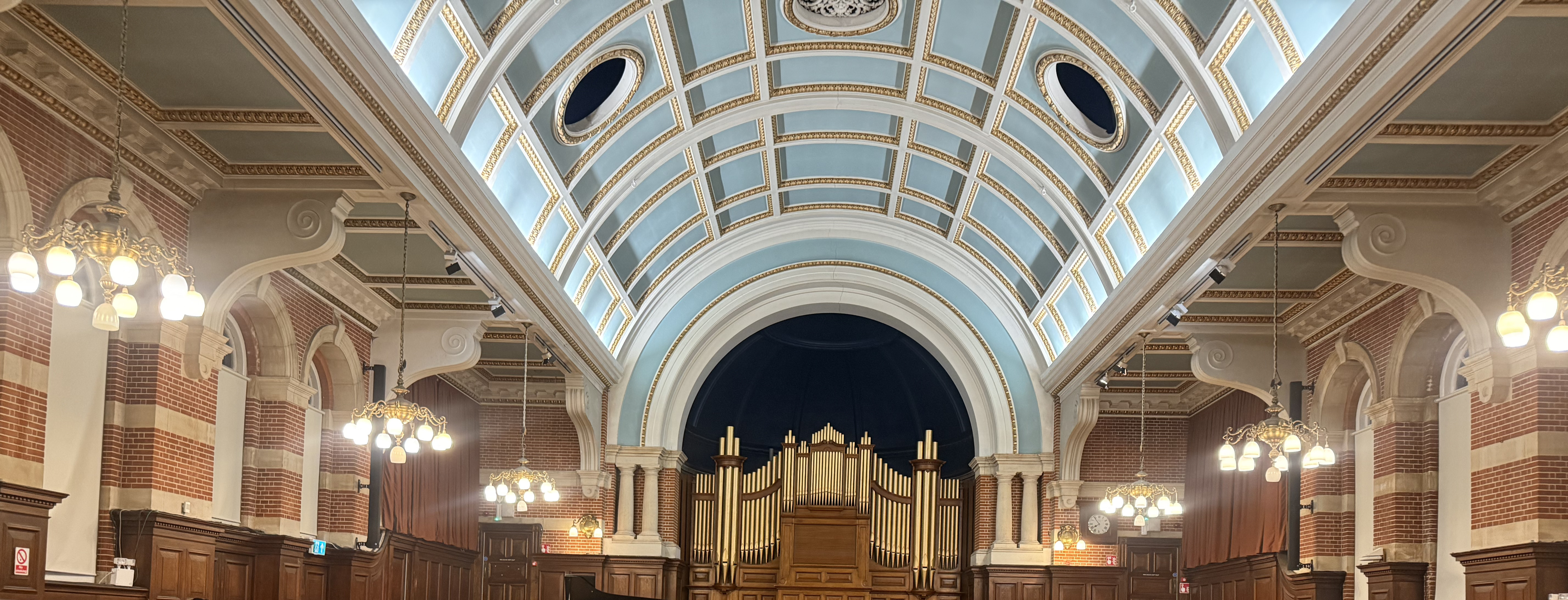
அடிக்கடி கேட்கப்படும் கேள்விகள்
What is a tabla solo, and what should I listen for?
A tabla solo puts the tabla in the lead. The player builds compositions across a fixed cycle of beats, the taal, while a melody instrument, often a sarangi or harmonium, keeps time with a short repeating tune called the lehra. For the rest of an Indian classical concert the tabla keeps time behind the melody instrument.
Each cycle runs the same length, and every new cycle starts on beat one. That beat is the sam.
You do not need to count. Listen for the lehra to repeat, then listen for the tabla to land on the sam. New to the drum? See What is a tabla?
There are two Reading concerts on 12 September. What is the difference?
Two separate concerts at The Great Hall, Reading, on 12 September, each with its own ticket. Bow, Beat, and Breath starts at 12pm: sarangi and tabla, the two players swapping lead and accompanist at the interval. Slide & Strum on The Mystic Frets starts at 6pm, with Indian slide guitar, Western guitar and tabla playing a classical raga half, then a fusion half after the interval.
The afternoon concert ends around 2.30pm and evening doors open at 5.30pm, so you can attend both. The Full Day ticket covers the pair.
Where do I park at The Great Hall, Reading?
Park at the White Gates Car Park on the University of Reading's London Road Campus. Set your sat nav to RG1 5AG, the car park's postcode, and drive in from Crown Place, off the London Road (A4).
The campus has up to 200 spaces for Great Hall events. Spaces go first come, first served, and they get tight at busy times. Evening and weekend events need no parking permit.
Coming by train or bus? See how to get to The Great Hall.
Is The Great Hall in Reading accessible?
Yes, The Great Hall in Reading is accessible.
You need to book a wheelchair space ahead of the concert. Write to [email protected] once you have your ticket, and we will arrange it with the venue.
Where can I hear live Indian classical music in Reading, and how do I find out about the next KalaSudha concert there?
KalaSudha presents Indian classical music in Reading and lists each concert on its Reading page, with a link to book. To hear when the next Reading date is set, press Register for updates there or join the KalaSudha newsletter.
KalaSudha has presented concerts at The Great Hall on the London Road Campus, the University of Reading's original home, as part of the Kala Festival.
Who is the sarangi player Satwinder Pal Singh, and who taught him?
Satwinder Pal Singh is a London-based sarangi player from Moga, Punjab. He took up the sarangi at 11 under his father, Shaminder Pal Singh, a Top Grade artist of All India Radio, and in 2012 studied in Delhi with his father's teacher, Sabri Khan. He has also trained under Ram Narayan and Harsh Narayan. He plays the saranda, israj, dilruba and taus too, instruments his family has carried through generations of Sikh music. He and his father both hold Top Grade status for sarangi from All India Radio.
Who is the tabla player Ustad Shahbaz Hussain, and who were his teachers?
Ustad Shahbaz Hussain is a tabla player who teaches across the north of England. He first studied under his father, the vocalist Mumtaz Hussain, then learned from Faiyaz Khan of the Delhi gharana and from Shaukat Hussain Khan and Allah Rakha of the Punjab gharana. He leads the fusion group Indus and accompanies touring classical artists. He teaches at the University of Newcastle and the University of Huddersfield, and received the Son of Lahore Award from the Government of Pakistan in 2008.
What is a sarangi?
The sarangi is a short bowed instrument with three gut playing strings and around 35 sympathetic strings that resonate beneath them.
Players stop the strings from the side with the backs of their fingernails. Many musicians hold that, of all Indian instruments, the sarangi sits closest to the human voice.
What is the Senia-Maihar gharana, who founded it, and which KalaSudha artist plays in it?
The Senia-Maihar gharana is the sarod lineage that Allauddin Khan founded at Maihar, a former princely state, in the early 20th century. Most sources treat it and the Maihar gharana as one school spanning several instruments. "Senia" names the Tansen line, which Allauddin Khan joined as a disciple of Wazir Khan of Rampur. He brought a dhrupad approach to the sarod, sitar, violin and bansuri. Among KalaSudha's artists, Pandit Debasis Chakroborty plays in the gharana.
Have more questions? Contact our support team and we'll be happy to help!