

ریڈنگ راگ ریزونینس: سلائیڈ اینڈ اسٹرم آن دی مسٹک فریٹس
- 12 ستمبر 2026
- سنیچر
- 6:00 ب.ظ – 8:30 ب.ظ
- 2 گھنٹے, 30 منٹ
- The Great Hall, Reading
- ریڈنگ, GB
ٹکٹ

ایونٹ کا خلاصہ
ایونٹ کی جھلکیاں
تین براعظم، ایک منچ
وہ روایت جس نے جدید ہندوستانی موسیقی کو شکل دی
وہ گٹارسٹ جس نے ہندوستانی موسیقی اصل سے سیکھی
آسٹریلیا کے پہلے تبلہ PhD، زاکر حسین کے شاگرد
پہلے کلاسیکی، پھر فیوزن
سامعین کی طلب پر Reading واپسی
پرفارم کرنے والے فنکار
-
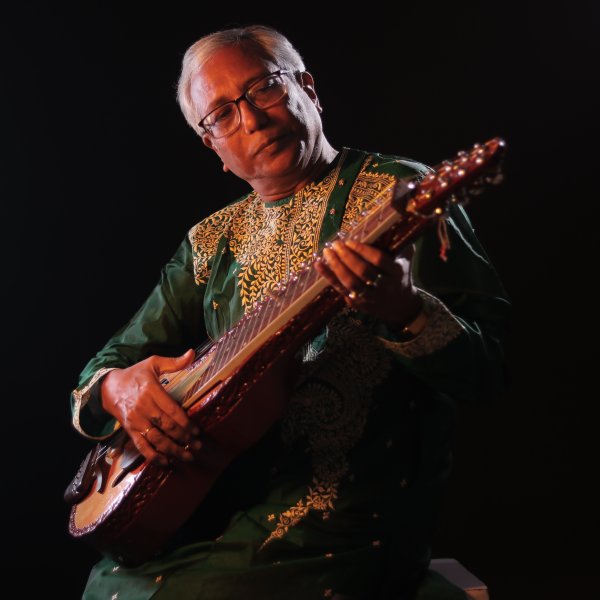 دیباسیس چکرورتی
 -
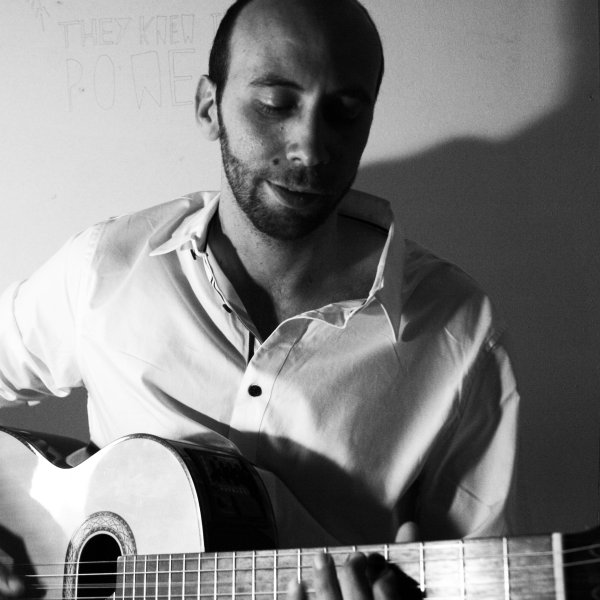 جولیانو موڈاریلی
 -
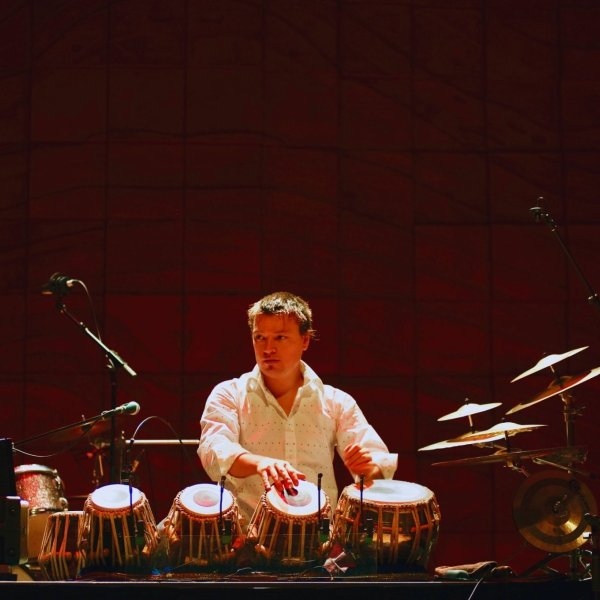 سیم ایوانز


ایونٹ کی تفصیلات
ریڈنگ کے موسیقی دوستوں کو ہمارا سلام। ہم کالا فیسٹیول 2026 کے تحت یونیورسٹی آف ریڈنگ کے دی گریٹ ہال میں "سلائیڈ اینڈ اسٹرم آن دی مسٹک فریٹس" پیش کرتے ہوئے فخر محسوس کرتے ہیں — یہ ایک منفرد سفر ہے جو ہندوستانی اصیل موسیقی کی قدیم روایات کو مغربی گٹار بجانے کی آزادی سے جوڑتا ہے।
اس خصوصی شام میں تین عظیم فنکاروں کا بےمثال اشتراک ہوگا: ہندوستانی سلائیڈ گٹار کے استاد پنڈت دیباشیس چکروبرتی، ہندوستان سے آئے; گٹارسٹ جیولیانو مودیریلی، یوکے سے; اور سیم ایوانس طبلے پر، آسٹریلیا سے।
اس مجلس میں ہندوستانی سلائیڈ گٹار کی روحانی مدھم آواز مغربی گٹار کی بھرپور دھنوں سے ہمکلام کرےگی، طبلے کی لے دہی لی مہارت کے ساتھ। یہ مجلس روایت اور جدت دونوں کا احترام کرتے ہوئے ایک گہرے موسیقی مکالمے کا وعدہ ہے।
اصیل بنیاد
پہلا حصہ ہندوستانی اصیل موسیقی کے خالص جوہر کو اجاگر کرےگا — آلاپ اور جوڑ سمیت ایک دل نشین راگ محور بندش (20 منٹ)، پھر روپک (7 ماترا) اور جھپتال (10 ماترا) میں 15-15 منٹ کی دو بندشیں। یہ حصہ جوڑی گٹار کی خاص سریلی کے ذریعے راگوں کی گیتیتا اور بدیہی کی گہرائی پیش کرتا ہے।
فیوژن کے افق
وقفے کے بعد دوسرا حصہ تخلیقی تجربے کے دروازے کھولتا ہے — 10-10 منٹ کے تین بدیہی پر مبنی فیوژن ٹکڑے، جہاں ہندوستانی اور مغربی موسیقی کے عناصر، لے اور بناوٹ بےساختہ گھل جائیں گے।
یہ حصہ موسیقی دریافت کی خوشی کا جشن ہے — جہاں گٹار طبلے کے ساتھ سر، ہمآہنگی اور لے کو خود بخود اور دلکش طریقے سے بنتا ہے، اور شبد کی گہری گونج سنائی دیتی ہے।
مقام کی معلومات

Frequently Asked Questions
What time does it start, and when will it finish?
Doors open at 5:30 PM. The music starts at 6:00 PM and finishes around 8:30 PM, with an interval between the classical half and the fusion half.
Come at door time rather than start time. The opening Alap is the quietest music of the evening and it sets up everything that follows.
What do tickets cost?
General admission is £27. Students pay £15 and should bring ID to the door. The £22 early bird closed on 26 August.
If you are coming to the afternoon concert as well, the £50 Full Day ticket covers both.
What is the difference between the two halves?
The first half is Indian classical. It opens with a raga in Alap and Jod, the unmetered introduction where the raga unfolds before any drum enters. Two shorter compositions follow, set in Rupak and Jhaptal, cycles of seven and ten beats.
The second half is fusion. Three improvised pieces where the Indian slide guitar and the Western guitar work against each other over tabla, trading melody, harmony and rhythm.
The order is deliberate. You hear what the tradition sounds like on its own terms first, then hear what happens when it meets something else.
What is a Western guitar doing in an Indian classical concert?
Giuliano Modarelli did not arrive at this music from the outside. He studied sitar and sarod under Indian masters and has spent years working out how raga phrasing sits on a fretted Western instrument.
The guitar brings something the Indian instruments do not: harmony. Indian classical music is built on melody over a drone, with no chord movement underneath. When the guitar adds harmony behind a raga line, you hear the same melody carrying a second meaning.
That tension is what the second half explores.
There are two Reading concerts on 12 September. What is the difference?
Two separate concerts at The Great Hall, each with its own ticket. Bow, Beat, and Breath runs at midday, a sarangi and tabla pairing that swaps lead and accompanist at the interval. Slide & Strum on The Mystic Frets follows in the evening, with Indian slide guitar, Western guitar and tabla moving from classical raga into fusion.
The timings leave room for both. The afternoon ends around 2:30 PM and evening doors open at 5:30 PM.
Is there a ticket for both Reading concerts?
Yes. The Full Day ticket is £50 and covers both concerts at The Great Hall on 12 September: Bow, Beat, and Breath at 12:00 PM and Slide & Strum on The Mystic Frets at 6:00 PM.
Bought separately, two general admission tickets come to £54. The Full Day ticket stops selling when the afternoon concert starts at 12:00 PM, so book it before the day if you want both.
What do I do between the two Reading concerts?
The afternoon concert ends about 2:30 PM. Doors for the evening open at 5:30 PM, which leaves three hours in between.
The Great Hall is a short walk from Reading town centre, where there are plenty of places to eat. If you are holding a Full Day ticket, keep it with you: you will need it again at the door in the evening.
What is an Indian slide guitar?
A guitar laid flat across the lap and stopped with a steel bar instead of fingers on frets. Extra sympathetic and drone strings ring underneath the melody without being struck.
Because the bar never leaves the string, one note travels into the next without a break. A fretted guitar steps between notes. This one slides, which is how it comes to imitate a singing voice.
What is a tabla?
A pair of hand drums. The smaller wooden one sits under the right hand and carries the pitch. The larger metal one under the left hand supplies the bass and bends it, by pressing the heel of the palm into the head while striking.
The black circle on each head is what makes the sound recognisable. It weights the skin so the drum rings at a definite pitch rather than thudding.
میں اپنا ٹکٹ کیسے حاصل کروں؟
ٹکٹ آپ کی تصدیقی ای میل میں ہی موجود ہے۔ داخلی دروازے پر اسے اپنے فون پر دکھا دیں، یا کاغذ پر پرنٹ نکال کر ساتھ لے آئیں۔
ای میل نہ پہنچی ہو تو پہلے اپنا اسپیم فولڈر دیکھیں۔ پھر بھی نہ ملے تو [email protected] پر لکھیں، ہم دوبارہ بھیج دیں گے۔
When should I arrive?
Come at the door time on the event page rather than at the start time. It gives you room to find a seat and settle.
The concert opens with an alap, the slowest and quietest stretch of the evening. Walking in during it costs you the part that sets up everything after.
Is seating allocated?
No. Seating is unreserved, so pick any free seat when you arrive.
Arriving at doors rather than at the start gets you the closer rows, which is where this music rewards you most.
Is there an interval?
Yes. The concert runs in two halves with a short interval between them.
The first half holds the classical raga set. The second opens out, and on most of our bills it changes either the players or the form.
What should I wear?
Whatever you are comfortable sitting in for a couple of hours.
Our audiences turn up in jeans and in saris on the same night, and neither looks out of place.
I have never been to an Indian classical concert. Will I follow it?
Yes. You do not need to recognise a raga or count a taal to follow what happens on stage.
The music opens at a crawl with no pulse at all, then the tabla enters and the rhythm takes hold. That shape repeats through the evening, and most people read it by the second piece. Sit close and give the opening time.
Can I photograph or film the performance?
No, not during the performance. The musicians improvise, and a raised phone or a lit screen pulls the room out of the music. Put the camera away and stay with the sound.
If you are covering the concert for press, or need to record for another reason, write to [email protected] before the day. Filming without that permission is not allowed.
Can I use my phone during the concert?
Switch it off or set it to silent before the music starts, and leave texting until the interval.
This holds for the whole concert. A single screen lighting up in a quiet hall reaches the stage.
I can no longer attend. Can I have a refund?
Ticket sales are final once confirmed. If something has come up, write to [email protected] at least 7 days before the event and tell us what happened.
We look at each request on its own merits. A refund is not guaranteed, and we cannot consider requests inside the last week.
What happens if the event is cancelled or moved to another date?
You choose between a full refund and a transfer to the new date or an equivalent concert.
Refunds for a cancelled event go back to your original payment method within 7 to 14 business days. You do not need to claim them.
How do I get to The Great Hall, Reading?
The Great Hall sits on the London Road Campus of the University of Reading, RG1 5AQ, just east of the town centre.
Trains from London Paddington reach Reading station in about half an hour. From the station it is a 25 minute walk, or a short taxi ride. Buses run out along London Road from the town centre.
Driving? See where to park.
Where do I park at The Great Hall, Reading?
Use the White Gates Car Park on the London Road Campus, postcode RG1 5AG.
Spaces go first come, first served, and they get tight at busy times. Leave yourself a margin, or come in by public transport.
Is The Great Hall in Reading accessible?
Yes, The Great Hall is accessible.
Wheelchair spaces have to be booked ahead. Write to [email protected] once you have your ticket and we will arrange it with the venue.
I have access needs. Who do I talk to?
Write to [email protected] before you book and tell us what you need.
Wheelchair spaces and seats near the stage need arranging with the venue in advance, so the earlier you write, the more we can do.
Have more questions? Contact our support team and we'll be happy to help!