

ابدی بازگشت: قدیم آواز سے لے کر کیمبرج میں جدید تاروں تک
- #کیمبرج
- #بالمشافہ
- ستمبر 21, 2025
- اتوار
- 6:30 ب.ظ
- 2 گھنٹے, 30 منٹ
- Lee Seng Tee Hall
- کیمبرج, سلطنت متحدہ
اپنے ٹکٹ حاصل کریں

ایونٹ کا خلاصہ
پرفارم کرنے والے فنکار
پرفارم کرنے والے فنکار
-
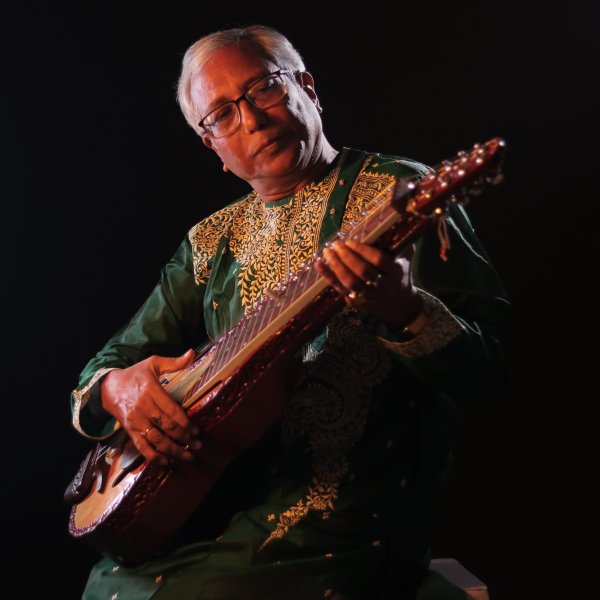 دیباسیس چکرورتی
-
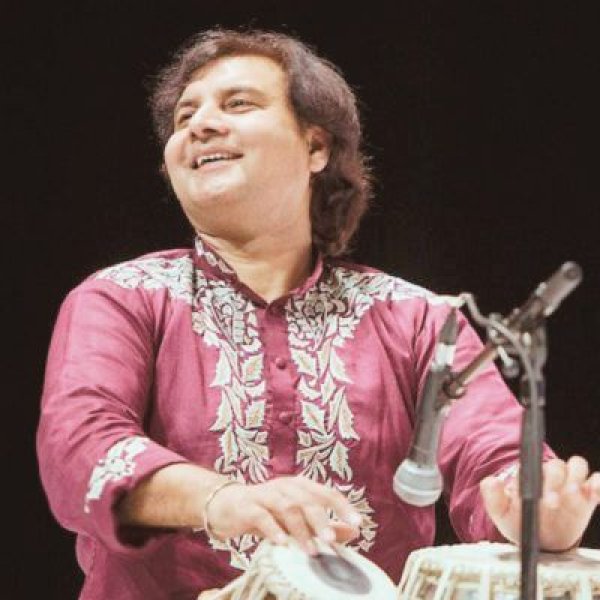 اکرم خان
-
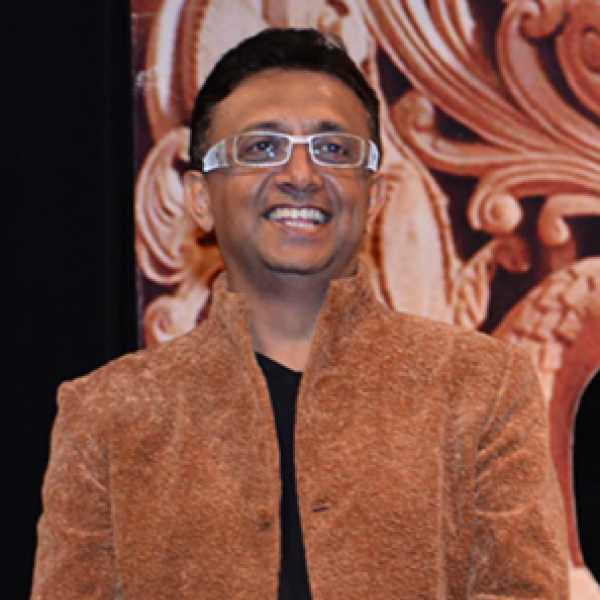 دیپک شاہ


ایونٹ کی تفصیلات
اتوار 21 ستمبر 2025 کو کیمبرج کے لی سینگ ٹی ہال میں، کلا فیسٹیول 2025 کے تحت، بھارتی کلاسیکی موسیقی کی ایک ہی شام میں قدیم گائیکی اور جدید تار کے ساز یکجا ہوتے ہیں۔ پہلے حصے میں لائیو دھرپد گائیکی ہوتی ہے۔ وقفے کے بعد ٹرینیٹی ٹریو کی باری ہے: سلائیڈ گٹار نواز پنڈت دیباسیس چکرورتی، راگ پیانو نواز دیپک شاہ اور طبلہ نواز استاد اکرم خان۔ داخلہ شام 6 بجے سے شروع ہوتا ہے، اور پروگرام شام 6.30 بجے سے رات 9 بجے تک چلتا ہے۔
دھرپد بھارت کی قدیم ترین گائیکی کی روایتوں میں سے ایک ہے، اور اس کا انداز غور و فکر اور مراقبے سے بھرپور ہے۔ گائیکی کے ساتھ طبلے کی سنگت ہوتی ہے۔ تانپورے پر زیورخ سے اشتار ڈوبلر ہیں۔ تانپورہ لمبی گردن والا تار کا ساز ہے، جو مسلسل بنیادی سُر کو تھامے رکھتا ہے۔ آواز اور یہ بنیادی سُر مل کر ایسا محویت بھرا ماحول بناتے ہیں جو آپ کو اپنے اندر کی طرف لے جاتا ہے۔
ٹرینیٹی ٹریو طبلے کی بنیاد پر انڈین سلائیڈ گٹار اور پیانو کو یکجا کرتا ہے: کلاسیکی جڑوں پر کھڑا ایک جدید امتزاج۔ تینوں موسیقار فیسٹیول کے لیے بھارت سے آتے ہیں اور برطانیہ بھر میں پروگرام پیش کرتے ہیں۔ اپنی نشستیں اسی صفحے پر بک کریں۔
The piano helps me speak the language of ragas in a new way. It’s where my heart finds balance between tradition and imagination.
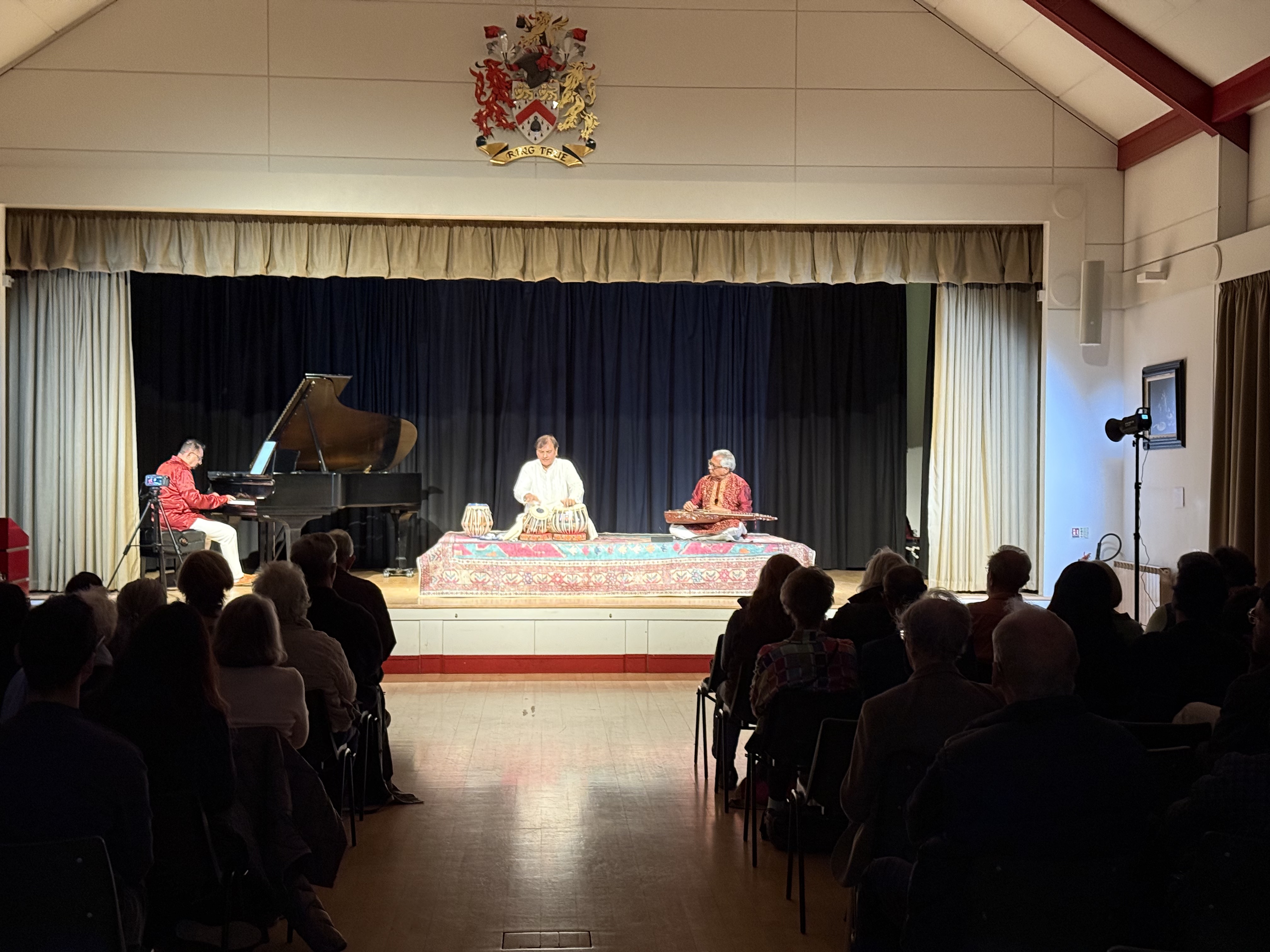
Venue information
Attendee reviews
Ratings describe the event experience.
-
Event Attendee
Event experience 5/5
Hi everybody. It's been a lovely lovely concept tonight. KalaSudha came to my attention for the first time and I would thoroughly, recommend any of their productions in future. It came to me via feed that my wife subscribes to and open week or weekend. Whatever she said that you might be interested. Look, we are interested. I'm going to tell her of. I say look, we would have been interested. It's a matter of both. Yes, so I take future reference. She comes to these and I do have to thank her for introducing me to your group. Thank you very much.
-
Event Attendee
Event experience 5/5
A really enjoyable evening, spiritual in its own way. I'm not particularly spiritual, but it's a very moving performance and elements of I suppose little elements of jazz piano and ambient piano. Um, really enjoyable night for both acts. I'd definitely come again. would recommend. Thank you.
-
Event Attendee
Event experience 5/5
It is an amazing performance by renowned artists from india. It is a very well organized event and the mellifluous beats of different instruments. It really made me transcend into a different zone altogether. It is incredible. I'm just awestruck by the beauty of Indian classical music and the diversity as well, which is really good.
-
Event Attendee
Event experience 5/5
Everything was gift for me. It was awesome. I really liked in the second part when he sang at the same time like he did and then he started. That was amazing. I wish I could start every morning like this.
-
Event Attendee
Event experience 5/5
So everything was really lovely. I think it was also really fun to see the fusion with the piano and the slide guitar. So, that was new for me. It's a little bit difficult to understand at first. A lot of impromptu going back and forth, understanding what the other player is doing. But I think once they sort of understood how it goes, you can really appreciate and enjoy it.
-
Event Attendee
Event experience 5/5
There was an introduction for me to this music, and so I shall definitely explore it soon. Yes, It was inspiring.
-
Event Attendee
Event experience 5/5
I just enjoyed everything. I mean, in the first part, in the first half of the concert, it was absolutely wonderful how the vocalist just used his body, his voice — it was just extraordinary to me. I've never heard anything quite like that before. It's just wonderful. And in the second half, I could just feel the music all the way through my body. It was just brilliant. And in the second half, I just loved it as well. I mean, they were all musicians who were just brilliant
Showing 3 of 7 reviews
اکثر پوچھے جانے والے سوالات
Where can I hear live Indian classical music in Cambridge, England, which venues has KalaSudha used for its Cambridge concerts, and where are new Cambridge dates listed?
KalaSudha presents live Indian classical music in Cambridge, England, and lists each concert on its Cambridge page with a link to book. To hear when the next Cambridge date is set, read how to hear about new Cambridge concerts.
KalaSudha has presented concerts at West Road Concert Hall, Lee Seng Tee Hall at Wolfson College and Cambridge Junction. For the artists, see which artists have played Cambridge.
Who is the Indian slide guitarist Pandit Debasis Chakroborty, the senior-most disciple of Pandit Brij Bhushan Kabra?
Pandit Debasis Chakroborty is a Hindustani slide guitarist and the senior-most disciple of Pandit Brij Bhushan Kabra, and his playing reflects Kabra's style. His name is also written Debasis Chakraborty. He plays in the Senia-Maihar gharana and has taught since 1992.
He has been part of the Department of Performing Arts at Mangalayatan University since its inception, and returns to universities in Australia and the USA as a conductor-performer and artist-in-residence. He helped carry out a joint music research project between Mangalayatan University and Monash University, and has published 10 research papers.
Who is the tabla player Ustad Akram Khan, and what is his lineage?
Ustad Akram Khan is a tabla player and the seventh generation of his family in the Ajrara gharana. His father was Hashmat Ali Khan. As a boy he trained first with his great-grandfather, Mohammad Shafi Khan, and later with Niazu Khan. For over four decades he has kept the gharana's repertoire alive, and he preserves more than 15 of its classic qaidas through his teaching and concerts. He made his international debut in Norway in 1987 and has played on All India Radio more than 800 times.
What is an Indian slide guitar, how is it played, and where can I learn it?
The Indian slide guitar is a guitar laid flat across the lap and stopped with a steel bar instead of fingers on frets. It is an instrument of Hindustani classical music, the classical music of North India. Sympathetic strings ring underneath the melody unstruck, and the player plucks extra drone (chikari) strings.
The bar never leaves the string, so one note travels into the next without a break. For its history and players, see the Indian slide guitar page. You can learn it with KalaSudha in the online academy.
What is the Ajrara (Ajrada) gharana of tabla, where did it begin, and what is it known for?
The Ajrara gharana, also spelt Ajrada, is a school of tabla that arose in the late 18th or early 19th century in the village of Ajrara, in Meerut district. Most accounts trace it to two brothers, Kallu Khan and Miru Khan, who learnt in Delhi, making it an offshoot of the Delhi gharana. Its players add the ring finger to the Delhi technique. It is best known for qaidas, themes with set variations, in aad laya, three strokes to every two beats. Ustad Akram Khan plays in the gharana today.
Have more questions? Contact our support team and we'll be happy to help!