Main Discipline

Vocal

गीत

Raga, tala and text in the voice, the model for Hindustani and Carnatic instruments

Carnatic & Hindustani The original instrument
Sub-disciplines
2
Courses
0

Indian classical vocal music (Sanskrit gita, Hindi geet) is singing built on raga and tala, in two traditions: Hindustani, with forms such as khayal, and Carnatic, with the kriti.

Rich Heritage

Sanskrit music theory starts with the Natya Shastra, a treatise on drama attributed to Bharata and dated to about 200 BCE to 200 CE. North and south began to drift apart in the 12th and 13th centuries, and the Sangita Ratnakara, written by Sarngadeva at the court of Devagiri in the early 13th century, is the last major treatise both traditions share. The split was clear by the 16th to 17th centuries. In the north, dhrupad peaked in the 16th century. Khayal (also spelt khyal) reached its classic form through Niyamat Khan Sadarang at Muhammad Shah's court, and since the 19th century it has been the most widely performed Hindustani vocal genre. Lucknow gave thumri its familiar form at Wajid Ali Shah's court. In the south, Nayaka and Maratha patrons at Thanjavur shaped Carnatic music from the 17th century. The Trinity of Carnatic music, Syama Sastri, Tyagaraja and Muthuswami Dikshitar, were active in the late 18th and early 19th centuries. Most accounts credit Tyagaraja with perfecting the three-part kriti. The concert order most Carnatic singers follow today traces to Ariyakudi Ramanuja Iyengar.

Artistic Philosophy

The tradition places the voice first. The Sangita Ratnakara treats sangita, the whole art of music, as song, instrumental music and dance, and expounds song first, reasoning that dance follows instruments and instruments follow the voice. Influence has also run the other way: Ludwig Pesch hears vina technique in several Carnatic ornaments. A Carnatic concert sets improvised forms beside its compositions, among them raga alapana, an unmetered exposition of the raga, and niraval, melodic variation on one line of text. A Hindustani singer opens with the alap, an unmetered unfolding of the raga before the drum enters. Notation records only the outline, so the music passes orally from teacher to student in the guru-shishya parampara, through close listening, imitation and long practice. In the north these lineages are called gharanas, or schools; Carnatic musicians speak of sampradaya, tradition, and bani, personal style. Carnatic students begin with graded exercises credited to Purandara Dasa.

Featured Artists

Discover renowned Vocal performers and maestros

Premkumar-Mallick-Darbhanga-Gharana-Dhrupad

Premkumar Mallick

Dhrupad

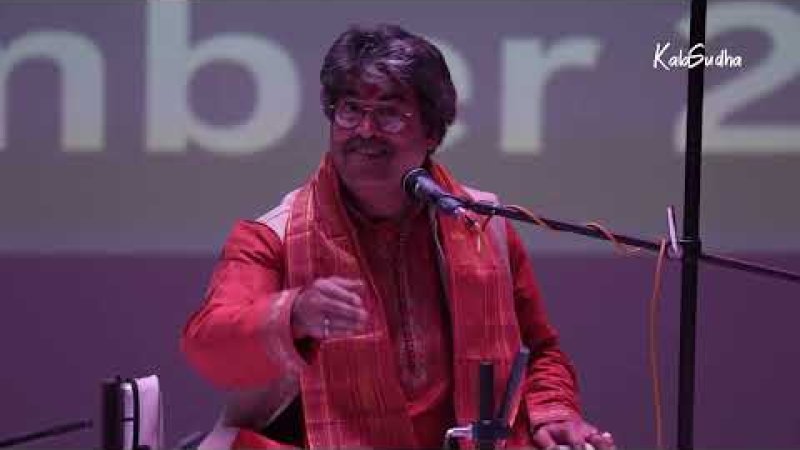
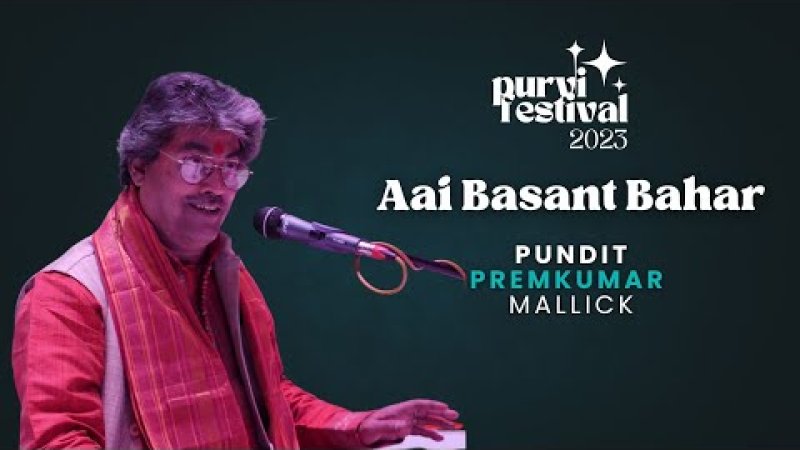
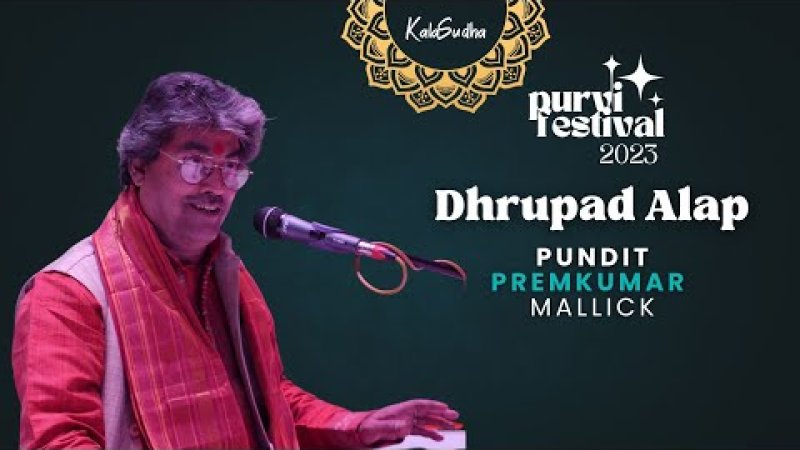
Pandit Premkumar Mallick is a leading Dhrupad vocalist of the Darbhanga Gharana, known for his profound alap, powerful voice, and deep lineage, carrying forward a centuries-old classical tradition.
Prayagraj, India
Tejaswini-Digamber-Vernekar

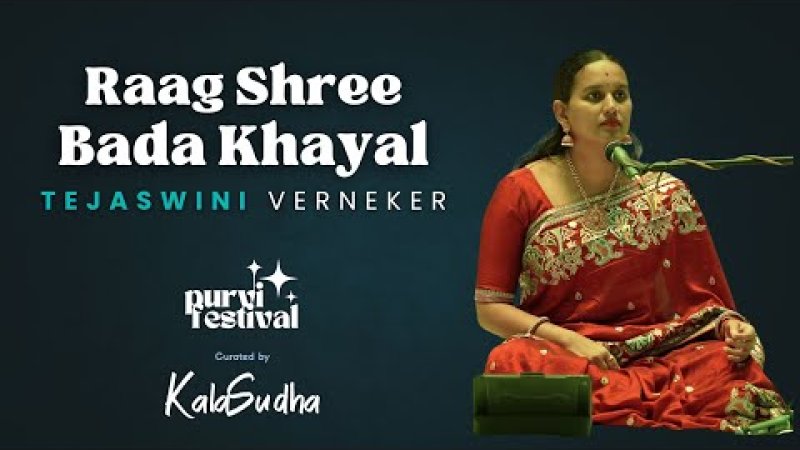
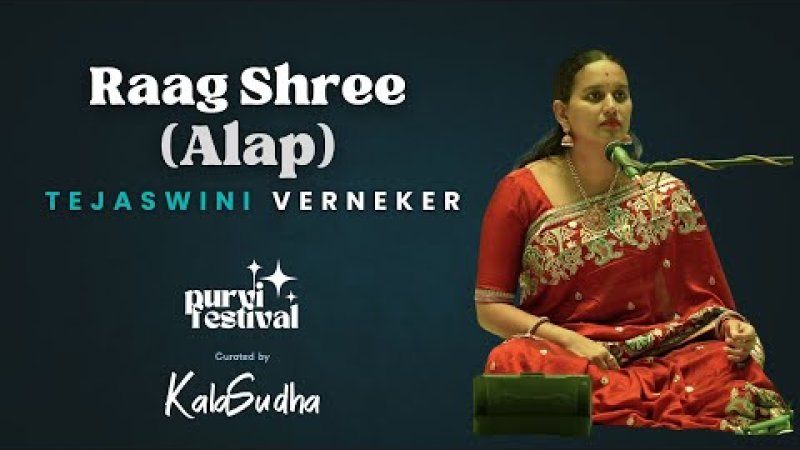
Tejaswini Digamber Vernekar

Khayal

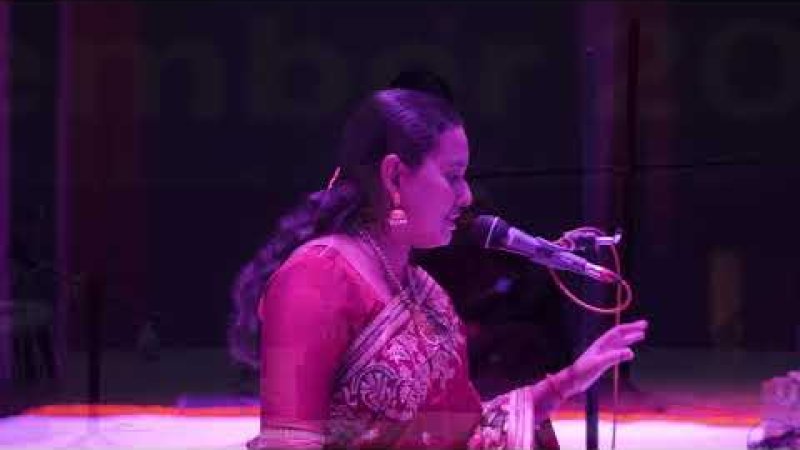
Tejaswini Vernekar is a distinguished Indian classical singer, BHU gold medalist & All India Radio graded artist. She has performed widely and trained under eminent gurus, bringing raga mastery to
Varanasi, India

Stay close

Keep KalaSudha close.

Receive news of concerts, learning opportunities, recordings and the work taking shape at KalaSudha.
  • Concert news
  • Learning opportunities
  • Recordings and stories

We respect your privacy. Unsubscribe at any time.