

Reading Raga Resonance: Slide & Strum on The Mystic Frets
- #Reading
- #Vor Ort
- SEP 12, 2026
- Samstag
- 6:00 PM
- 2 Stunden, 30 Minuten
- The Great Hall, Reading
- Reading, Vereinigtes Königreich
Sichern Sie sich Ihre Tickets

Veranstaltungsübersicht
Höhepunkte der Veranstaltung
Three continents, one stage
A lineage that shaped modern Indian music
A guitarist who studied Indian music from the source
Australia's only PhD in tabla, trained by Zakir Hussain
Classical first, then fusion
Returning to Reading by popular demand
Auftretende Künstler
-
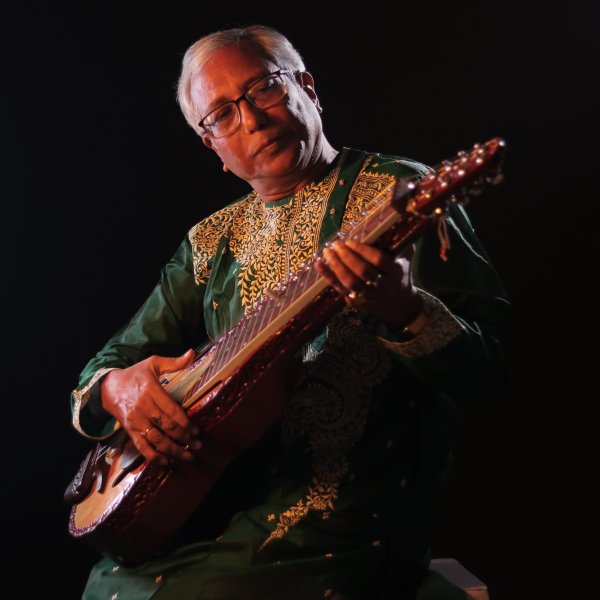 Debasis Chakroborty
-
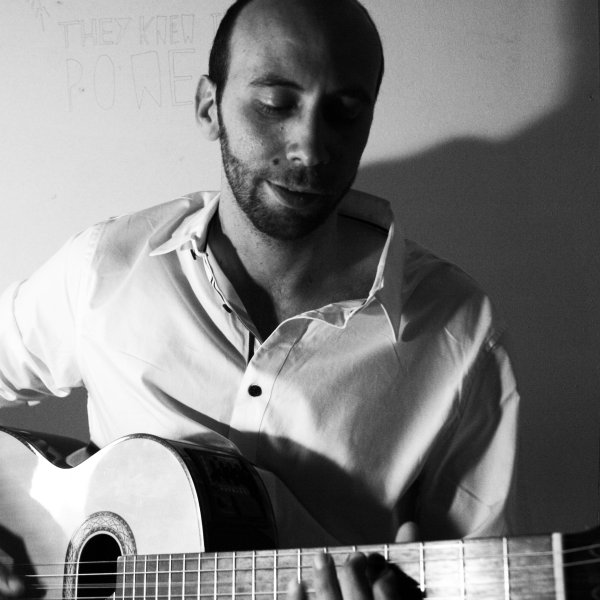 Giuliano Modarelli
-
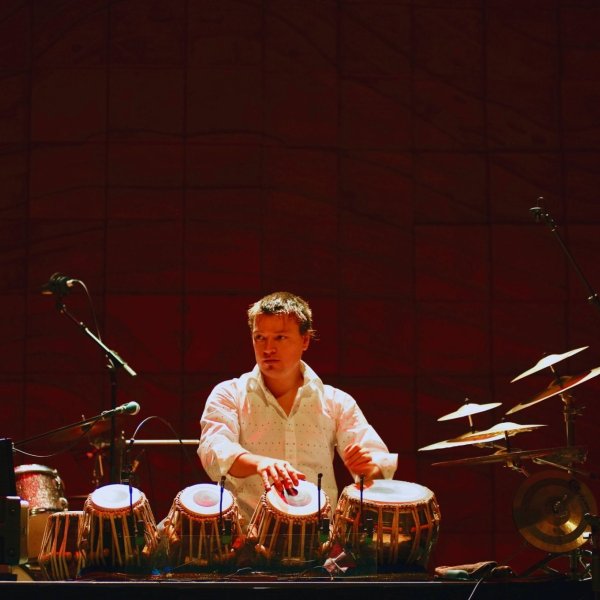 Sam Evans


Veranstaltungsdetails
Liebe Musikliebhaber aus Reading, wir freuen uns, im Rahmen des Kala Festival 2026 “Slide & Strum on The Mystic Frets” in der Great Hall der Universität Reading präsentieren zu dürfen — eine einzigartige musikalische Reise, die die uralte Tradition der indischen klassischen Musik mit der Freiheit der westlichen Gitarre verbindet.
Dieser besondere Abend bringt drei außergewöhnliche Künstler zusammen: Indian Slide Guitar-Meister Pandit Debasis Chakroborty aus Agra, Indien; Gitarrist Giuliano Moderalli aus dem Vereinigten Königreich; sowie Sam Evans am Tabla aus Australien.
In diesem Konzert tritt der meditativen und spirituellen Klang der indischen Slide-Gitarre in Dialog mit den reichen Klangfarben der westlichen Gitarre, begleitet vom rhythmischen Genie des Tabla. Diese Aufführung verspricht einen außergewöhnlichen musikalischen Dialog, der sowohl Tradition als auch Innovation ehrt.
Klassische Grundlagen
Der erste Teil enthüllt die reine Essenz der indischen klassischen Musik — eine bewegende Raga-basierte Komposition mit Alap und Jod (20 Minuten), gefolgt von zwei Kompositionen in Rupak (7 Matras) und Jhaptal (10 Matras) von je 15 Minuten. Dieser Teil zeigt durch das einzigartige Timbre der Duo-Gitarren die melodische Schönheit des Raga und die Tiefe der Improvisation.
Fusion-Horizonte
Nach der Pause präsentiert der zweite Teil drei improvisierten Fusion-Stücke von je 10 Minuten — wo sich Prinzipien und Rhythmen der indischen und westlichen Musik harmonisch vereinen.
Dieser Teil ist ein Fest der musikalischen Erkundung — die Gitarren verweben gemeinsam mit dem Tabla spontan und fesselnd Melodie, Harmonie und Rhythmus, mit dem tiefen Nachhall des Shabd.
Venue information
The Great Hall, Reading
The Great Hall, University of Reading, London Road Campus, Reading, RG15AQ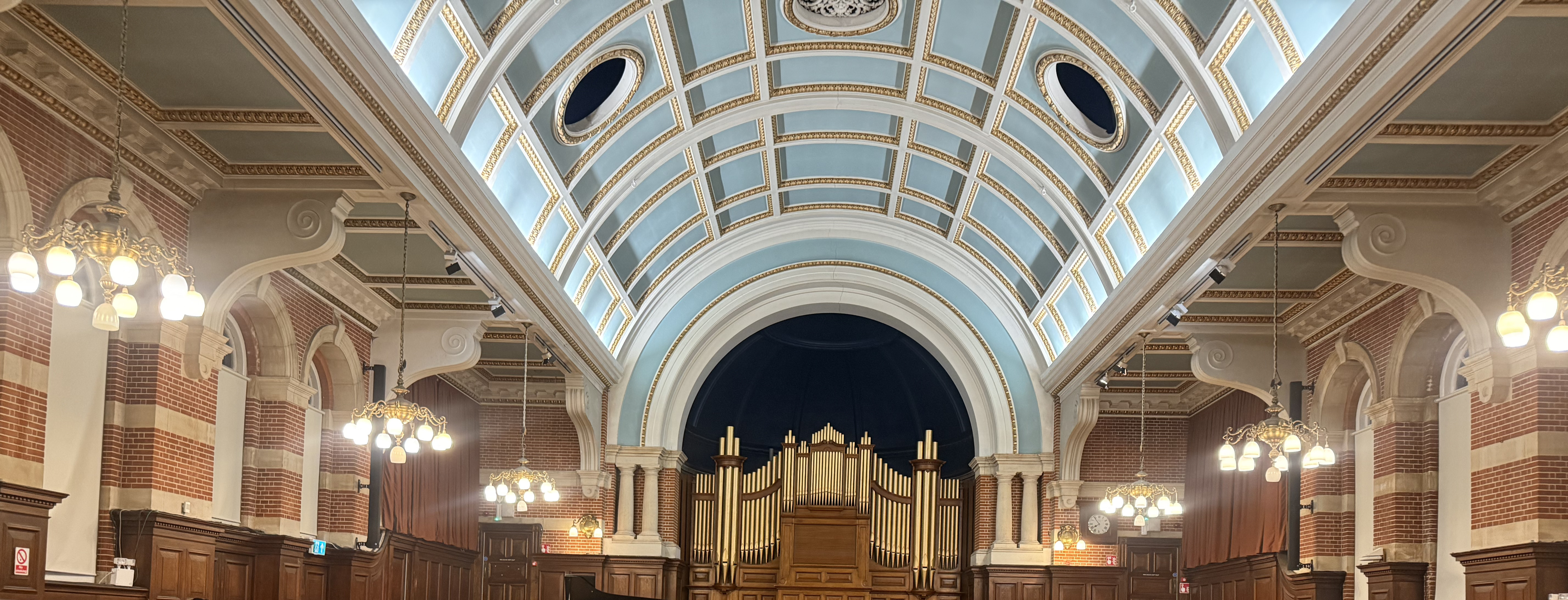
Häufig gestellte Fragen
What does the Western guitar add at Slide & Strum on The Mystic Frets in Reading?
The guitar adds harmony to a raga. At Slide & Strum on The Mystic Frets, The Great Hall, Reading, 12 September 2026, Giuliano Modarelli plays Western guitar with Pandit Debasis Chakroborty on Indian slide guitar and Dr Sam Evans on tabla.
Indian classical music sets melody over a drone, with no chord movement underneath. Modarelli builds chords behind the raga line, so you hear the same melody against changing harmony.
Modarelli studied Hindustani classical music under sitarist Dharambir Singh and the sarod players Buddhadev Dasgupta and Prattyush Banerjee, and plays it on guitar. His harmony comes forward in the fusion half: three improvised pieces where slide guitar and guitar trade melody, harmony and rhythm over tabla.
There are two Reading concerts on 12 September. What is the difference?
Two separate concerts at The Great Hall, Reading, on 12 September, each with its own ticket. Bow, Beat, and Breath starts at 12pm: sarangi and tabla, the two players swapping lead and accompanist at the interval. Slide & Strum on The Mystic Frets starts at 6pm, with Indian slide guitar, Western guitar and tabla playing a classical raga half, then a fusion half after the interval.
The afternoon concert ends around 2.30pm and evening doors open at 5.30pm, so you can attend both. The Full Day ticket covers the pair.
Where do I park at The Great Hall, Reading?
Park at the White Gates Car Park on the University of Reading's London Road Campus. Set your sat nav to RG1 5AG, the car park's postcode, and drive in from Crown Place, off the London Road (A4).
The campus has up to 200 spaces for Great Hall events. Spaces go first come, first served, and they get tight at busy times. Evening and weekend events need no parking permit.
Coming by train or bus? See how to get to The Great Hall.
Is The Great Hall in Reading accessible?
Yes, The Great Hall in Reading is accessible.
You need to book a wheelchair space ahead of the concert. Write to [email protected] once you have your ticket, and we will arrange it with the venue.
Where can I hear live Indian classical music in Reading, and how do I find out about the next KalaSudha concert there?
KalaSudha presents Indian classical music in Reading and lists each concert on its Reading page, with a link to book. To hear when the next Reading date is set, press Register for updates there or join the KalaSudha newsletter.
KalaSudha has presented concerts at The Great Hall on the London Road Campus, the University of Reading's original home, as part of the Kala Festival.
Who is the Indian slide guitarist Pandit Debasis Chakroborty, the senior-most disciple of Pandit Brij Bhushan Kabra?
Pandit Debasis Chakroborty is a Hindustani slide guitarist and the senior-most disciple of Pandit Brij Bhushan Kabra, and his playing reflects Kabra's style. His name is also written Debasis Chakraborty. He plays in the Senia-Maihar gharana and has taught since 1992.
He has been part of the Department of Performing Arts at Mangalayatan University since its inception, and returns to universities in Australia and the USA as a conductor-performer and artist-in-residence. He helped carry out a joint music research project between Mangalayatan University and Monash University, and has published 10 research papers.
Who is the guitarist Giuliano Modarelli, and how did he come to Indian music?
Giuliano Modarelli is a London-based Italian guitarist and composer who blends Indian classical music, jazz and contemporary world music. Born in Milan in 1977, he moved to England in 2000 and took a bachelor's degree in jazz at Leeds College of Music in 2003. He studied Indian music with the sitar player Dharambir Singh and the sarod players Buddhadev Dasgupta and Prattyush Bannerjee. He founded the collective Samay and the ensemble Kefaya, and he has worked with Ustad Shahbaz Hussain and Pandit Ajay Prasanna.
What is an Indian slide guitar, how is it played, and where can I learn it?
The Indian slide guitar is a guitar laid flat across the lap and stopped with a steel bar instead of fingers on frets. It is an instrument of Hindustani classical music, the classical music of North India. Sympathetic strings ring underneath the melody unstruck, and the player plucks extra drone (chikari) strings.
The bar never leaves the string, so one note travels into the next without a break. For its history and players, see the Indian slide guitar page. You can learn it with KalaSudha in the online academy.
What is the Senia-Maihar gharana, who founded it, and which KalaSudha artist plays in it?
The Senia-Maihar gharana is the sarod lineage that Allauddin Khan founded at Maihar, a former princely state, in the early 20th century. Most sources treat it and the Maihar gharana as one school spanning several instruments. "Senia" names the Tansen line, which Allauddin Khan joined as a disciple of Wazir Khan of Rampur. He brought a dhrupad approach to the sarod, sitar, violin and bansuri. Among KalaSudha's artists, Pandit Debasis Chakroborty plays in the gharana.
Have more questions? Contact our support team and we'll be happy to help!