

A Hundred Strings in London: Plucked and Struck
- #London
- #In-Person
- NOV 22, 2026
- Sunday
- 5:00 PM
- 2 hours, 30 minutes
- St Saviour's, Pimlico
- London, United Kingdom
Get Your Tickets

Promo reels
Event Summary
Performing Artists
Event Highlights
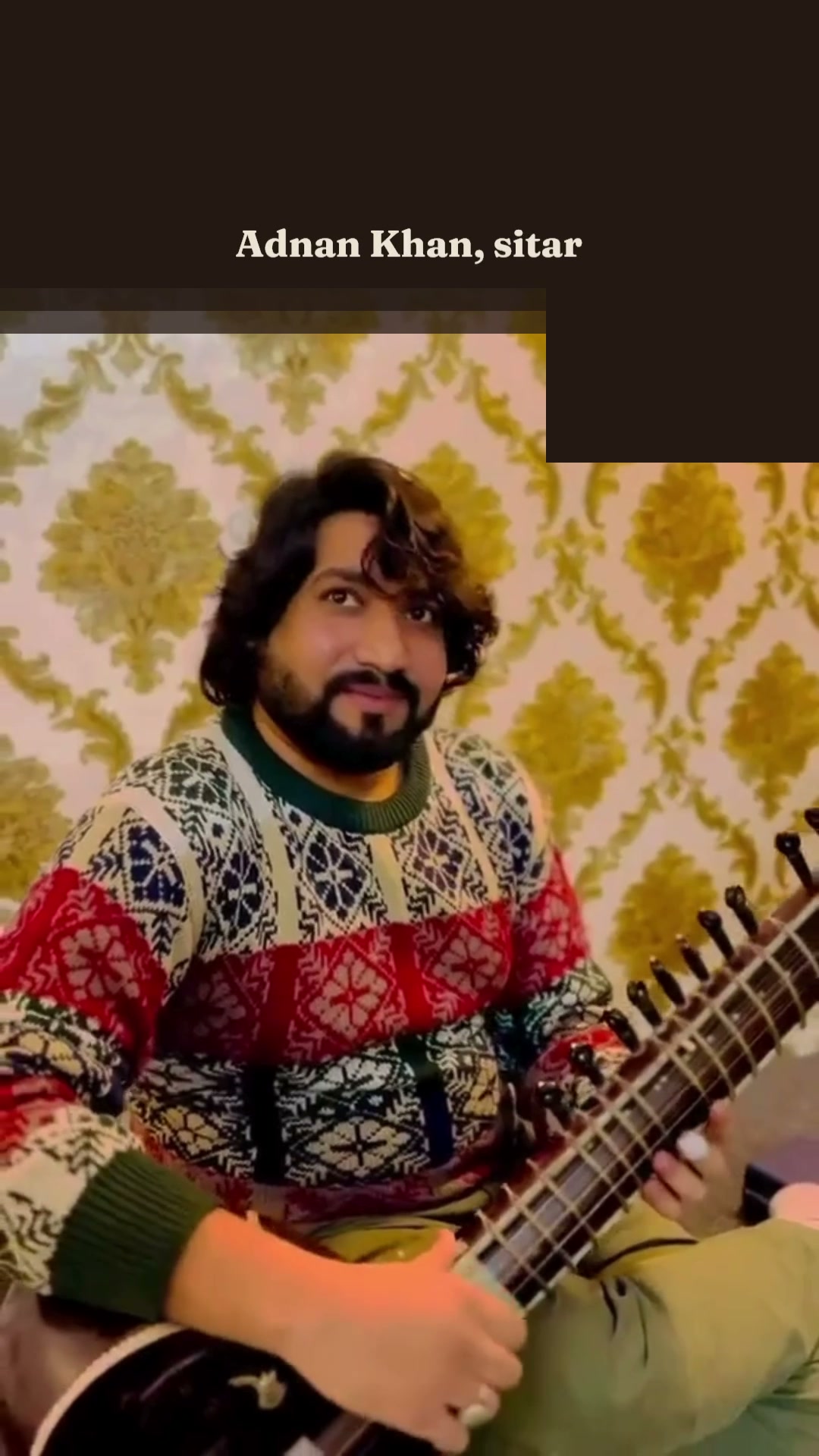
A Sitar, Plucked
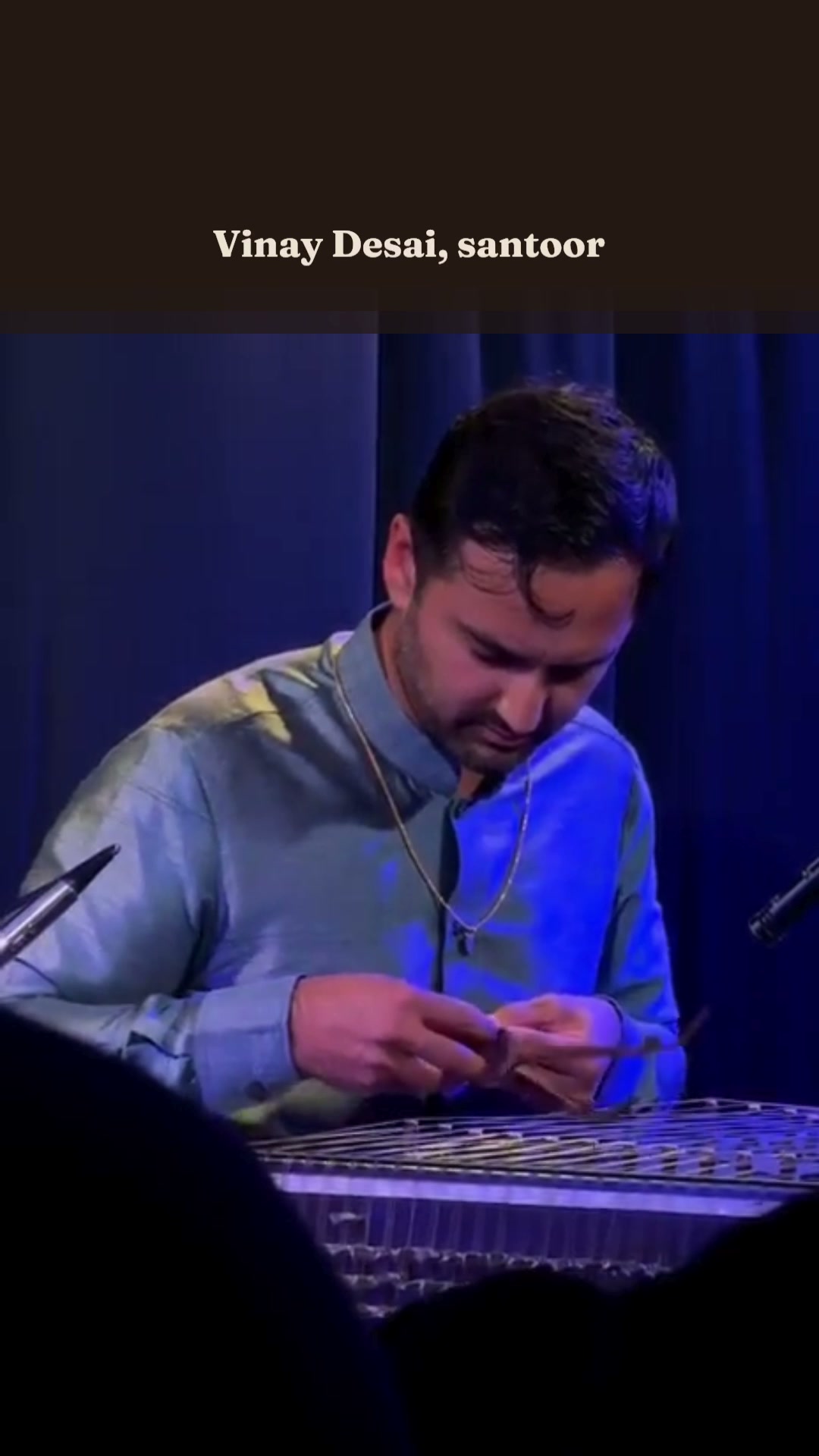
A Santoor, Struck
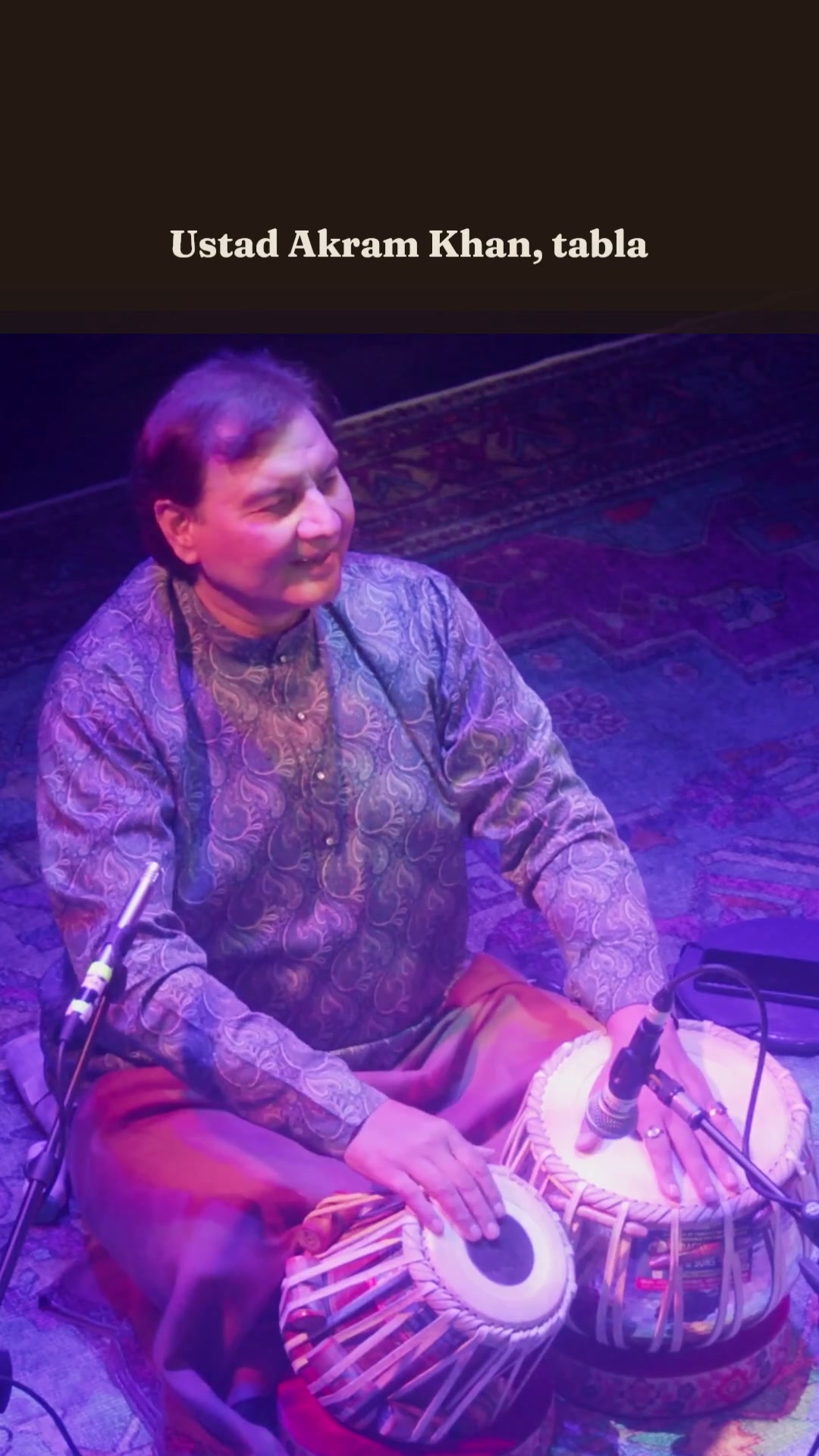
Tabla of the Ajrada Gharana
A Victorian Church in Pimlico
-
London Ragas Fusion: Flute, Piano, Tabla & Ghatam in Dialogue
-
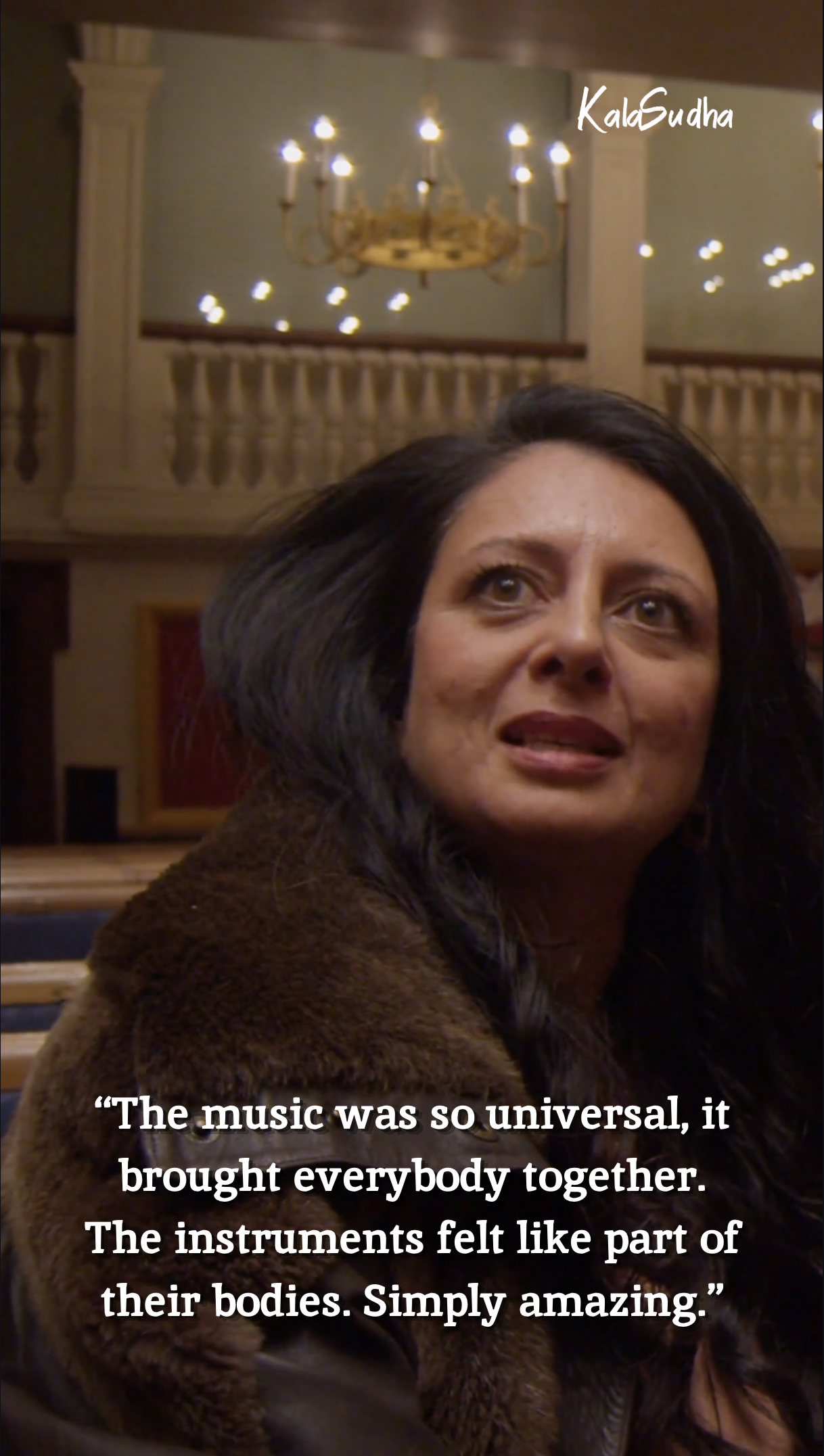
London Ragas Fusion: Flute, Piano, Tabla & Ghatam in Dialogue
-
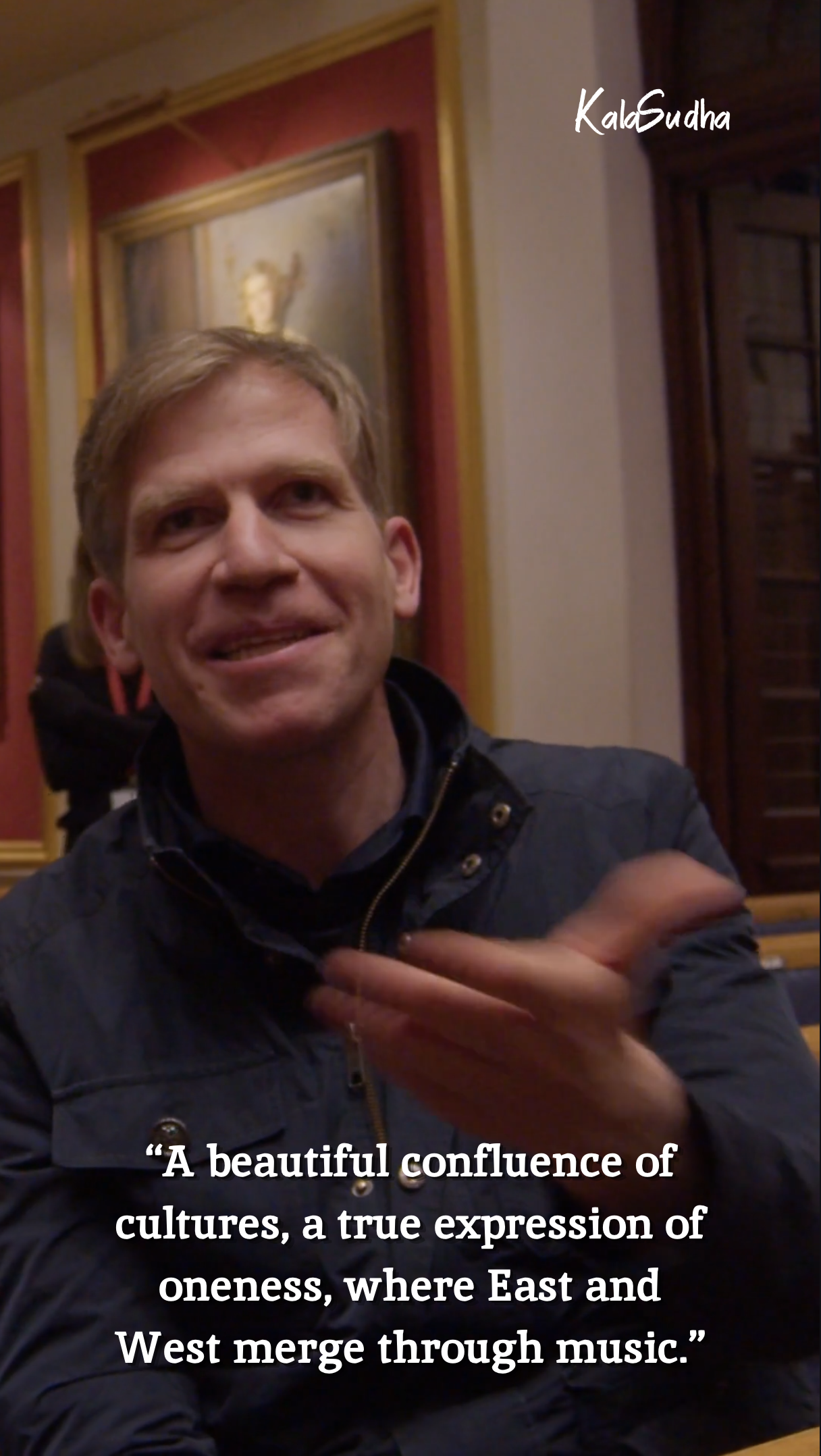
London Ragas Fusion: Flute, Piano, Tabla & Ghatam in Dialogue
-

London Ragas Fusion: Flute, Piano, Tabla & Ghatam in Dialogue
-
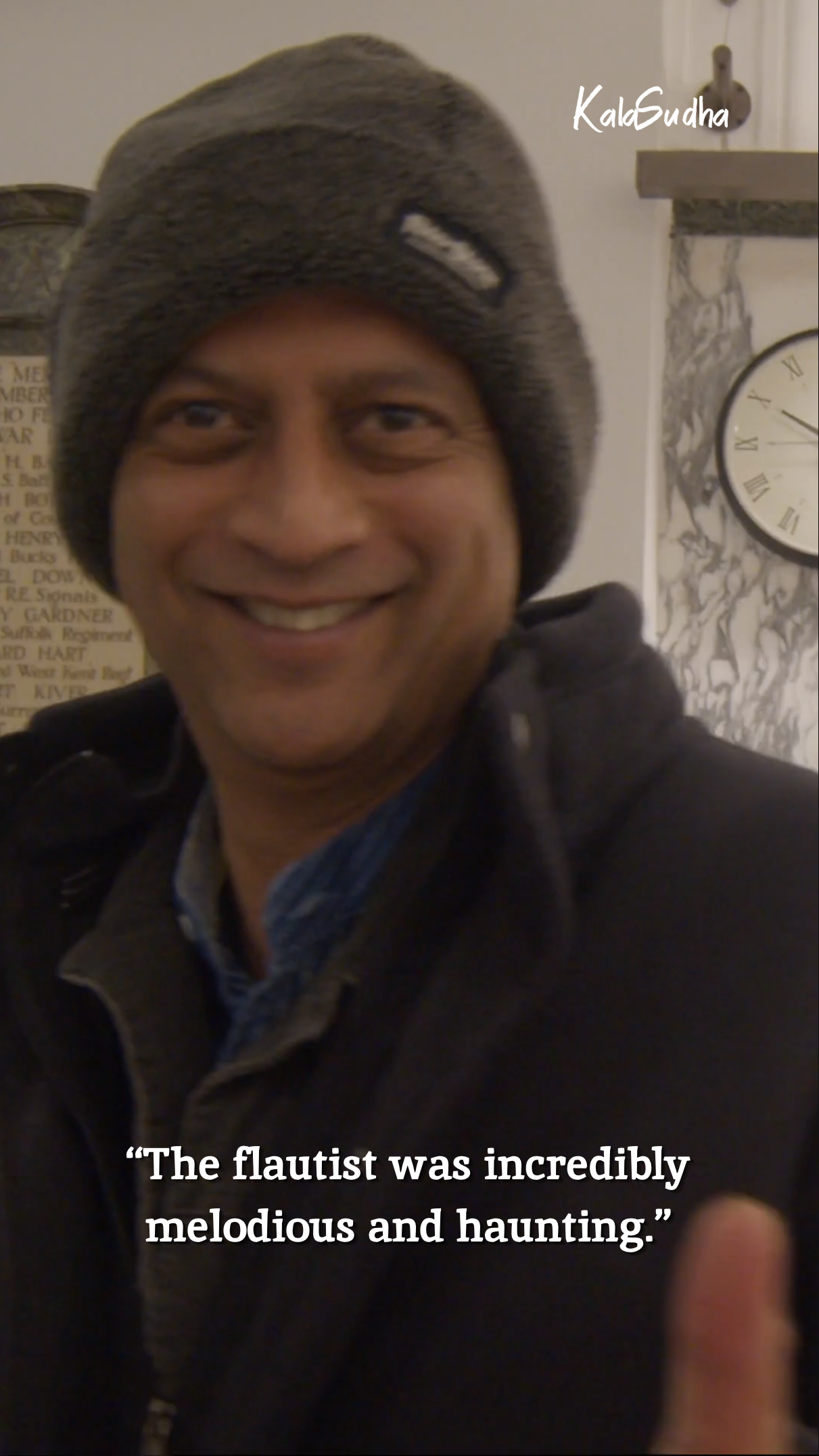
London Ragas Fusion: Flute, Piano, Tabla & Ghatam in Dialogue
Performing Artists
-
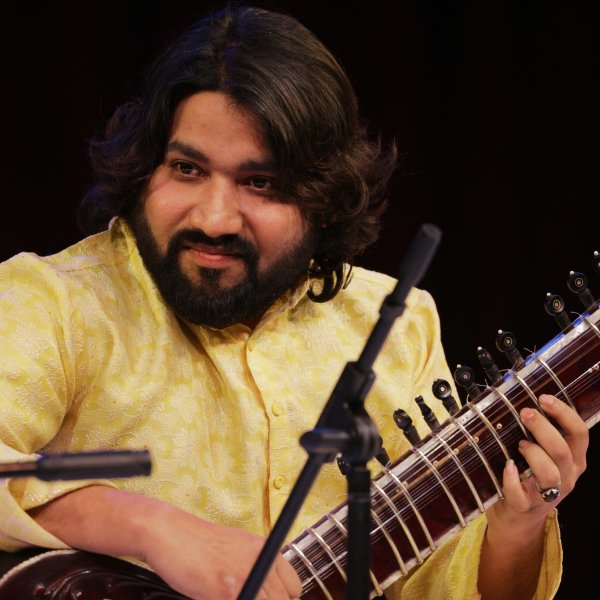 Adnan Khan
-
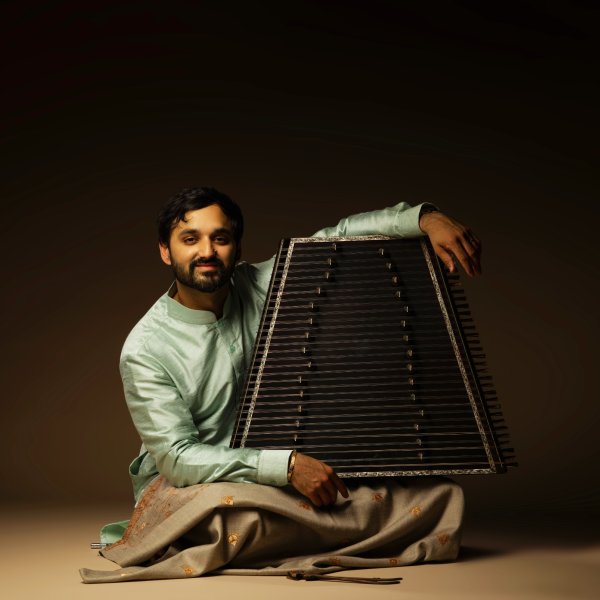 Vinay Desai
-
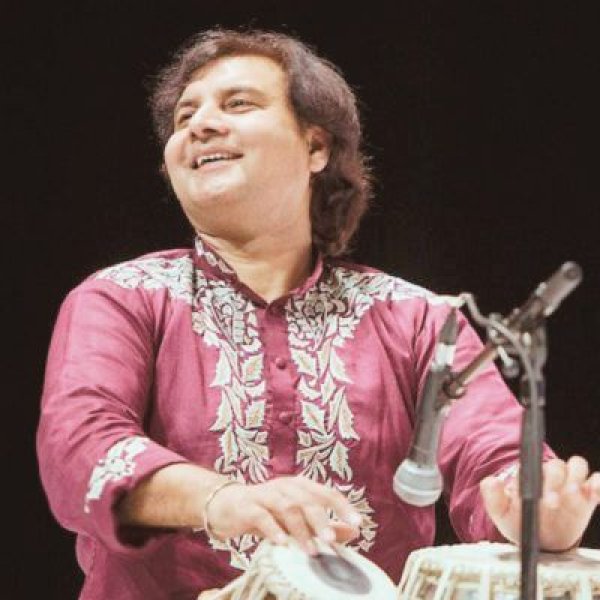 Akram Khan


Event Details
On 22 November A Hundred Strings comes to London, to St Saviour's on St George's Square in Pimlico. Adnan Khan plucks the sitar and Vinay Desai strikes the santoor.
Adnan Khan, a Grammy-nominated sitarist, plays in the gayaki ang, the approach that shapes the instrument after the singing voice. He slides between notes, holds a phrase and bends it, the way a singer does. He took his first lessons from his grandfather, the late Ustad Zafar Ahmed Khan, and trains with his father, the sitar player Ustad Saeed Khan.
Vinay Desai plays the santoor, Kashmir's hundred-stringed instrument, which he strikes with a pair of light wooden mallets. He cannot slide on it, so he phrases in runs and repeated strokes, and each note rings on after his hand has moved. He is a direct disciple of Padma Vibhushan Pandit Shivkumar Sharma, who carried the instrument from Kashmir's sufiana tradition to the classical concert stage.
Ustad Akram Khan plays tabla for both. He is the seventh generation of his family in the Ajrada Gharana. He learned from his great-grandfather Ustad Mohammad Shafi Khan, then from Ustad Niazu Khan, and teaches more than fifteen of the gharana's classic kaydas.
The same three musicians play Ragas by the Sea at the Palace Court Theatre in Bournemouth the evening before, Saturday 21 November.
St Saviour's has not yet published its access details. For access needs, contact us.
Doors open at 4:45 PM. Music starts at 5:00 PM.
Audience policy:
- Please do not film or take photographs without our permission.
- Please keep your phone away for the whole event, texting included.
Venue information

Frequently Asked Questions
What is KalaSudha's A Hundred Strings tour, who plays on it and where does it go?
A Hundred Strings is KalaSudha's tour of sitar, santoor and tabla. The name comes from the santoor, the hundred-stringed instrument of Kashmir.
The tour brings the sitar player Adnan Khan and the santoor player Vinay Desai together with the tabla player Ustad Akram Khan. In Manchester, Ustad Shahbaz Hussain also plays tabla. The sitar is plucked and slides between notes; the santoor is struck and cannot slide, so it moves in runs.
The tour plays Oxford, Manchester, Bournemouth and London.
How do I get to St Saviour's church in Pimlico, London, by Underground, bus, bike or car?
St Saviour's, Pimlico is on St George's Square, Pimlico, London SW1V 3QW. Pimlico on the Victoria line is the closest Underground station, and Victoria is under a ten-minute walk.
Buses 24, 360 and C10 stop outside the church, and routes 2, 36 and 185 run along Vauxhall Bridge Road. Cycle hire stands are outside the church, and Pimlico station has racks.
By car, there is street parking around St George's Square. Westminster controlled parking zones apply, so check the signs on the day for evening restrictions and charges. For step-free access, contact the parish office on 020 7834 9520 or [email protected] before you book.
Is St Saviour's church in Pimlico accessible, and who do I contact about step-free access, a wheelchair space or help with seating?
St Saviour's, Pimlico has not published its access details. If you need step-free access, a wheelchair space or help with seating, contact the parish office on 020 7834 9520 or [email protected] before you book. KalaSudha will then confirm arrangements for the evening.
For access at any KalaSudha concert, see who to talk to about access needs.
Where can I hear live Indian classical music in London, and which venues does KalaSudha use?
You can hear Hindustani (North Indian) classical music live in London at London Ragas, KalaSudha's concert series in London. Its evenings are baithaks: the audience sits close to the musicians. London Ragas can take place at different venues across London, and KalaSudha plans to add more baithaks in other parts of London. KalaSudha is based in London, so every concert tour it organises also plays London once.
See how to book tickets for a London concert and how to get to the venues.
Who is the sitar player Adnan Khan, who taught him, and what is distinctive about his playing?
Adnan Khan is a Grammy-nominated sitar player from Delhi who works in the gayaki ang, the approach that shapes the instrument after the singing voice. He took his first lessons from his maternal grandfather, Zafar Ahmed Khan, and trains with his father, the sitar player Saeed Khan. His uncle, the khayal singer Mashkoor Ali Khan, taught him the gayaki ang at the ITC Sangeet Research Academy in Kolkata. Melody leads in his playing, and a raga's notes keep their shape through his fastest runs.
Between 2009 and 2013 Adnan Khan was a senior A-grade scholar under Mashkoor Ali Khan at the ITC Sangeet Research Academy in Kolkata.
Who is the santoor player Vinay Desai, who taught him, and how does he play?
Vinay Desai plays the santoor, the hundred-stringed instrument of Kashmir, struck with two light curved mallets. He studied with Shivkumar Sharma, who received the Padma Vibhushan, through Sharma's final years. A struck string cannot bend, so his expression comes from where the strokes fall and how they are spaced. His concerts open slow, with no beat at all, until the raga has a shape. Then the tabla comes in, and the close is fast.
How do the sitar and the santoor differ in how they are built, how they are played and how they sound?
The sitar is plucked and slides between notes. The santoor is struck and cannot slide, so it moves in runs and repeated strokes.
The sitar is a long-necked lute with a gourd body, movable curved frets and sympathetic strings beneath the playing strings. The santoor is the hundred-stringed instrument of Kashmir: a flat wooden box strung with metal strings, struck with a pair of light wooden mallets.
On the sitar you hear a phrase held and bent, the way a singer does. On the santoor each note rings on after the hand has moved. See what is a sitar and what is a santoor.
What is the Ajrara (Ajrada) gharana of tabla, where did it begin, and what is it known for?
The Ajrara gharana, also spelt Ajrada, is a school of tabla that arose in the late 18th or early 19th century in the village of Ajrara, in Meerut district. Most accounts trace it to two brothers, Kallu Khan and Miru Khan, who learnt in Delhi, making it an offshoot of the Delhi gharana. Its players add the ring finger to the Delhi technique. It is best known for qaidas, themes with set variations, in aad laya, three strokes to every two beats. Ustad Akram Khan plays in the gharana today.
How do I get my ticket?
When you book on kalasudha.com, your KalaSudha confirmation email carries your ticket. Show it on your phone at the door, or bring a printout if you prefer paper.
If the email has not arrived, check your spam folder first. If it is still missing, write to [email protected] and we will send your ticket again.
Can no longer come? See refunds. Event moved or cancelled? See cancellations and date changes. Planning the night? See when to arrive.
When should I arrive?
Arrive at the door time shown on the KalaSudha event page. Doors open before the music starts, so you can find a seat and settle before the first note. All times are UK local time.
When the programme opens with a raga, the first section is the alap, the slow, free-tempo opening of the raga. Arriving after the start time means walking in during it.
For seating, see Is seating allocated? If this is your first Indian classical concert, read what to expect as a newcomer.
Have more questions? Contact our support team and we'll be happy to help!