GD
Govinda Dikshita
17th century
During Raghunatha Nayak's reign at Thanjavur he fixed the frets of the south Indian veena so that all ragas could be played.
वाद्य
Raga and tala voiced through strings, wind, drums and solid percussion.
Indian classical instrumental music, or vadya, spans strings, wind, and percussion across the Carnatic and Hindustani traditions, each instrument shaped to carry raga and tala.
The earliest surviving systematic account of Indian instruments is the Natya Shastra, attributed by tradition to the sage Bharata and compiled between about 200 BCE and 200 CE. It sorts instruments into the four families still taught today; the musicologist Rowell holds that the four groups are older than the text. In the 13th century Sarngadeva wrote the Sangita Ratnakara, whose sixth chapter treats instruments (vadya). Scholars disagree on when north and south parted. One view links the split to Persian and Islamic influence from the 12th century; another finds a clear division only by the 16th and 17th centuries. Several instruments heard in concert today arrived later. The sitar and tabla rose in the 18th century, the sarod grew from the Afghan rubab in the 19th, and the violin reached south Indian music from Europe in the late 18th or early 19th century. Tyagaraja, Muthuswami Dikshitar and Syama Sastri, the Carnatic Trinity, composed across the same decades.
A constant drone sounds beneath the melody. In Hindustani music the tanpura, or an electronic drone, sounds Sa, the tonic, with Pa or Ma, and the music has no chord changes.
Players shape the melody as a singer would. Sitar, sarod, sarangi and santoor players render vocal ornaments such as meend, a glide between notes. Carnatic players render the gamakas proper to their instrument; a gamaka is the oscillation or inflection of a note. A Hindustani instrumental performance customarily opens with an unmetred alap, gathers a steady pulse in jor, speeds into jhala and then turns to a gat, a composition for the instrument, with tabla. Carnatic players improvise within raga and tala through forms such as raga alapana and kalpana swara, passages improvised on the note names.
Players learn the ornaments and the improvising over years of face-to-face study with a guru. In the north that teaching passes through the gharana, a lineage linked by family or apprenticeship and by a shared style, such as the Imdadkhani school of sitar and surbahar.
Dive deeper into specific aspects of this discipline
Carnatic instrumental music is South Indian classical music played on veena, violin, flute and mridangam. Instrumentalists play the same songs as singers, in a singing style.
हिंदुस्तानी शास्त्रीय संगीत
Hindustani classical instrumental music is North Indian raga music played on instruments such as sitar, sarod, sarangi, bansuri and tabla, each with its own technique.
Popular sub-disciplines within this tradition
The pakhawaj is a two-headed wooden drum of North India, played lying on its side, and the main drum of dhrupad in Hindustani classical music.

The tavil (thavil) is a South Indian barrel drum, played with a stick on one head and the fingers on the other, that partners the nadaswaram in temple and festival music.

The ghatam is a South Indian pot drum, made of clay mixed with metal filings. It accompanies the mridangam as secondary percussion in Carnatic concerts.
The santoor is a Kashmiri struck-string instrument played with two wooden kalams. Study it through strike control, pitch layout and raga phrasing in Hindustani music.
17th century
During Raghunatha Nayak's reign at Thanjavur he fixed the frets of the south Indian veena so that all ragas could be played.
Learn from the legends who shaped Instrumental
Audio and video performances
Discover renowned Instrumental performers and maestros

Guitar

Tabla

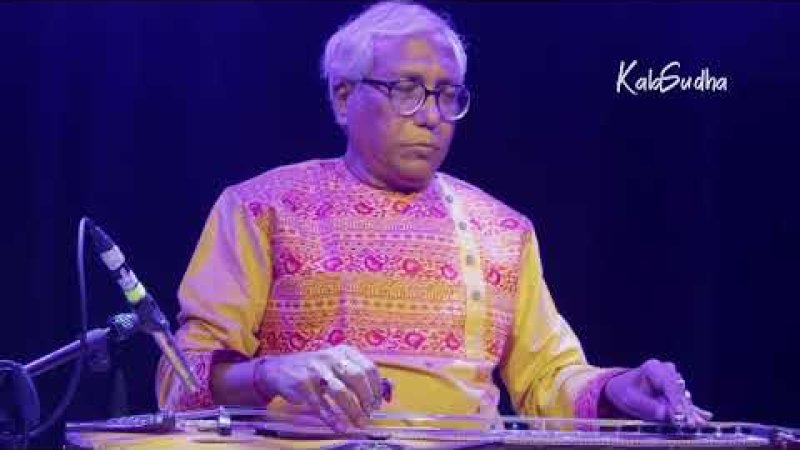
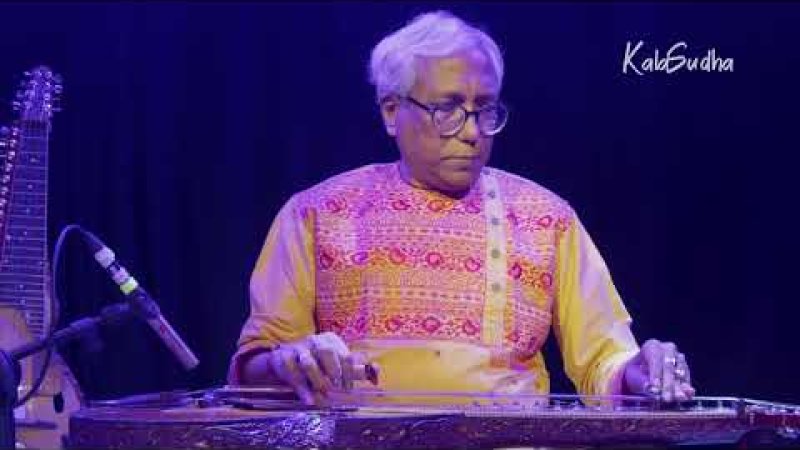
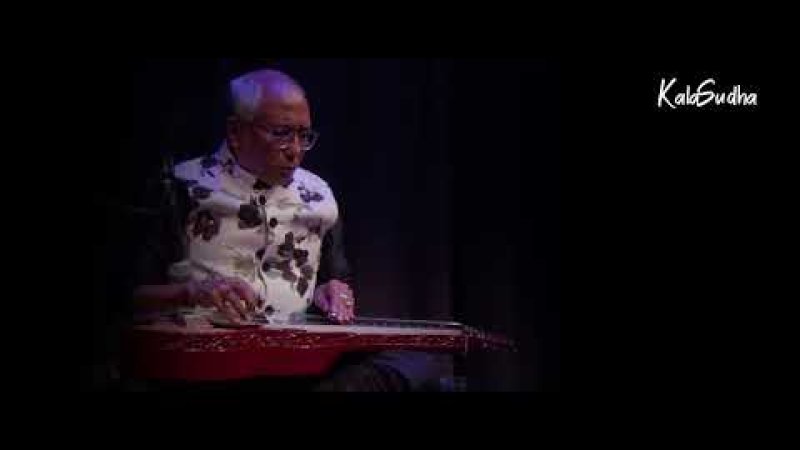
Indian Slide Guitar

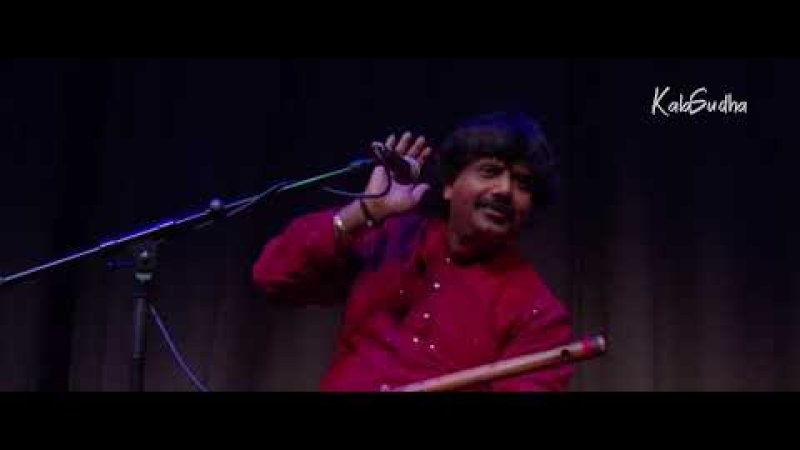
Bansuri (Flute)

Tabla
Comprehensive courses to master Instrumental


Explore our archive of Instrumental performances

Debasis ChakrobortyAkram KhanDeepak ShahIshtar Dobler
Lee Seng Tee Hall
Debasis ChakrobortyAkram KhanDeepak ShahIshtar Dobler
Lee Seng Tee Hall

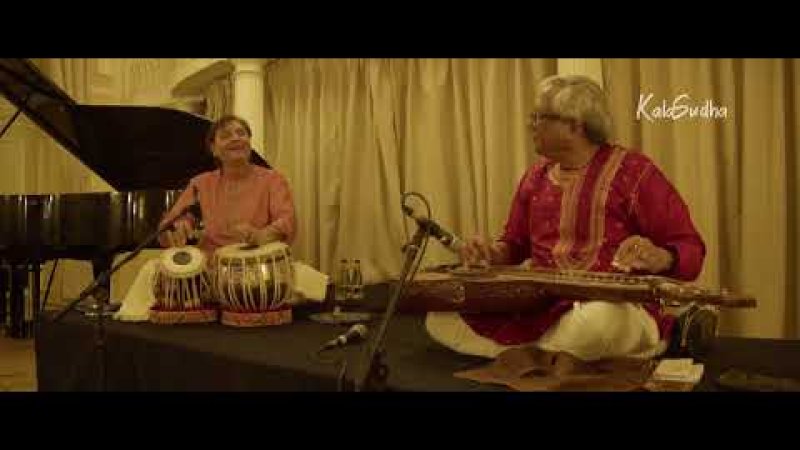
Debasis ChakrobortyDeepak ShahAkram Khan
The Assembly House
Debasis ChakrobortyDeepak ShahAkram Khan
The Assembly House
Debasis ChakrobortyDeepak ShahAkram Khan
The Assembly House
Raymond YiuDeepak ShahDebasis ChakrobortyAkram Khan
Hoxton Hall
Raymond YiuDeepak ShahDebasis ChakrobortyAkram Khan
Hoxton Hall
Raymond YiuDeepak ShahDebasis ChakrobortyAkram Khan
Hoxton HallIt seems that you are in
Visit KalaSudhaWe usually reply within a few hours
Loading article…
We could not load this article. Please try again later.
Was this helpful?
Thanks for the feedback
Still need help?
This conversation is resolved — reply to reopen
Topic
Answers come from KalaSudha.com. For anything else, talk to the team.
We email a six-digit code. Enter it here, never in a chat message.