

Bristol Ragas: Slide & Strum on The Mystic Frets
- #Bristol
- #In-Person
- SEP 13, 2026
- Sunday
- 6:30 PM
- 2 hours, 30 minutes
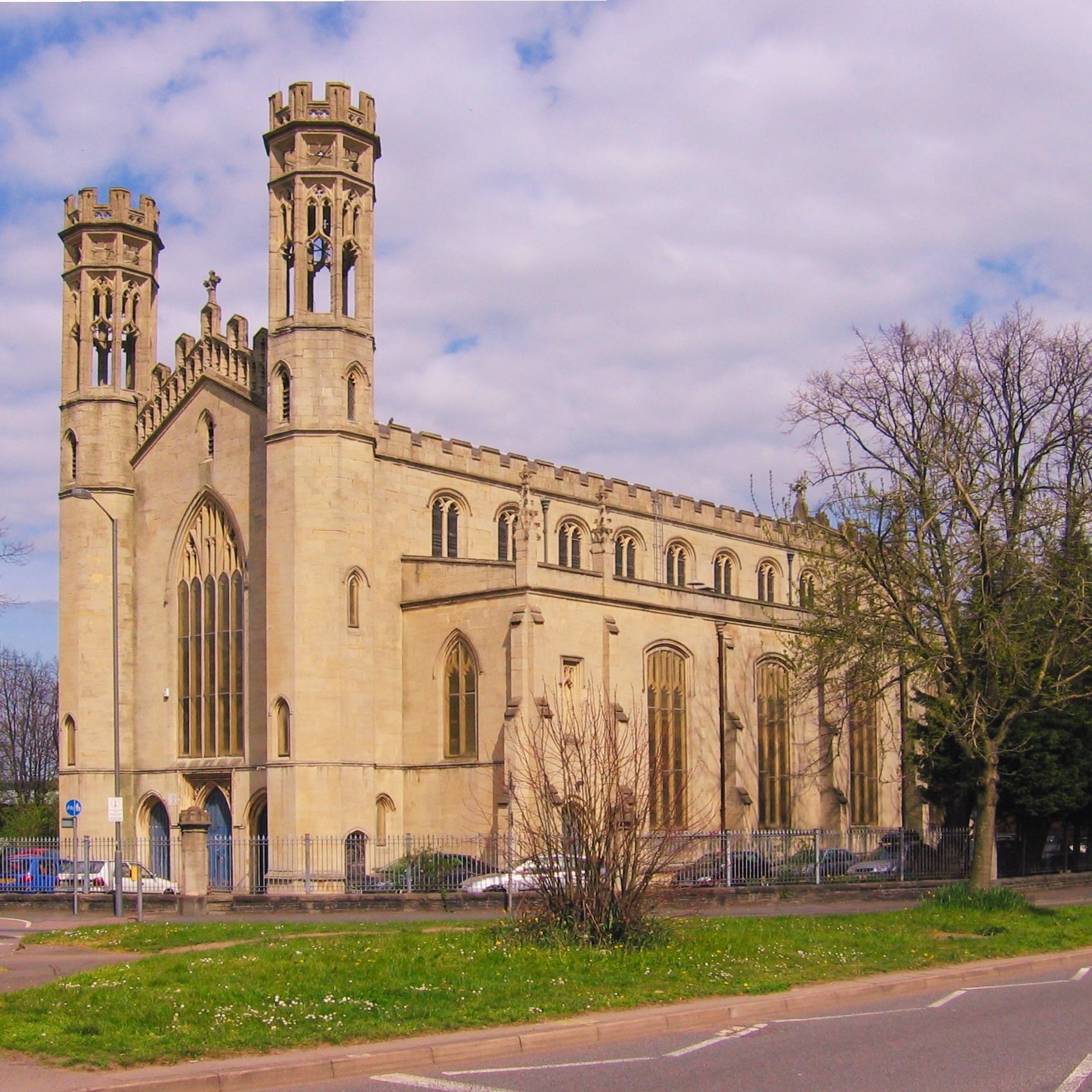
- Trinity Centre
- Bristol, United Kingdom
Get Your Tickets

Event Summary
Performing Artists
To play the tabla is to breathe life into an ancient conversation. Through my music and teaching, I strive to create a space where the vibrant traditions of India and the creative spirit of Australia can meet and create something entirely new.
Event Highlights
Pandit Debasis Chakroborty, Senia-Maihar Gharana slide guitar
Giuliano Modarelli, Italian guitarist and long-time collaborator
Dr Sam Evans and R.N. Prakash, tabla and ghatam
Kala Festival 2026 returns to Bristol
Performing Artists
-
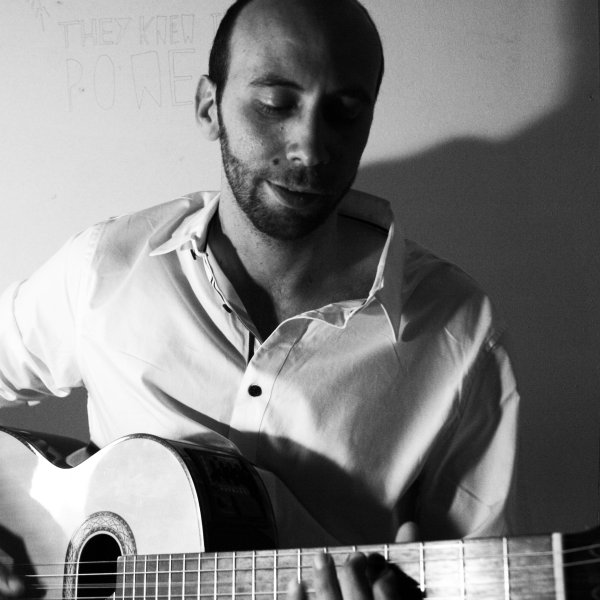 Giuliano Modarelli
-
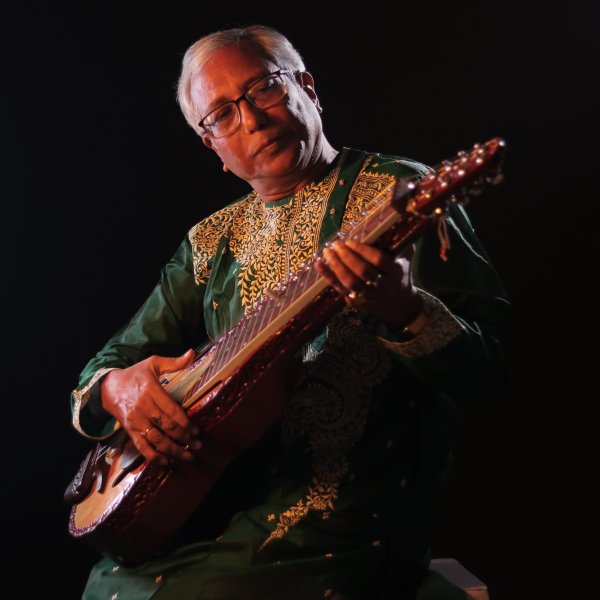 Debasis Chakroborty
-
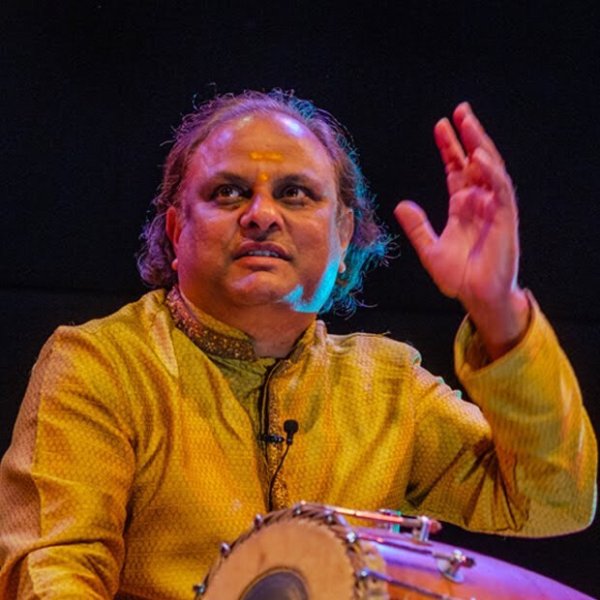 R. N. Prakash
-
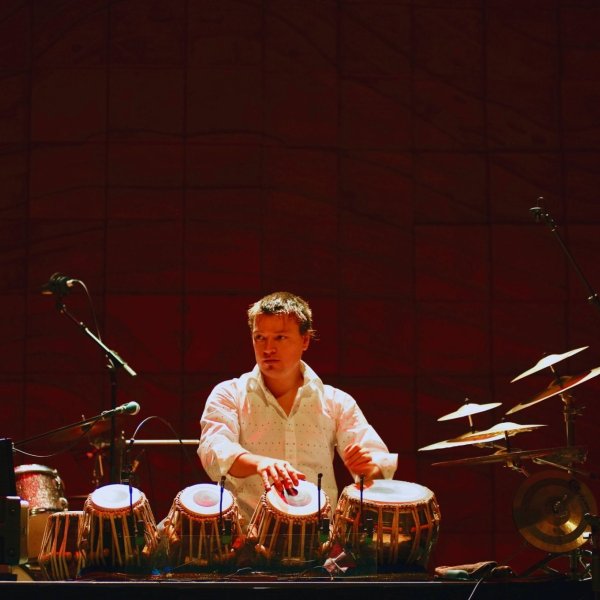 Sam Evans


Event Details
Dear music lovers from Bristol, we are delighted to present "Slide & Strum on The Mystic Frets" as part of Kala Festival 2026 at Trinity Centre, Bristol. A unique musical journey that beautifully bridges the ancient traditions of Indian classical music with the expressive freedom of Western guitar playing.
This special evening features an extraordinary collaboration between three masterful artists from different musical worlds: Indian Slide Guitar maestro Pandit Debasis Chakroborty, visiting from Agra, India; guitarist Giuliano Modarelli from the UK; Sam Evans on Tabla from Australia; and RN Prakash on Ghatam.
The addition of (RN) Bangalore Prakash brings the earthy, intricate rhythmic colours of Carnatic percussion into the concert, adding another rare flavour to this live experiment. It is a special opportunity to witness legendary artists exploring such cross-tradition dialogue on stage.
In this concert, the soulful, meditative voice of the Indian slide guitar will converse with the rich harmonies and techniques of the Western guitar, elegantly supported by the rhythmic brilliance of the tabla and ghatam. The performance promises a deep musical dialogue that honours both tradition and innovation.
Classical Foundations
The first session will explore the pure essence of Indian classical music. A soul-stirring Raga-based composition featuring Alap and Jod (20 minutes).Followed by two short compositions of 15 minutes each, set in lively 7-beat and 10-beat cycles (Rupak and Jhaptal). This segment highlights the lyrical beauty and improvisational depth of Indian ragas through the duo's unique guitar timbre.
Fusion Horizons
The second session after intermission opens the doors to creative exploration with exciting fusion-style compositions. Three improvised pieces, each 10 minutes long, showcasing the seamless blending of Indian and Western musical elements, rhythms, and textures.
This part of the concert celebrates the joy of musical discovery, where guitars weave melody, harmony, and rhythm in spontaneous, captivating ways, accompanied by the tabla and ghatam.
Venue information
Frequently Asked Questions
Where do I park at the Trinity Centre, Bristol?
The Trinity Centre in Bristol has its own car park. It runs 24-hour Pay and Display, and everyone pays, Blue Badge holders, staff and volunteers included.
Four accessible bays sit next to the daytime entrance, on the left-hand side of the building. For access and priority entry, see Is the Trinity Centre in Bristol accessible?
Pay and display for your whole stay, whatever time you arrive. Cameras read number plates, and the operator, Carflow, issues an automatic Parking Charge Notice if you don't pay. Tariffs change, so check the price at the machine.
Is the Trinity Centre in Bristol accessible?
Yes. The Trinity Centre in Bristol has a lift to the first floor and accessible toilets on both floors.
The venue keeps seats near the front of the stage for people with access requirements. For priority entry, write to KalaSudha at [email protected] before the concert and we will arrange it.
Driving? See where to park at the Trinity Centre.
Where can I hear live Indian classical music in Bristol, and how do I hear about KalaSudha's next Bristol date?
KalaSudha's Bristol city page has a Register for updates button for anyone who wants to hear Indian classical music in Bristol. Press it, or join the KalaSudha newsletter, to find out about the next Bristol date.
Who is the guitarist Giuliano Modarelli, and how did he come to Indian music?
Giuliano Modarelli is a London-based Italian guitarist and composer who blends Indian classical music, jazz and contemporary world music. Born in Milan in 1977, he moved to England in 2000 and took a bachelor's degree in jazz at Leeds College of Music in 2003. He studied Indian music with the sitar player Dharambir Singh and the sarod players Buddhadev Dasgupta and Prattyush Bannerjee. He founded the collective Samay and the ensemble Kefaya, and he has worked with Ustad Shahbaz Hussain and Pandit Ajay Prasanna.
Who is the Indian slide guitarist Pandit Debasis Chakroborty, the senior-most disciple of Pandit Brij Bhushan Kabra?
Pandit Debasis Chakroborty is a Hindustani slide guitarist and the senior-most disciple of Pandit Brij Bhushan Kabra, and his playing reflects Kabra's style. His name is also written Debasis Chakraborty. He plays in the Senia-Maihar gharana and has taught since 1992.
He has been part of the Department of Performing Arts at Mangalayatan University since its inception, and returns to universities in Australia and the USA as a conductor-performer and artist-in-residence. He helped carry out a joint music research project between Mangalayatan University and Monash University, and has published 10 research papers.
What is an Indian slide guitar, how is it played, and where can I learn it?
The Indian slide guitar is a guitar laid flat across the lap and stopped with a steel bar instead of fingers on frets. It is an instrument of Hindustani classical music, the classical music of North India. Sympathetic strings ring underneath the melody unstruck, and the player plucks extra drone (chikari) strings.
The bar never leaves the string, so one note travels into the next without a break. For its history and players, see the Indian slide guitar page. You can learn it with KalaSudha in the online academy.
What is the Senia-Maihar gharana, who founded it, and which KalaSudha artist plays in it?
The Senia-Maihar gharana is the sarod lineage that Allauddin Khan founded at Maihar, a former princely state, in the early 20th century. Most sources treat it and the Maihar gharana as one school spanning several instruments. "Senia" names the Tansen line, which Allauddin Khan joined as a disciple of Wazir Khan of Rampur. He brought a dhrupad approach to the sarod, sitar, violin and bansuri. Among KalaSudha's artists, Pandit Debasis Chakroborty plays in the gharana.
Have more questions? Contact our support team and we'll be happy to help!