

Dartington Ragas Festival: Strings, Voices & Rhythms
- #Totnes
- #In-Person
- SEP 27, 2025
- Saturday
- 11:00 AM
- 10 hours, 30 minutes
- Dartington Trust Hall
- Totnes, United Kingdom
Get Your Tickets

Event Summary
Performing Artists
The piano helps me speak the language of ragas in a new way. It’s where my heart finds balance between tradition and imagination.
Performing Artists
-
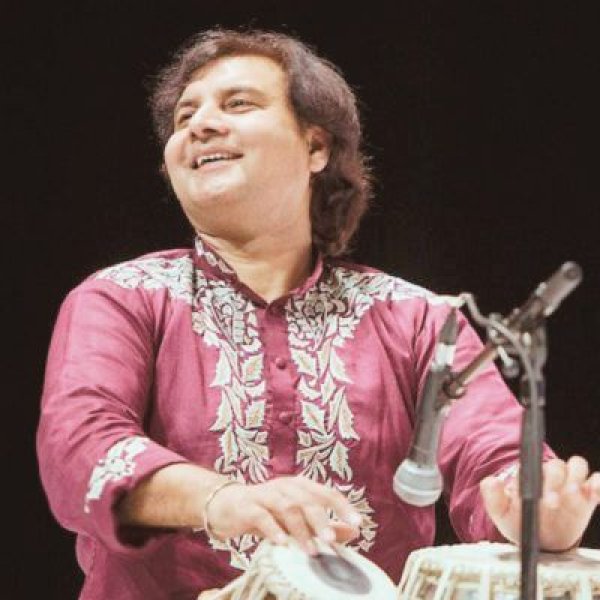 Akram Khan
-
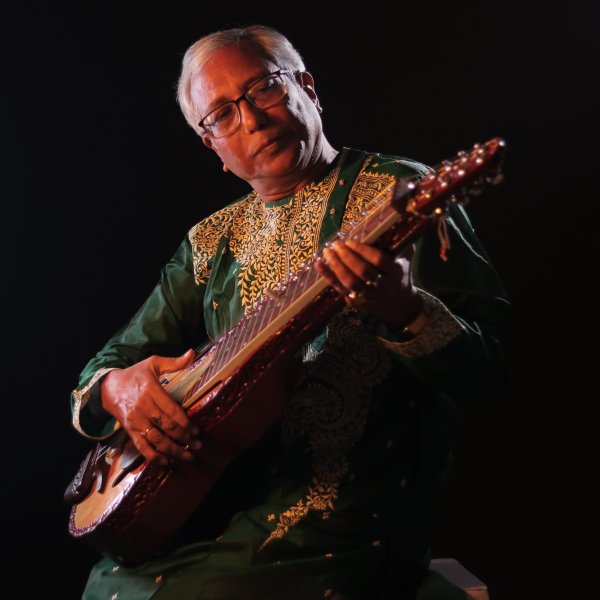 Debasis Chakroborty
-
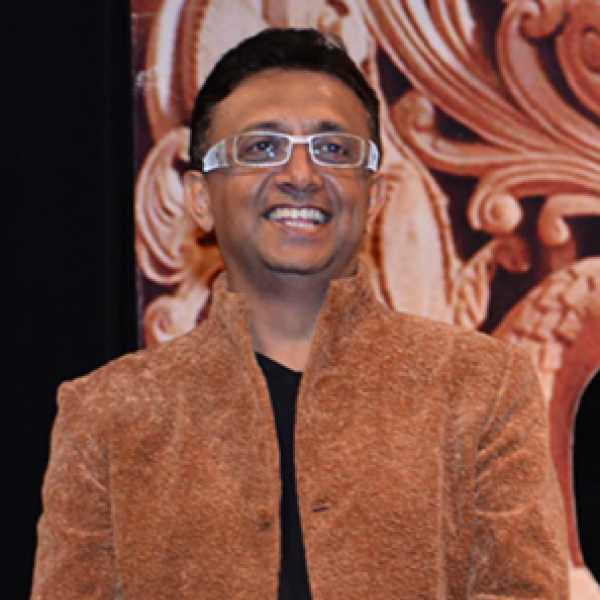 Deepak Shah
-
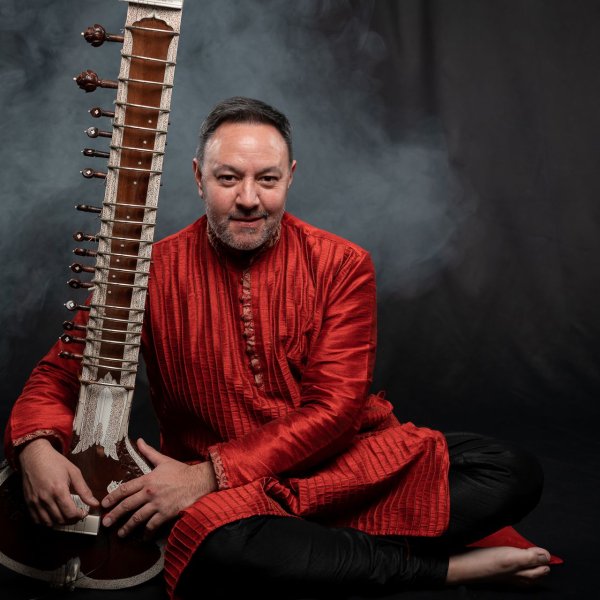 Jonathan Mayer
-
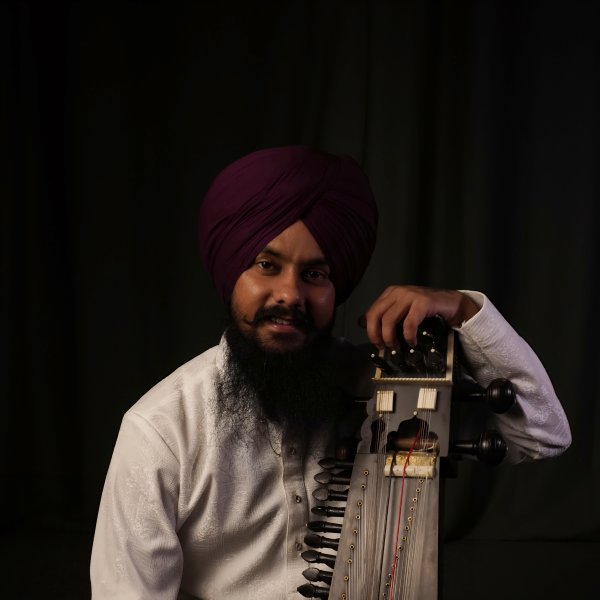 Satwinder Pal Singh


Event Details
The Dartington Ragas Festival fills Dartington Trust Hall, near Totnes, with a full day of Indian classical music and dance on Saturday 27 September 2025. It is part of Kala Festival 2025 and runs from 11am to 9.30pm. Its artists include the tabla player Ustad Akram Khan, the slide guitarist Pandit Debasis Chakroborty, the sitar player Jonathan Mayer and the raga pianist Deepak Shah.
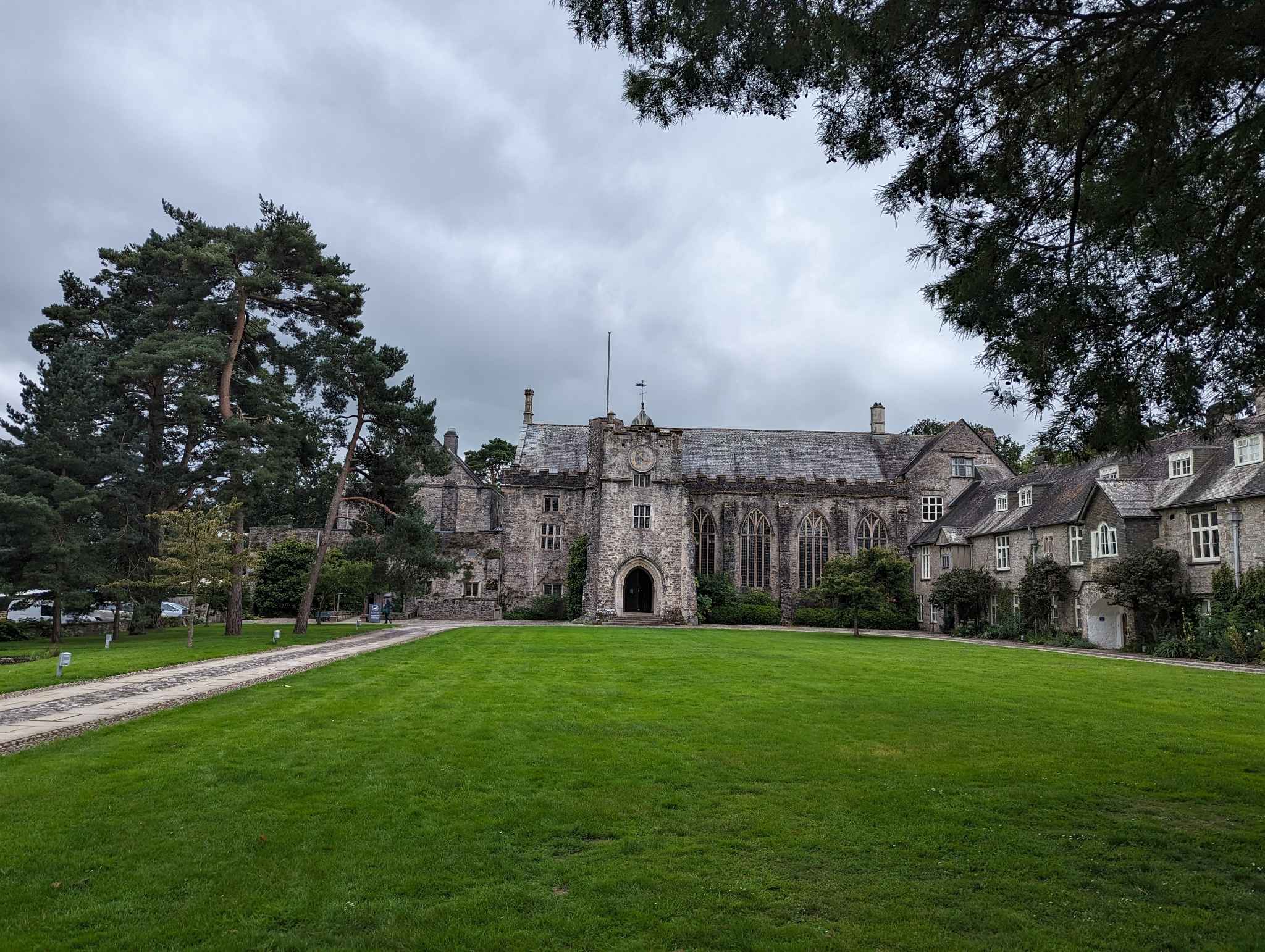
The hall's old stone walls have heard plainsong and baroque string bands for centuries. This time they hold Kathak, a classical dance form from north India, and Dhrupad, one of the oldest forms of Indian classical singing. Sitar, Indian slide guitar, sarangi (a bowed string instrument), piano and tabla make up the rest of the day. The music moves between meditative stillness and foot-stamping celebration.
The sets run one into the next, so you can come and go as you like. Each set starts at the time below.
- 11.30am: a Kathak set, in which footwork and ankle bells tell stories in movement. Pandit Vinayak Sahai plays the sarangi, with tabla support.
- 12pm: Dhrupad singing. Sarabjit Singh, a grassroots artist from the UK, accompanies on the jori, a pair of drums. Ishtar Dobler, from Zurich, plays the tanpura drone.
- 2pm: Jonathan Mayer plays a sitar solo, and Ustad Akram Khan accompanies him on tabla. Pandit Debasis Chakroborty, on his second visit to Dartington, then joins them on Indian slide guitar for a duet with the sitar. Gliding slides answer plucked notes as the two strings trade phrases.
- 6.30pm: a sitar solo, then sitar and piano together with the raga pianist Deepak Shah, back at Dartington for his second visit. Nirmal Chohan plays tabla for both.
- 7.45pm: Ustad Akram Khan, the seventh-generation exponent of the Ajrara Gharana, plays a tabla duet. Pandit Vinayak Sahai's sarangi holds a steady lahra, a repeating melody that outlines the rhythmic cycle. The drums trade soft taps and rolling thunder.
Book your seats on this page.
Venue information


Frequently Asked Questions
Where can I park for a KalaSudha concert at Dartington Trust Hall on the Dartington estate near Totnes, how do I pay, is there Blue Badge parking, and is it wheelchair accessible?
For Dartington Trust Hall near Totnes, park on the estate in the car parks near the Hall and Gardens or at The Cider Press Centre. Parking is cashless: pay at the machine or with the RingGo app. Blue Badge bays sit near key locations on the estate, so check the signs for their terms.
Accessible toilets are in the Courtyard next to the Welcome Centre and in the Hotel East Wing. The gardens have wheelchair-friendly routes, and you can hire a Tramper through the Countryside Mobility Scheme. The estate's walking trails can be uneven and slippery. Contact the venue about specific access needs.
Where can I hear live Indian classical music near Totnes in Devon, and has KalaSudha held concerts at Dartington?
KalaSudha has presented Indian classical music near Totnes at Dartington Trust Hall, on the Dartington estate (TQ9 6EL): an evening concert in August 2023, and the full-day Dartington Ragas Festival in September 2025, with Kathak dance, dhrupad singing, sitar, Indian slide guitar, piano, sarangi and tabla. Festival artists included Pandit Jonathan Mayer on sitar, Pandit Debasis Chakroborty on Indian slide guitar, the raga pianist Deepak Shah and Ustad Akram Khan on tabla.
KalaSudha is also launching a streaming player on its own platform soon, with live concerts and edited recordings of past concerts in up to 4K. To hear about new Totnes dates, press Register for updates on the KalaSudha Totnes page.
Who is the tabla player Ustad Akram Khan, and what is his lineage?
Ustad Akram Khan is a tabla player and the seventh generation of his family in the Ajrara gharana. His father was Hashmat Ali Khan. As a boy he trained first with his great-grandfather, Mohammad Shafi Khan, and later with Niazu Khan. For over four decades he has kept the gharana's repertoire alive, and he preserves more than 15 of its classic qaidas through his teaching and concerts. He made his international debut in Norway in 1987 and has played on All India Radio more than 800 times.
What is a tabla?
A tabla is a pair of hand drums. The smaller drum, the dayan, is wooden, sits under the right hand and carries the pitch. The larger drum, the bayan, sits under the left hand and gives the bass. The bayan is most often copper, sometimes clay or wood, and the player bends its bass by pressing the heel of the palm into the head while striking.
Each head carries a black circle of tuning paste. The paste weights the skin and adds overtones. The dayan rings at a clear pitch, and the bayan gives a deep bass with a looser pitch that the palm can shift.
What is the Ajrara (Ajrada) gharana of tabla, where did it begin, and what is it known for?
The Ajrara gharana, also spelt Ajrada, is a school of tabla that arose in the late 18th or early 19th century in the village of Ajrara, in Meerut district. Most accounts trace it to two brothers, Kallu Khan and Miru Khan, who learnt in Delhi, making it an offshoot of the Delhi gharana. Its players add the ring finger to the Delhi technique. It is best known for qaidas, themes with set variations, in aad laya, three strokes to every two beats. Ustad Akram Khan plays in the gharana today.
Have more questions? Contact our support team and we'll be happy to help!