

リーディング ラーガ レゾナンス: ボウ、ビート、アンド ブレス
- #レディング
- #対面
- 9月 12, 2026
- 土曜日
- 12:00 午後
- 2時間, 30 分
- The Great Hall, Reading
- レディング, イギリス
チケットを入手

イベント概要
イベントハイライト
三世代のサーランギーの遺産
インドの二人の偉大なサーランギー師に師事
ヨーロッパ最高のタブラ奏者
一人の音楽家の中の三つのガラーナ
弓と拍子が役割を入れ替える
レディングで同日に二公演
出演アーティスト
-
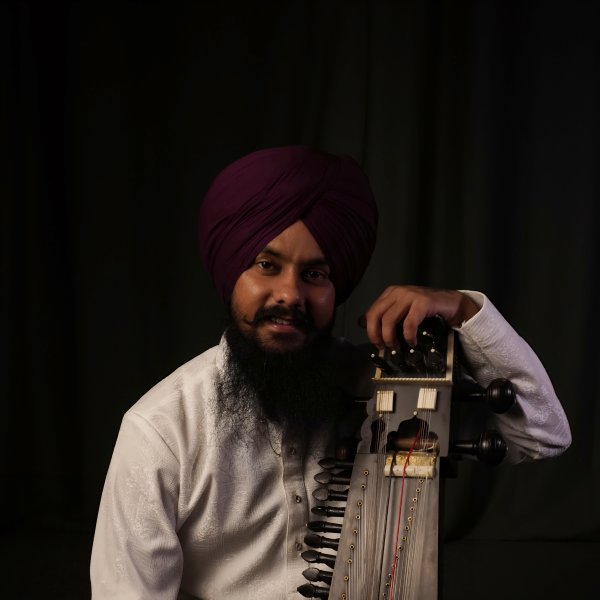 サトウィンダール・パール・シン
-
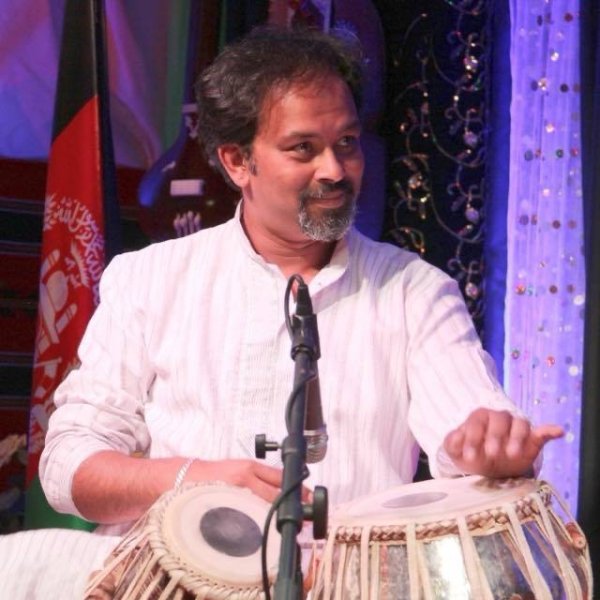 シャーバズ・フセイン


イベント詳細
リーディングの音楽愛好家の皆さま、年次芸術祭りの一環として再び The Great Hall、Reading Universityに戻り、「リーディング ラーガ レゾナンス: ボウ、ビート、アンド ブレス」をお届けできることを大変光栄に思います。2026年9月12日午後 12時、魂を振るわSarangiと力強いTablaの美しい音楽的対話を直接ご体験ください。
この特別な公演には、二人の著名な芸術家が登場します: Sarangiに サトウィンダー パル シン、Tablaに Ustad シャハバーズ フセイン。サトウィンダーは幼少の頃からSarangiを弾き始め、5歳の時に初めて公演を行いました。父に基礎を辞いた後、Ustad Sabri Khan、Pandit Ram Narayan Jiなどの大家Guruに師事しました。Ustad シャハバーズはまず父のUstad Mumtaz Hussainに、その後デリー GharanaのUstad Faiyaz Khan、パンジャブ GharanaのUstad Shaukat Hussain KhanおよびUstad Allah Rakhaに師事しました。Indusフュージョングループを率いる一方、東方の古典音楽家と共演する中で多様なスタイルを確立しました。シャハバーズは英国北部全徟で活躍TableaTablesaのTableTabla教師として活躍中です。
この公演は、我々の古代音楽伝統におけるリズムとメロディーの深い絡み合いを表缾る独自の対話式パフォーマンスです。一般的なコンサート形式ではなく、本物の音楽的交流を目指しています。ここで弓(ガジ)とビートが等しく重要であり、対等なパートナーシップを持ちます。
公演は二つのセッションで展開されます。第一部では、Tablaの美しい伴奏に軍を辟て、Sarangiの幺々として声楽器のような独奏に集中します。第二部では役割が入れ替わり、TablaがSarangiのガイドの下で力強いリズムの独奏を展開します。この往復の物語形式は、古典的技巧、相互尊重、自然な音楽的探求の素晴らしい展示となるでしょう。
この夕べは音楽以上のものです。一旦足を止めて考え、内省し、Shabdの平和な遡音を体験する機会です。数世紀にわたり、インド古典音楽の伝統は音楽を瞥想の一形態として、内在やコミュニティのバランスを取り戻す方法として大切にしてきました。今日、このような永遠の修行は、音楽、メンタルヘルス、マインドフルネス、情緒的健康との深い関係を示しています。この夕べは再生をもたらします — 音楽の普遥的言語を通じて曉き、繋がり、再び繋がる機会。
リーディングまたは近辺にお住まいの方は、ぜひお起こしください。特別な配慮が必要な方は、お気軽にお問い合わせください。
開場は11:30、音楽は12:00に開始します
観客ルール:
- 無断撮影または写真撮影は禁止です。
- 公演中の携帯電話の使用(SMS含む)は禁止です。ゴ協力をお願いいたします。ありがとうございます!
Venue information
The Great Hall, Reading
The Great Hall, University of Reading, London Road Campus, Reading, RG15AQ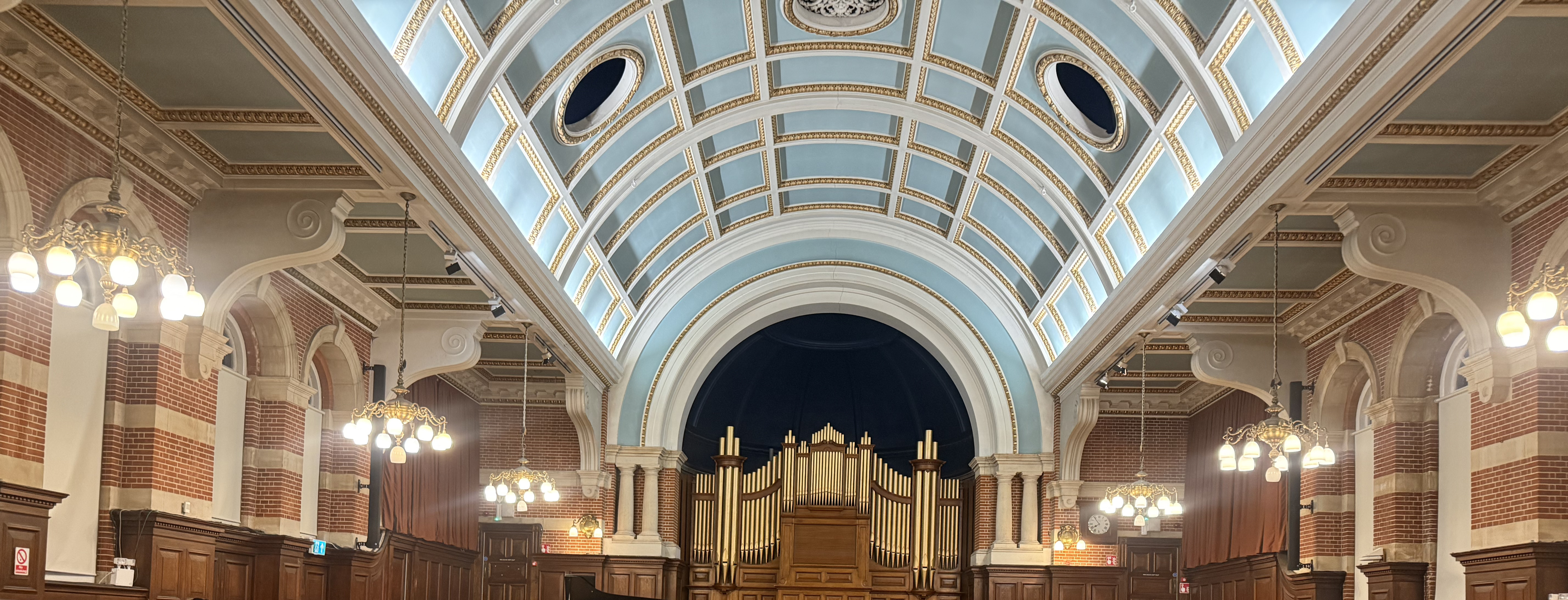
よくあるご質問
What is a tabla solo, and what should I listen for?
A tabla solo puts the tabla in the lead. The player builds compositions across a fixed cycle of beats, the taal, while a melody instrument, often a sarangi or harmonium, keeps time with a short repeating tune called the lehra. For the rest of an Indian classical concert the tabla keeps time behind the melody instrument.
Each cycle runs the same length, and every new cycle starts on beat one. That beat is the sam.
You do not need to count. Listen for the lehra to repeat, then listen for the tabla to land on the sam. New to the drum? See What is a tabla?
There are two Reading concerts on 12 September. What is the difference?
Two separate concerts at The Great Hall, Reading, on 12 September, each with its own ticket. Bow, Beat, and Breath starts at 12pm: sarangi and tabla, the two players swapping lead and accompanist at the interval. Slide & Strum on The Mystic Frets starts at 6pm, with Indian slide guitar, Western guitar and tabla playing a classical raga half, then a fusion half after the interval.
The afternoon concert ends around 2.30pm and evening doors open at 5.30pm, so you can attend both. The Full Day ticket covers the pair.
Where do I park at The Great Hall, Reading?
Park at the White Gates Car Park on the University of Reading's London Road Campus. Set your sat nav to RG1 5AG, the car park's postcode, and drive in from Crown Place, off the London Road (A4).
The campus has up to 200 spaces for Great Hall events. Spaces go first come, first served, and they get tight at busy times. Evening and weekend events need no parking permit.
Coming by train or bus? See how to get to The Great Hall.
Is The Great Hall in Reading accessible?
Yes, The Great Hall in Reading is accessible.
You need to book a wheelchair space ahead of the concert. Write to [email protected] once you have your ticket, and we will arrange it with the venue.
Where can I hear live Indian classical music in Reading, and how do I find out about the next KalaSudha concert there?
KalaSudha presents Indian classical music in Reading and lists each concert on its Reading page, with a link to book. To hear when the next Reading date is set, press Register for updates there or join the KalaSudha newsletter.
KalaSudha has presented concerts at The Great Hall on the London Road Campus, the University of Reading's original home, as part of the Kala Festival.
Who is the sarangi player Satwinder Pal Singh, and who taught him?
Satwinder Pal Singh is a London-based sarangi player from Moga, Punjab. He took up the sarangi at 11 under his father, Shaminder Pal Singh, a Top Grade artist of All India Radio, and in 2012 studied in Delhi with his father's teacher, Sabri Khan. He has also trained under Ram Narayan and Harsh Narayan. He plays the saranda, israj, dilruba and taus too, instruments his family has carried through generations of Sikh music. His father holds Top Grade status for sarangi from All India Radio, and Satwinder Pal Singh is an A-grade artist.
His father, a disciple of Ustad Sabri Khan, is the first Sikh sarangi player in All India Radio's history to reach Top Grade.
Who is the tabla player Ustad Shahbaz Hussain, and who were his teachers?
Ustad Shahbaz Hussain is a tabla player who teaches across the north of England. He first studied under his father, the vocalist Mumtaz Hussain, then learned from the tabla player Faiyaz Khan of the Delhi gharana and from Shaukat Hussain Khan and Ustad Alla Rakha of the Punjab gharana. He leads the fusion group Indus and accompanies touring classical artists. He teaches at the University of Newcastle and the University of Huddersfield, and received the Son of Lahore Award from the Government of Pakistan in 2008.
He lives in Manchester and learned from his father from the age of five.
What is a sarangi?
The sarangi is a short bowed instrument with three gut playing strings and around 35 sympathetic strings that resonate beneath them.
Players stop the strings from the side with the backs of their fingernails. Many musicians hold that, of all Indian instruments, the sarangi sits closest to the human voice.
What is the Senia-Maihar gharana, who founded it, and which KalaSudha artist plays in it?
The Senia-Maihar gharana is the sarod lineage that Allauddin Khan founded at Maihar, a former princely state, in the early 20th century. Most sources treat it and the Maihar gharana as one school spanning several instruments. "Senia" names the Tansen line, which Allauddin Khan joined as a disciple of Wazir Khan of Rampur. He brought a dhrupad approach to the sarod, sitar, violin and bansuri. Among KalaSudha's artists, Pandit Debasis Chakroborty plays in the gharana.
Have more questions? Contact our support team and we'll be happy to help!