

ア・ハンドレッド・ストリングス・イン・マンチェスター:カシミールとデリーの弦
- #Manchester
- #対面
- 11月 20, 2026
- 金曜日
- 7:00 午後
- 2時間, 30 分
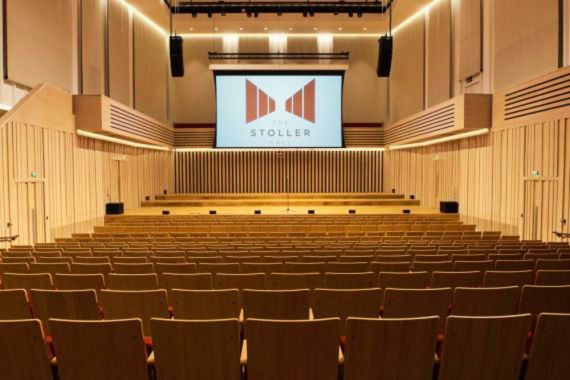
- The Stoller Hall
- Manchester, イギリス
チケットを入手
チケット料金
¥3,179 ¥7,417
* Student tickets: ¥3,338. Including booking fee.

Promo reels
イベント概要
出演アーティスト
イベントハイライト
Adnan Khan on Sitar
Vinay Desai on Santoor
Two Tabla Players, Three Gharanas
Ustad Shahbaz Hussain, at Home in Manchester
-
London Ragas Fusion: Flute, Piano, Tabla & Ghatam in Dialogue
-
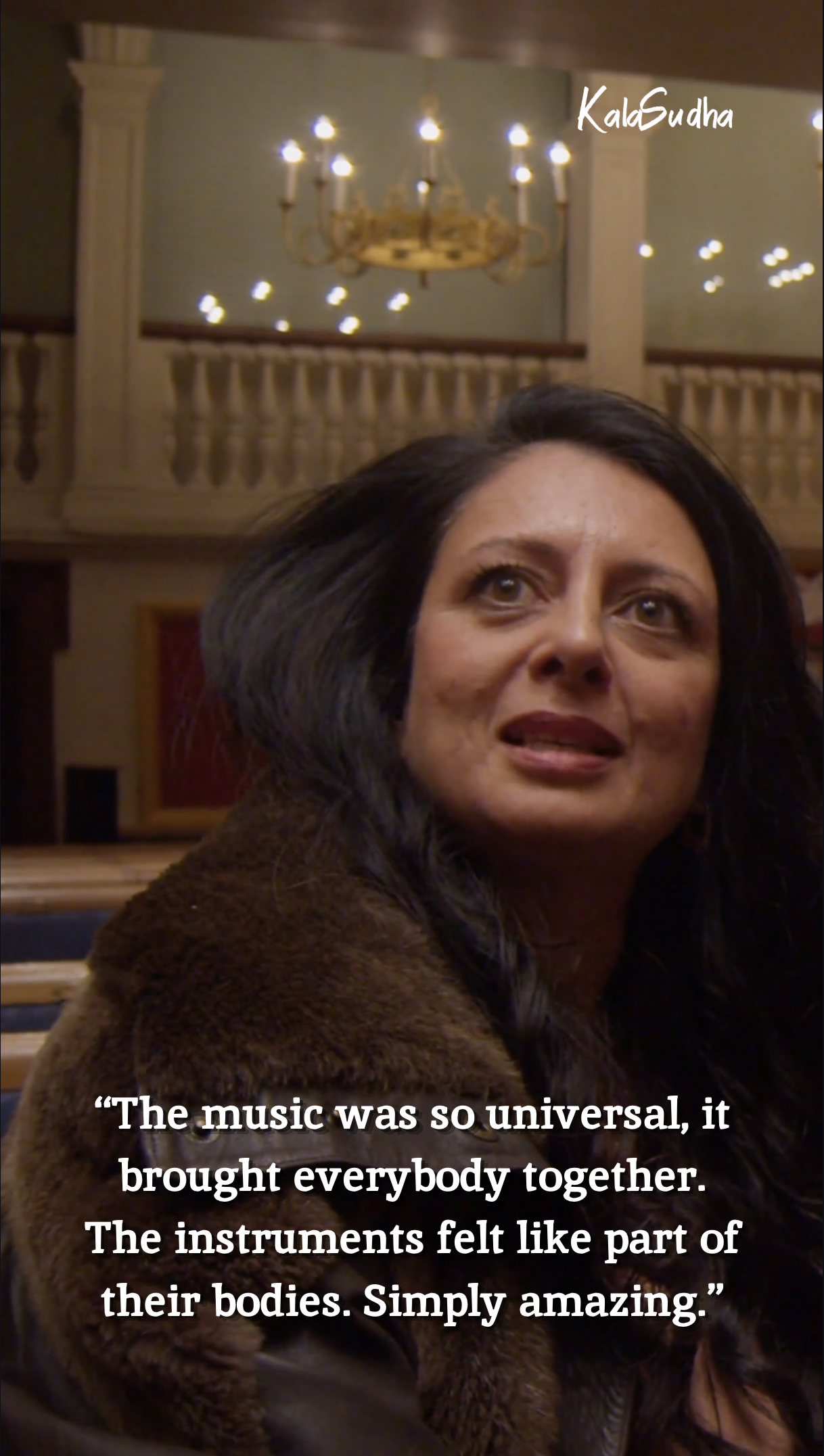
London Ragas Fusion: Flute, Piano, Tabla & Ghatam in Dialogue
-
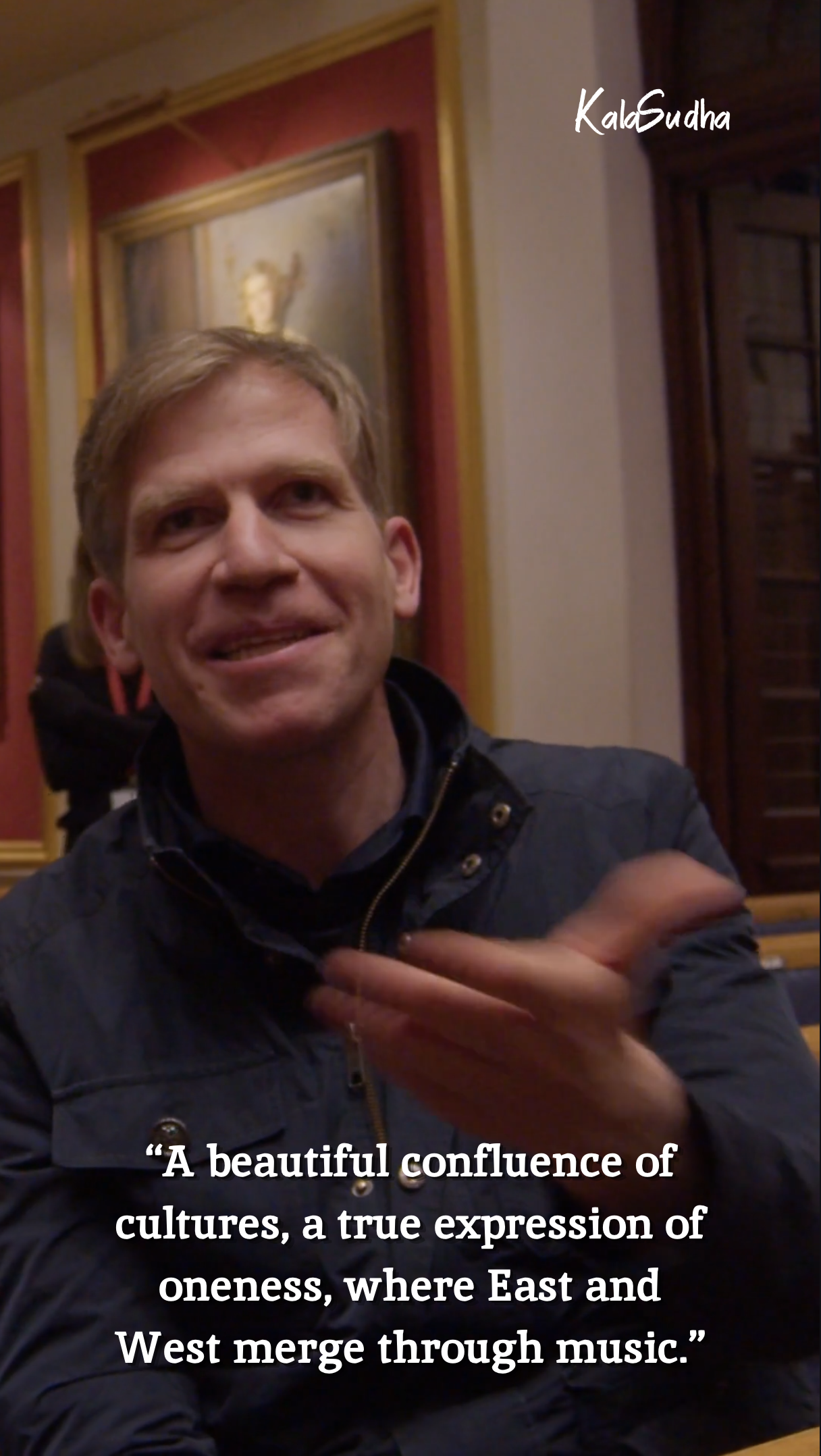
London Ragas Fusion: Flute, Piano, Tabla & Ghatam in Dialogue
-
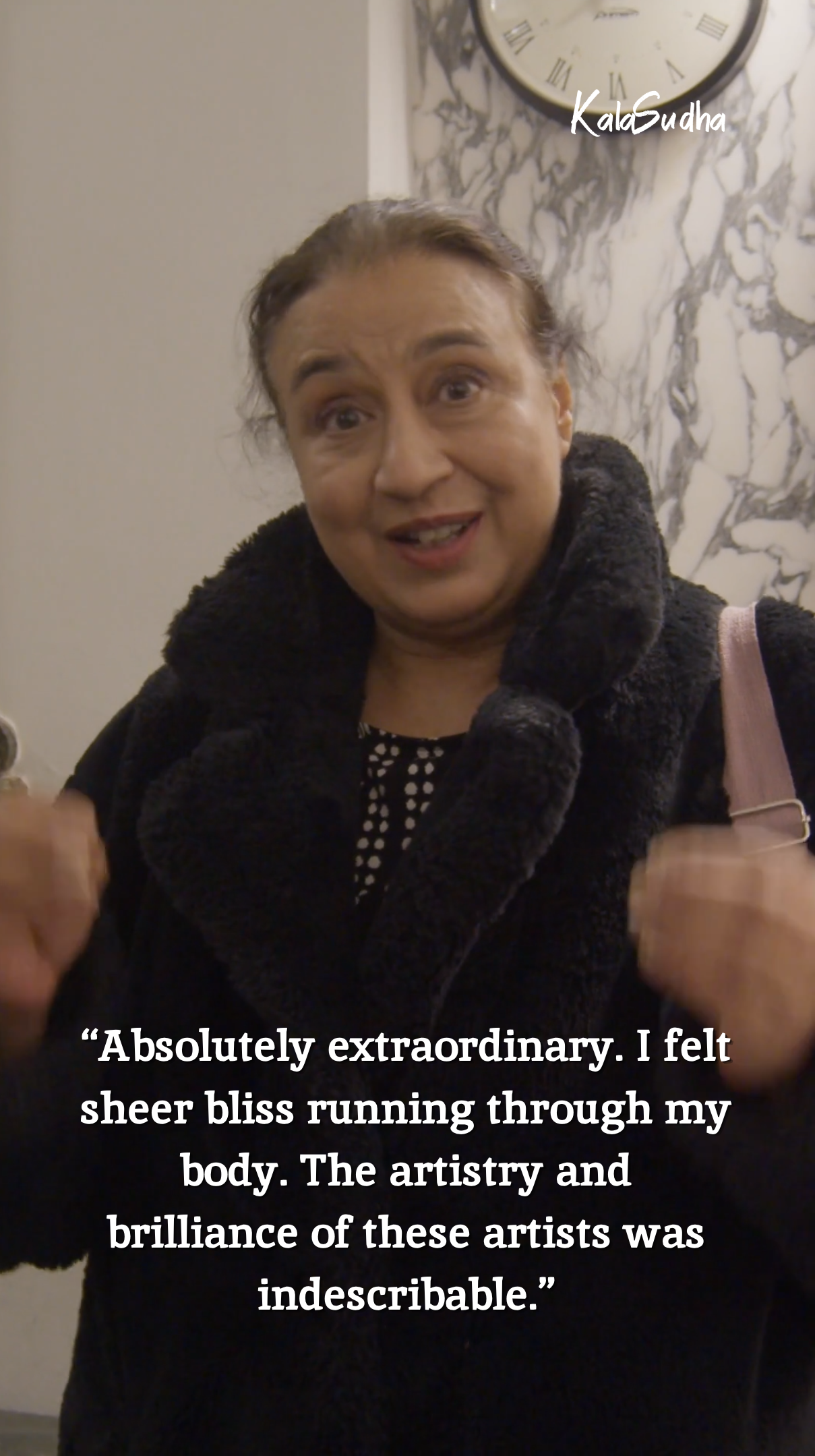
London Ragas Fusion: Flute, Piano, Tabla & Ghatam in Dialogue
-
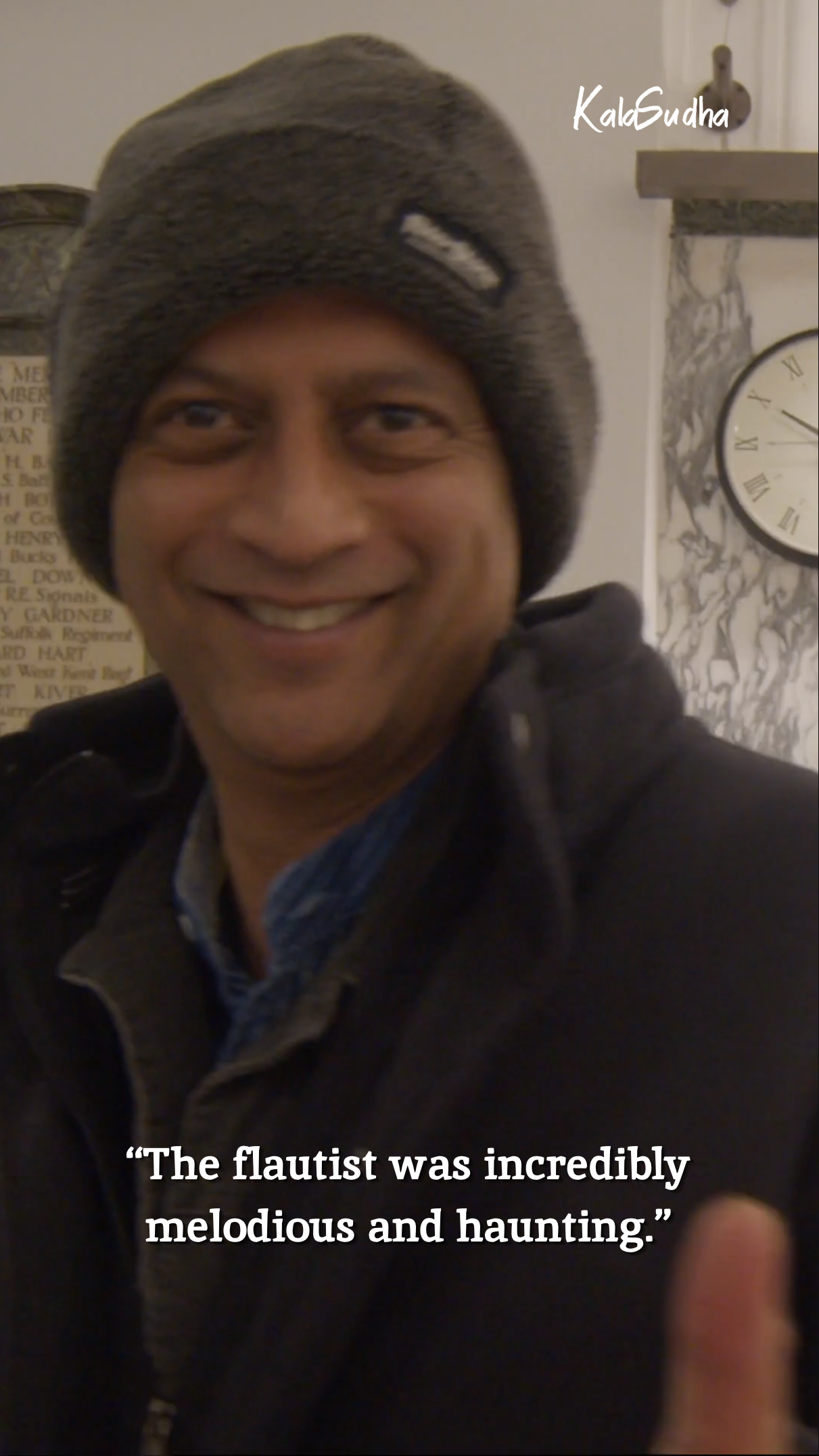
London Ragas Fusion: Flute, Piano, Tabla & Ghatam in Dialogue
出演アーティスト
-
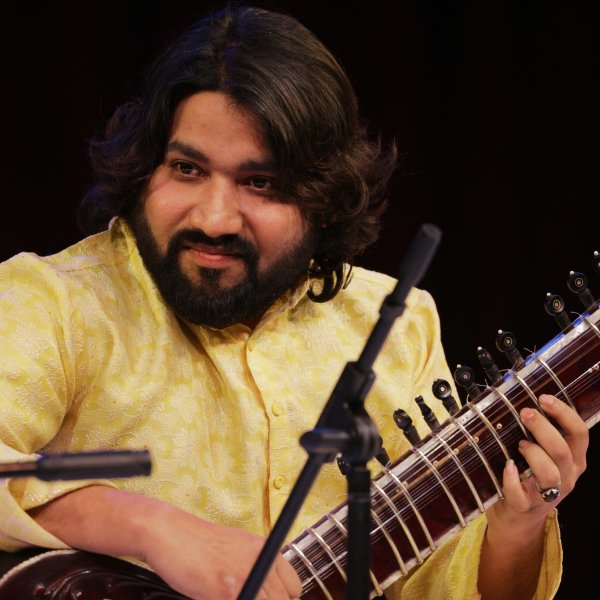 アドナン・カーン
-
 ヴィナイ・デサイ
-
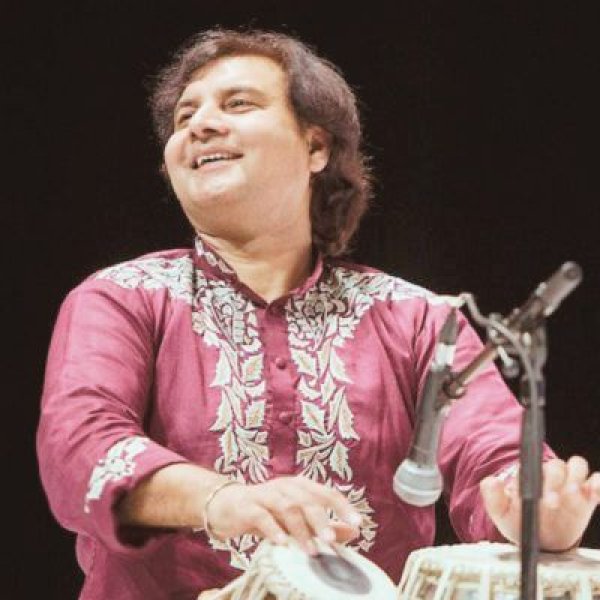 アクラム・カーン
-
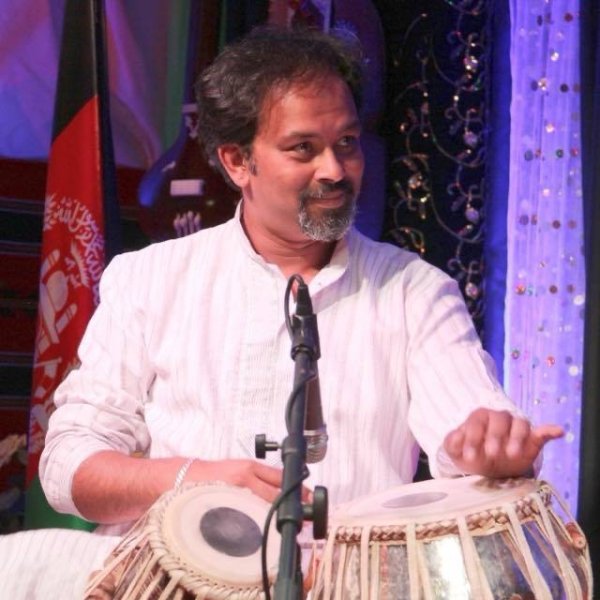 シャーバズ・フセイン


イベント詳細
11月20日、4人の音楽家が、チータムズ音楽学校内にあるストーラー・ホールでインド古典音楽をお届けします。二つの弦楽器の伝統と、二人あわせて三つのガラナを受け継ぐ二人のタブラ奏者が登場します。
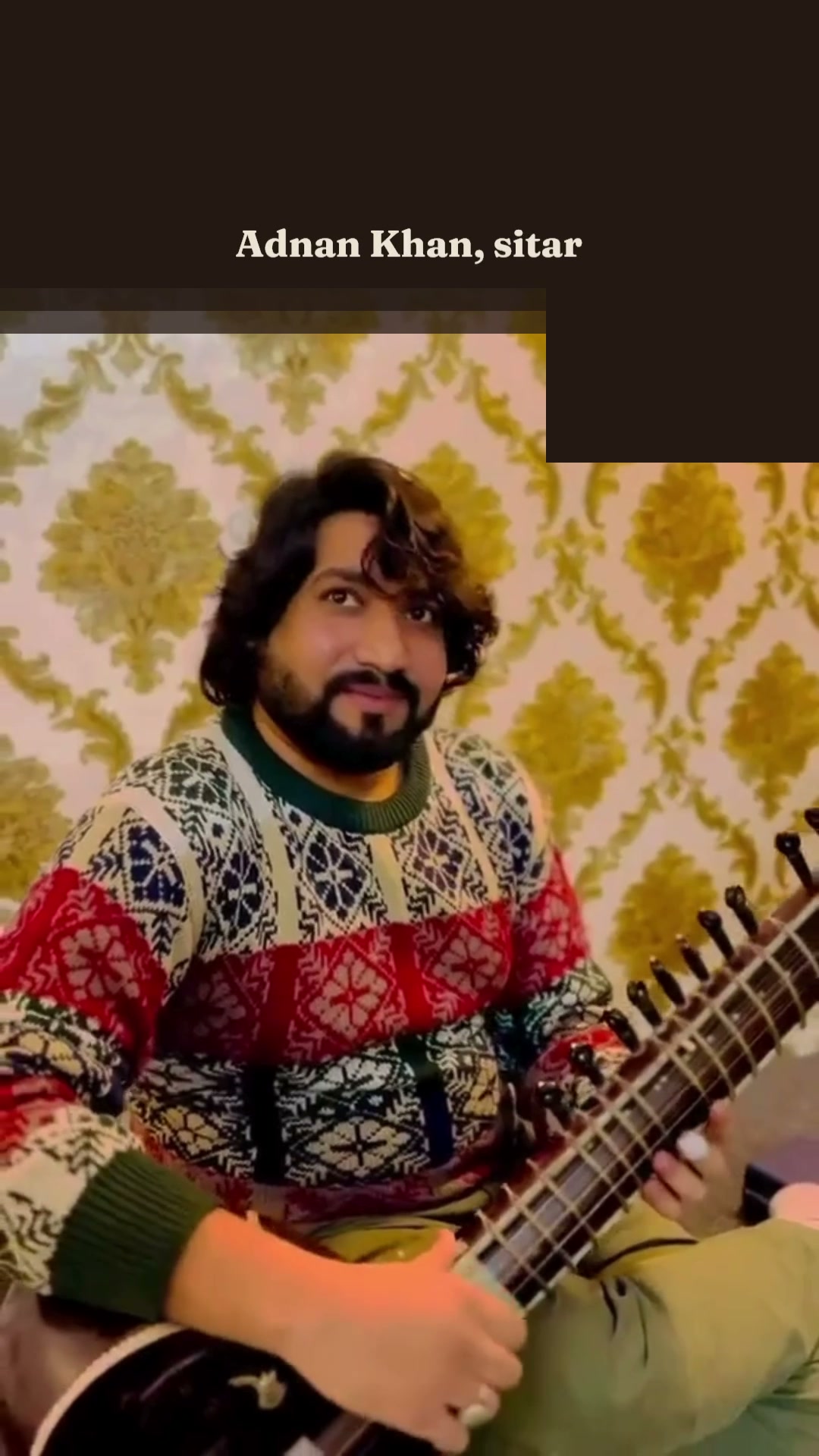
ヴィナイ・デサイは、カシミール発祥の百弦の楽器サントゥールを演奏し、パドマ・ヴィブーシャン受章者パンディット・シヴクマール・シャルマの直弟子です。デリー出身でグラミー賞にノミネートされたシタール奏者アドナン・カーンは、シタールの演奏を歌声になぞらえて形づくる「ガーヤキー・アング」のスタイルで演奏します。現在はシタール奏者である父ウスタード・サイード・カーンのもとで研鑽を積んでいます。
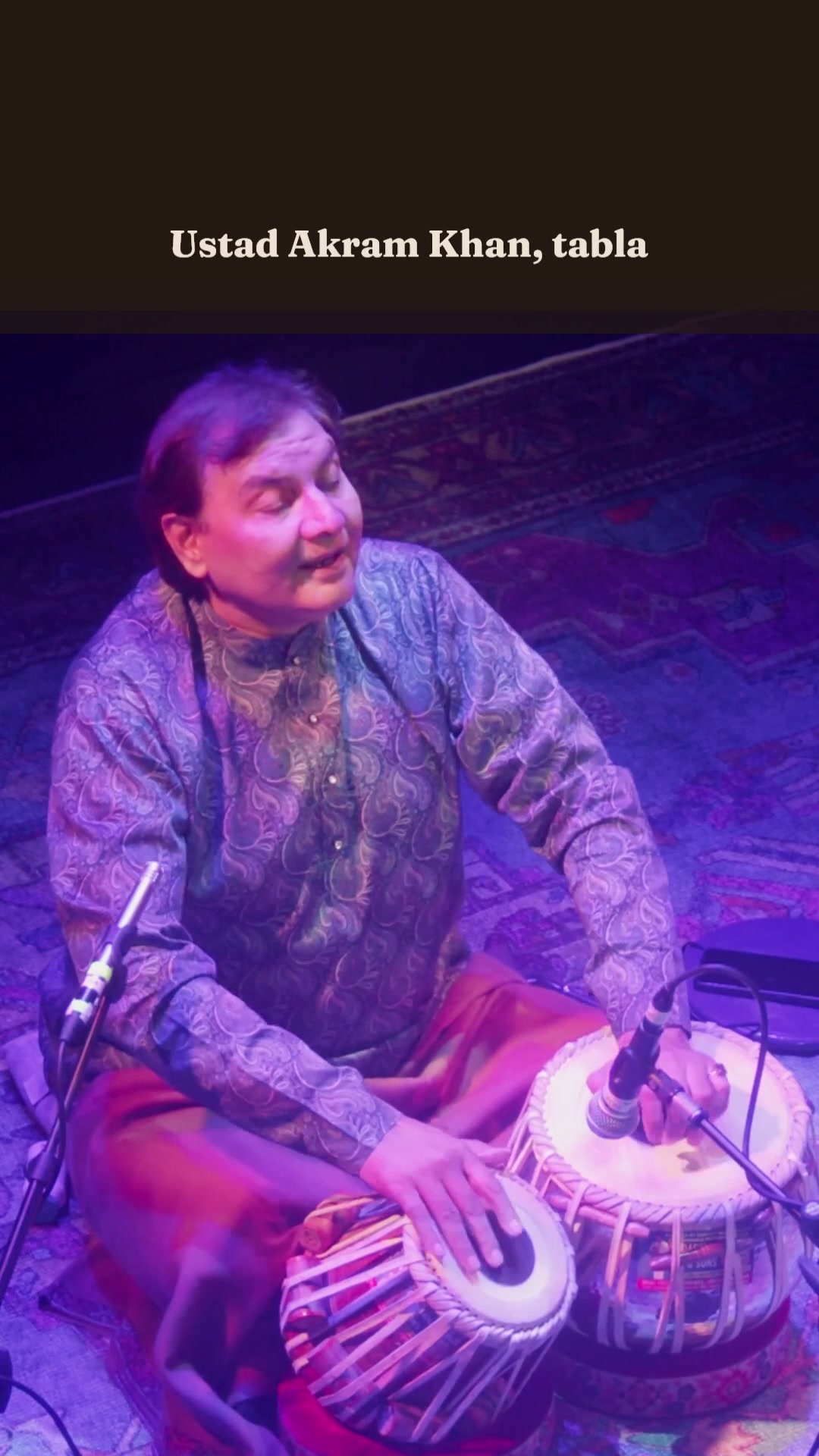
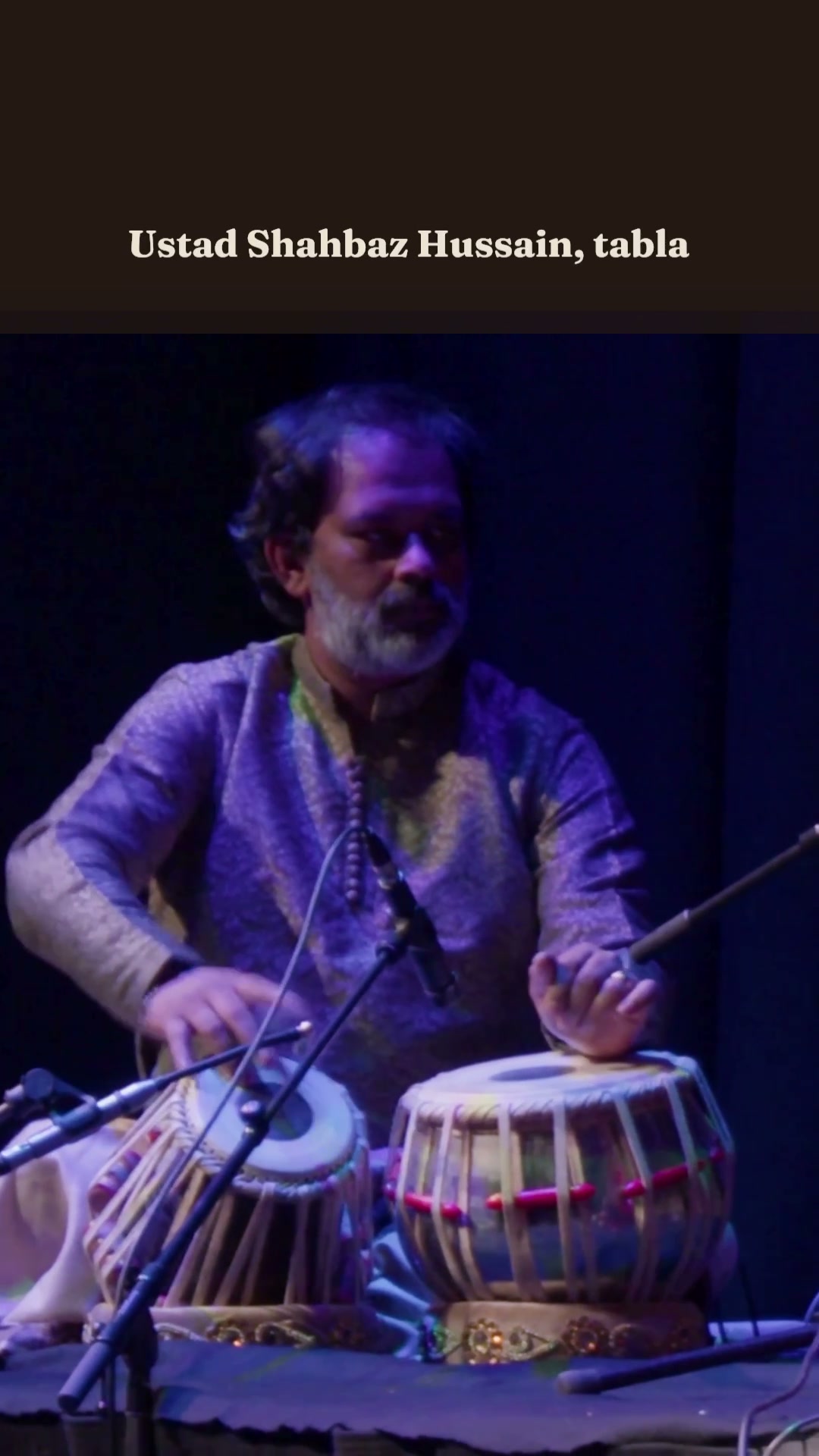
この夜は二人のタブラの名手が共演し、ツアーで二人がそろうのはマンチェスター公演だけです。ウスタード・アクラム・カーンはアジュラーダー・ガラナを受け継ぐ家系の7代目で、1万1000回を超える公演を重ねてきました。ウスタード・シャーバズ・フセインは、声楽家である父ウスタード・ムムターズ・フセインに学びました。その後、デリー・ガラナのウスタード・ファイヤーズ・カーン、そしてパンジャーブ・ガラナのウスタード・シャウカット・フセイン・カーンとウスタード・アッラー・ラッカーに師事しました。2008年にはパキスタン政府からサン・オブ・ラホール賞を授与されています。
ウスタード・シャーバズ・フセインはマンチェスターに暮らし、イングランド北部の各地で教えています。ストーラー・ホールは彼にとって地元の舞台です。
ア・ハンドレッド・ストリングスは11月18日にオックスフォード、11月21日にボーンマスのパレス・コート・シアターでも公演し、ロンドンでは11月22日にピムリコのセント・セイヴィアーズで公演します。
アクセシビリティに関するご要望がある方は、お問い合わせください。
開場は午後6時45分、開演は午後7時です。
ご来場の皆さまへのお願い:
- 許可なく動画や写真を撮影しないでください。
- 公演中は、メッセージの送信も含め、携帯電話をしまっておいてください。
Learning to play tabla with different gharanas and styles made me a more musically awakened soul, gave an immense depth and enriched my tabla playing.
Venue information
よくあるご質問
マンチェスター公演のゾーン別座席はどのような仕組みですか?
ご予約時にフロント・ストールズ (Front Stalls) かストールズ (Stalls) のいずれかのゾーンをお選びいただき、当日はそのゾーン内の空いている席に自由にお座りいただけます。ゾーン内の座席には番号がないため、より多くの席から選びたい方は、開場時刻の午後6時45分にお越しください。
フロント・ストールズはステージに最も近い列です。早割料金は11月5日まで£30、以降は£35です。ストールズはその後方で、早割料金£25、以降は£30です。学生券は£15です。本公演ではバルコニー席は使用しません。
What is KalaSudha's A Hundred Strings tour, who plays on it and where does it go?
A Hundred Strings is KalaSudha's tour of sitar, santoor and tabla. The name comes from the santoor, the hundred-stringed instrument of Kashmir.
The tour brings the sitar player Adnan Khan and the santoor player Vinay Desai together with the tabla player Ustad Akram Khan. In Manchester, Ustad Shahbaz Hussain also plays tabla. The sitar is plucked and slides between notes; the santoor is struck and cannot slide, so it moves in runs.
The tour plays Oxford, Manchester, Bournemouth and London.
How do I get to The Stoller Hall in Manchester by train, tram, bus or car?
Take a train or tram to Manchester Victoria. The Stoller Hall stands on Hunts Bank in Manchester's Medieval Quarter, opposite Victoria Station, and the Victoria Metrolink stop is 150 metres away, a two-minute walk. Use the Hunts Bank entrance. Buses stop on Corporation Street, 250 metres from the hall.
If you drive, Q-Park Deansgate North (M3 7WJ) is the nearest car park, a five-minute walk, with 23 accessible spaces. APCOA Printworks also has accessible spaces. Victoria Station's accessible drop-off point is 30 metres from the Hunts Bank entrance. For step-free routes and wheelchair spaces, see step-free access at The Stoller Hall.
Is The Stoller Hall in Manchester wheelchair accessible, with a lift to the stalls, accessible toilets and a hearing loop?
Yes. The Stoller Hall in Manchester has level access from the front doors, with stairs or a lift down to the stalls entrance, about 30 metres in all. Accessible toilets are 25 metres from the doors, and the main Stoller Hall auditorium has a hearing loop.
Join the venue's Access Scheme in advance to book wheelchair spaces and a free ticket for a personal assistant. The Stoller Hall box office takes Access Scheme bookings on 0333 130 0967; call to confirm before you travel. KalaSudha last checked these details in September 2026. For accessible parking and drop-off, see how to get to The Stoller Hall.
Where can I hear live Indian classical music in Manchester, and how do I hear about new KalaSudha dates there?
KalaSudha presents Indian classical music in Manchester at The Stoller Hall, and lists each Manchester concert on its Manchester page. To hear about new dates, press Register for updates there or join the KalaSudha newsletter.
The Stoller Hall is on Hunts Bank, Manchester M3 1DA, opposite Manchester Victoria Station. The hall is part of Chetham's School of Music. It opened in 2017 and seats up to 482; Arup designed its acoustics around a box-within-a-box build.
For booking, see how to find and book Manchester concerts; for trains, Metrolink and parking, see getting to The Stoller Hall.
Who is the sitar player Adnan Khan, who taught him, and what is distinctive about his playing?
Adnan Khan is a Grammy-nominated sitar player from Delhi who works in the gayaki ang, the approach that shapes the instrument after the singing voice. He took his first lessons from his maternal grandfather, the late Zafar Ahmed Khan, and trains with his father, the sitar player Saeed Khan. His uncle, the khayal singer Mashkoor Ali Khan, taught him the gayaki ang at the ITC Sangeet Research Academy in Kolkata. Melody leads in his playing, and a raga's notes keep their shape through his fastest runs.
Who is the santoor player Vinay Desai, who taught him, and how does he play?
Vinay Desai plays the santoor, the hundred-stringed instrument of Kashmir, struck with two light curved mallets. He studied with Shivkumar Sharma, who received the Padma Vibhushan, through Sharma's final years. A struck string cannot bend, so his expression comes from where the strokes fall and how they are spaced. His concerts open slow, with no beat at all, until the raga has a shape. Then the tabla comes in, and the close is fast.
How do the sitar and the santoor differ in how they are built, how they are played and how they sound?
The sitar is plucked and slides between notes. The santoor is struck and cannot slide, so it moves in runs and repeated strokes.
The sitar is a long-necked lute with a gourd body, movable curved frets and sympathetic strings beneath the playing strings. The santoor is the hundred-stringed instrument of Kashmir: a flat wooden box strung with metal strings, struck with a pair of light wooden mallets.
On the sitar you hear a phrase held and bent, the way a singer does. On the santoor each note rings on after the hand has moved. See what is a sitar and what is a santoor.
What is the Ajrara (Ajrada) gharana of tabla, where did it begin, and what is it known for?
The Ajrara gharana, also spelt Ajrada, is a school of tabla that arose in the late 18th or early 19th century in the village of Ajrara, in Meerut district. Most accounts trace it to two brothers, Kallu Khan and Miru Khan, who learnt in Delhi, making it an offshoot of the Delhi gharana. Its players add the ring finger to the Delhi technique. It is best known for qaidas, themes with set variations, in aad laya, three strokes to every two beats. Ustad Akram Khan plays in the gharana today.
How do I get my ticket?
When you book on kalasudha.com, your KalaSudha confirmation email carries your ticket. Show it on your phone at the door, or bring a printout if you prefer paper.
If the email has not arrived, check your spam folder first. If it is still missing, write to [email protected] and we will send your ticket again.
Can no longer come? See refunds. Event moved or cancelled? See cancellations and date changes. Planning the night? See when to arrive.
Have more questions? Contact our support team and we'll be happy to help!