

ア・ハンドレッド・ストリングス・イン・オックスフォード:二つの弦、一つの鼓動
- #オックスフォード
- #対面
- 11月 18, 2026
- 水曜日
- 7:00 午後
- 2時間, 30 分
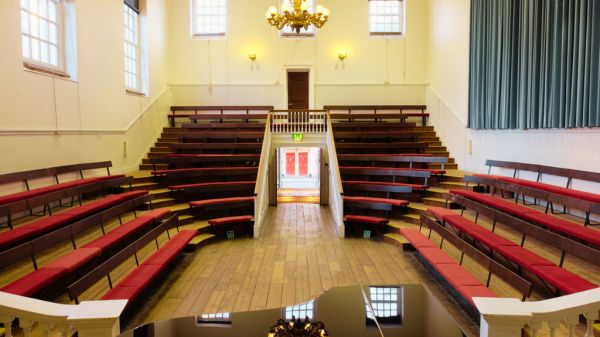
- Holywell Music Room
- オックスフォード, イギリス
チケットを入手
チケット料金
¥4,265 ¥6,398
* Student tickets: ¥4,478. Including booking fee.

Promo reels
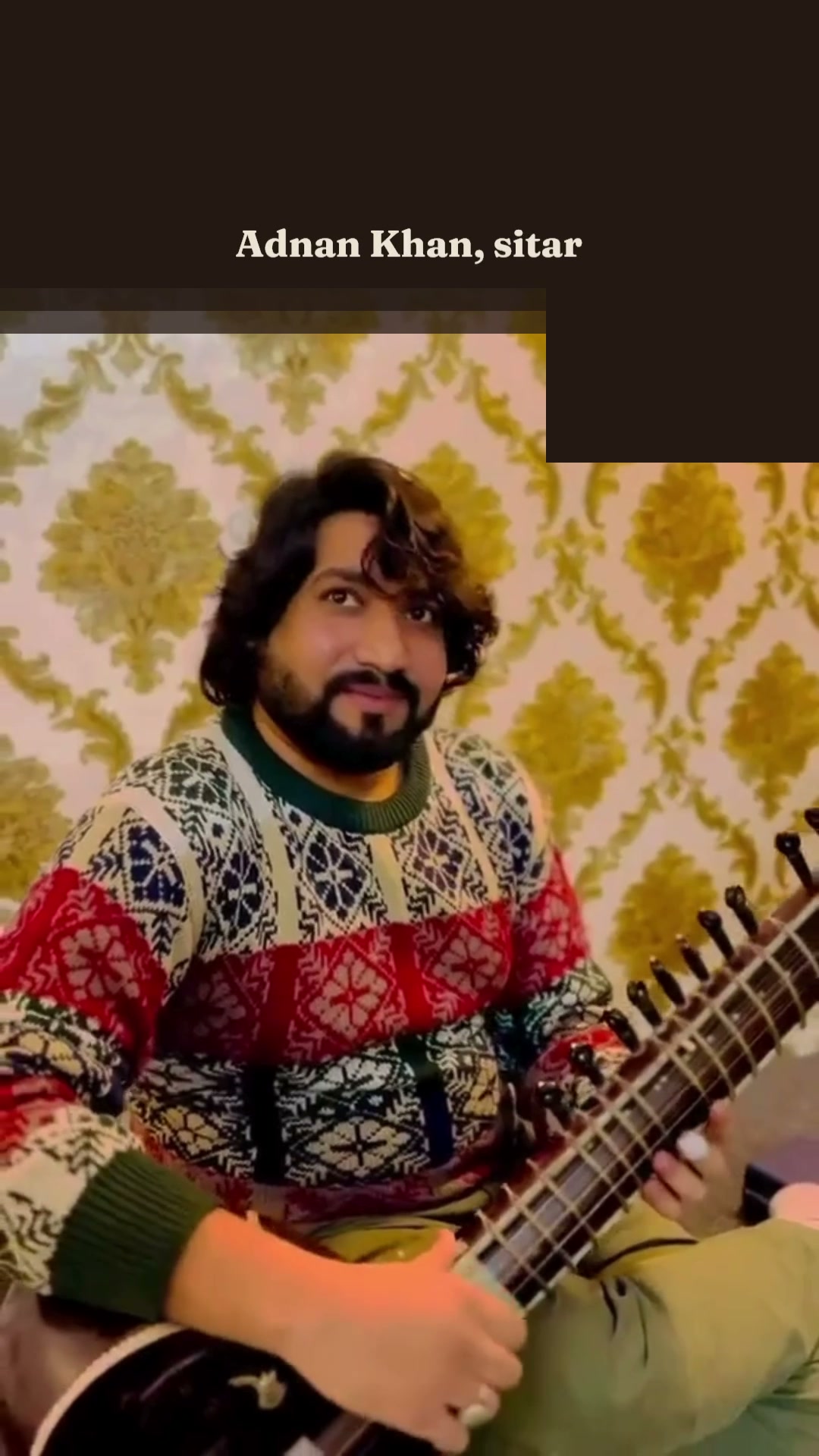
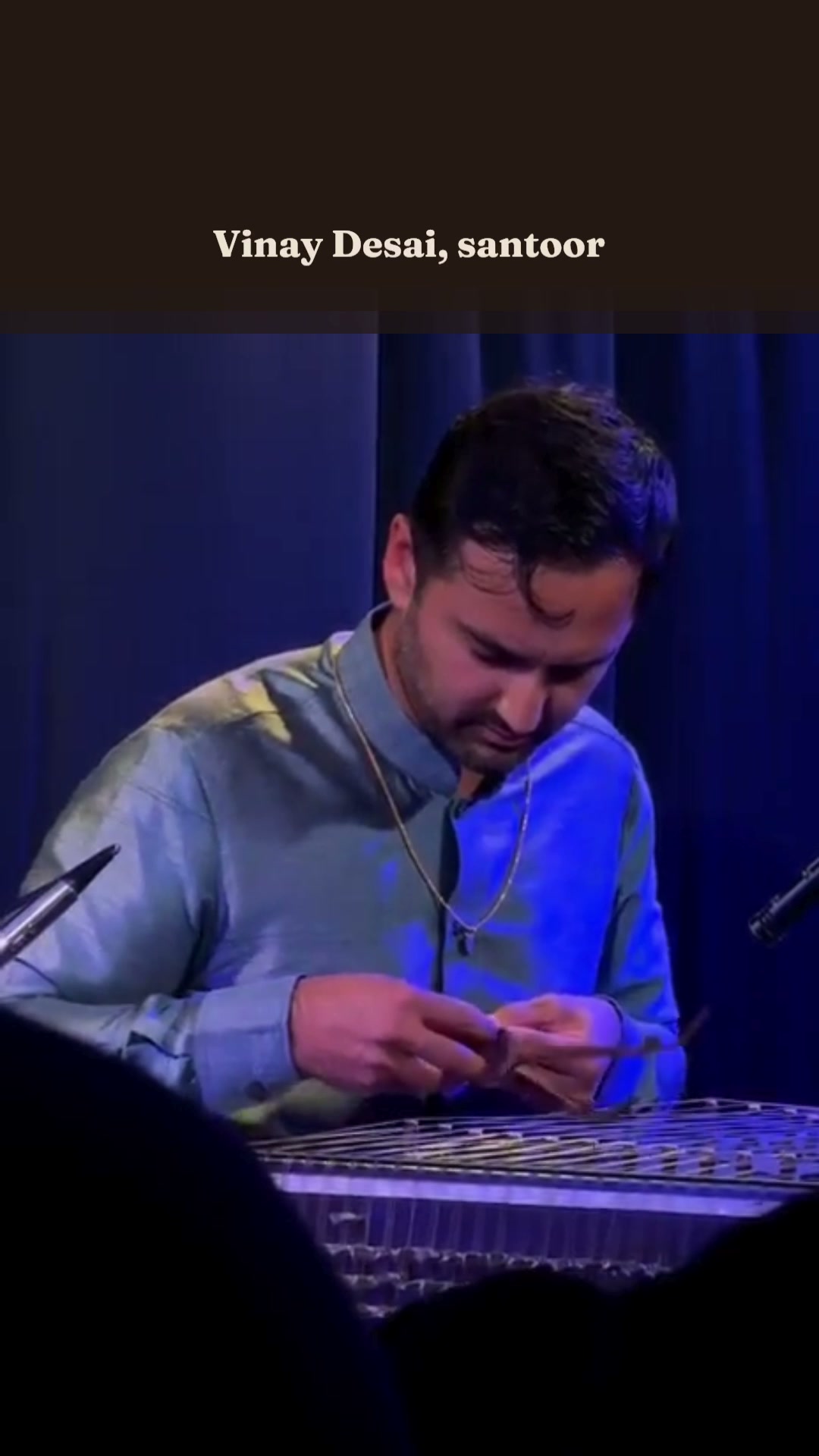
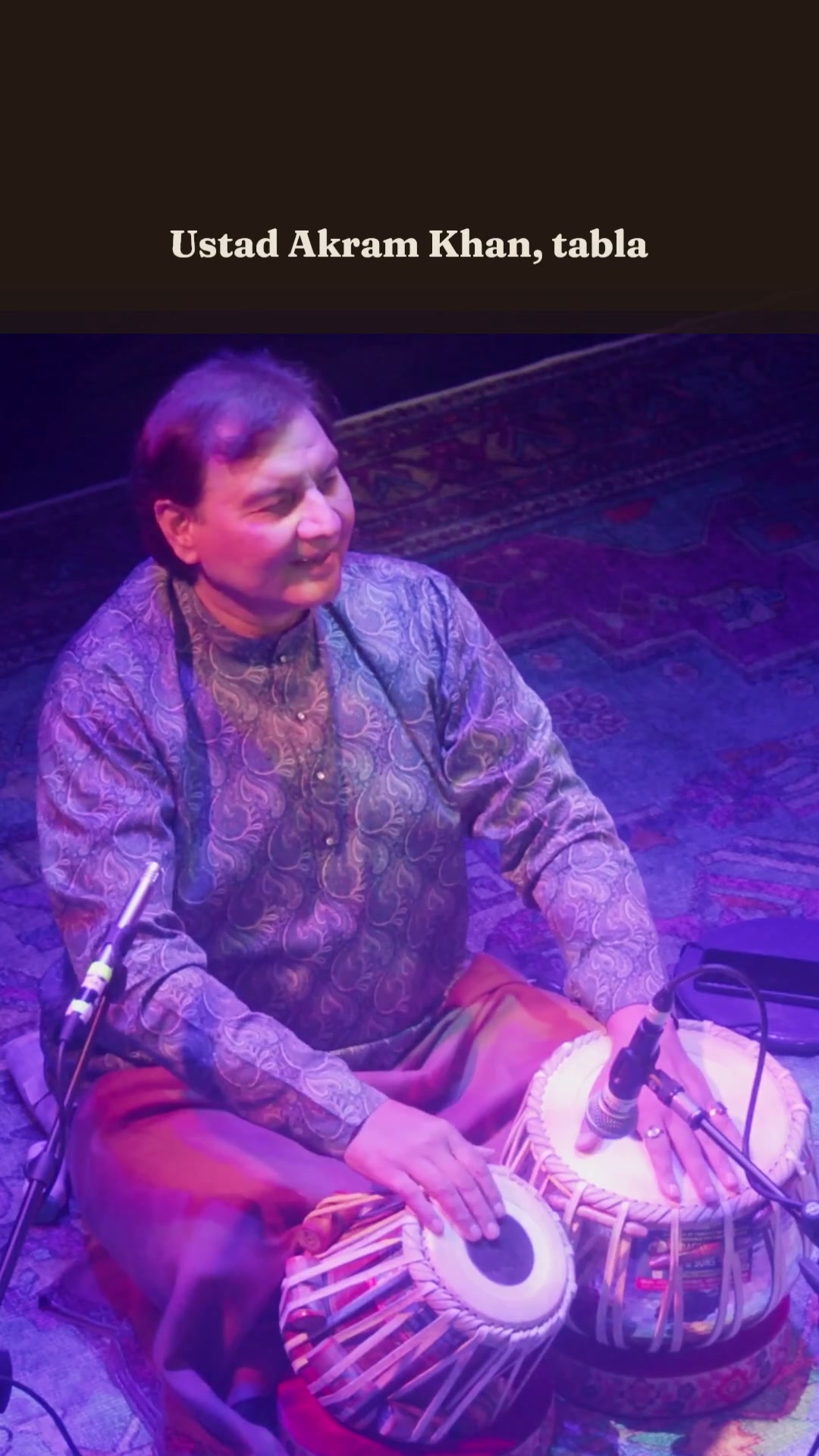
イベントハイライト
Adnan Khan on Sitar
Vinay Desai on Santoor
Ustad Akram Khan on Tabla
Back at the Holywell Music Room
-
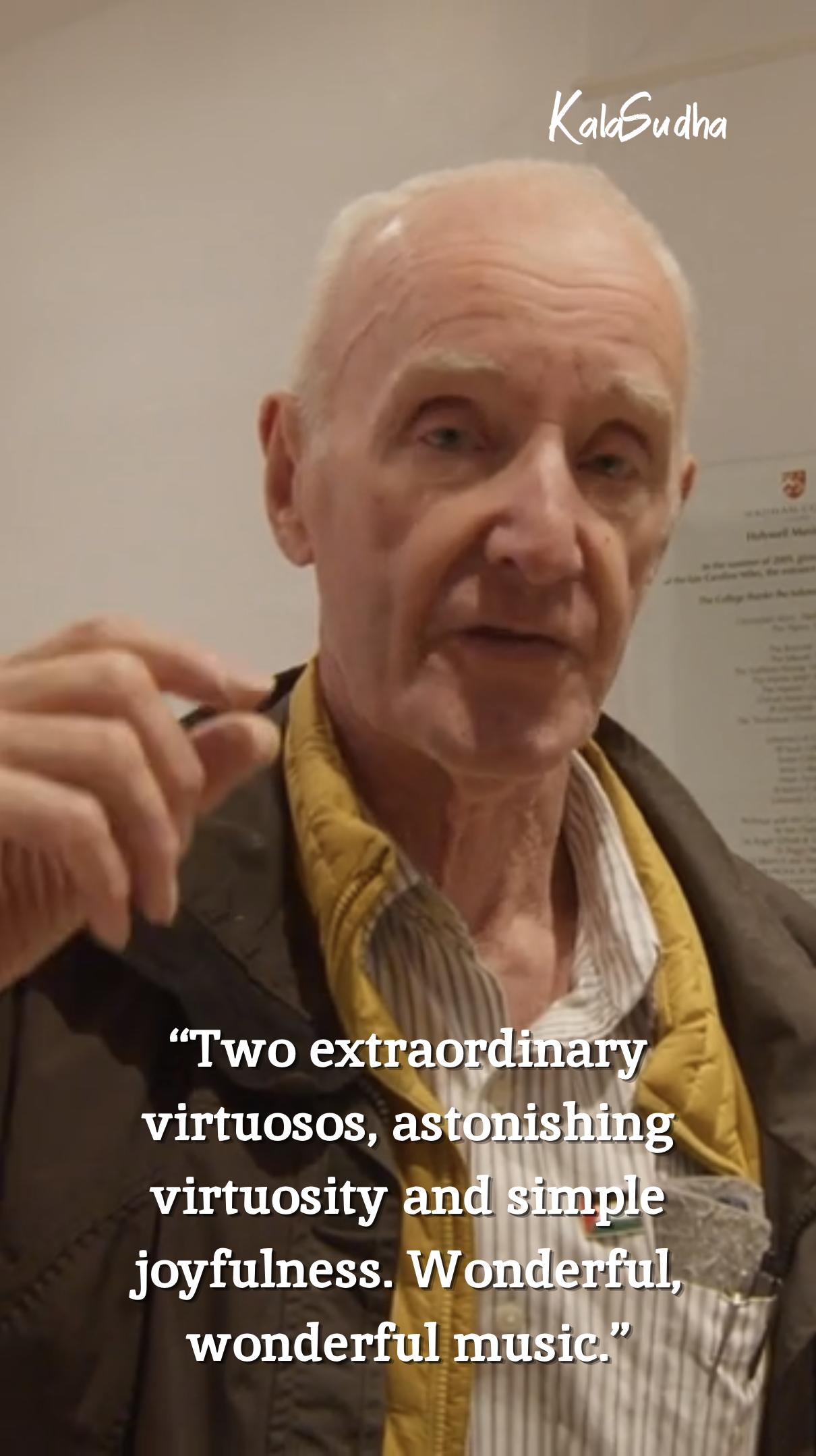
Oxford Raga Unison: Duet of Winds and Drums
-
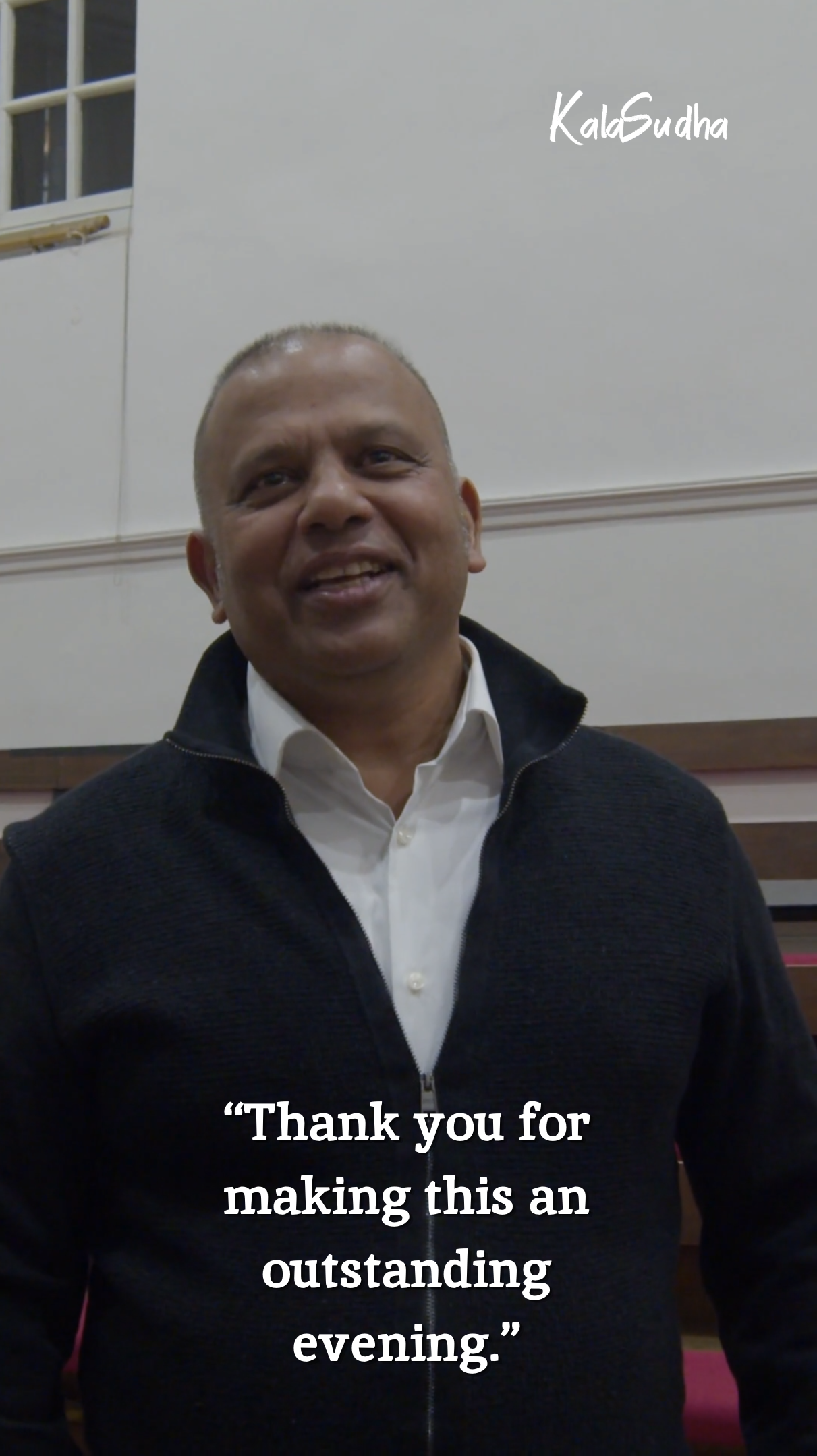
Oxford Raga Unison: Duet of Winds and Drums
-
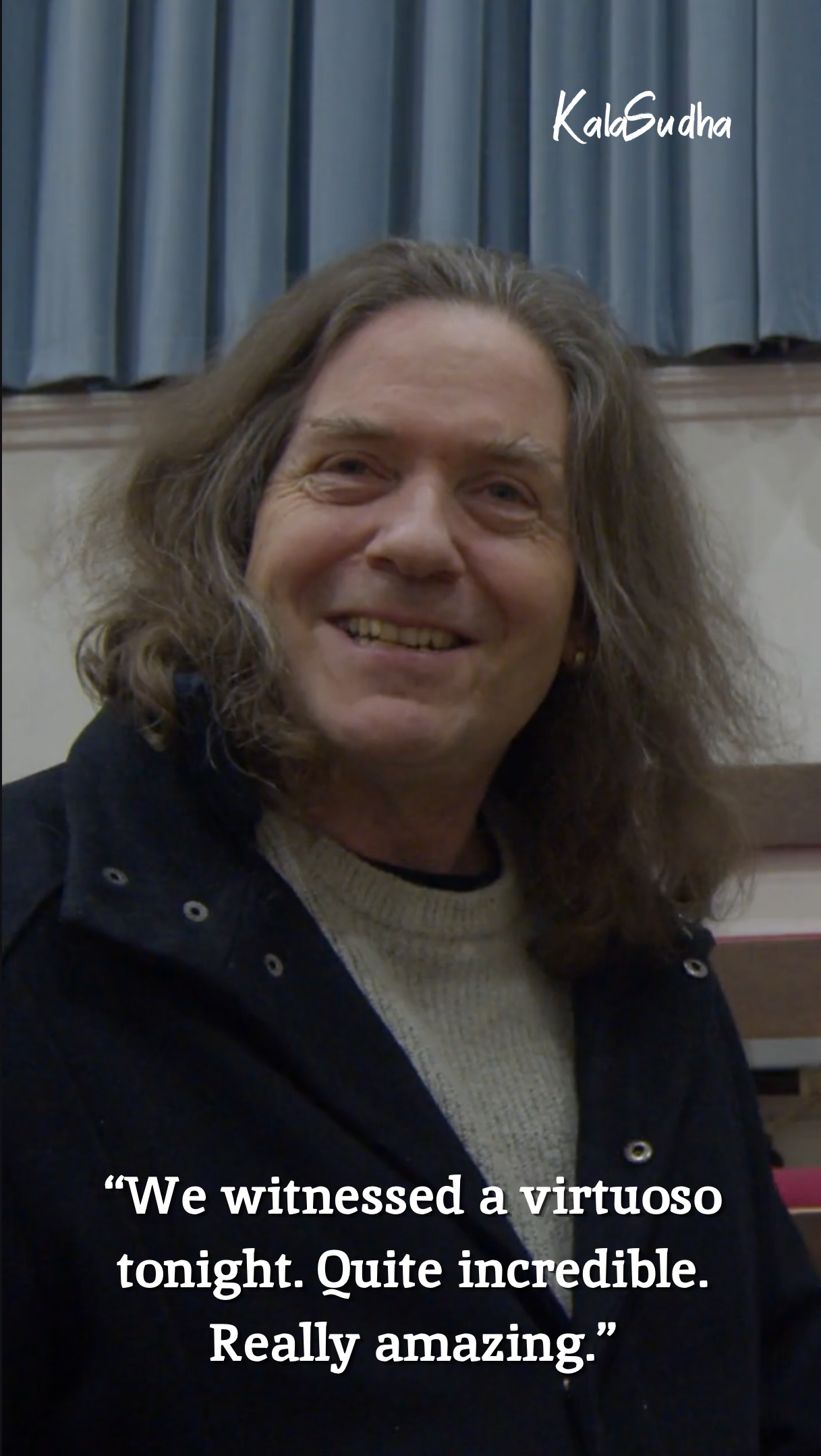
Oxford Raga Unison: Duet of Winds and Drums
-
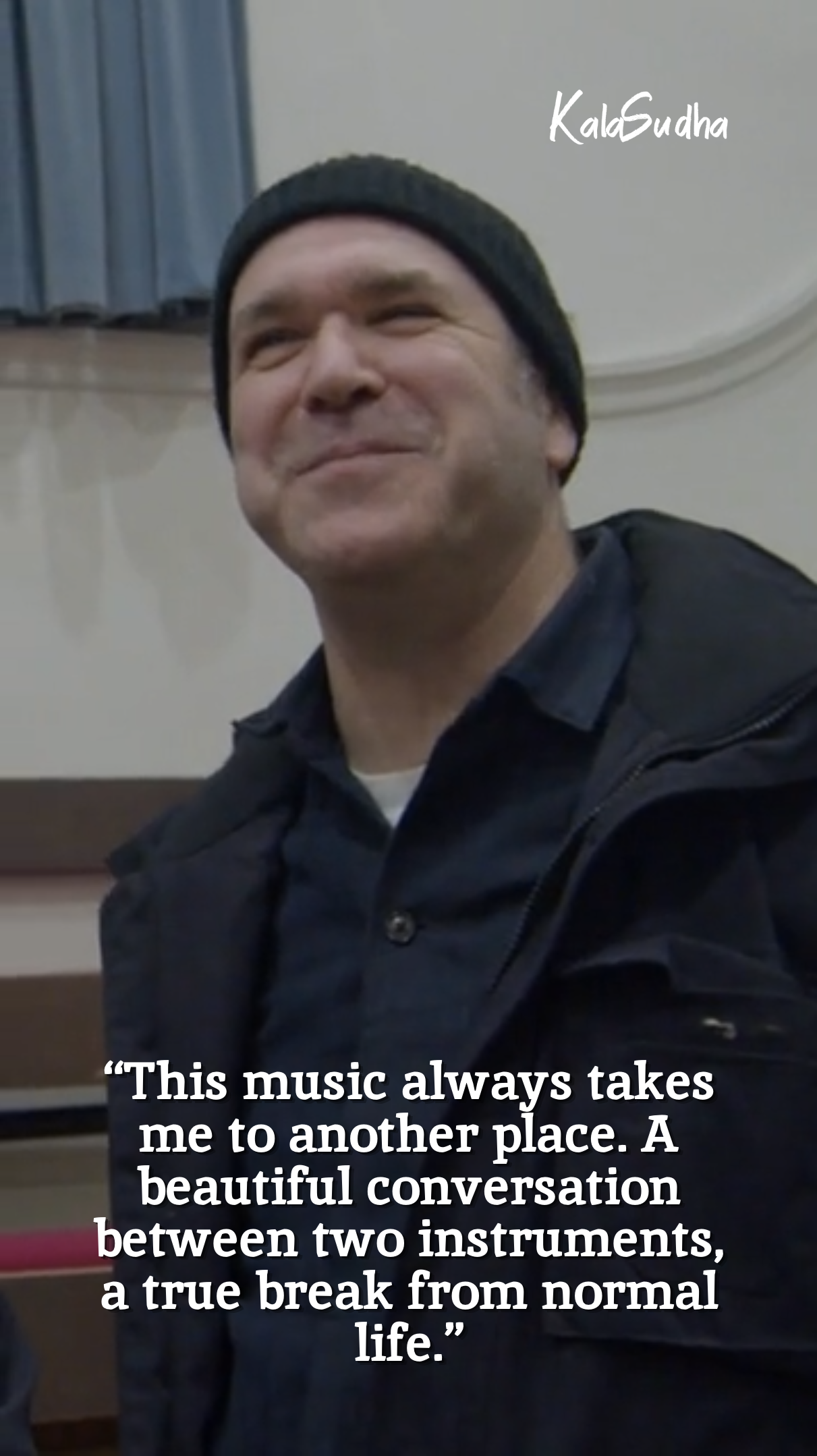
Oxford Raga Unison: Duet of Winds and Drums
-
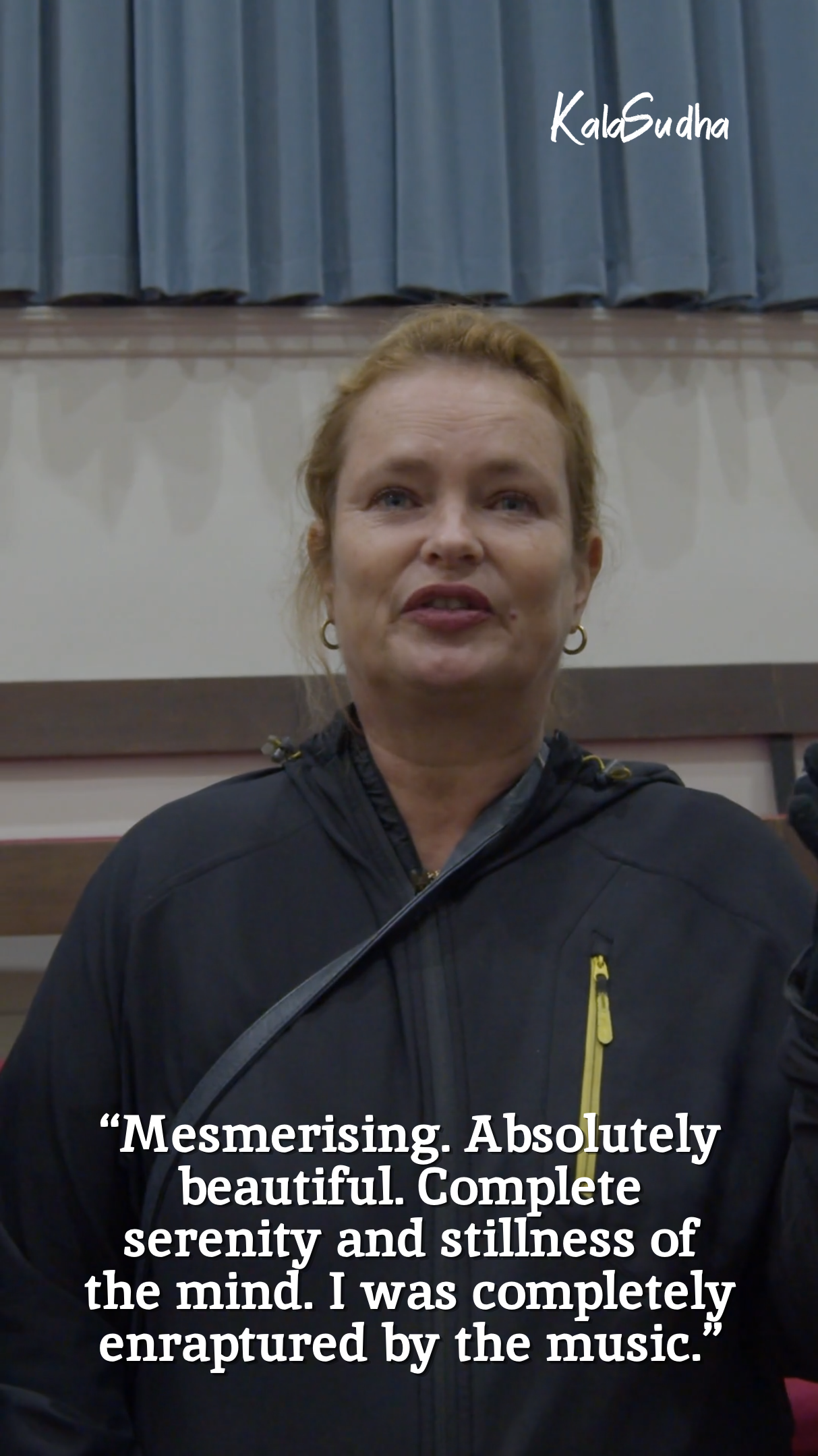
Oxford Raga Unison: Duet of Winds and Drums
出演アーティスト
-
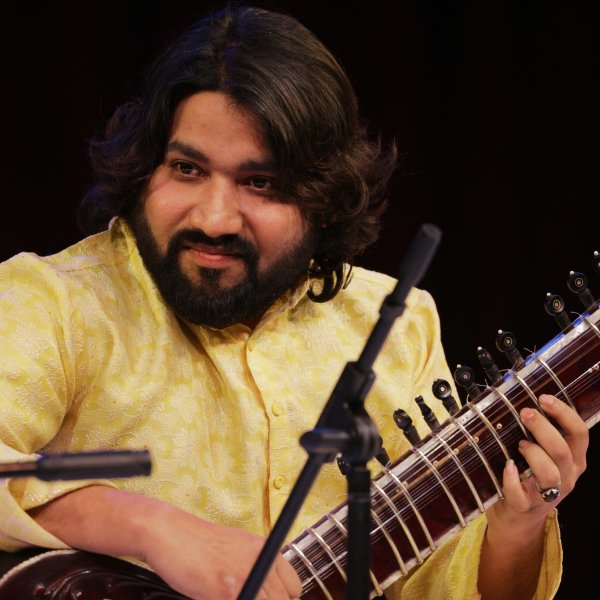 アドナン・カーン
-
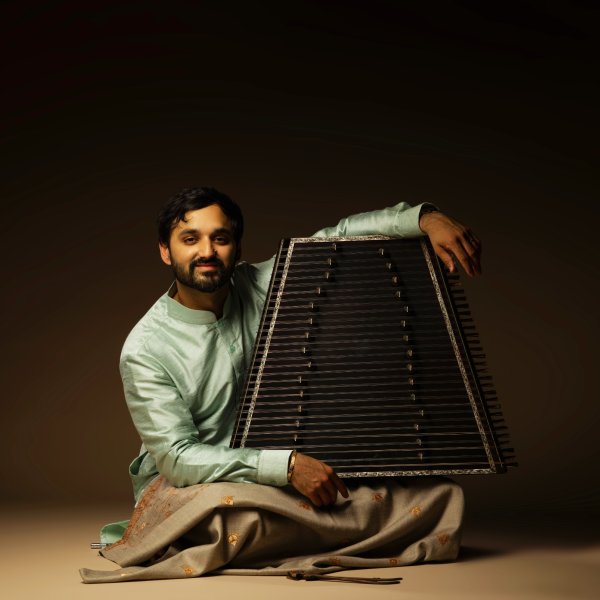 ヴィナイ・デサイ
-
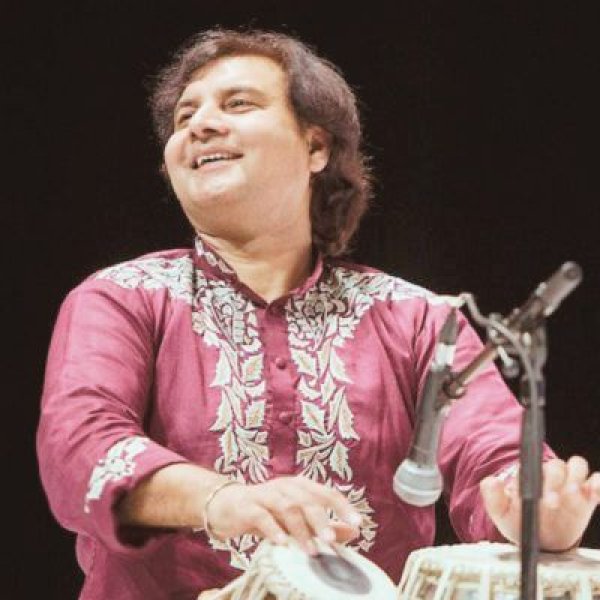 アクラム・カーン


イベント詳細
11月18日、私たちはホリーウェル音楽室に戻り、ア・ハンドレッド・ストリングス・イン・オックスフォード:二つの弦、一つの鼓動をお届けします。一年前、ラーガ・ユニゾンが同じホールでバーンスリーとタブラを共演させました。今回は三人の音楽家が登場し、弦楽器でラーガを奏でる二つの方法をお聴かせします。
アドナン・カーンはグラミー賞にノミネートされたシタール奏者で、楽器を歌声のように形づくる「ガーヤキー・アング」のスタイルで演奏します。最初の手ほどきは母方の祖父である故ウスタード・ザファル・アフマド・カーンから受け、現在はシタール奏者である父ウスタード・サイード・カーンのもとで研鑽を積んでいます。
ヴィナイ・デサイは、カシミール発祥の百弦の楽器サントゥールを演奏し、パドマ・ヴィブーシャン受章者パンディット・シヴクマール・シャルマの直弟子です。シタールは弦をはじいて音を出し、音と音の間をすべるように移ります。サントゥールは弦を打って音を出すためすべることができず、速い音の連なりで進んでいきます。二つの楽器は一つのラーガを共有しながら、その中を異なる道筋でたどります。
ウスタード・アクラム・カーンは前半・後半ともにタブラを担当します。アジュラーダー・ガラナにおける一族の七代目で、曽祖父ウスタード・モハマド・シャフィ・カーン、続いてウスタード・ニヤーズー・カーンに師事し、現在はガラナに伝わる十五以上の古典的なカーイダを教えています。
開場は午後6時45分、開演は午後7時です。詳しいプログラムは追ってお知らせします。
Venue information
よくあるご質問
What is KalaSudha's A Hundred Strings tour, who plays on it and where does it go?
A Hundred Strings is KalaSudha's tour of sitar, santoor and tabla. The name comes from the santoor, the hundred-stringed instrument of Kashmir.
The tour brings the sitar player Adnan Khan and the santoor player Vinay Desai together with the tabla player Ustad Akram Khan. In Manchester, Ustad Shahbaz Hussain also plays tabla. The sitar is plucked and slides between notes; the santoor is struck and cannot slide, so it moves in runs.
The tour plays Oxford, Manchester, Bournemouth and London.
How do I get to the Holywell Music Room on Holywell Street in Oxford, and who do I ask about parking or step-free access?
To reach the Holywell Music Room, head for Holywell Street in Oxford city centre, postcode OX1 3SB. The room is part of Wadham College, which lists it at https://events.wadham.ox.ac.uk/holywell-music-room. If you need parking or step-free access, write to [email protected] before you book, or read who to talk to about access needs. To book a seat, see how to find and book KalaSudha concerts in Oxford.
Is the Holywell Music Room in Oxford accessible for wheelchair users and people with other access needs, and who should I contact about it?
The Holywell Music Room has a ramped main entrance on a loose gravel path, level access to the auditorium and one accessible toilet, according to the Oxford University AccessGuide.
Wheelchair spaces and hearing-loop provision are limited. If you need either, or have other access needs, contact KalaSudha before you book.
Where can I hear live Indian classical music in Oxford, and where are KalaSudha's Oxford concerts listed?
KalaSudha presents Indian classical music in Oxford at the Holywell Music Room on Holywell Street, part of Wadham College. The room dates from 1748, and Wadham calls it "the oldest custom-built concert hall in Europe".
The KalaSudha Oxford page lists each Oxford concert with its Book Tickets button; press Register for updates there to hear about new dates. For directions, see getting to the Holywell Music Room.
KalaSudha has presented Oxford Raga Unison at the Holywell Music Room.
Who is the sitar player Adnan Khan, who taught him, and what is distinctive about his playing?
Adnan Khan is a Grammy-nominated sitar player from Delhi who works in the gayaki ang, the approach that shapes the instrument after the singing voice. He took his first lessons from his maternal grandfather, the late Zafar Ahmed Khan, and trains with his father, the sitar player Saeed Khan. His uncle, the khayal singer Mashkoor Ali Khan, taught him the gayaki ang at the ITC Sangeet Research Academy in Kolkata. Melody leads in his playing, and a raga's notes keep their shape through his fastest runs.
Who is the santoor player Vinay Desai, who taught him, and how does he play?
Vinay Desai plays the santoor, the hundred-stringed instrument of Kashmir, struck with two light curved mallets. He studied with Shivkumar Sharma, who received the Padma Vibhushan, through Sharma's final years. A struck string cannot bend, so his expression comes from where the strokes fall and how they are spaced. His concerts open slow, with no beat at all, until the raga has a shape. Then the tabla comes in, and the close is fast.
How do the sitar and the santoor differ in how they are built, how they are played and how they sound?
The sitar is plucked and slides between notes. The santoor is struck and cannot slide, so it moves in runs and repeated strokes.
The sitar is a long-necked lute with a gourd body, movable curved frets and sympathetic strings beneath the playing strings. The santoor is the hundred-stringed instrument of Kashmir: a flat wooden box strung with metal strings, struck with a pair of light wooden mallets.
On the sitar you hear a phrase held and bent, the way a singer does. On the santoor each note rings on after the hand has moved. See what is a sitar and what is a santoor.
What is the Ajrara (Ajrada) gharana of tabla, where did it begin, and what is it known for?
The Ajrara gharana, also spelt Ajrada, is a school of tabla that arose in the late 18th or early 19th century in the village of Ajrara, in Meerut district. Most accounts trace it to two brothers, Kallu Khan and Miru Khan, who learnt in Delhi, making it an offshoot of the Delhi gharana. Its players add the ring finger to the Delhi technique. It is best known for qaidas, themes with set variations, in aad laya, three strokes to every two beats. Ustad Akram Khan plays in the gharana today.
How do I get my ticket?
When you book on kalasudha.com, your KalaSudha confirmation email carries your ticket. Show it on your phone at the door, or bring a printout if you prefer paper.
If the email has not arrived, check your spam folder first. If it is still missing, write to [email protected] and we will send your ticket again.
Can no longer come? See refunds. Event moved or cancelled? See cancellations and date changes. Planning the night? See when to arrive.
When should I arrive?
Arrive at the door time shown on the KalaSudha event page. Doors open before the music starts, so you can find a seat and settle before the first note. All times are UK local time.
When the programme opens with a raga, the first section is the alap, the slow, free-tempo opening of the raga. Arriving after the start time means walking in during it.
For seating, see Is seating allocated? If this is your first Indian classical concert, read what to expect as a newcomer.
Have more questions? Contact our support team and we'll be happy to help!