

Reading Raga Resonance: Bow, Beat, and Breath
- #Reading
- #Op locatie
- SEP 12, 2026
- zaterdag
- 12:00 PM
- 2 uur, 30 minuten
- The Great Hall, Reading
- Reading, Verenigd Koninkrijk
Koop uw tickets

Samenvatting evenement
Hoogtepunten van het evenement
Een sarangi-erfenis over drie generaties
Gevormd door twee van India's grootste sarangi-meesters
Europa's beste tabla-speler
Drie gharana's in één muzikant
De strijkstok en het ritme wisselen van rol
Twee concerten op één dag in Reading
Optredende artiesten
-
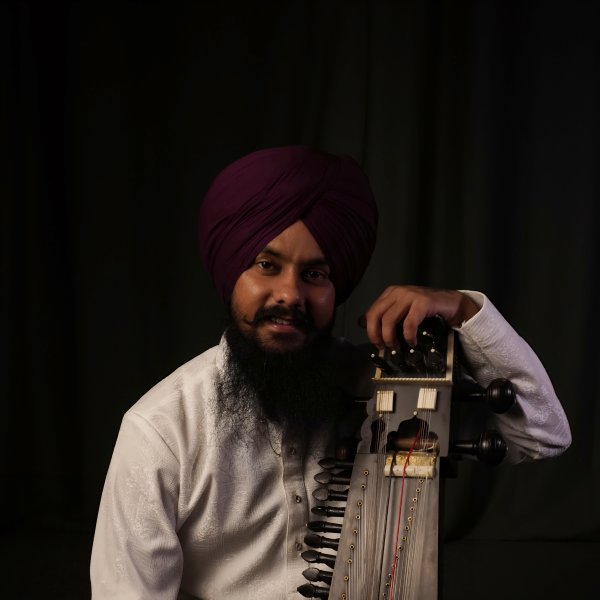 Satwinder Pal Singh
-
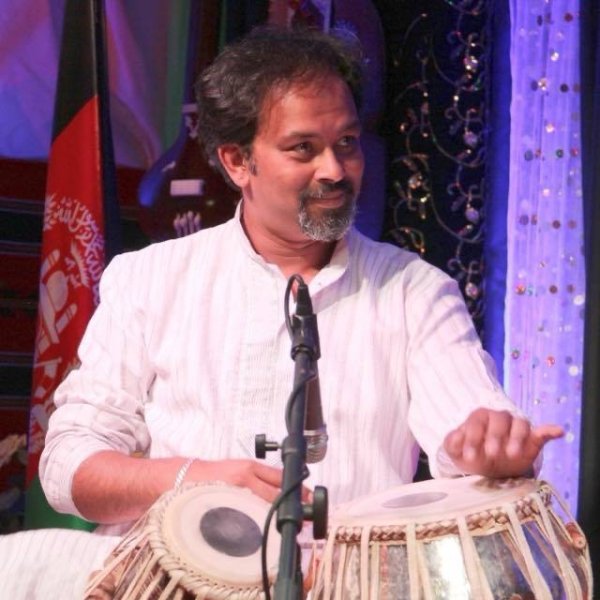 Shahbaz Hussain


Evenementdetails
Beste muziekliefhebbers uit Reading, we zijn verheugd onze terugkeer aan te kondigen naar de Great Hall van de Universiteit van Reading voor de tweede keer als onderdeel van het jaarlijkse Kala Festival, om "Reading Raga Resonance: Bow, Beat, and Breath" te presenteren. Kom op 12 september 2026 om 12:00 uur naar deze intieme middag en wees getuige van de betoverende muzikale dialoog tussen de zangerige Sarangi en de dynamische ritmes van de Tabla.
Deze bijzondere middag heeft twee veelgeprezen artiesten: Satwinder Pal Singh op de Sarangi en Ustad Shahbaz Hussain op de Tabla. Satwinder speelt al vanaf zeer jonge leeftijd Sarangi en gaf zijn eerste openbare optreden op 5-jarige leeftijd. Hij werd begeleid door zijn vader en leerde later van grote levende meesters zoals Ustad Sabri Khan en Pandit Ram Narayan Ji. Shahbaz Hussain studeerde eerst bij zijn vader, de zanger Ustad Mumtaz Hussain, en vervolgens bij Ustad Faiyaz Khan van de Delhi gharana, Ustad Shaukat Hussain Khan en Ustad Allah Rakha van de Punjab gharana. Hij heeft een eclectische, veelzijdige stijl ontwikkeld, leidt de fusiegroep Indus en begeleidt rondreizende klassieke artiesten. Shahbaz is ook actief als tablaleerkracht in Noord-Engeland.
Samen zullen zij een unieke, converserende uitvoering presenteren die de diepe verbinding tussen ritme en melodie in onze oude muzikale traditie belicht. In plaats van een standaard opstelling wordt het een echt muzikaal uitwisseling waarbij strijkstok en slag gelijkwaardig zijn.
De uitvoering ontvouwt zich in twee delen. In de eerste helft staat de Sarangi solo centraal, elegant ondersteund door de Tabla, met haar vloeiende, vocale melodieën op de voorgrond. In de tweede helft wisselen de rollen: de Tabla treedt naar voren voor een krachtige ritmische solo, omlijst door de Sarangi. Deze afwisselende structuur belooft een boeiende vertoning van klassieke beheersing, wederzijds respect en spontane muzikale ontdekking.
Deze avond is meer dan muziek; het is ook een uitnodiging om te pauzeren, te reflecteren en de helende resonantie van klank (Shabd) te ervaren. Eeuwenlang hebben Indiase klassieke tradities muziek beschouwd als een vorm van meditatie, een middel om balans in onszelf en onze gemeenschappen te herstellen. Wanneer we samenkomen voor intieme concerten en deelnemen aan muzikale ervaringen die oude klanken dragen, opent zich een hele nieuwe wereld voor ons. In de wereld van vandaag herinneren deze tijdloze praktijken ons aan de diepe verbinding tussen muziek, geestelijke gezondheid, mindfulness en emotioneel welzijn. Deze avond biedt vernieuwing — een kans om opgewekt, verbonden en hersteld te voelen door de universele taal van muziek.
Als u in of rond Reading bent, kom dan zeker langs. Neem voor speciale behoeften contact met ons op.
Deuren open om 11:30 uur, muziek begint om 12:00 uur.
Publieksbeleid:
- Ongeautoriseerd filmen of fotograferen is niet toegestaan.
- Het gebruik van mobiele telefoons (inclusief sms) is niet toegestaan tijdens het evenement. Wij vragen uw medewerking. Dank u!
Venue information
The Great Hall, Reading
The Great Hall, University of Reading, London Road Campus, Reading, RG15AQ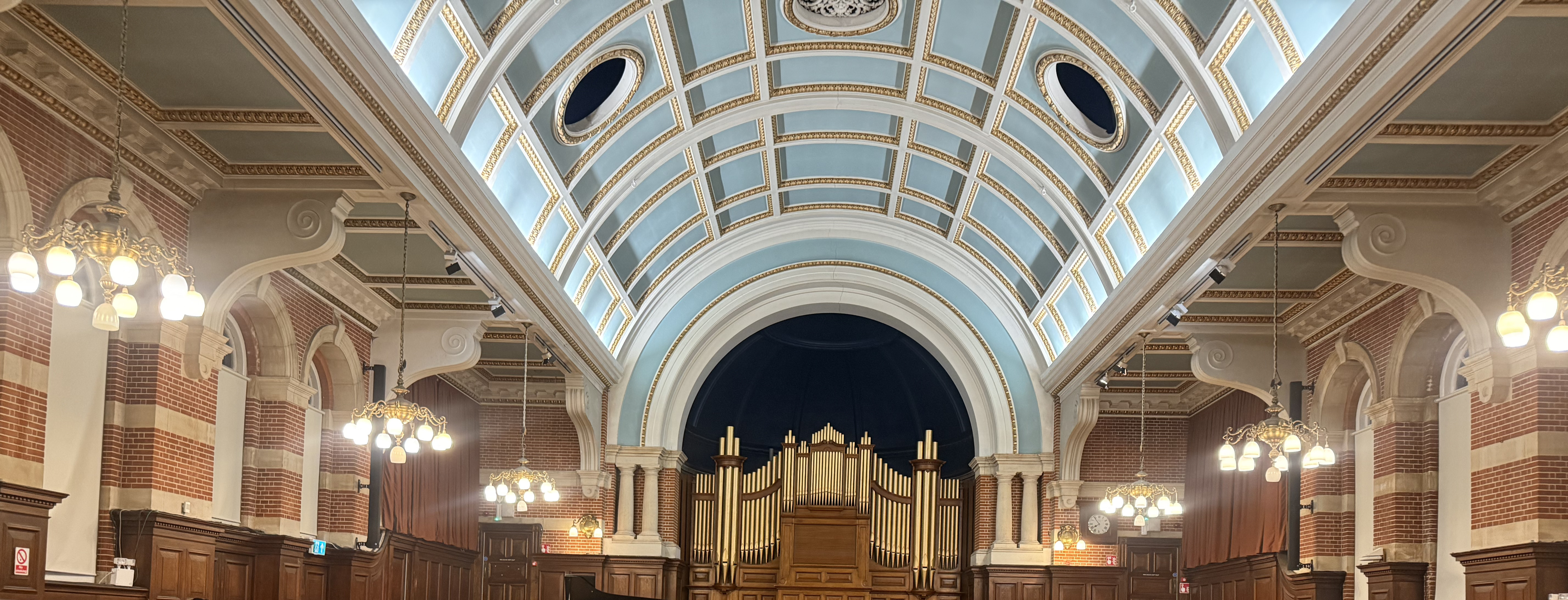
Veelgestelde vragen
What is a tabla solo, and what should I listen for?
A tabla solo puts the tabla in the lead. The player builds compositions across a fixed cycle of beats, the taal, while a melody instrument, often a sarangi or harmonium, keeps time with a short repeating tune called the lehra. For the rest of an Indian classical concert the tabla keeps time behind the melody instrument.
Each cycle runs the same length, and every new cycle starts on beat one. That beat is the sam.
You do not need to count. Listen for the lehra to repeat, then listen for the tabla to land on the sam. New to the drum? See What is a tabla?
There are two Reading concerts on 12 September. What is the difference?
Two separate concerts at The Great Hall, Reading, on 12 September, each with its own ticket. Bow, Beat, and Breath starts at 12pm: sarangi and tabla, the two players swapping lead and accompanist at the interval. Slide & Strum on The Mystic Frets starts at 6pm, with Indian slide guitar, Western guitar and tabla playing a classical raga half, then a fusion half after the interval.
The afternoon concert ends around 2.30pm and evening doors open at 5.30pm, so you can attend both. The Full Day ticket covers the pair.
Where do I park at The Great Hall, Reading?
Park at the White Gates Car Park on the University of Reading's London Road Campus. Set your sat nav to RG1 5AG, the car park's postcode, and drive in from Crown Place, off the London Road (A4).
The campus has up to 200 spaces for Great Hall events. Spaces go first come, first served, and they get tight at busy times. Evening and weekend events need no parking permit.
Coming by train or bus? See how to get to The Great Hall.
Is The Great Hall in Reading accessible?
Yes, The Great Hall in Reading is accessible.
You need to book a wheelchair space ahead of the concert. Write to [email protected] once you have your ticket, and we will arrange it with the venue.
Where can I hear live Indian classical music in Reading, and how do I find out about the next KalaSudha concert there?
KalaSudha presents Indian classical music in Reading and lists each concert on its Reading page, with a link to book. To hear when the next Reading date is set, press Register for updates there or join the KalaSudha newsletter.
KalaSudha has presented concerts at The Great Hall on the London Road Campus, the University of Reading's original home, as part of the Kala Festival.
Who is the sarangi player Satwinder Pal Singh, and who taught him?
Satwinder Pal Singh is a London-based sarangi player from Moga, Punjab. He took up the sarangi at 11 under his father, Shaminder Pal Singh, a Top Grade artist of All India Radio, and in 2012 studied in Delhi with his father's teacher, Sabri Khan. He has also trained under Ram Narayan and Harsh Narayan. He plays the saranda, israj, dilruba and taus too, instruments his family has carried through generations of Sikh music. His father holds Top Grade status for sarangi from All India Radio, and Satwinder Pal Singh is an A-grade artist.
His father, a disciple of Ustad Sabri Khan, is the first Sikh sarangi player in All India Radio's history to reach Top Grade.
Who is the tabla player Ustad Shahbaz Hussain, and who were his teachers?
Ustad Shahbaz Hussain is a tabla player who teaches across the north of England. He first studied under his father, the vocalist Mumtaz Hussain, then learned from the tabla player Faiyaz Khan of the Delhi gharana and from Shaukat Hussain Khan and Ustad Alla Rakha of the Punjab gharana. He leads the fusion group Indus and accompanies touring classical artists. He teaches at the University of Newcastle and the University of Huddersfield, and received the Son of Lahore Award from the Government of Pakistan in 2008.
He lives in Manchester and learned from his father from the age of five.
What is a sarangi?
The sarangi is a short bowed instrument with three gut playing strings and around 35 sympathetic strings that resonate beneath them.
Players stop the strings from the side with the backs of their fingernails. Many musicians hold that, of all Indian instruments, the sarangi sits closest to the human voice.
What is the Senia-Maihar gharana, who founded it, and which KalaSudha artist plays in it?
The Senia-Maihar gharana is the sarod lineage that Allauddin Khan founded at Maihar, a former princely state, in the early 20th century. Most sources treat it and the Maihar gharana as one school spanning several instruments. "Senia" names the Tansen line, which Allauddin Khan joined as a disciple of Wazir Khan of Rampur. He brought a dhrupad approach to the sarod, sitar, violin and bansuri. Among KalaSudha's artists, Pandit Debasis Chakroborty plays in the gharana.
Have more questions? Contact our support team and we'll be happy to help!