

Reading Raga Resonance: Slide & Strum on The Mystic Frets
- #Reading
- #Op locatie
- SEP 12, 2026
- zaterdag
- 6:00 PM
- 2 uur, 30 minuten
- The Great Hall, Reading
- Reading, Verenigd Koninkrijk
Koop uw tickets

Samenvatting evenement
Hoogtepunten van het evenement
Drie continenten, één podium
De traditie die de moderne Indiase muziek heeft gevormd
Een gitarist die de Indiase muziek van de bron leerde
Australië's enige tabla-doctor, opgeleid door Zakir Hussain
Eerst klassiek, dan fusion
Terugkeer naar Reading op verzoek van het publiek
Optredende artiesten
-
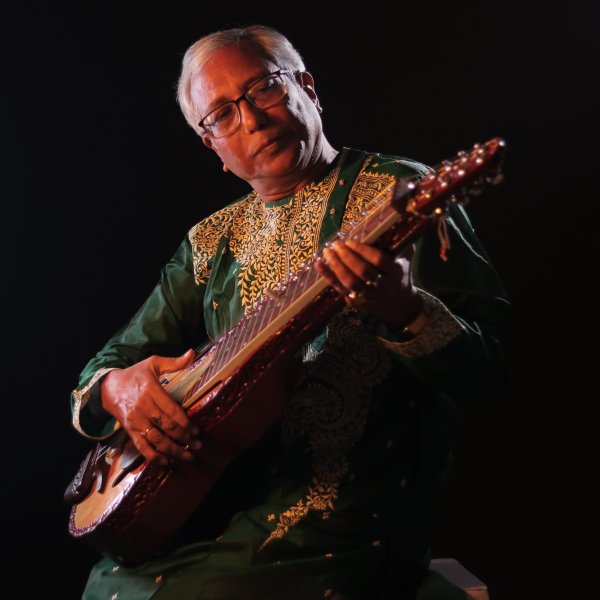 Debasis Chakroborty
-
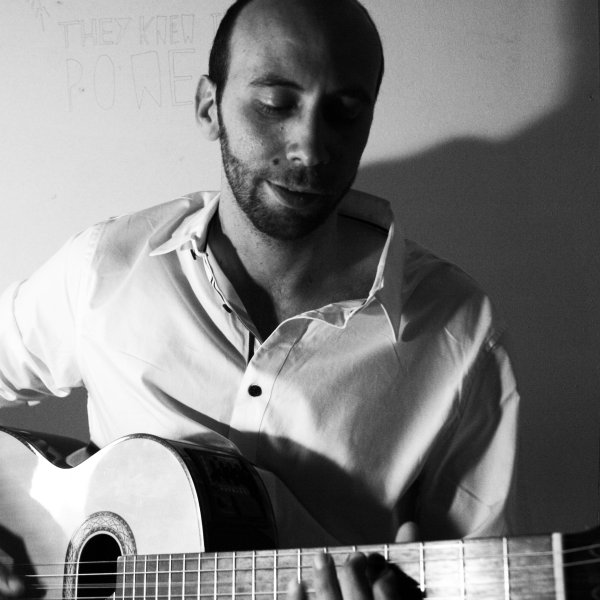 Giuliano Modarelli
-
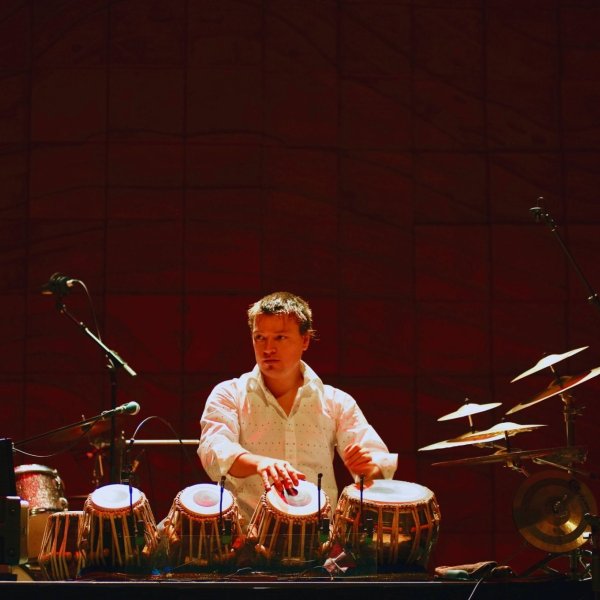 Sam Evans


Evenementdetails
Beste muziekliefhebbers in Reading, wij zijn verheugd «Slide & Strum on The Mystic Frets» te presenteren als onderdeel van het Kala Festival 2026 in The Great Hall van de Universiteit van Reading. Een unieke muzikale reis die de oude tradities van de Indiase klassieke muziek prachtig verbindt met de expressieve vrijheid van westerse gitaar.
Deze bijzondere avond brengt een buitengewone samenwerking tussen drie meesterlijke artiesten uit verschillende muzikale werelden: meester van de Indiase slidegitaar, Pandit Debasis Chakroborty, afkomstig uit Agra, India; gitarist Giuliano Moderalli, uit het Verenigd Koninkrijk; en Sam Evans op tabla, uit Australië.
In dit concert zal de zielvolle meditatieve stem van de Indiase slidegitaar een dialoog aangaan met de rijke harmoniek van de westerse gitaar, begeleid door de ritmische meesterlijkheid van de tabla. De uitvoering belooft een diepgaande muzikale dialoog die zowel traditie als innovatie eert.
Klassieke grondslagen
De eerste sessie verkent de zuivere essentie van de Indiase klassieke muziek: een ontroerende raga-compositie met Alap en Jod (20 minuten), gevolgd door twee korte composities van elk 15 minuten in de Rupak (7 tellen) en Jhaptal (10 tellen) cycli. Dit segment belicht de lyrische schoonheid en improvisatiediepte van de ragas via het unieke timbre van het gitaarduo.
Fusiehorizonten
Na de pauze opent de tweede sessie de deuren naar creatieve verkenning met drie geïmproviseerde stukken van elk 10 minuten, waarbij Indiase en westerse muzikale elementen, ritmes en texturen naadloos samenvloeien.
Dit deel van het concert viert de vreugde van muzikale ontdekking — waar gitaren melodie, harmonie en ritme op spontane en boeiende wijze weven, vergezeld van tabla en de diepe resonantie van shabd.
Venue information
The Great Hall, Reading
The Great Hall, University of Reading, London Road Campus, Reading, RG15AQ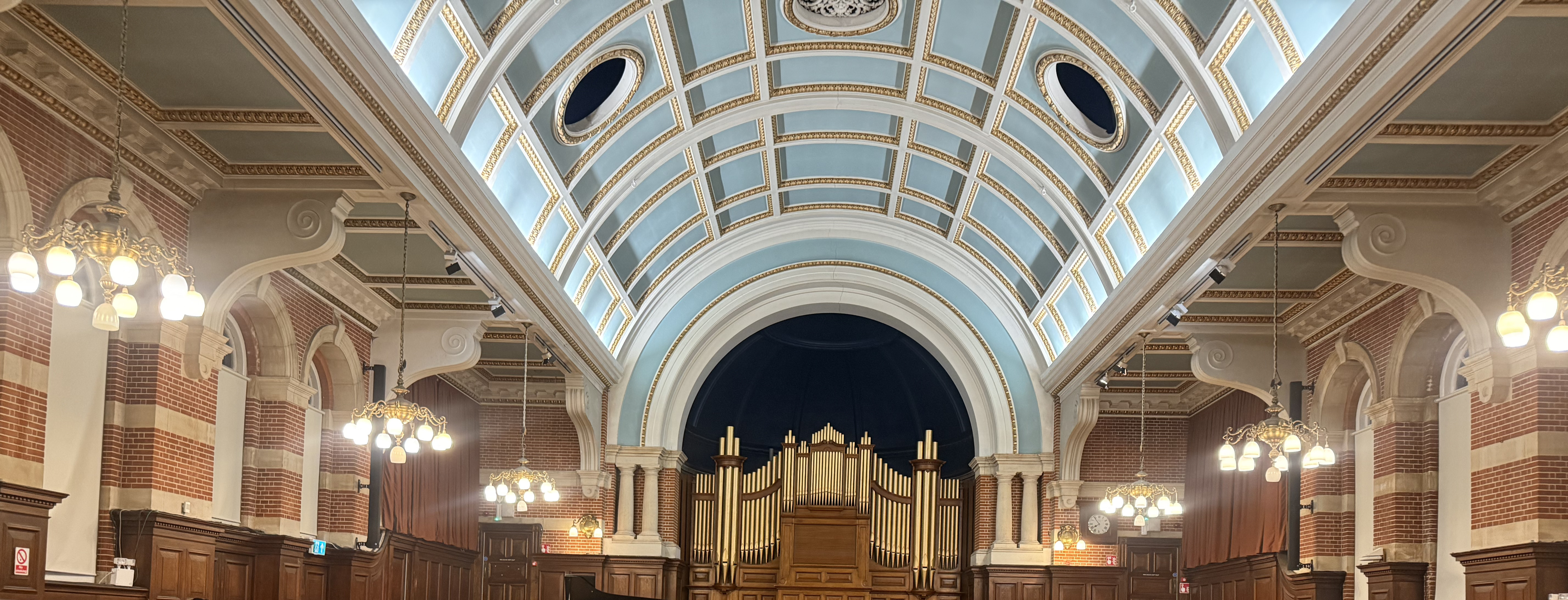
Veelgestelde vragen
What does the Western guitar add at Slide & Strum on The Mystic Frets in Reading?
The guitar adds harmony to a raga. At Slide & Strum on The Mystic Frets, The Great Hall, Reading, 12 September 2026, Giuliano Modarelli plays Western guitar with Pandit Debasis Chakroborty on Indian slide guitar and Dr Sam Evans on tabla.
Indian classical music sets melody over a drone, with no chord movement underneath. Modarelli builds chords behind the raga line, so you hear the same melody against changing harmony.
Modarelli studied Hindustani classical music under sitarist Dharambir Singh and the sarod players Buddhadev Dasgupta and Prattyush Bannerjee, and plays it on guitar. His harmony comes forward in the fusion half: three improvised pieces where slide guitar and guitar trade melody, harmony and rhythm over tabla.
There are two Reading concerts on 12 September. What is the difference?
Two separate concerts at The Great Hall, Reading, on 12 September, each with its own ticket. Bow, Beat, and Breath starts at 12pm: sarangi and tabla, the two players swapping lead and accompanist at the interval. Slide & Strum on The Mystic Frets starts at 6pm, with Indian slide guitar, Western guitar and tabla playing a classical raga half, then a fusion half after the interval.
The afternoon concert ends around 2.30pm and evening doors open at 5.30pm, so you can attend both. The Full Day ticket covers the pair.
Where do I park at The Great Hall, Reading?
Park at the White Gates Car Park on the University of Reading's London Road Campus. Set your sat nav to RG1 5AG, the car park's postcode, and drive in from Crown Place, off the London Road (A4).
The campus has up to 200 spaces for Great Hall events. Spaces go first come, first served, and they get tight at busy times. Evening and weekend events need no parking permit.
Coming by train or bus? See how to get to The Great Hall.
Is The Great Hall in Reading accessible?
Yes, The Great Hall in Reading is accessible.
You need to book a wheelchair space ahead of the concert. Write to [email protected] once you have your ticket, and we will arrange it with the venue.
Where can I hear live Indian classical music in Reading, and how do I find out about the next KalaSudha concert there?
KalaSudha presents Indian classical music in Reading and lists each concert on its Reading page, with a link to book. To hear when the next Reading date is set, press Register for updates there or join the KalaSudha newsletter.
KalaSudha has presented concerts at The Great Hall on the London Road Campus, the University of Reading's original home, as part of the Kala Festival.
Who is the Indian slide guitarist Pandit Debasis Chakroborty, the senior-most disciple of Pandit Brij Bhushan Kabra?
Pandit Debasis Chakroborty is a Hindustani slide guitarist and the senior-most disciple of Pandit Brij Bhushan Kabra, and his playing reflects Kabra's style. His name is also written Debasis Chakraborty. He plays in the Senia-Maihar gharana and has taught since 1992.
He has been part of the Department of Performing Arts at Mangalayatan University since its inception, and returns to universities in Australia and the USA as a conductor-performer and artist-in-residence. He helped carry out a joint music research project between Mangalayatan University and Monash University, and has published 10 research papers.
He learned first from his father, then from Barun Kumar Pal and Jotin Bhattacharya, and in the mid-1990s studied with Kabra in Jodhpur. He is Associate Professor of Music at Mangalayatan University in Aligarh and advises government and non-government organisations as an expert.
Who is the guitarist Giuliano Modarelli, and how did he come to Indian music?
Giuliano Modarelli is a London-based Italian guitarist and composer who blends Indian classical music, jazz and contemporary world music. Born in Milan in 1977, he moved to England in 2000 and took a bachelor's degree in jazz at Leeds College of Music in 2003. He studied Indian music with the sitar player Dharambir Singh and the sarod players Buddhadev Dasgupta and Prattyush Bannerjee. He founded the collective Samay, is a founding member of the ensemble Kefaya, and he has worked with Ustad Shahbaz Hussain and Pandit Ajay Prasanna.
What is an Indian slide guitar, how is it played, and where can I learn it?
The Indian slide guitar is a guitar laid flat across the lap and stopped with a steel bar instead of fingers on frets. It is an instrument of Hindustani classical music, the classical music of North India. Sympathetic strings ring underneath the melody unstruck, and the player plucks extra drone (chikari) strings.
The bar never leaves the string, so one note travels into the next without a break. For its history and players, see the Indian slide guitar page. You can learn it with KalaSudha in the online academy.
What is the Senia-Maihar gharana, who founded it, and which KalaSudha artist plays in it?
The Senia-Maihar gharana is the sarod lineage that Allauddin Khan founded at Maihar, a former princely state, in the early 20th century. Most sources treat it and the Maihar gharana as one school spanning several instruments. "Senia" names the Tansen line, which Allauddin Khan joined as a disciple of Wazir Khan of Rampur. He brought a dhrupad approach to the sarod, sitar, violin and bansuri. Among KalaSudha's artists, Pandit Debasis Chakroborty plays in the gharana.
Have more questions? Contact our support team and we'll be happy to help!