

Reading Raga Resonance: Bow, Beat, and Breath
- 12 Set 2026
- Sábado
- 12:00 PM – 2:30 PM
- 2 horas, 30 minutos
- The Great Hall, Reading
- Reading, GB
Ingressos

Resumo do evento
Destaques do evento
Três gerações de herança do sarangi
Formado por dois grandes mestres do sarangi na Índia
O maior tocador de tabla da Europa
Três gharanas em um só músico
O arco e o ritmo trocam de papel
Dois concertos em Reading no mesmo dia
Artistas participantes
-
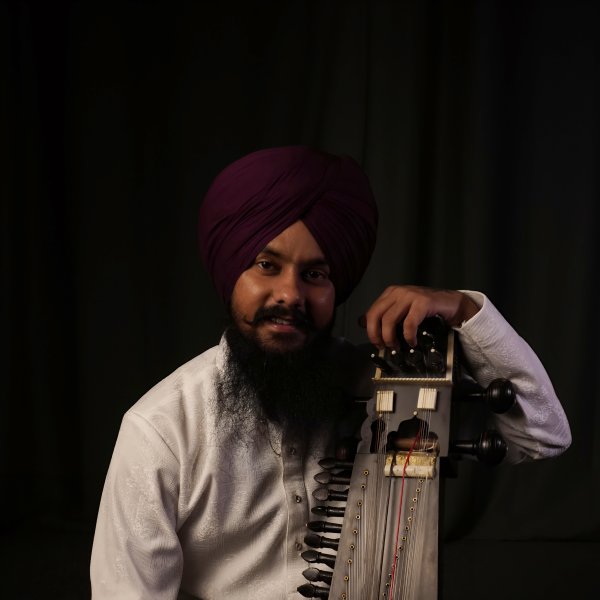 Satwinder Pal Singh
 -
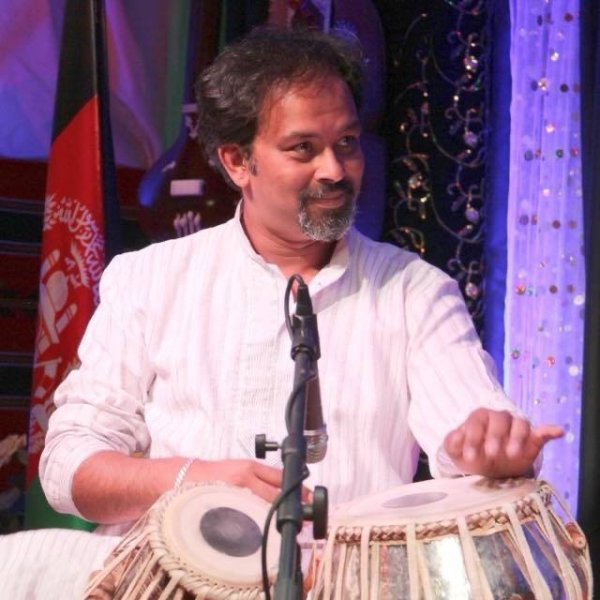 Shahbaz Hussain


Detalhes do evento
Amantes da música de Reading, temos o prazer de retornar pela segunda vez ao The Great Hall, Reading University, para apresentar “Reading Raga Resonance: Bow, Beat, and Breath” como parte do nosso festival anual de artes. Em 12 de setembro de 2026 ao meio-dia, às 12h00, venha vivenciar pessoalmente um encantador diálogo musical entre a Sarangi que toca a alma e o Tabla cheio de energia.
Este evento especial traz dois renomados artistas ao palco: Satwinder Pal Singh na Sarangi e Ustad Shahbaz Hussain no Tabla. Satwinder começou a tocar Sarangi ainda criança, fazendo sua primeira apresentação pública aos 5 anos. Após ser iniciado pelo pai, estudou com grandes Gurus como Ustad Sabri Khan e Pandit Ram Narayan Ji. Ustad Shahbaz primeiro aprendeu com seu pai Ustad Mumtaz Hussain, depois com vários Gurus: Ustad Faiyaz Khan da Gharana de Delhi, Ustad Shaukat Hussain Khan da Gharana de Punjab e Ustad Allah Rakha. Lidera o grupo de fusão Indus e, ao acompanhar artistas clássicos orientais, desenvolveu um estilo diversificado e único. Shahbaz é um ativo professor de Tabla em todo o norte da Inglaterra.
Esta apresentação oferece uma performance dialógica única que revela a profunda interação entre ritmo e melodia em nossa antiga tradição musical. Em vez do formato convencional de concerto, queremos criar uma verdadeira troca musical, onde o arco (gaj) e o ritmo têm importância igual e parceria igualitária.
A apresentação se desenvolve em duas sessões distintas. Na primeira metade, o foco é no solo expansivo e vocal da Sarangi, com o belo acompanhamento do Tabla. Na segunda metade, os papéis se invertem: o Tabla assume o protagonismo e apresenta um poderoso solo rítmico, com a Sarangi a acompanhar. Esse formato narrativo de ir e vir promete um espetáculo cativante de mestria clássica, respeito mútuo e descoberta musical espontânea.
Esta noite é mais do que música; é um convite para parar, refletir, olhar para dentro e sentir o ressonância tranquilizante do Shabd. Por séculos, as tradições clássicas indianas consideraram a música uma forma de meditação e um caminho para restaurar o equilíbrio dentro de nós e em nossas comunidades. Hoje, essas práticas atemporais apontam para a profunda conexão entre música, saúde mental, mindfulness e bem-estar emocional. Esta noite traz renovação — uma oportunidade de elevar-se, conectar-se e reconectar-se pela linguagem universal da música.
Se você mora em Reading ou nas proximidades, venha com certeza. Para quaisquer necessidades especiais, entre em contato conosco.
Portas abrem às 11h30, música começa às 12h00
Regras para o público:
- Filmar ou fotografar sem autorização não é permitido.
- O uso de celular (incluindo SMS) durante o evento não é permitido. Pedimos gentilmente a sua cooperação. Obrigado!
Informações do local

Frequently Asked Questions
What time does it start, and when will it finish?
Doors open at 11:45 AM. The music starts at 12:00 PM and finishes around 2:30 PM, with an interval between the sarangi half and the tabla half.
This is the afternoon half of a double bill. The evening concert at the same venue has its own ticket and its own doors at 5:30 PM.
What do tickets cost?
General admission is £27. Students pay £15 and should bring ID to the door. The £22 early bird closed on 26 August.
If you are staying for the evening concert as well, the £50 Full Day ticket covers both.
What is a tabla solo, and what should I listen for?
For most of an Indian classical concert the tabla keeps time behind a melody instrument. In a solo it moves to the front, and the sarangi takes over the timekeeping instead, playing a short repeating melody called the lehra.
What you are hearing is a cycle of beats, the same length every time, with the player building compositions across it and landing back on beat one. That landing is the sam. Watch the audience: people who know the form nod or raise a hand when it arrives.
You do not need to count to enjoy it. But if you catch the sam once, you will hear the whole structure open up.
There are two Reading concerts on 12 September. What is the difference?
Two separate concerts at The Great Hall, each with its own ticket. Bow, Beat, and Breath runs at midday, a sarangi and tabla pairing that swaps lead and accompanist at the interval. Slide & Strum on The Mystic Frets follows in the evening, with Indian slide guitar, Western guitar and tabla moving from classical raga into fusion.
The timings leave room for both. The afternoon ends around 2:30 PM and evening doors open at 5:30 PM.
Is there a ticket for both Reading concerts?
Yes. The Full Day ticket is £50 and covers both concerts at The Great Hall on 12 September: Bow, Beat, and Breath at 12:00 PM and Slide & Strum on The Mystic Frets at 6:00 PM.
Bought separately, two general admission tickets come to £54. The Full Day ticket stops selling when the afternoon concert starts at 12:00 PM, so book it before the day if you want both.
What do I do between the two Reading concerts?
The afternoon concert ends about 2:30 PM. Doors for the evening open at 5:30 PM, which leaves three hours in between.
The Great Hall is a short walk from Reading town centre, where there are plenty of places to eat. If you are holding a Full Day ticket, keep it with you: you will need it again at the door in the evening.
What is a sarangi?
A short bowed instrument with three gut playing strings and around thirty-five sympathetic strings that ring on their own underneath.
Players stop the strings with the backs of their fingernails rather than the fingertips, which is why the sarangi slides between notes the way a singer does. Of all Indian instruments it sits closest to the human voice.
What is a tabla?
A pair of hand drums. The smaller wooden one sits under the right hand and carries the pitch. The larger metal one under the left hand supplies the bass and bends it, by pressing the heel of the palm into the head while striking.
The black circle on each head is what makes the sound recognisable. It weights the skin so the drum rings at a definite pitch rather than thudding.
How do I get my ticket?
Your confirmation email carries the ticket. Show it on your phone at the door, or bring a printout if you prefer paper.
If the email has not arrived, check your spam folder first. Still missing, write to [email protected] and we will send it again.
When should I arrive?
Come at the door time on the event page rather than at the start time. It gives you room to find a seat and settle.
The concert opens with an alap, the slowest and quietest stretch of the evening. Walking in during it costs you the part that sets up everything after.
Is seating allocated?
No. Seating is unreserved, so pick any free seat when you arrive.
Arriving at doors rather than at the start gets you the closer rows, which is where this music rewards you most.
Is there an interval?
Yes. The concert runs in two halves with a short interval between them.
The first half holds the classical raga set. The second opens out, and on most of our bills it changes either the players or the form.
What should I wear?
Whatever you are comfortable sitting in for a couple of hours.
Our audiences turn up in jeans and in saris on the same night, and neither looks out of place.
I have never been to an Indian classical concert. Will I follow it?
Yes. You do not need to recognise a raga or count a taal to follow what happens on stage.
The music opens at a crawl with no pulse at all, then the tabla enters and the rhythm takes hold. That shape repeats through the evening, and most people read it by the second piece. Sit close and give the opening time.
Can I photograph or film the performance?
No, not during the performance. The musicians improvise, and a raised phone or a lit screen pulls the room out of the music. Put the camera away and stay with the sound.
If you are covering the concert for press, or need to record for another reason, write to [email protected] before the day. Filming without that permission is not allowed.
Can I use my phone during the concert?
Switch it off or set it to silent before the music starts, and leave texting until the interval.
This holds for the whole concert. A single screen lighting up in a quiet hall reaches the stage.
I can no longer attend. Can I have a refund?
Ticket sales are final once confirmed. If something has come up, write to [email protected] at least 7 days before the event and tell us what happened.
We look at each request on its own merits. A refund is not guaranteed, and we cannot consider requests inside the last week.
What happens if the event is cancelled or moved to another date?
You choose between a full refund and a transfer to the new date or an equivalent concert.
Refunds for a cancelled event go back to your original payment method within 7 to 14 business days. You do not need to claim them.
How do I get to The Great Hall, Reading?
The Great Hall sits on the London Road Campus of the University of Reading, RG1 5AQ, just east of the town centre.
Trains from London Paddington reach Reading station in about half an hour. From the station it is a 25 minute walk, or a short taxi ride. Buses run out along London Road from the town centre.
Driving? See where to park.
Where do I park at The Great Hall, Reading?
Use the White Gates Car Park on the London Road Campus, postcode RG1 5AG.
Spaces go first come, first served, and they get tight at busy times. Leave yourself a margin, or come in by public transport.
Is The Great Hall in Reading accessible?
Yes, The Great Hall is accessible.
Wheelchair spaces have to be booked ahead. Write to [email protected] once you have your ticket and we will arrange it with the venue.
I have access needs. Who do I talk to?
Write to [email protected] before you book and tell us what you need.
Wheelchair spaces and seats near the stage need arranging with the venue in advance, so the earlier you write, the more we can do.
Have more questions? Contact our support team and we'll be happy to help!