

A Hundred Strings в Манчестере: струны Кашмира и Дели
- 20 Ноя. 2026
- пятница
- 7:00 PM – 9:30 PM
- 2 часа, 30 минут
- The Stoller Hall
- Manchester, GB
Билеты
- Front Stalls Early Bird
- £30.00 GBP
- Stalls Early Bird
- £25.00 GBP
- Student
- £15.00 GBP
- Front Stalls General Admission
-
£35.00 GBP
Sales start on пт, 6 Ноя. 2026 - 00:00 - Stalls General Admission
-
£30.00 GBP
Sales start on пт, 6 Ноя. 2026 - 00:00

Краткое описание события
Выступающие артисты
Learning to play tabla with different gharanas and styles made me a more musically awakened soul, gave an immense depth and enriched my tabla playing.
Выступающие артисты
-
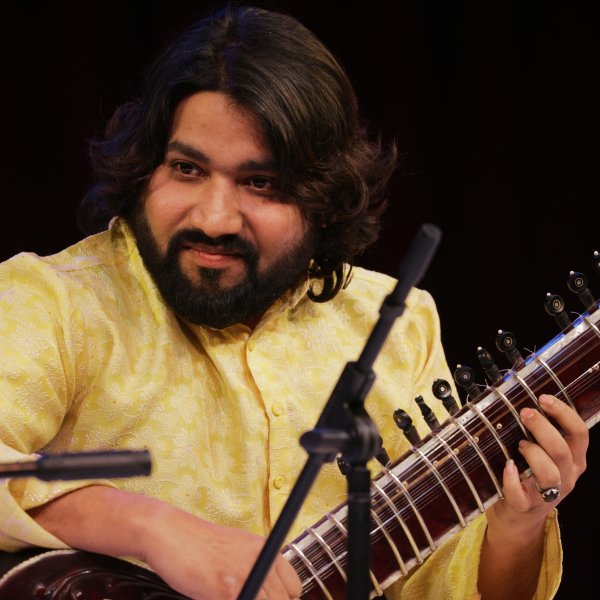 Аднан Хан
 -
 Винай Десаи
 -
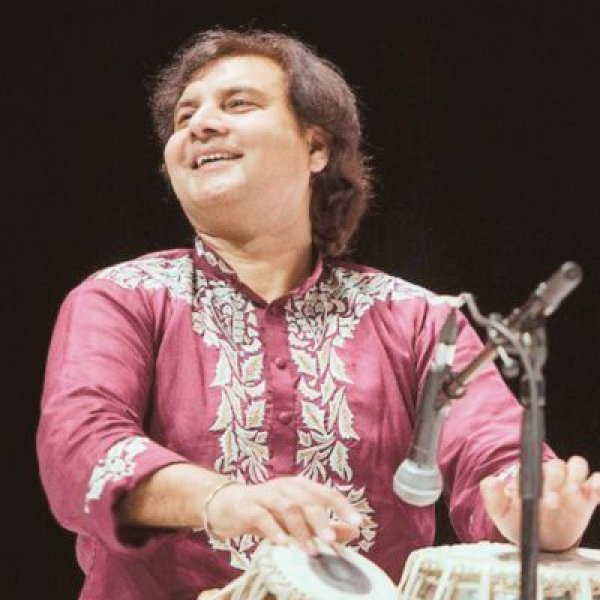 Акрам Хан
 -
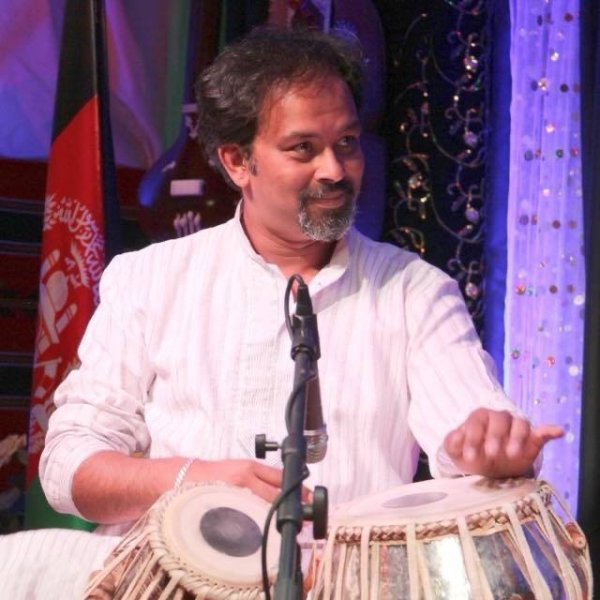 Шахбаз Хуссейн


Подробности события
20 ноября четверо музыкантов привозят индийскую классическую музыку в зал «Столлер-холл» при музыкальной школе Четэма. На сцене две струнные традиции и два исполнителя на табле, которые вместе несут три гхараны.
Винай Десаи играет на сантуре, стострунном инструменте Кашмира. Он прямой ученик пандита Шивкумара Шармы, кавалера ордена Падма Вибхушан. Аднан Хан, ситарист из Дели и номинант премии «Грэмми», играет в манере гаяки анг, при которой игра на ситаре следует за поющим голосом. Он занимается у своего отца, ситариста устада Саида Хана.
В этот вечер на одной сцене два мастера таблы, и только в Манчестере за весь тур они выступают вместе. Устад Акрам Хан представляет седьмое поколение своей семьи в Аджрада гхаране и дал более одиннадцати тысяч концертов. Устад Шахбаз Хуссейн учился у своего отца, вокалиста устада Мумтаза Хуссейна. Затем он занимался у устада Файяза Хана из делийской гхараны, а также у устада Шауката Хуссейна Хана и устада Аллы Ракхи из пенджабской гхараны. В 2008 году правительство Пакистана наградило его премией «Сын Лахора».
Устад Шахбаз Хуссейн живёт в Манчестере и преподаёт по всему северу Англии. «Столлер-холл» он считает своей родной сценой.
A Hundred Strings также выступает в Оксфорде 18 ноября, в Борнмуте 21 ноября в театре «Пэлас-Корт» и в Лондоне 22 ноября в церкви Святого Спасителя в Пимлико.
Если вам нужны особые условия доступа, свяжитесь с нами.
Двери открываются в 18:45. Музыка начинается в 19:00.
Правила для зрителей:
- Пожалуйста, не снимайте видео и не фотографируйте без нашего разрешения.
- Пожалуйста, уберите телефон на всё время концерта и не доставайте его даже для переписки.
Информация о площадке

Frequently Asked Questions
Как устроена рассадка по зонам в Манчестере?
При покупке вы выбираете зону: Передний партер (Front Stalls) или Партер (Stalls), а затем занимаете любое свободное место в этой зоне. Места внутри зоны не пронумерованы, поэтому приходите к открытию зала в 18:45, чтобы выбрать место получше.
Передний партер включает ряды ближе всего к сцене: £30 по раннему тарифу до 5 ноября, затем £35. Партер расположен за ним: £25 по раннему тарифу, затем £30. Студенческие билеты стоят £15. Балкон на этом концерте закрыт.
How do I get my ticket?
Your confirmation email carries the ticket. Show it on your phone at the door, or bring a printout if you prefer paper.
If the email has not arrived, check your spam folder first. Still missing, write to [email protected] and we will send it again.
I can no longer attend. Can I have a refund?
Ticket sales are final once confirmed. If something has come up, write to [email protected] at least 7 days before the event and tell us what happened.
We look at each request on its own merits. A refund is not guaranteed, and we cannot consider requests inside the last week.
What happens if the event is cancelled or moved to another date?
You choose between a full refund and a transfer to the new date or an equivalent concert.
Refunds for a cancelled event go back to your original payment method within 7 to 14 business days. You do not need to claim them.
When should I arrive?
Come at the door time on the event page rather than at the start time. It gives you room to find a seat and settle.
The concert opens with an alap, the slowest and quietest stretch of the evening. Walking in during it costs you the part that sets up everything after.
Is there an interval?
Yes. The concert runs in two halves with a short interval between them.
The first half holds the classical raga set. The second opens out, and on most of our bills it changes either the players or the form.
What should I wear?
Whatever you are comfortable sitting in for a couple of hours.
Our audiences turn up in jeans and in saris on the same night, and neither looks out of place.
Can I photograph or film the performance?
No, not during the performance. The musicians improvise, and a raised phone or a lit screen pulls the room out of the music. Put the camera away and stay with the sound.
If you are covering the concert for press, or need to record for another reason, write to [email protected] before the day. Filming without that permission is not allowed.
Can I use my phone during the concert?
Switch it off or set it to silent before the music starts, and leave texting until the interval.
This holds for the whole concert. A single screen lighting up in a quiet hall reaches the stage.
I have access needs. Who do I talk to?
Write to [email protected] before you book and tell us what you need.
Wheelchair spaces and seats near the stage need arranging with the venue in advance, so the earlier you write, the more we can do.
I have never been to an Indian classical concert. Will I follow it?
Yes. You do not need to recognise a raga or count a taal to follow what happens on stage.
The music opens at a crawl with no pulse at all, then the tabla enters and the rhythm takes hold. That shape repeats through the evening, and most people read it by the second piece. Sit close and give the opening time.
What is a sitar?
A long-necked lute with a gourd body, movable curved frets, and a set of sympathetic strings running beneath the playing strings.
The curved frets let a player pull a string sideways and bend one note into another several steps away. That bend, the meend, is where most of the expression lives, and the sympathetic strings keep ringing behind it.
What is a tabla?
A pair of hand drums. The smaller wooden one sits under the right hand and carries the pitch. The larger metal one under the left hand supplies the bass and bends it, by pressing the heel of the palm into the head while striking.
The black circle on each head is what makes the sound recognisable. It weights the skin so the drum rings at a definite pitch rather than thudding.
Have more questions? Contact our support team and we'll be happy to help!