

مانچسٹر میں اے ہنڈریڈ اسٹرنگز: کشمیر اور دہلی کے تار
- 20 نومبر 2026
- جمعہ
- 7:00 ب.ظ – 9:30 ب.ظ
- 2 گھنٹے, 30 منٹ
- The Stoller Hall
- Manchester, GB
ٹکٹ
- Front Stalls Early Bird
- £30.00 GBP
- Stalls Early Bird
- £25.00 GBP
- Student
- £15.00 GBP
- Front Stalls General Admission
-
£35.00 GBP
Sales start on جمعہ, 6 نومبر 2026 - 00:00 - Stalls General Admission
-
£30.00 GBP
Sales start on جمعہ, 6 نومبر 2026 - 00:00

ایونٹ کا خلاصہ
پرفارم کرنے والے فنکار
Learning to play tabla with different gharanas and styles made me a more musically awakened soul, gave an immense depth and enriched my tabla playing.
پرفارم کرنے والے فنکار
-
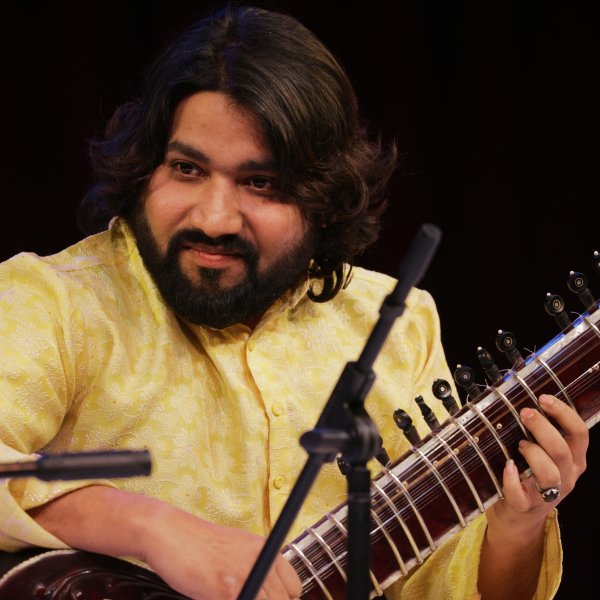 عدنان خان
 -
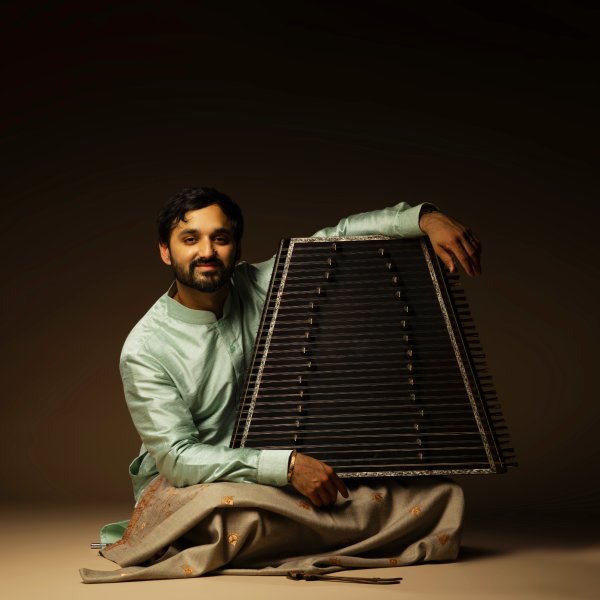 ونے دیسائی
 -
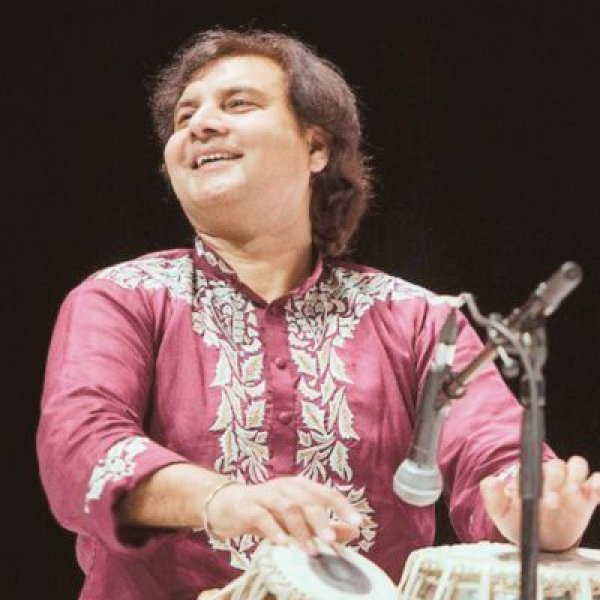 اکرم خان
 -
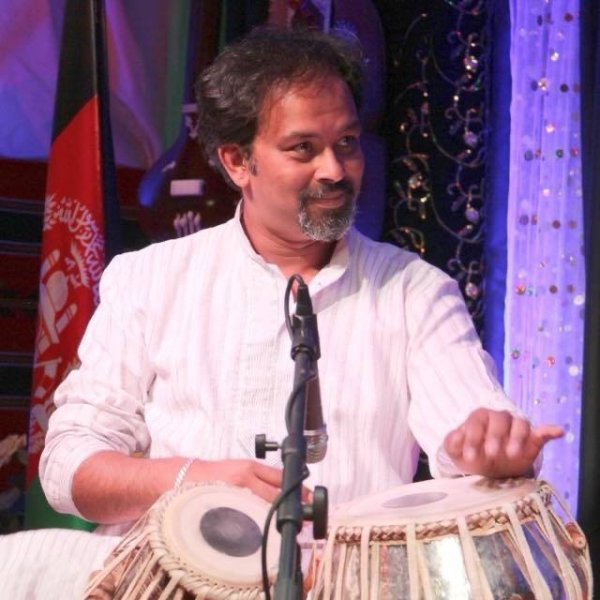 شہباز حسین


ایونٹ کی تفصیلات
20 نومبر کو چار موسیقار چیتھمز اسکول آف میوزک کے اندر واقع دی اسٹولر ہال میں ہندوستانی کلاسیکی موسیقی پیش کریں گے۔ اسٹیج پر تاروں کی دو روایتیں ہوں گی، اور طبلے کے دو فنکار جن کی تعلیم میں تین گھرانے یکجا ہیں۔
ونے دیسائی کشمیر کا سو تاروں والا ساز سنتور بجاتے ہیں۔ وہ پدم وبھوشن پنڈت شیوکمار شرما کے براہ راست شاگرد ہیں۔ دہلی کے عدنان خان گریمی کے لیے نامزد ستار نواز ہیں اور گائیکی انگ میں بجاتے ہیں، یعنی اس اسلوب میں جو ستار کو گانے والے کی آواز کے سانچے میں ڈھالتا ہے۔ وہ اپنے والد، ستار نواز استاد سعید خان سے تعلیم لے رہے ہیں۔
اس شام طبلے کے دو استاد ایک ساتھ اسٹیج پر ہوں گے، اور پورے دورے میں صرف مانچسٹر میں دونوں اکٹھے ہیں۔ استاد اکرم خان اجراڑا گھرانے میں اپنے خاندان کی ساتویں نسل ہیں اور گیارہ ہزار سے زیادہ محفلوں میں بجا چکے ہیں۔ استاد شہباز حسین نے پہلے اپنے والد، گلوکار استاد ممتاز حسین سے سیکھا۔ پھر انہوں نے دہلی گھرانے کے استاد فیاض خان سے، اور پنجاب گھرانے کے استاد شوکت حسین خان اور استاد اللہ رکھا سے تعلیم پائی۔ 2008 میں حکومتِ پاکستان نے انہیں سن آف لاہور ایوارڈ دیا۔
استاد شہباز حسین مانچسٹر میں رہتے ہیں اور پورے شمالی انگلینڈ میں سکھاتے ہیں۔ دی اسٹولر ہال ان کا اپنا اسٹیج ہے۔
اے ہنڈریڈ اسٹرنگز کے پروگرام 18 نومبر کو آکسفورڈ میں بھی ہیں، 21 نومبر کو بورنموتھ کے پیلس کورٹ تھیٹر میں، اور لندن میں 22 نومبر کو سینٹ سیویئرز، پِملیکو میں۔
رسائی سے متعلق کسی بھی ضرورت کے لیے ہم سے رابطہ کریں۔
داخلہ شام 6:45 بجے سے ہوگا۔ موسیقی شام 7:00 بجے شروع ہوگی۔
سامعین کے لیے ضوابط:
- براہ کرم ہماری اجازت کے بغیر ویڈیو نہ بنائیں اور تصویریں نہ لیں۔
- براہ کرم پورے پروگرام کے دوران اپنا فون دور رکھیں، پیغام بھیجنے کے لیے بھی نہیں۔
مقام کی معلومات

Frequently Asked Questions
مانچسٹر میں زون کے حساب سے نشستیں کیسے ملتی ہیں؟
بکنگ کرتے وقت فرنٹ اسٹالز (Front Stalls) یا اسٹالز (Stalls) میں سے ایک زون منتخب کریں، پھر اس زون میں کوئی بھی خالی نشست لے لیں۔ زون کے اندر نشستوں پر نمبر نہیں ہوتے، اس لیے زیادہ انتخاب کے لیے شام 6:45 بجے ہال کے دروازے کھلتے ہی پہنچ جائیں۔
فرنٹ اسٹالز اسٹیج کے سب سے قریب والی قطاریں ہیں: 5 نومبر تک ابتدائی بکنگ پر £30، اس کے بعد £35۔ اسٹالز ان کے پیچھے ہیں: ابتدائی بکنگ پر £25، اس کے بعد £30۔ طلبہ کے ٹکٹ £15 کے ہیں۔ اس کنسرٹ کے لیے بالکونی بند ہے۔
میں اپنا ٹکٹ کیسے حاصل کروں؟
ٹکٹ آپ کی تصدیقی ای میل میں ہی موجود ہے۔ داخلی دروازے پر اسے اپنے فون پر دکھا دیں، یا کاغذ پر پرنٹ نکال کر ساتھ لے آئیں۔
ای میل نہ پہنچی ہو تو پہلے اپنا اسپیم فولڈر دیکھیں۔ پھر بھی نہ ملے تو [email protected] پر لکھیں، ہم دوبارہ بھیج دیں گے۔
I can no longer attend. Can I have a refund?
Ticket sales are final once confirmed. If something has come up, write to [email protected] at least 7 days before the event and tell us what happened.
We look at each request on its own merits. A refund is not guaranteed, and we cannot consider requests inside the last week.
What happens if the event is cancelled or moved to another date?
You choose between a full refund and a transfer to the new date or an equivalent concert.
Refunds for a cancelled event go back to your original payment method within 7 to 14 business days. You do not need to claim them.
When should I arrive?
Come at the door time on the event page rather than at the start time. It gives you room to find a seat and settle.
The concert opens with an alap, the slowest and quietest stretch of the evening. Walking in during it costs you the part that sets up everything after.
Is there an interval?
Yes. The concert runs in two halves with a short interval between them.
The first half holds the classical raga set. The second opens out, and on most of our bills it changes either the players or the form.
What should I wear?
Whatever you are comfortable sitting in for a couple of hours.
Our audiences turn up in jeans and in saris on the same night, and neither looks out of place.
Can I photograph or film the performance?
No, not during the performance. The musicians improvise, and a raised phone or a lit screen pulls the room out of the music. Put the camera away and stay with the sound.
If you are covering the concert for press, or need to record for another reason, write to [email protected] before the day. Filming without that permission is not allowed.
Can I use my phone during the concert?
Switch it off or set it to silent before the music starts, and leave texting until the interval.
This holds for the whole concert. A single screen lighting up in a quiet hall reaches the stage.
I have access needs. Who do I talk to?
Write to [email protected] before you book and tell us what you need.
Wheelchair spaces and seats near the stage need arranging with the venue in advance, so the earlier you write, the more we can do.
I have never been to an Indian classical concert. Will I follow it?
Yes. You do not need to recognise a raga or count a taal to follow what happens on stage.
The music opens at a crawl with no pulse at all, then the tabla enters and the rhythm takes hold. That shape repeats through the evening, and most people read it by the second piece. Sit close and give the opening time.
What is a sitar?
A long-necked lute with a gourd body, movable curved frets, and a set of sympathetic strings running beneath the playing strings.
The curved frets let a player pull a string sideways and bend one note into another several steps away. That bend, the meend, is where most of the expression lives, and the sympathetic strings keep ringing behind it.
What is a tabla?
A pair of hand drums. The smaller wooden one sits under the right hand and carries the pitch. The larger metal one under the left hand supplies the bass and bends it, by pressing the heel of the palm into the head while striking.
The black circle on each head is what makes the sound recognisable. It weights the skin so the drum rings at a definite pitch rather than thudding.
Have more questions? Contact our support team and we'll be happy to help!