

ریڈنگ راگ ریزوننس: بو، بیٹ، اینڈ بریتھ
- 12 ستمبر 2026
- سنیچر
- 12:00 ب.ظ – 2:30 ب.ظ
- 2 گھنٹے, 30 منٹ
- The Great Hall, Reading
- ریڈنگ, GB
ٹکٹ

ایونٹ کا خلاصہ
ایونٹ کی جھلکیاں
تین نسلوں کی سارنگی وراثت
ہندوستان کے دو عظیم سارنگی استادوں کے شاگرد
یورپ کے بہترین تبلہ نواز
ایک فنکار میں تین گھرانے
کمان اور تال باری باری آگے بڑھتے ہیں
ریڈنگ میں ایک دن دو تقریبات
پرفارم کرنے والے فنکار
-
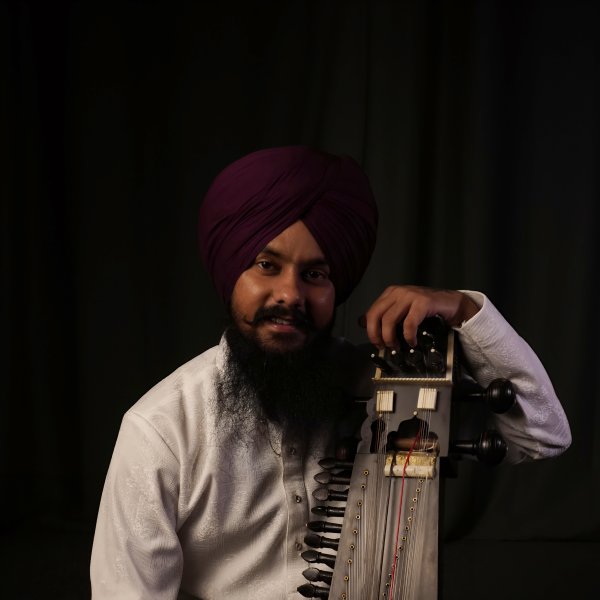 ستوندر پال سنگھ
 -
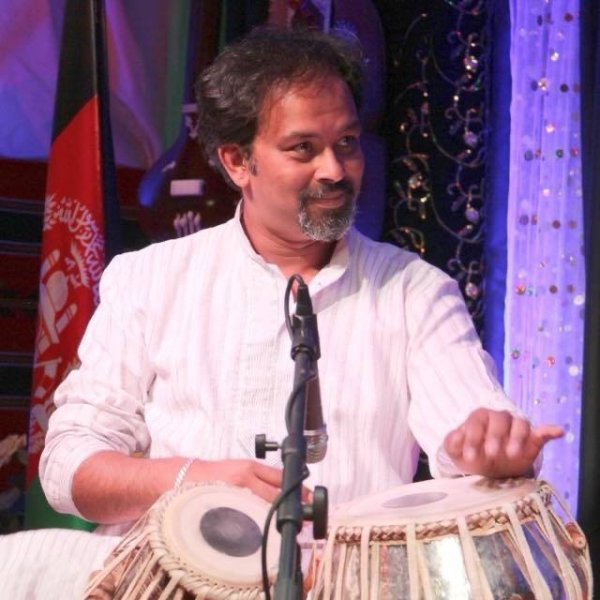 شہباز حسین


ایونٹ کی تفصیلات
ریڈنگ کے موسیقی دوستو، ہمیں انتہائی مسرت ہے کہ ہم دوسری بار یونیورسٹی آف ریڈنگ کے دی گریٹ ہال میں سالانہ کلا فیسٹیول کے تحت "Reading Raga Resonance: Bow, Beat, and Breath" پیش کرنے جا رہے ہیں۔ 12 ستمبر 2026 کو دوپہر 12:00 بجے ہمارے ساتھ شامل ہوں اور اس دلکش محفل میں سارنگی کی روح پرور سروں اور طبلے کی گرجدار تال کے درمیان ایک منفرد موسیقی مکالمے کا تجربہ کریں۔
اس خاص محفل میں دو بلند پایہ فنکار پیش ہوں گے: ستوندر پال سنگھ (سارنگی) اور استاد شہباز حسین (طبلہ)۔ ستوندر جی نے بچپن سے ہی سارنگی کی ریاضت شروع کی — ان کی پہلی عوامی پیشکش محض 5 سال کی عمر میں ہوئی۔ ان کے والد ان کے پہلے استاد تھے، اور بعد میں انہوں نے استاد صبری خاں اور پنڈت رام نارائن جی جیسے عظیم اساتذہ سے تعلیم حاصل کی۔ شہباز حسین نے پہلے اپنے والد، گائیک استاد ممتاز حسین سے طبلے کی تالیم لی، پھر دہلی گھرانے کے استاد فیاض خاں، پنجاب گھرانے کے استاد شوکت حسین خاں اور استاد اللہ رکھا سے گہری مشق کی۔ انہوں نے ایک وسیع اور ہمہ جہت طرزِ نوازش پیدا کی ہے — وہ فیوژن گروپ Indus کی قیادت کرتے ہیں اور کلاسیکی فنکاروں کے ساتھ دوروں میں بھی شرکت کرتے ہیں۔ شہباز شمالی انگلینڈ میں طبلہ تعلیم میں بھی فعال ہیں۔
دونوں فنکار مل کر ایک انوکھی گفتگو نما پیشکش دیں گے جو ہماری قدیم موسیقی روایت کی تال اور سر کے گہرے رشتے کو اجاگر کرے گی۔ یہ کوئی عام انتظام نہیں ہوگا — یہ ایک حقیقی موسیقی تبادلہ ہوگا جس میں کمان اور تال کو یکساں اہمیت حاصل ہوگی۔
پیشکش دو حصوں میں تقسیم ہوگی۔ پہلے حصے میں طبلے کے سہارے سارنگی کا یکہ نوازی ہوگی — اس کی آواز جیسی گائیکی سروں کا جادو مرکز میں ہوگا۔ دوسرے حصے میں کردار بدل جائیں گے: طبلہ مرکزی حیثیت اختیار کرے گا اور سارنگی اسے سنبھالے رکھے گی۔ یہ باری باری کا ڈھانچہ کلاسیکی مہارت، باہمی احترام اور برجستہ موسیقی دریافت کا ایک دلفریب مظاہرہ پیش کرے گا۔
یہ شام محض موسیقی نہیں — یہ رکنے، سوچنے اور آواز (شبد) کی شفابخش گونج کا تجربہ کرنے کی دعوت ہے۔ ہندوستانی کلاسیکی روایات میں صدیوں سے موسیقی کو دھیان کی ایک صورت سمجھا گیا ہے — اپنے اندر اور اپنے سماج میں توازن بحال کرنے کا ذریعہ۔ جب ہم قریبی محفلوں میں اکٹھے ہو کر قدیم سروں سے محظوظ ہوتے ہیں تو ہمارے سامنے ایک نئی دنیا کھل جاتی ہے۔ آج کے اس دور میں یہ لازوال روایات ہمیں موسیقی، ذہنی صحت، ذہن سازی اور جذباتی فلاح کے درمیان گہرے تعلق کی یاد دلاتی ہیں۔ یہ شام تجدید کا موقع ہے — موسیقی کی آفاقی زبان کے ذریعے سرفراز، مربوط اور بحال ہونے کا موقع۔
اگر آپ ریڈنگ یا آس پاس ہیں تو ضرور تشریف لائیں۔ کسی خاص ضرورت کے لیے ہم سے رابطہ کریں۔
دروازے صبح 11:30 بجے کھلیں گے، موسیقی دوپہر 12:00 بجے شروع ہوگی۔
حاضرین کی پالیسی:
- غیر مجاز فلم بندی یا فوٹوگرافی کی اجازت نہیں ہے۔
- تقریب کے دوران موبائل فون (پیغام رسانی سمیت) کا استعمال ممنوع ہے۔ ہم آپ کے تعاون کی گزارش کرتے ہیں۔ شکریہ!
مقام کی معلومات

Frequently Asked Questions
What time does it start, and when will it finish?
Doors open at 11:45 AM. The music starts at 12:00 PM and finishes around 2:30 PM, with an interval between the sarangi half and the tabla half.
This is the afternoon half of a double bill. The evening concert at the same venue has its own ticket and its own doors at 5:30 PM.
What do tickets cost?
General admission is £27. Students pay £15 and should bring ID to the door. The £22 early bird closed on 26 August.
If you are staying for the evening concert as well, the £50 Full Day ticket covers both.
What is a tabla solo, and what should I listen for?
For most of an Indian classical concert the tabla keeps time behind a melody instrument. In a solo it moves to the front, and the sarangi takes over the timekeeping instead, playing a short repeating melody called the lehra.
What you are hearing is a cycle of beats, the same length every time, with the player building compositions across it and landing back on beat one. That landing is the sam. Watch the audience: people who know the form nod or raise a hand when it arrives.
You do not need to count to enjoy it. But if you catch the sam once, you will hear the whole structure open up.
There are two Reading concerts on 12 September. What is the difference?
Two separate concerts at The Great Hall, each with its own ticket. Bow, Beat, and Breath runs at midday, a sarangi and tabla pairing that swaps lead and accompanist at the interval. Slide & Strum on The Mystic Frets follows in the evening, with Indian slide guitar, Western guitar and tabla moving from classical raga into fusion.
The timings leave room for both. The afternoon ends around 2:30 PM and evening doors open at 5:30 PM.
Is there a ticket for both Reading concerts?
Yes. The Full Day ticket is £50 and covers both concerts at The Great Hall on 12 September: Bow, Beat, and Breath at 12:00 PM and Slide & Strum on The Mystic Frets at 6:00 PM.
Bought separately, two general admission tickets come to £54. The Full Day ticket stops selling when the afternoon concert starts at 12:00 PM, so book it before the day if you want both.
What do I do between the two Reading concerts?
The afternoon concert ends about 2:30 PM. Doors for the evening open at 5:30 PM, which leaves three hours in between.
The Great Hall is a short walk from Reading town centre, where there are plenty of places to eat. If you are holding a Full Day ticket, keep it with you: you will need it again at the door in the evening.
What is a sarangi?
A short bowed instrument with three gut playing strings and around thirty-five sympathetic strings that ring on their own underneath.
Players stop the strings with the backs of their fingernails rather than the fingertips, which is why the sarangi slides between notes the way a singer does. Of all Indian instruments it sits closest to the human voice.
What is a tabla?
A pair of hand drums. The smaller wooden one sits under the right hand and carries the pitch. The larger metal one under the left hand supplies the bass and bends it, by pressing the heel of the palm into the head while striking.
The black circle on each head is what makes the sound recognisable. It weights the skin so the drum rings at a definite pitch rather than thudding.
میں اپنا ٹکٹ کیسے حاصل کروں؟
ٹکٹ آپ کی تصدیقی ای میل میں ہی موجود ہے۔ داخلی دروازے پر اسے اپنے فون پر دکھا دیں، یا کاغذ پر پرنٹ نکال کر ساتھ لے آئیں۔
ای میل نہ پہنچی ہو تو پہلے اپنا اسپیم فولڈر دیکھیں۔ پھر بھی نہ ملے تو [email protected] پر لکھیں، ہم دوبارہ بھیج دیں گے۔
When should I arrive?
Come at the door time on the event page rather than at the start time. It gives you room to find a seat and settle.
The concert opens with an alap, the slowest and quietest stretch of the evening. Walking in during it costs you the part that sets up everything after.
Is seating allocated?
No. Seating is unreserved, so pick any free seat when you arrive.
Arriving at doors rather than at the start gets you the closer rows, which is where this music rewards you most.
Is there an interval?
Yes. The concert runs in two halves with a short interval between them.
The first half holds the classical raga set. The second opens out, and on most of our bills it changes either the players or the form.
What should I wear?
Whatever you are comfortable sitting in for a couple of hours.
Our audiences turn up in jeans and in saris on the same night, and neither looks out of place.
I have never been to an Indian classical concert. Will I follow it?
Yes. You do not need to recognise a raga or count a taal to follow what happens on stage.
The music opens at a crawl with no pulse at all, then the tabla enters and the rhythm takes hold. That shape repeats through the evening, and most people read it by the second piece. Sit close and give the opening time.
Can I photograph or film the performance?
No, not during the performance. The musicians improvise, and a raised phone or a lit screen pulls the room out of the music. Put the camera away and stay with the sound.
If you are covering the concert for press, or need to record for another reason, write to [email protected] before the day. Filming without that permission is not allowed.
Can I use my phone during the concert?
Switch it off or set it to silent before the music starts, and leave texting until the interval.
This holds for the whole concert. A single screen lighting up in a quiet hall reaches the stage.
I can no longer attend. Can I have a refund?
Ticket sales are final once confirmed. If something has come up, write to [email protected] at least 7 days before the event and tell us what happened.
We look at each request on its own merits. A refund is not guaranteed, and we cannot consider requests inside the last week.
What happens if the event is cancelled or moved to another date?
You choose between a full refund and a transfer to the new date or an equivalent concert.
Refunds for a cancelled event go back to your original payment method within 7 to 14 business days. You do not need to claim them.
How do I get to The Great Hall, Reading?
The Great Hall sits on the London Road Campus of the University of Reading, RG1 5AQ, just east of the town centre.
Trains from London Paddington reach Reading station in about half an hour. From the station it is a 25 minute walk, or a short taxi ride. Buses run out along London Road from the town centre.
Driving? See where to park.
Where do I park at The Great Hall, Reading?
Use the White Gates Car Park on the London Road Campus, postcode RG1 5AG.
Spaces go first come, first served, and they get tight at busy times. Leave yourself a margin, or come in by public transport.
Is The Great Hall in Reading accessible?
Yes, The Great Hall is accessible.
Wheelchair spaces have to be booked ahead. Write to [email protected] once you have your ticket and we will arrange it with the venue.
I have access needs. Who do I talk to?
Write to [email protected] before you book and tell us what you need.
Wheelchair spaces and seats near the stage need arranging with the venue in advance, so the earlier you write, the more we can do.
Have more questions? Contact our support team and we'll be happy to help!