

KalaSudha Academy
Learn Indian classical music online, personally
Learn Indian classical music online with KalaSudha: live one-to-one lessons with a vetted teacher, in every discipline of music and dance. Beginners start at Foundation.
Start here

Hindustani Classical
Indian Slide Guitar

Hindustani Classical
Tabla

Hindustani Classical
Sitar

Kathak
Kathak

Hindustani Classical
Pakhawaj
- Levels
- Foundation to Advanced
- Awards
- One at every level
- Lessons
- Live, one-to-one
- Every lesson
- Recorded to play back
- Course material
- In your language
The academy
Live lessons with a vetted teacher, level by level
KalaSudha's online academy teaches Indian classical music and dance in live one-to-one lessons with a vetted teacher. The platform carries the guru-shishya relationship, in which one teacher guides each learner over years. You book in your own time zone, the platform converts the times, and it records every lesson so you can play it back. We translate the course material into English, Hindi, Bengali, Marathi, Tamil, Kannada, Urdu, Malayalam, French and German.
Our courses run in three taught levels. Foundation leads to the Sthayi Certificate, Intermediate to the Antara Diploma and Advanced to the Sanchari Advanced Diploma. Above them, KalaSudha awards the Abhog Fellowship, which no course teaches. The Indian classical music certificates page explains how teachers assess each level.
The academy teaches every discipline of Indian classical music and dance and keeps adding courses and teachers. Where enough learners sign up, we bring workshops and summer camps near them, so you can learn in person too.
-
Learn directly with artists
Every lesson is live: you listen, ask questions and work through each idea with a human teacher. One-to-one lessons run in HD video with stereo audio built for music.
-
Make space for practice
Every one-to-one lesson is recorded, so you can return to what you have studied. Between lessons you send a practice recording, and in the next lesson your teacher talks it through and answers your questions.
-
Understand the tradition
Build understanding alongside technique, with your teacher's approach guiding the work. Each topic credits named skills, and your award records the teacher and the tradition you studied under.
-
Stay connected across distance
Live online lessons keep the conversation between teacher and learner at the centre. You book in your own time zone, and reminder emails arrive 24 hours and again 20 minutes before each one-to-one lesson.
课程
Choose a course
Artist-led courses and KalaSudha standard courses, each with Foundation, Intermediate and Advanced levels.
9 course courses of 9
-

Hindustani Classical
Bansuri (Flute)
KalaSudha学院
-

Hindustani Classical
Harmonium
KalaSudha学院
-
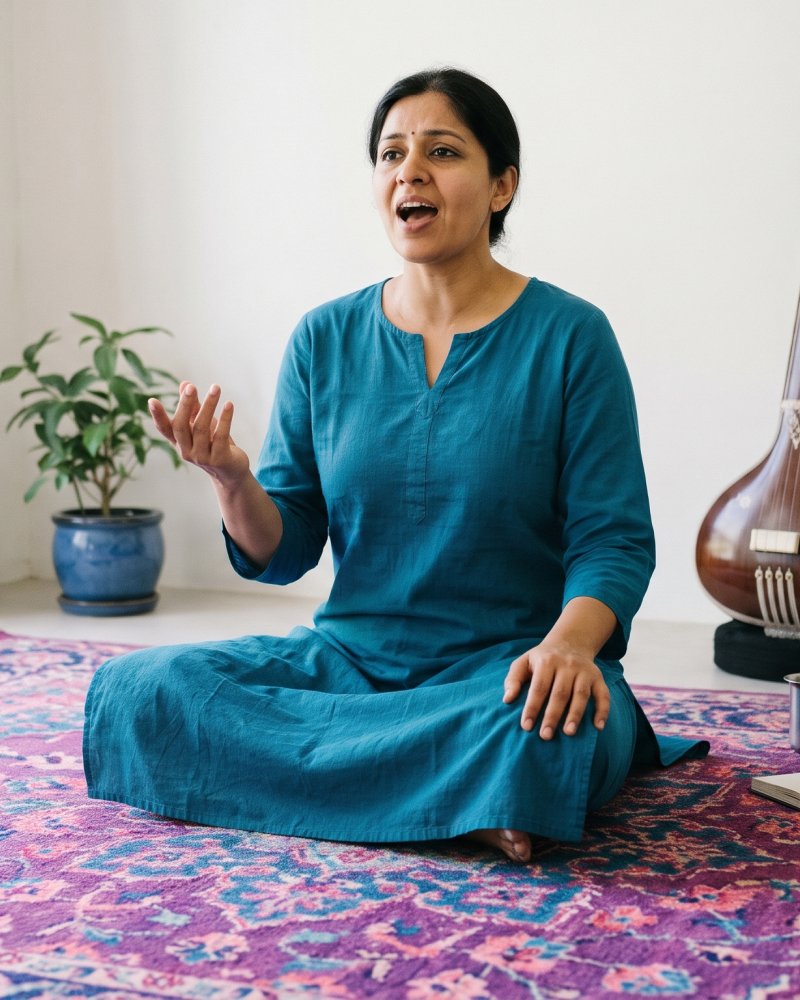
Hindustani Classical
Hindustani Vocal
KalaSudha学院
-
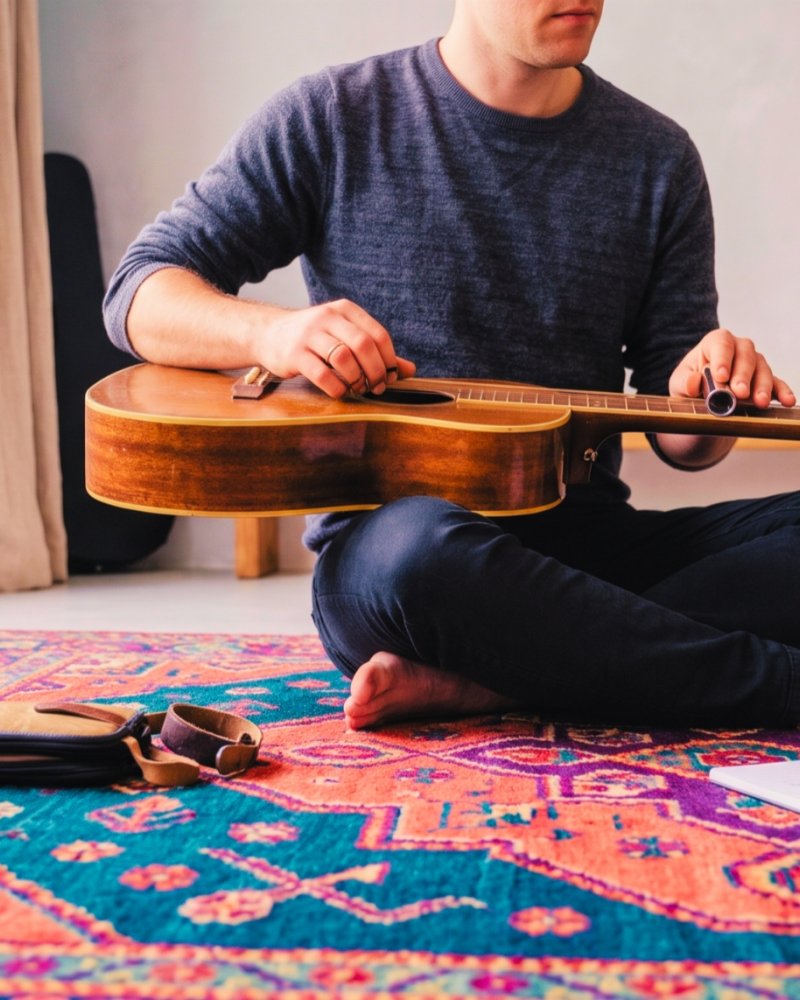
Hindustani Classical
Indian Slide Guitar
KalaSudha学院
-

Kathak
Kathak
KalaSudha学院
-

Hindustani Classical
Pakhawaj
KalaSudha学院
-
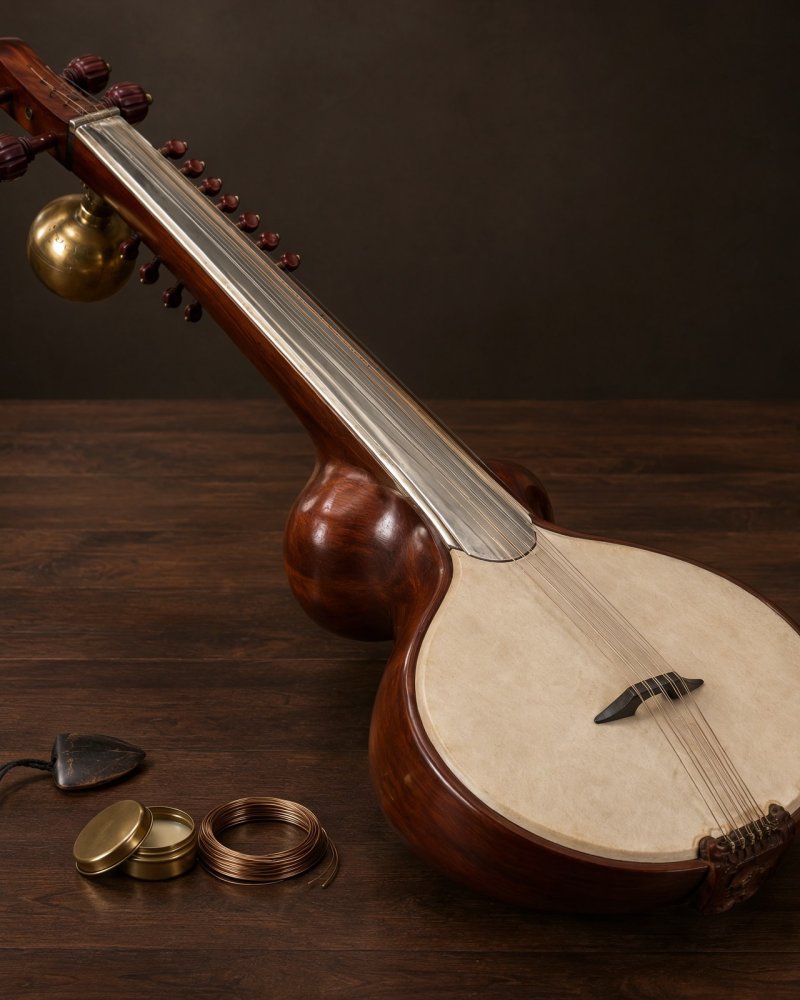
Hindustani Classical
Sarod
KalaSudha学院
-
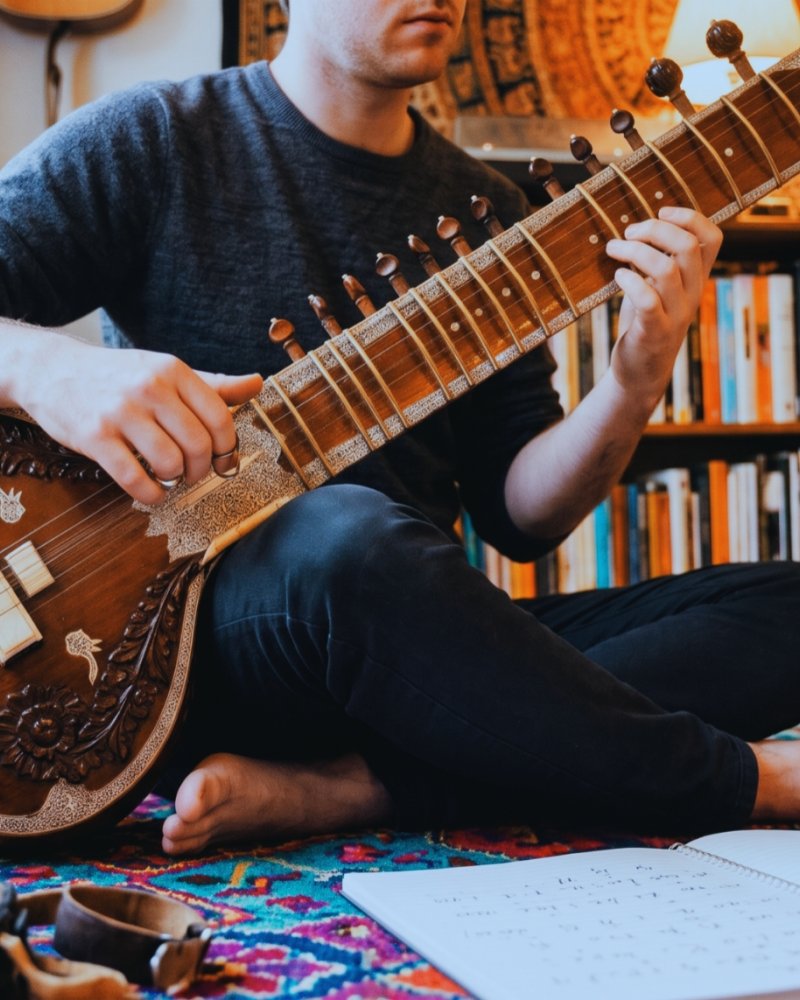
Hindustani Classical
Sitar
KalaSudha学院
-

Hindustani Classical
Tabla
KalaSudha学院


No courses in this discipline.
Courses
Structured courses, Foundation to Advanced
Each course runs in taught levels from Foundation to Advanced, in live lessons with your teacher, and each module you complete brings a module certificate. Open a course to see its modules and how to book.
您的学习路径
A path that grows with you
Start where you are. Each level builds technique, understanding and confidence without rushing the process.
-
入门之选
从这里开始
Foundation: Sthayi Certificate
Meet the fundamentals with patient guidance and no assumed experience. Complete the level and KalaSudha awards you the Sthayi Certificate.
- Core technique with listening and notation
- Assessment through practical work and spoken questions
-
建立信心
Intermediate: Antara Diploma
Build fluency, widen your repertoire and connect technique with expression. The level ends in the Antara Diploma.
- Raga development and improvisation
- Assessment adds written theory
-
深化练习
Advanced: Sanchari Advanced Diploma
Work on complex material with nuance, guided by performance-led feedback. The level ends in the Sanchari Advanced Diploma.
- Advanced repertoire and concert preparation
- Assessment adds theory papers and a judged stage performance
-
精进艺术修为
Abhog Fellowship
Refine your own artistic voice through mentorship and deep study. KalaSudha awards the Abhog Fellowship above the three taught levels.
- Mentorship and professional development
- Awarded by KalaSudha; no course teaches it
How learning starts
- Press Talk to an Advisor and tell us what you want to learn and where you are today.
- An advisor arranges your first lesson with a teacher. The first lesson is free, one per learner.
- Beginners start at Foundation. If you have learned before, your teacher first reviews where you stand.
- Book one-to-one lessons in your own time zone and pay through KalaSudha, or join a cohort through the group learning page.
- For a child, a parent adds the child as a learner on their own account, then enrols them.
- Your teacher closes each topic after reviewing your work, and each level you complete ends in a KalaSudha award.
Why learn with KalaSudha
Live teaching. Attentive practice.
The guru-shishya relationship is a relationship between teacher and learner. Technology helps carry that connection across distance; the teaching remains human.
-
Patient, personal teaching
Your teacher notices where you need support and helps you move forward with confidence. A topic stays open until your teacher has reviewed your work, and they can add, skip or repeat work to suit you.
-
Tradition with structure
A clear curriculum rooted in living classical traditions builds technique and understanding. Each course runs in three taught levels of three modules, and educationists vet the structured courses.
-
A community that practises
Learn alongside people who value attentive listening, steady practice and the art itself. In a cohort you hear fellow learners play the same material, and each module closes with short performances for the group.
-
Learning that fits real life
Live sessions and guided practice fit around your life without losing the human connection. You watch your lesson recordings on the site, on a phone or a computer, for one year after each module finishes.
Teaching artists
Your teachers
Artists who teach from their own tradition, live online. Start with their course, or go straight to a level.
-

Flute
Ajay Prasanna
For me, the flute is not just an instrument; it's a bridge between silence and soul.
Teaches
Bansuri (Flute) -
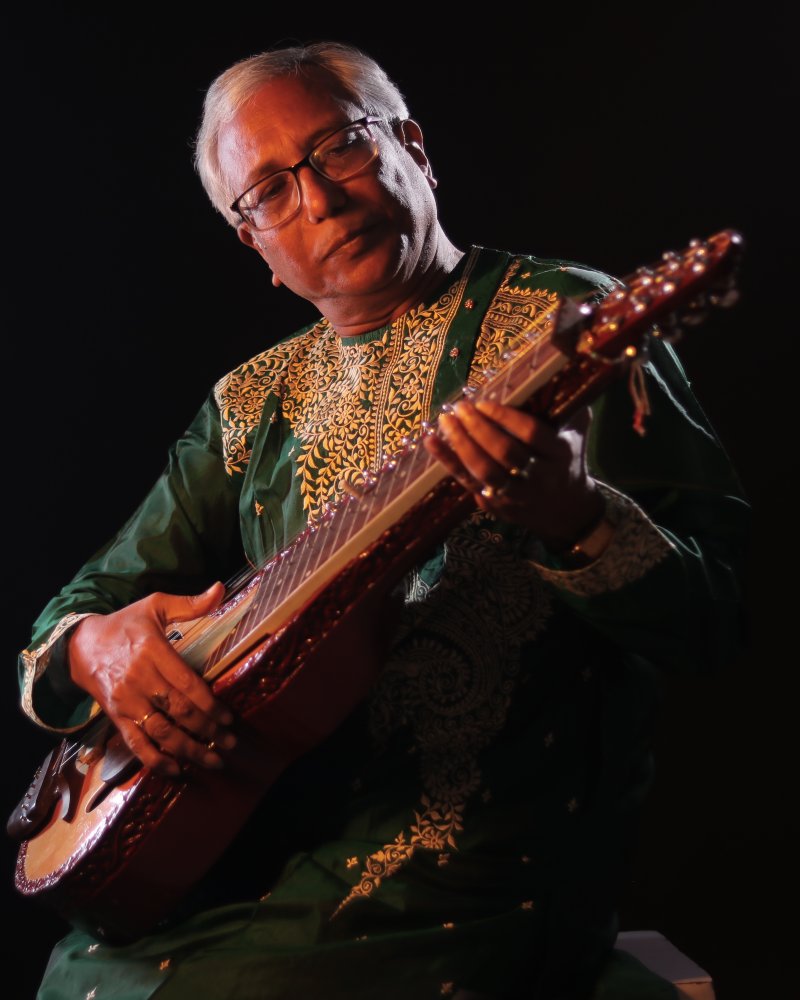
On the slide, the string does not merely vibrate; it speaks.
Teaches
Indian Slide Guitarfrom US$60.00 per hour -

Flute
Shanish Kumar
-


No teachers in this discipline.
Who teaches
KalaSudha vets every instructor. A teacher applies, and KalaSudha reviews their training, lineage and teaching before taking them on. Each teacher is a practising artist in Indian classical music or dance, based in India or abroad, who teaches live in their own language.
Some courses are built by their instructor with KalaSudha, and KalaSudha designs others with advice from specialist teachers. Educationists vet the structured courses. Every teacher's lineage is on their profile, so you can see who they learned from. Pick a teacher yourself, or ask us to match you. Teachers of Indian classical music and dance apply on the page for teachers.
Learned with any teacher, a private one included? You can ask KalaSudha to assess you against the same skills as its course learners and receive the award whose milestones you meet.
How learning works
Live teaching, personal guidance, steady progress.
Every lesson is taught live by your teacher. The platform carries the guru-shishya relationship, in which one teacher guides each learner over years.
-
Step 1: Tell us what you want to learn
Press Talk to an Advisor and say what you want to learn and where you are today.
-
Step 2: Start at your level
Beginners start at Foundation. If you learned before, your teacher reviews where you stand first.
-
Step 3: Learn live, one-to-one
Book each lesson in your own time zone; the platform converts the times. Your teacher listens and responds as you play.
-
Step 4: Play it back, then move up
Every lesson is recorded so you can play it back. Each level ends in a KalaSudha award.
Lessons on software built for teaching music
KalaSudha has built its own video-calling software for lessons, so the teaching stays live and personal across distance.
-
Made for music
Lessons run live and one-to-one in HD video with stereo audio built for music.
-
In your own time zone
You book each lesson in your own time zone, and the platform converts the times.
-
Every lesson recorded
The platform records each lesson, so you can play it back before the next one.
Practise between lessons
Between lessons you practise the task your teacher sets for the current topic, then send a practice recording for feedback. How long you practise each day is agreed with your teacher. The KalaSudha Tanpura runs free in your browser with no account. It holds the drone, the steady pitch a raga is sung or played over.
Every KalaSudha membership includes the browser tabla, which keeps the rhythmic cycle, and KalaSudha Composer, an editor for sargam notation, through the Sadhana digital tools subscription. The Rasika membership adds streaming of live concerts and the concert archive, with 10% off Academy courses and workshops. The Ashraya patron membership gives 15% off Academy courses and workshops.
Compare the three tiers on the Indian classical music membership page.
Learn in person
When enough learners in an area register interest, KalaSudha brings workshops and summer camps there, led by its artists and academy instructors as they tour. There is no age limit, and every level learns together. Every participant receives a certificate of participation. Masterclasses for advanced students come the same way.
Online students can meet their teacher in person at a workshop or camp, and lessons carry on online between visits. KalaSudha also runs a residential summer camp in India, where learners from India and abroad stay where they learn, with daily lessons from academy instructors and touring artists. Everyone who registers interest hears first when a workshop or camp is set.
Learn with a vetted teacher
Questions about learning Indian classical music online
Time zones, cost, a child's starting age and first instrument, coming back after a break, assessment and the language you learn in.
Yes, the first online Indian classical music lesson with KalaSudha is free, one per learner. Visit the Academy, press Talk to an Advisor and tell us what you want to learn and where you are today. An advisor arranges the free lesson with a teacher. You can also book the free 30-minute session yourself on a teacher's course page, with no payment card.
After it, you book and pay for lessons through KalaSudha at your teacher's own price, and receive an invoice.
KalaSudha's online Indian classical music lessons use your own time zone when you book. The platform converts the times.
One-to-one lessons are live, in HD video with stereo audio built for music. The platform records them for replay before your next lesson. You can also study in a group.
Online Indian classical music lessons with KalaSudha cost from £30 / $30 an hour, set by each teacher. Each type of lesson a teacher gives can have its own price. You book and pay through KalaSudha and receive an invoice.
To ask what a teacher charges, visit the Academy, press Talk to an Advisor and tell us what you want to learn.
An online sitar, tabla or singing lesson with KalaSudha needs headphones and a device whose browser can use its camera and microphone. Headphones stop your teacher's playing leaking back into your microphone as an echo.
Switch off noise reduction or voice isolation, which cut a held note or a tanpura drone as background noise. Keep the microphone about an arm's length from a tabla, and sit closer for voice. Frame both hands and your instrument so your teacher sees fingering and strokes, and test it all a day before your first class.
Online Indian classical music lessons with KalaSudha keep the centre of a lesson in person: a live teacher who watches you, listens to each phrase and sets the next correction. Each one-to-one lesson runs in HD video with stereo audio built for music and is recorded to play back.
A 2019 study in Music Education Research compared online and face-to-face instrumental lessons. Its authors, Andrew King, Helen Prior and Caroline Waddington-Jones, found that pupils taught online concentrated well, were motivated to practise and made good progress. Every teacher found online teaching more challenging.
Yes, KalaSudha records every booked one-to-one lesson, and you watch the recording on the site for one year after the module finishes. A batch class is recorded when the instructor turns recording on.
Between lessons you can upload a practice recording, audio or video, to the lesson's practice assignment. Your teacher scores it out of 5 and talks it through with you in the next class.
Both work on KalaSudha courses, and the completion checks are the same. One-to-one lessons go at your own pace and stay available at any time.
A cohort adds listening to fellow learners, rehearsing in front of them and hearing how each learner answers the same partner in the accompaniment topics. Your teacher reviews the evidence before any topic closes, in either format.
Indian classical music students practise and perform with others online in a KalaSudha cohort. Learners on one course work through the same material, and each module ends with a guided rehearsal and a review that become short performances for the group.
Teachers based in India and abroad lead the cohorts in live online lessons.
Yes, KalaSudha's courses are a structured way back into Indian classical music for people who gave up: they run in levels, so you start again where you left off. Your teacher reviews where you stand first, and each taught level from Foundation up ends in a KalaSudha award. Press Talk to an Advisor and tell us what you learned before.
A good age for a child to start tabla or sitar lessons online depends on the child, and KalaSudha teaches children as well as adults. A Royal College of Music doctoral study of online piano lessons for children aged 5 to 9 linked satisfaction to the children's independence and ability to sustain focus. Teachers and parents in the study found that younger beginners tended to gain less online than older learners.
Ask us about a starting age for your child, and about a tabla or sitar sized for a younger learner.
To set up online Indian classical music lessons for your child, add your child as a learner on your own KalaSudha account, then enrol them on a course. You switch to your child's profile when they learn.
At 13 or over, once a date of birth is recorded, you can give your child their own login, and their courses and certificates carry across. You can also share the learner with another parent or a teacher, who accepts with their own login. The course material reads in your home language.
Your child can learn Indian classical music online with KalaSudha in live one-to-one lessons and read the course material in your home language. Lessons run in each teacher's own language, and lessons and material come in English, Hindi, Bengali, Marathi, Tamil, Kannada, Urdu, Malayalam, French and German. A child who speaks Tamil reads the material in Tamil. We teach children as well as adults; ask us about a starting age.
In South Indian classical music, a child begins with the voice: the musicologist Ludwig Pesch writes that all musicians have learned their music through singing. Hindustani vocal students practise sargam, the seven notes sung by name.
Each instrument has its own first stage, such as the tabla's bols, the syllables spoken for each stroke. KalaSudha teaches children as well as adults, so ask us about a starting age and an instrument sized for a younger learner.
When the harmonium spread through India, it was simpler to tune and quicker to learn than traditional instruments, according to the Wilson Quarterly's summary of the ethnomusicologist Matt Rahaim. Its reeds still fix every pitch, so it needs no lengthy tuning. The Metropolitan Museum of Art calls the sarangi a particularly difficult instrument to master, because the player pulls its strings sideways with the fingernails on a short neck.
Whichever instrument you choose, KalaSudha starts adult beginners at Foundation, in live one-to-one lessons with a vetted teacher.
On KalaSudha's online Indian classical music courses, teachers assess students topic by topic. Each topic credits named skills, and the teacher closes it only after reviewing the student's work. Foundation assessment uses practical work and spoken questions. Intermediate adds written theory, and Advanced adds theory papers and a judged stage performance. A module certificate follows each module, and KalaSudha issues an award at the end of each level.
Yes, KalaSudha's online courses prepare learners to sit the exams of Akhil Bharatiya Gandharva Mahavidyalaya Mandal (ABGMV) and Prayag Sangeet Samiti. The two boards set and award those exams themselves. KalaSudha's levels run the same way in every discipline it teaches. Each level also ends in KalaSudha's own award, such as an Antara Diploma in sitar.
You can learn sitar or tabla online with KalaSudha and read the course material in your own language. Each live one-to-one lesson runs in your teacher's own language, and lessons and material come in English, Hindi, Bengali, Marathi, Tamil, Kannada, Urdu, Malayalam, French and German. KalaSudha's online academy teaches every discipline of Indian classical music and dance and keeps adding courses and teachers.
A teacher's gharana helps you understand the musical style they pass on. Masakazu Tamori describes a gharana as a lineage and a school that transmits a common style. When choosing a teacher, ask about their training and approach, then discuss how their lessons fit what you want to learn.
KalaSudha vets every instructor: a teacher applies, and KalaSudha reviews their training, lineage and teaching before taking them on. Each teacher is a practising artist in Indian classical music or dance, based in India or abroad, who teaches live in their own language.
Every teacher's lineage is on their profile, so you can see who they learned from. Pick a teacher yourself, or ask us to match you. To teach with KalaSudha, read How do I apply to teach with KalaSudha?
You can move or cancel a one-to-one KalaSudha lesson free of charge up to 24 hours before it starts, from your KalaSudha account. With less notice there is no automatic refund, and our team contacts you about the payment held on your card. If you do not turn up, the lesson is charged in full.
If you are not satisfied with a course, write to us for a refund. We refund your last class and stop your course progress there.
KalaSudha's online students can meet their Indian classical music teacher in person at a workshop or summer camp. When enough of a teacher's online students in one area register interest, the teacher comes there to teach them. Everyone who registered there hears first. They then book a place on the workshop's own page on kalasudha.com. Between visits, lessons continue in the online academy.
A personal next step
Not sure where to begin?
Tell us what you want to learn and where you are today. An academy advisor will help you find a good next step. The first lesson is free.