

Bansuri (Flute)Prepared by KalaSudha
Intermediate Bansuri (Flute)
Intermediate bansuri, prepared by KalaSudha: meend and ornament, the register break, slow and fast gats, tongued taans, alap and jod, and playing with tabla.
- 模块
- 2A–2C
- Lessons
- One-to-one or in a group
- Ends in
- A KalaSudha certificate

概述
About Intermediate
Intermediate bansuri adds meend, ornament and playing with tabla, once you can hold a clear tone and play a first gat. You enter after Foundation or a placement session that shows the same skills. It is the second level of the Bansuri (Flute) course prepared by KalaSudha.
Module 2A brings meend, the glide between swaras, across two holes, then kan, murki and andolan and the chalan of a third raga. You phrase an alap by the breath and cross from the middle to the upper octave without a bump in the tone. Module 2B adds the suggested Rupak and Jhaptal, a slow gat, taans with tonguing and a tihai to sam.
Read the full overview收起
Module 2C puts you with a tabla player for a slow and a fast gat, keeping tempo, cues and balance. You join alap and jod, build breath stamina for a 12-minute set and compare the bansuri's teaching lines through examples. Electives add a thumri or dhun, folk melody, jhala and duet playing.
Each module has 14 topics, eight core and six electives, and your path is 12 topics per module. As a typical guide, Intermediate takes 9–15 months, and you agree the pace with your teacher. In a cohort, learners hear how each one plays the same gat with the tabla player. The level ends with a 12-minute set with tabla and leads to a KalaSudha award (see certificates). Ask about Intermediate in the Academy.
模块
The three Intermediate modules
-
2A
Module 2A: Meend, ornament and the singing line
8 core + 4 teacher-setfrom 14 topics
Agree a practice plan and review your tone. Play meend across two holes, then kan, murki and andolan. Learn the chalan of a third raga, phrase an alap by the breath and cross the register break without a bump in the tone.-
Review tone and agree a practice plan内核
Review your Foundation recordings with your teacher and agree a practice plan for the module.
-
Meend across two holes内核
Glide across two holes in a raga phrase without breaking the tone.
-
Kan, murki and andolan内核
Play kan, murki and a finger-rocked andolan in raga phrases.
-
Chalan of a third raga内核
Learn the chalan, the characteristic movement, of a third raga (suggested: Bhimpalasi).
-
Alap phrased by the breath内核
Shape a slow alap in phrases that end before the breath does.
-
Across the register break内核
Practise phrases that cross from the middle to the upper octave without a bump in the tone.
-
Guided rehearsal: meend, ornament and the singing line内核
Rehearse your meend and alap set and correct one fault using teacher feedback.
-
Review and presentation: meend, ornament and the singing line内核
Present your meend and alap set and discuss your preparation and corrections with the assessor.
-
Gamak on the flute选修
Play a gamak, a strong oscillation, with breath or finger movement on two swaras.
-
A fourth raga选修
Learn the chalan and a composition in a fourth raga (suggested: Bihag).
-
Sight-read a sargam line选修
Play an unfamiliar line of sargam notation after a short preparation.
-
Breath vibrato选修
Add a slow breath vibrato to a long note and remove it on cue.
-
A second flute选修
Play known phrases on a second, teacher-approved flute of a different length and Sa.
-
Ornament listening study选修
Compare how two attributed recordings use meend and murki in the same raga.
Your teacher fills 4 slots from the electives, their own topics or both.
-
-
2B
Module 2B: Gats, taans and laya
8 core + 4 teacher-setfrom 14 topics
Learn the suggested Rupak and Jhaptal and a slow gat with its mukhda on sam. Play taans with tonguing and a tihai to sam, and notate a full composition. Electives add Ektal, double tonguing and a fast gat.-
Review the gat and the cycle内核
Play your Foundation gat with hand-count and correct one rhythmic fault from a recording.
-
Rupak and Jhaptal内核
Recite and keep the suggested Rupak and Jhaptal, then play a sargam passage in each.
-
A slow gat内核
Learn a teacher-selected slow composition in the suggested Rupak or Teentaal.
-
Taans with tonguing内核
Play taans in the raga, using tonguing where your teacher's line uses it to separate notes.
-
A tihai to sam内核
Play a three-part tihai from a phrase of the composition that lands on sam.
-
Notate a full composition内核
Write the composition in sargam notation with beats and divisions.
-
Guided rehearsal: gats, taans and laya内核
Rehearse your gat and taan set and correct one fault using teacher feedback.
-
Review and presentation: gats, taans and laya内核
Present your gat and taan set and discuss your preparation and corrections with the assessor.
-
Ektal选修
Keep the suggested Ektal and play a composition phrase in it.
-
Dugun and chaugun选修
Play a phrase at single, double and four-fold density over a steady hand-count.
-
Double tonguing选修
Practise double tonguing on a repeated swara, then in a short taan.
-
A fast gat选修
Learn a fast composition in Teentaal in the same raga as the slow gat.
-
A jhala-style passage选修
Play a fast passage that alternates a melody swara with a returning note.
-
Play with a tabla player选修
Play your gat with a live or online tabla player and agree tempo and ending.
Your teacher fills 4 slots from the electives, their own topics or both.
-
-
2C
Module 2C: Raga development and the teaching lines
8 core + 4 teacher-setfrom 14 topics
Play a slow and a fast gat with tabla and join alap and jod. Recognise the taught ragas, compare the teaching lines through examples and build breath stamina for the 12-minute set.-
Plan practice for accompanied playing内核
Plan a week of practice that includes tempo, ending and cue rehearsal with a tabla player.
-
Play with tabla内核
Play a slow and a fast gat with a tabla player, keeping tempo, cues and balance.
-
Alap and jor内核
Develop the raga in an unmetred alap, then in jor with a steady pulse and no drum.
-
Recognise the taught ragas内核
Identify each taught raga from short phrases sung or played by your teacher.
-
Compare the teaching lines through examples内核
Compare attributed excerpts from the three teaching lines in hold, ornament and form.
-
Breath stamina for a twelve-minute set内核
Plan warm-up and breathing so the tone holds through a twelve-minute set.
-
Guided rehearsal: raga development and the teaching lines内核
Rehearse your twelve-minute Intermediate set and correct one fault using teacher feedback.
-
Review and presentation: raga development and the teaching lines内核
Present your twelve-minute Intermediate set and discuss your preparation and corrections with the assessor.
-
A thumri or dhun选修
Learn a light classical thumri or dhun in a raga such as Pilu or Khamaj (suggested) with tabla.
-
Folk melody and the folk flute选修
Learn a teacher-selected folk melody and place it beside the concert bansuri in listening.
-
Jhala选修
Develop the jhala-style passage into a short closing section after jor.
-
A sung bandish on the flute选修
Learn a sung bandish and shape it on the flute with the phrasing of its words.
-
Duet playing选修
Play a composition in unison and in alternating phrases with a second flute or melodic player.
-
Transcribe a recorded gat选修
Transcribe the sthayi of a gat from an attributed recording.
Your teacher fills 4 slots from the electives, their own topics or both.
-
Why Intermediate
What Intermediate builds
-
Meend on a flute with holes
Glide across two holes in a raga phrase without breaking the tone. Each meend is checked for arriving in tune on the named swara. -
Gats in two tempos
Learn a slow gat and develop it with tongued taans and a tihai, then play slow and fast gats with a tabla player. -
Breath for a longer set
Phrase the alap by the breath, with no gasped breath, and build the stamina that a 12-minute set with tabla needs.
Lessons
Ways to learn
One-to-one
Learn at your own pace. You book online lessons through KalaSudha in your own time zone.
Register interest in 1:1 lessonsIn a group
Learn in a group on a timetable.
Ask about group lessonsTeachers
Teachers for Intermediate
-
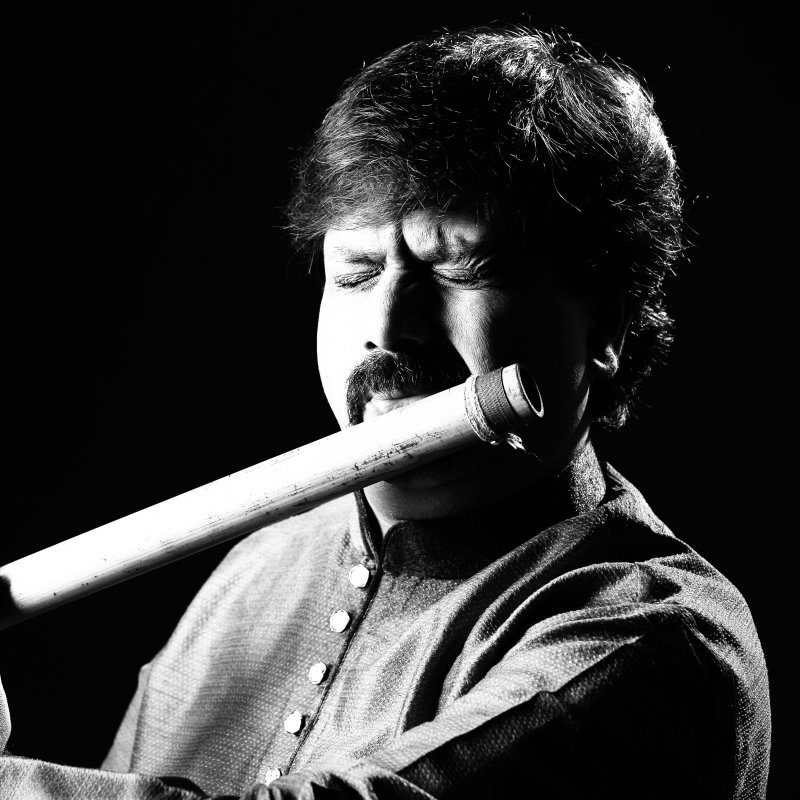
Flute
Pandit 阿贾伊·普拉桑纳
<p>阿贾伊·普拉萨纳(Ajay Prasanna)是一位享誉国际的长笛演奏家,出身于一个显赫的音乐世家。他继承了父亲博拉纳特·普拉萨纳(Bholanath Prasanna)的长笛演奏传统,后者是印度有史以来最杰出的长笛演奏家之一。他的弟子包括哈里·普拉萨德·乔拉西亚(Hari Prasad Chaurasia)。</p>
Teaches
Bansuri (Flute) -
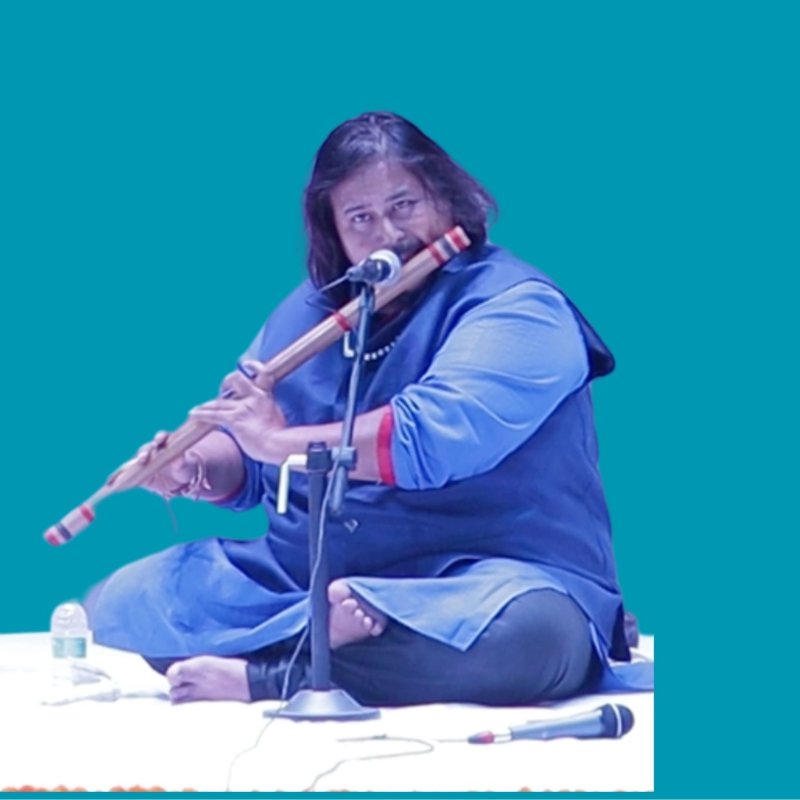
沙尼什·库马尔·贾瓦利博士传承贝拿勒斯流派竹笛演奏家,师从维诺德·普拉萨平与普拉哈拉德·纳斯,BHU音乐学博士,印度全国广播“B High”级,青年艺术家奖学金获得者。
Teaches
Bansuri (Flute)


Questions
Questions about Intermediate
Entry, pace, assessment and what you show to finish the level.
You move to Intermediate bansuri when you have closed the Foundation topics or shown the same skills in a placement session. Your teacher checks that you hold Sa in tune, half-hole the komal swaras and play a first gat with a short alap.
Intermediate then adds meend, slow gats, tongued taans and playing with tabla.
Meend on the bansuri, a glide between swaras, comes in module 2A of Intermediate bansuri. You glide across two holes in a raga phrase without breaking the tone.
The topic closes when you play four meends between named swaras two steps apart, each arriving in tune. Meend between neighbouring swaras is a Foundation elective.
Playing the bansuri with tabla comes in module 2C of Intermediate bansuri. You play a slow and a fast gat with a tabla player, keep tempo, cues and balance, then give the ending cue and finish together on sam.
Before 2C a theka track keeps the cycle, and a 2B elective lets you play with a tabla player earlier.
The Intermediate level of the Bansuri (Flute) course ends with a 12-minute set with tabla. You play without losing the cycle, explain one choice and recover from any slip, and you submit a written notation and theory portfolio.
Completion needs all 16 Intermediate skills, not only the presentation.
下一步
准备好开始 Intermediate 了吗?
Tell us what you want to learn and where you are today. An academy advisor will help you find a good next step.