

伦敦拉格斯:故事与舞步
- 11 十月 2026
- 星期日
- 5:00 下午 – 7:00 下午
- 2 小时
- Royal Wharf Community Dock
- 伦敦, GB
门票

活动摘要
表演艺术家
活动亮点
斋浦尔与勒克瑙
先讲明,再起舞
帕兰帕拉加特·卡塔克·尼里蒂亚
皇家码头的小型雅集
表演艺术家
-
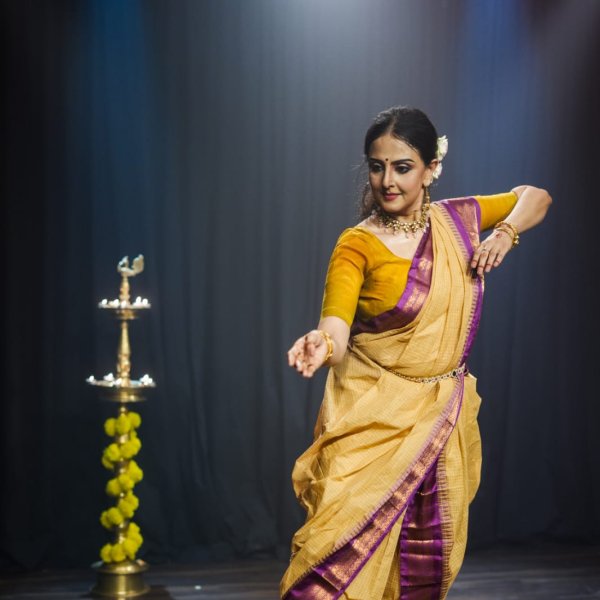 阿洛克帕尔纳·古哈

活动详情
今年十月,阿洛克帕尔纳·古哈将在西尔弗敦的皇家码头社区船坞(Royal Wharf Community Dock),在我们的每月雅集伦敦拉格斯上演出卡塔克。德比普丽娅·西尔卡尔为其演唱,现场还有塔布拉伴奏。
古哈五岁跟随斯里·普拉迪普塔·尼奥吉学习卡塔克,后来又师从马拉比卡·米特拉博士。她兼习斋浦尔和勒克瑙两个流派的风格。她拥有普拉亚格·桑吉特·西克沙·萨米蒂高级文凭,并获得罗宾德拉·巴拉蒂大学的金质奖章。她创办了普什帕克舞蹈学院,该学院在加尔各答和多伦多授课,隶属于普拉钦·卡拉·肯德拉。她曾在乌代·香卡尔舞蹈节和科纳克舞蹈节演出,也在伦敦、伯明翰、巴塞罗那和多伦多登台。
这个晚上分为上下两场。先是两段短小的讲解带示范:一段讲卡塔克的源头,一段讲塔布拉。她认为塔布拉和这种舞蹈分不开。中场休息后,她以一段梵达纳开场,接着完整展现帕兰帕拉加特·卡塔克·尼里蒂亚的传统曲目。
顺序就是关键。大多数来看卡塔克的人,从没有人告诉过他们该怎么看:脚下在数着节拍循环,脸上在讲一个故事。在这里,她先告诉你看哪里,再跳给你看。如果你一直想带人接触这种音乐,又不知道从哪一场开始,就选这一晚。
伦敦拉格斯是我们的每月雅集:一间屋子,160 个座位,演出者和观众之间没有高台。可以的话,坐前排。
如果你在伦敦或附近,欢迎前来。如果有无障碍方面的需要,请联系我们。
下午 4:45 开门入场。演出 5:00 开始,7:00 结束。
观众须知:
- 未经允许,不得录像。
场馆信息

Frequently Asked Questions
What time does it start, and when will it finish?
Doors open at 4:45 PM and the music starts at 5:00 PM. The concert ends at 7:00 PM, with an interval between the two halves.
Seating is unreserved and the room holds 160, so come at doors if you want to sit close.
What do tickets cost?
£20 early bird until 5:00 PM on Sunday 4 October, then £25 general admission for the last week. Student tickets are £15 throughout, with valid ID at the door.
You can book here on this site or through Eventbrite. The price is the same either way, though Eventbrite adds its own booking fee at checkout.
What is London Ragas?
Our monthly baithak in London. One evening a month, a room of about 160, and no distance between the performers and the seats.
The 2026 series runs through the year: Shakir Khan and Ustad Shahbaz Hussain in July, Pandit Debasis Chakroborty with Ustad Akram Khan on 26 September, and this Kathak evening in October.
Do I need to know anything about Kathak before I come?
No, and this evening is built for that. Alokparna Guha opens with two short lecture-demonstrations, one on where Kathak comes from and one on tabla, before she dances anything.
By the interval you will know what the footwork is doing and what the hands and face are telling you. The second half is the dance itself.
How do I get my ticket?
Your confirmation email carries the ticket. Show it on your phone at the door, or bring a printout if you prefer paper.
If the email has not arrived, check your spam folder first. Still missing, write to [email protected] and we will send it again.
I can no longer attend. Can I have a refund?
Ticket sales are final once confirmed. If something has come up, write to [email protected] at least 7 days before the event and tell us what happened.
We look at each request on its own merits. A refund is not guaranteed, and we cannot consider requests inside the last week.
What happens if the event is cancelled or moved to another date?
You choose between a full refund and a transfer to the new date or an equivalent concert.
Refunds for a cancelled event go back to your original payment method within 7 to 14 business days. You do not need to claim them.
Can I photograph or film the performance?
No, not during the performance. The musicians improvise, and a raised phone or a lit screen pulls the room out of the music. Put the camera away and stay with the sound.
If you are covering the concert for press, or need to record for another reason, write to [email protected] before the day. Filming without that permission is not allowed.
I have access needs. Who do I talk to?
Write to [email protected] before you book and tell us what you need.
Wheelchair spaces and seats near the stage need arranging with the venue in advance, so the earlier you write, the more we can do.
I have never been to an Indian classical concert. Will I follow it?
Yes. You do not need to recognise a raga or count a taal to follow what happens on stage.
The music opens at a crawl with no pulse at all, then the tabla enters and the rhythm takes hold. That shape repeats through the evening, and most people read it by the second piece. Sit close and give the opening time.
What is a baithak?
A baithak is the room this music grew up in. The audience sits close, the musicians play at the same level, and nothing stands between the player and the listener.
We build our concerts that way because the detail of a raga carries best at short range. You hear the string under the slide and the fingertip on the tabla skin, not just the note.
When should I arrive?
Come at the door time on the event page rather than at the start time. It gives you room to find a seat and settle.
The concert opens with an alap, the slowest and quietest stretch of the evening. Walking in during it costs you the part that sets up everything after.
Is there an interval?
Yes. The concert runs in two halves with a short interval between them.
The first half holds the classical raga set. The second opens out, and on most of our bills it changes either the players or the form.
What should I wear?
Whatever you are comfortable sitting in for a couple of hours.
Our audiences turn up in jeans and in saris on the same night, and neither looks out of place.
Is seating allocated?
No. Seating is unreserved, so pick any free seat when you arrive.
Arriving at doors rather than at the start gets you the closer rows, which is where this music rewards you most.
What is a tabla?
A pair of hand drums. The smaller wooden one sits under the right hand and carries the pitch. The larger metal one under the left hand supplies the bass and bends it, by pressing the heel of the palm into the head while striking.
The black circle on each head is what makes the sound recognisable. It weights the skin so the drum rings at a definite pitch rather than thudding.
What is Kathak?
One of the eight classical dance forms of India, from the north. It runs on two things: chakkars, fast spins taken on the heel, and abhinaya, the storytelling carried in the face and hands.
Ankle bells mark the footwork, so the dancer works as a percussionist too, trading rhythmic patterns with the tabla in the same cycle.
Have more questions? Contact our support team and we'll be happy to help!