

诺里奇拉格拉斯:滑音和拨弦在神秘品弦上
- #诺维奇
- #线下
- 九月 19, 2026
- 星期六
- 6:30 下午
- 2 小时, 30 分钟
- St Andrew's Hall, Norwich
- 诺维奇, 英国
获取您的门票

活动摘要
活动亮点
潘迪特·德巴希斯·查克拉博蒂将印度古典滑棒吉他带到诺里奇
朱利亚诺·莫达雷利,一把吉他演给拉格与爬士
萨姆·埃文斯博士,澳大利亚首位塔布拉鼓博士
上半场的拉格结构
中场休息后的融合视野
圣安德鲁斯大厅承办卡拉音乐节2026
表演艺术家
-
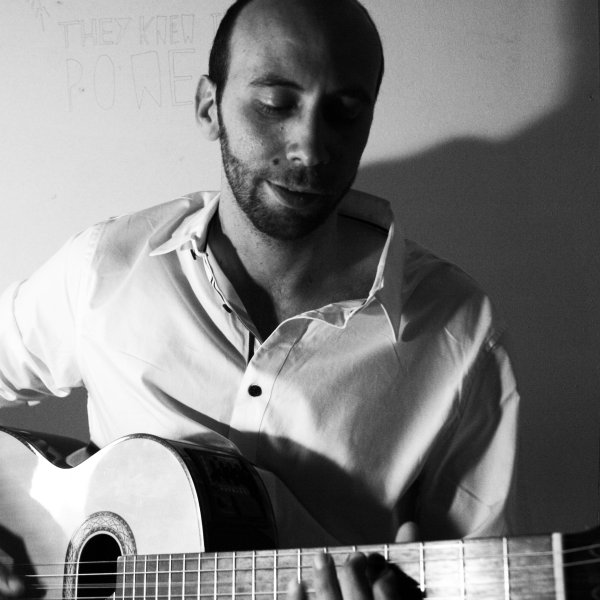 朱利亚诺·莫达雷利
-
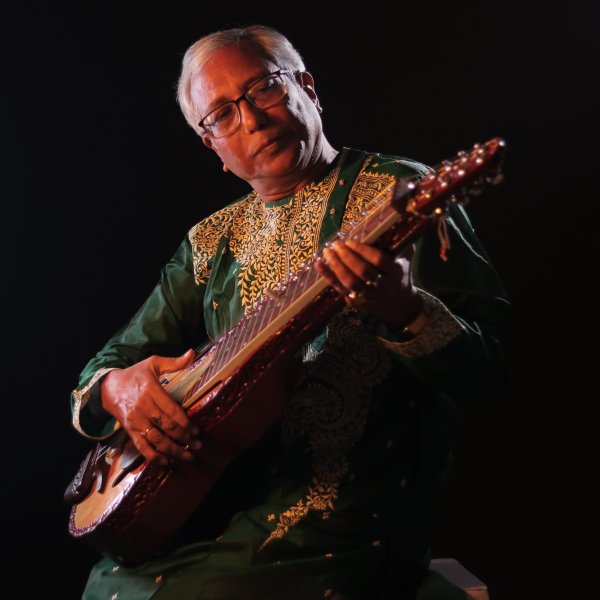 德巴西斯·查克罗博蒂
-
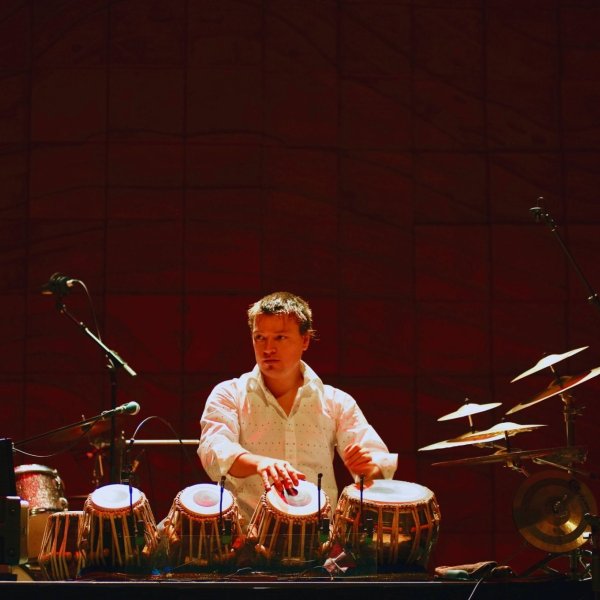 山姆·埃文斯
-
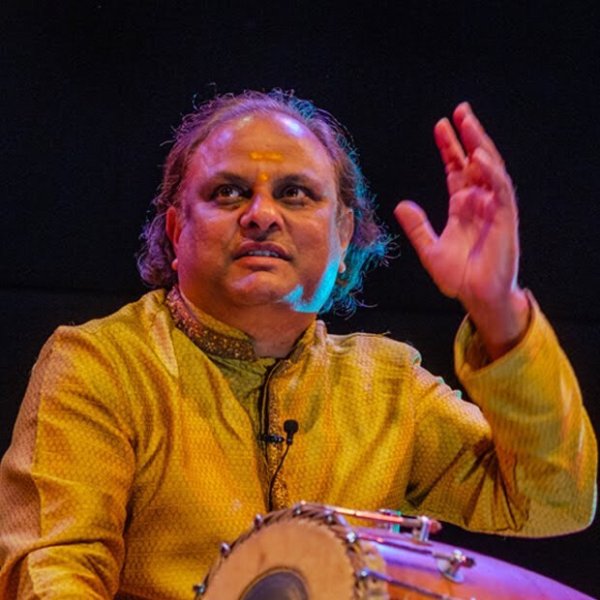 RN Prakash


活动详情
潘迪特 德巴西斯 查克拉武尔提(印度滑音吉他,阿格拉)、朱利安尼奥 莫达雷利(吉他,伦敦)、赛姆 伊芒斯博士(塔布拉,墨尔本)和 RN 普拉卡什(迦塔姆)于 2026 年 9 月 19 日在诺里奇艺术中心共同登台,公课属于 Kala 节 2026。
(RN)班加罗尔 普拉卡什将卡纳塔克打击乐的厚实、错躐的音色带入演出。小数最终能见证不同传统的大师在同一舞台上相互对话,这本身就是难得的机缘。
古典基础
上半场开始于 20 分钟的阿拉普和贾德,随后分别展示两首作品:鲁帕克塔拉(7 拍)和洽族塔拉(10 拍),各 15 分钟。
融合新境
休息后,朱利安尼奥用西方吉他与滑音吉他展开对话。三首即兴之作(10 分钟各)将印度拉格和西方音乐交织融合,伴随塔布拉和迦塔姆。
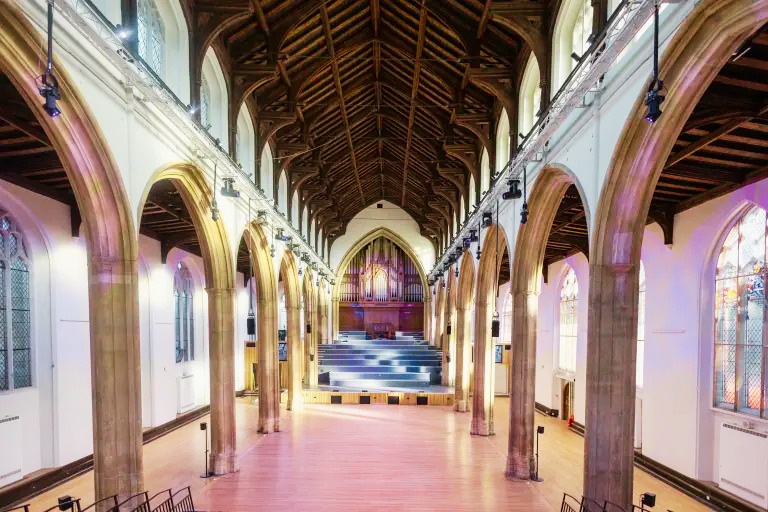
Venue information
常见问题
How do I get to St Andrew's Hall, Norwich?
St Andrew's Hall is on St Andrew's Plain, Norwich NR3 1AU, in the city centre, 950 metres from Norwich railway station, a walk of about 12 minutes. The bus station is also 950 metres away. The hall is part of The Halls, the name the venue uses for the complex.
From the railway station you can also take a bus to Castle Meadow, or a taxi from the rank outside the station.
Driving? See parking near the hall.
Where can I go to hear live Indian classical music in Norwich, which venues have hosted KalaSudha's concerts, and where do I find the next Norwich date?
KalaSudha presents Indian classical music in Norwich and lists each concert on its Norwich page, with a link to book. For the next Norwich date, read how to hear about new Norwich concerts.
KalaSudha has presented concerts at St Andrew's Hall on St Andrew's Plain and at The Assembly House, a Grade I listed building on Theatre Street.
Who is the guitarist Giuliano Modarelli, and how did he come to Indian music?
Giuliano Modarelli is a London-based Italian guitarist and composer who blends Indian classical music, jazz and contemporary world music. Born in Milan in 1977, he moved to England in 2000 and took a bachelor's degree in jazz at Leeds College of Music in 2003. He studied Indian music with the sitar player Dharambir Singh and the sarod players Buddhadev Dasgupta and Prattyush Bannerjee. He founded the collective Samay, is a founding member of the ensemble Kefaya, and he has worked with Ustad Shahbaz Hussain and Pandit Ajay Prasanna.
Who is the Indian slide guitarist Pandit Debasis Chakroborty, the senior-most disciple of Pandit Brij Bhushan Kabra?
Pandit Debasis Chakroborty is a Hindustani slide guitarist and the senior-most disciple of Pandit Brij Bhushan Kabra, and his playing reflects Kabra's style. His name is also written Debasis Chakraborty. He plays in the Senia-Maihar gharana and has taught since 1992.
He has been part of the Department of Performing Arts at Mangalayatan University since its inception, and returns to universities in Australia and the USA as a conductor-performer and artist-in-residence. He helped carry out a joint music research project between Mangalayatan University and Monash University, and has published 10 research papers.
He learned first from his father, then from Barun Kumar Pal and Jotin Bhattacharya, and in the mid-1990s studied with Kabra in Jodhpur. He is Associate Professor of Music at Mangalayatan University in Aligarh and advises government and non-government organisations as an expert.
What is an Indian slide guitar, how is it played, and where can I learn it?
The Indian slide guitar is a guitar laid flat across the lap and stopped with a steel bar instead of fingers on frets. It is an instrument of Hindustani classical music, the classical music of North India. Sympathetic strings ring underneath the melody unstruck, and the player plucks extra drone (chikari) strings.
The bar never leaves the string, so one note travels into the next without a break. For its history and players, see the Indian slide guitar page. You can learn it with KalaSudha in the online academy.
What is the Senia-Maihar gharana, who founded it, and which KalaSudha artist plays in it?
The Senia-Maihar gharana is the sarod lineage that Allauddin Khan founded at Maihar, a former princely state, in the early 20th century. Most sources treat it and the Maihar gharana as one school spanning several instruments. "Senia" names the Tansen line, which Allauddin Khan joined as a disciple of Wazir Khan of Rampur. He brought a dhrupad approach to the sarod, sitar, violin and bansuri. Among KalaSudha's artists, Pandit Debasis Chakroborty plays in the gharana.
Have more questions? Contact our support team and we'll be happy to help!