

A Hundred Strings in Bournemouth: Ragas am Meer
- #Bournemouth
- #Vor Ort
- NOV 21, 2026
- Samstag
- 6:30 PM
- 2 Stunden, 30 Minuten
- Palace Court Theatre
- Bournemouth, Vereinigtes Königreich
Sichern Sie sich Ihre Tickets

Promo reels
Veranstaltungsübersicht
Auftretende Künstler
Höhepunkte der Veranstaltung
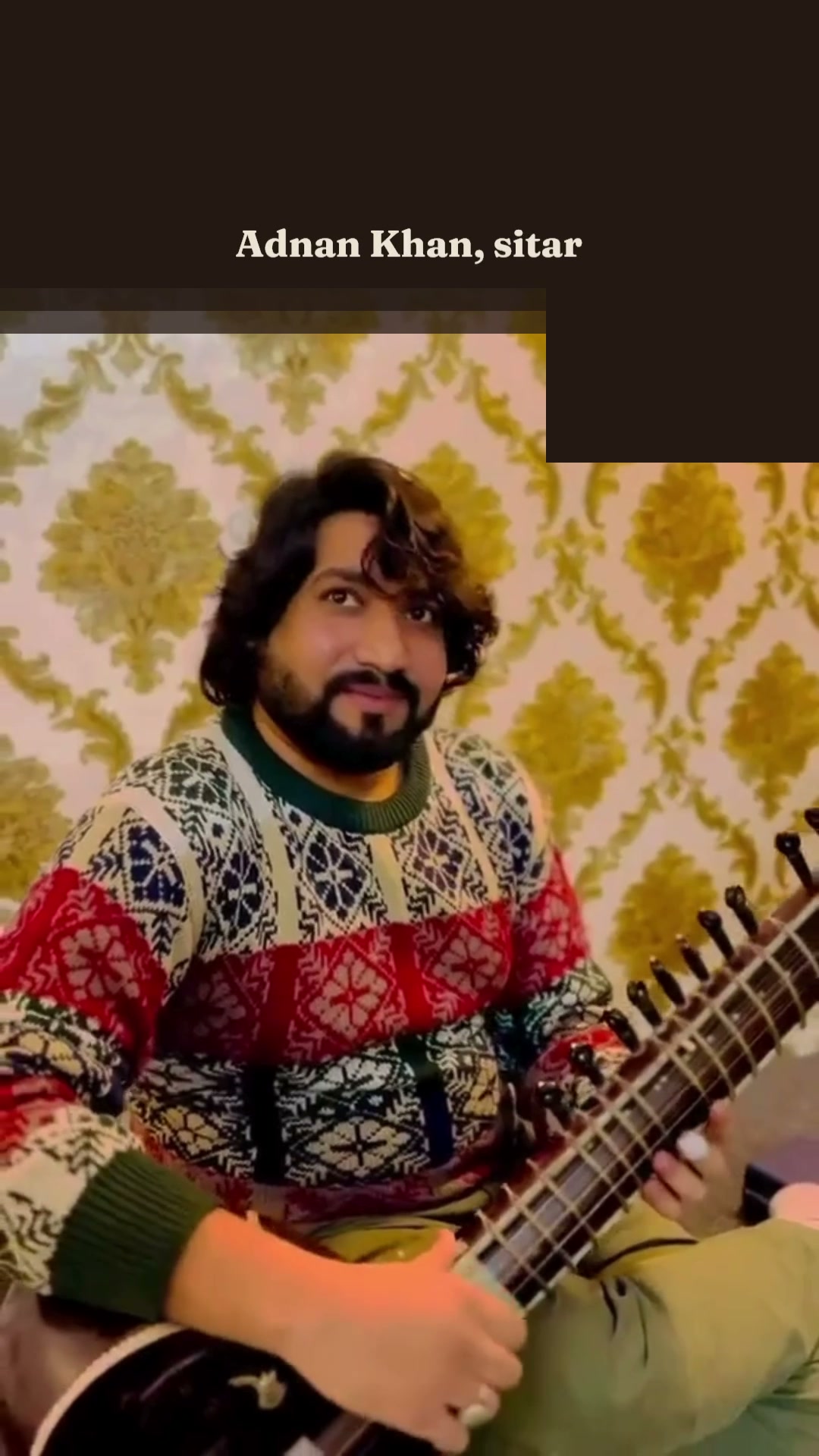
Adnan Khan an der Sitar
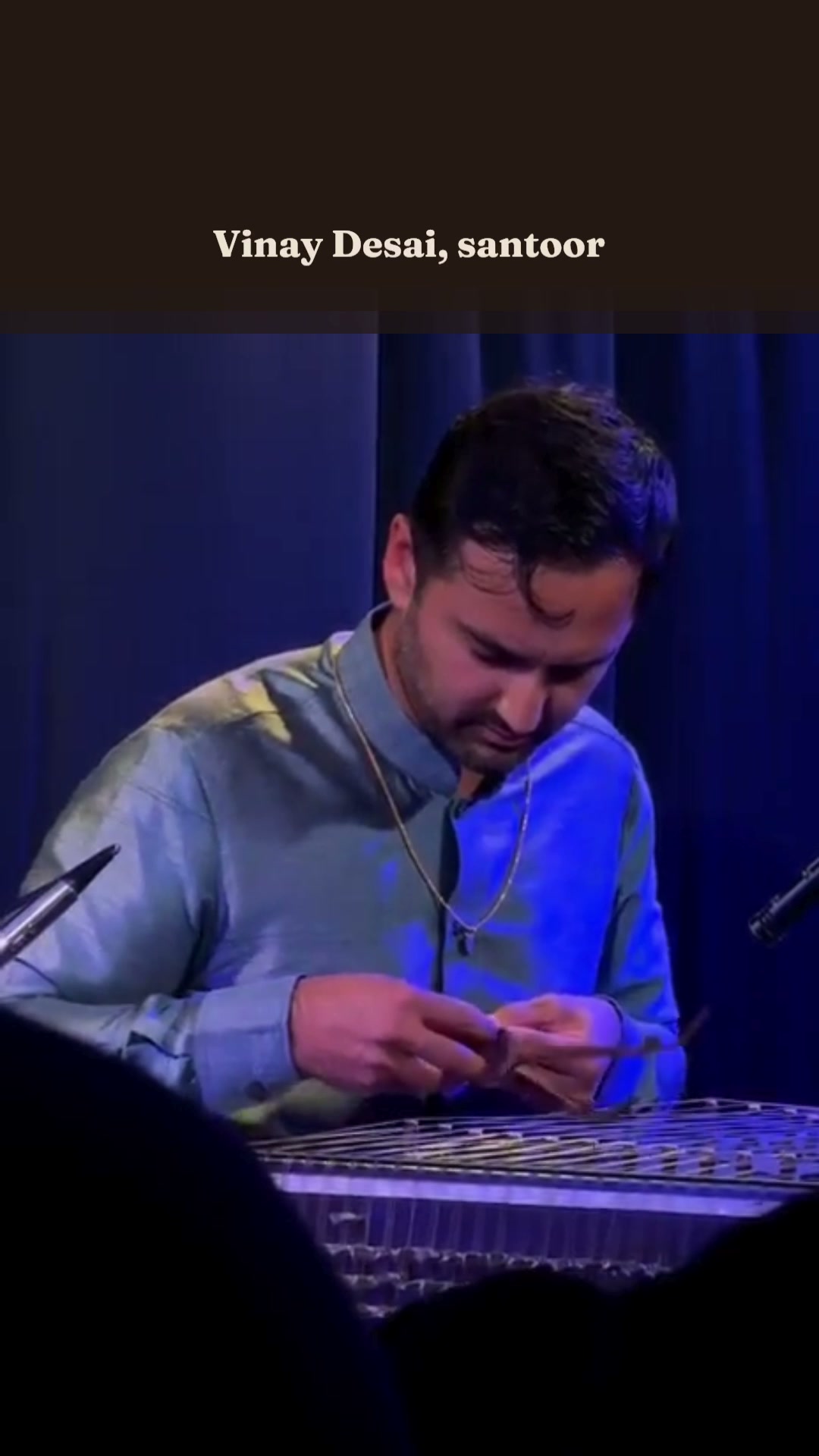
Vinay Desai an der Santoor
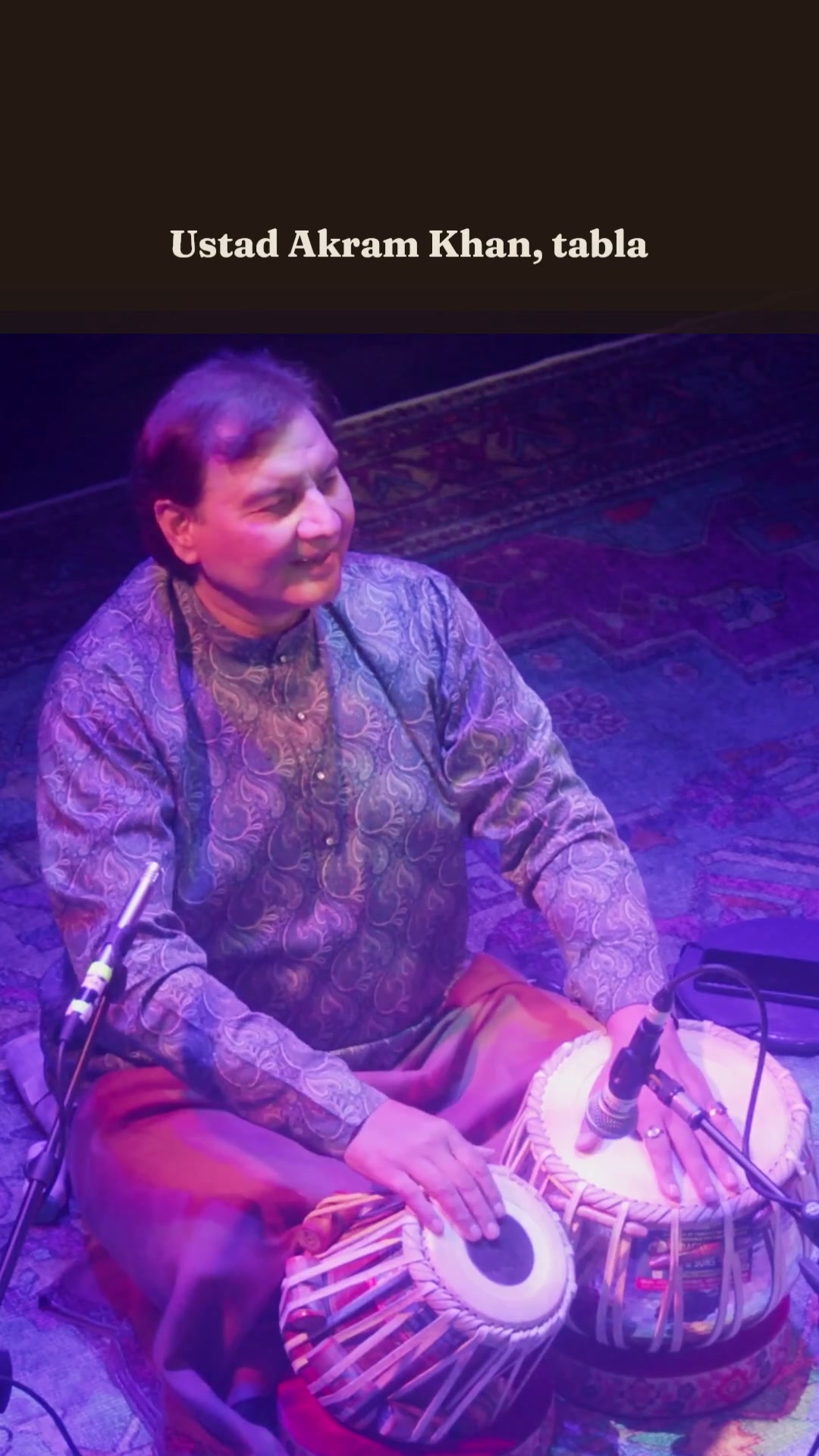
Ustad Akram Khan an der Tabla
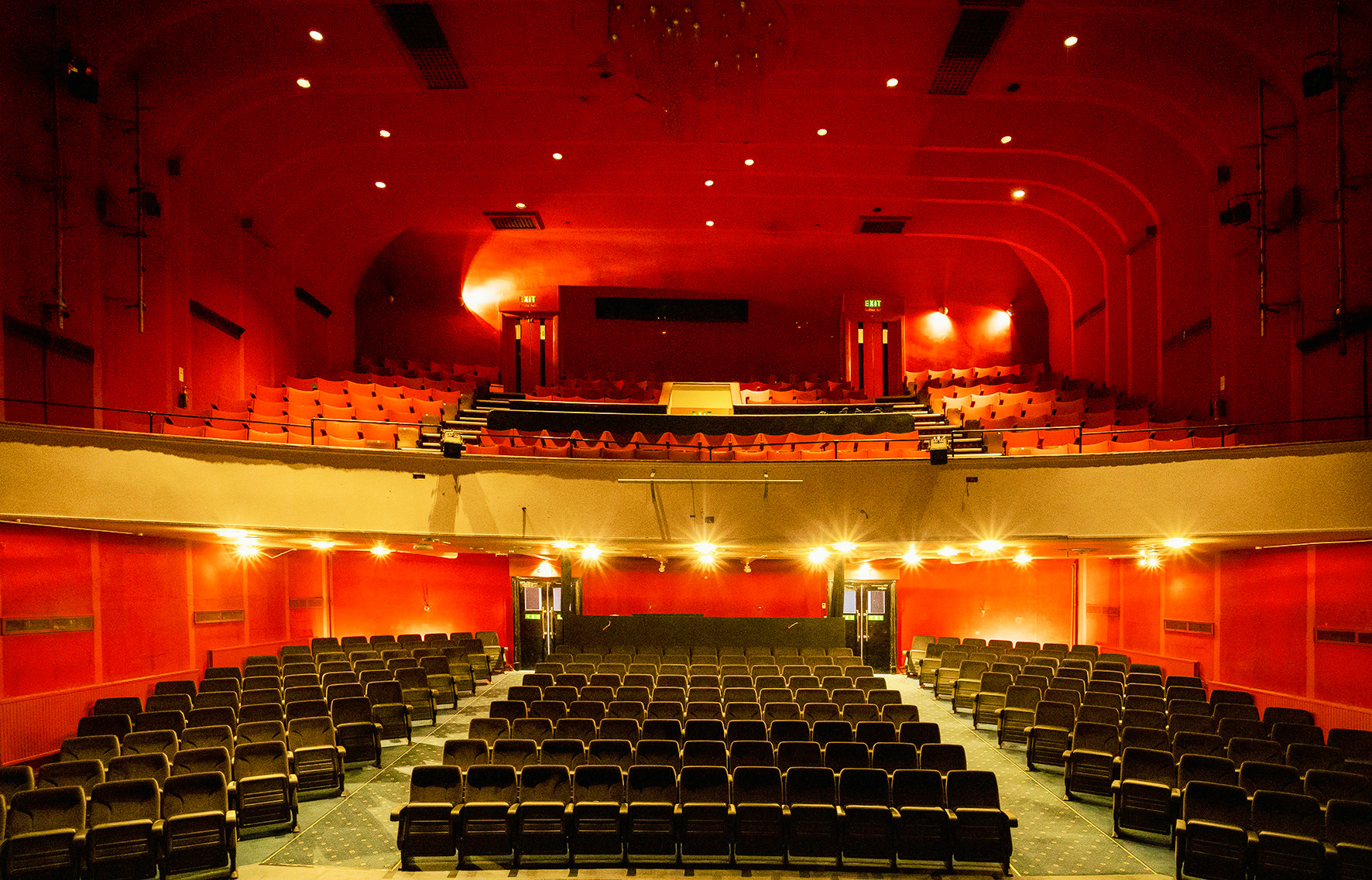
Ein Schauspielhaus von 1931
-
Raga Unison at Southampton: Wind, Drums and Strings | Double Bill Concert
-

Raga Unison at Southampton: Wind, Drums and Strings | Double Bill Concert
-
Raga Unison at Southampton: Wind, Drums and Strings | Double Bill Concert
-
Raga Unison at Southampton: Wind, Drums and Strings | Double Bill Concert
-
Raga Unison at Southampton: Wind, Drums and Strings | Double Bill Concert
-
Raga Unison at Southampton: Wind, Drums and Strings | Double Bill Concert
Auftretende Künstler
-
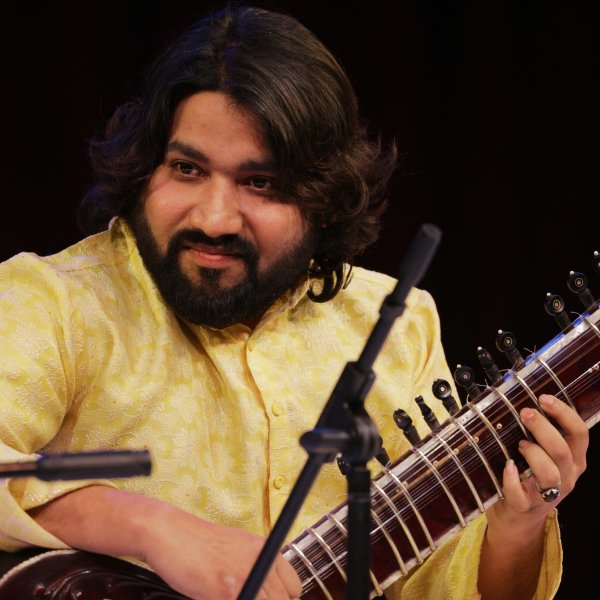 Adnan Khan
-
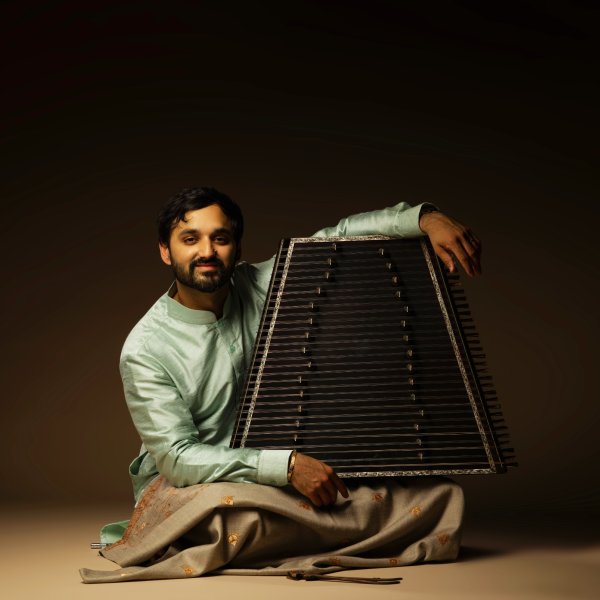 Vinay Desai
-
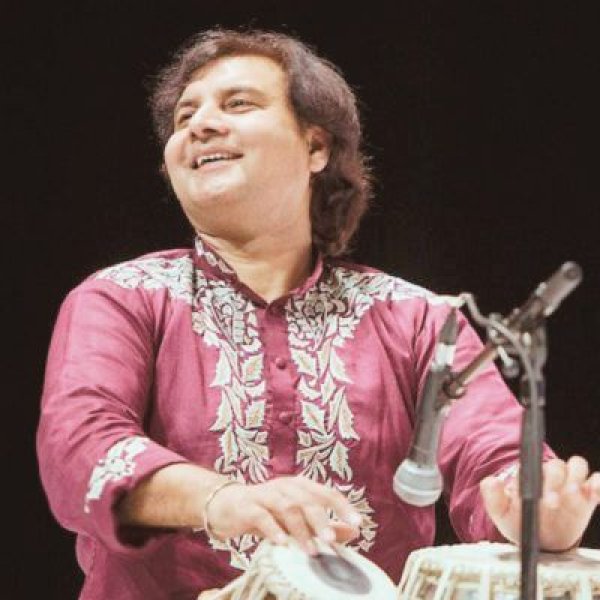 Akram Khan


Veranstaltungsdetails
Am Samstag, 21. November bringen wir die indische klassische Musik nach Bournemouth, ins Palace Court Theatre in der Hinton Road. Das Theater wurde 1931 als Schauspielhaus der Stadt eröffnet, und die Arts University Bournemouth bringt es nun auf die Bühne zurück. Drei Musiker und zwei Arten, auf Saiten einen Raga zu spielen.
Adnan Khan, ein für einen Grammy nominierter Sitar-Spieler aus Delhi, spielt im Gayaki Ang, das sich beim Sitar-Spiel an der Singstimme orientiert. Sein Großvater, der verstorbene Ustad Zafar Ahmed Khan, gab ihm die ersten Unterrichtsstunden, und er lernt bei seinem Vater, dem Sitar-Spieler Ustad Saeed Khan.
Vinay Desai spielt die Santoor, das hundertsaitige Instrument Kaschmirs, als direkter Schüler von Padma Vibhushan Pandit Shivkumar Sharma. Die Sitar wird gezupft und gleitet von Ton zu Ton. Die Santoor wird angeschlagen und kann nicht gleiten, sie bewegt sich daher in Läufen.
Ustad Akram Khan spielt Tabla mit beiden. Als siebte Generation seiner Familie im Ajrada-Gharana lernte er bei seinem Urgroßvater Ustad Mohammad Shafi Khan, dann bei Ustad Niazu Khan, und bewahrt in seinem Unterricht mehr als fünfzehn Kaydas des Gharana.
A Hundred Strings spielt außerdem in Oxford am 18. November, Manchester am 20. November und St Saviour's in Pimlico am Abend darauf, Sonntag, 22. November.
Freie Platzwahl.
Einlass ist um 18:15 Uhr. Die Musik beginnt um 18:30 Uhr.
Hinweise für das Publikum:
- Bitte filmen oder fotografieren Sie nicht ohne unsere Erlaubnis.
- Bitte lassen Sie Ihr Telefon während der gesamten Veranstaltung weggesteckt, auch zum Schreiben von Nachrichten.
Barrierefreiheit:
Das Gebäude hat derzeit keine Aufzüge, die Barrierefreiheit ist daher eingeschränkt. Von der Straße zum Eingang des Theaters führen drei Stufen, auf denen eine bewegliche Rampe genutzt werden kann. Bitte teilen Sie uns vorab mit, falls Sie sie benötigen. Die Rampe ist nicht für motorisierte oder elektrische Rollstühle geeignet. Im Inneren ist der Zugang vom Foyer in den Zuschauerraum stufenlos. Es gibt zwei Rollstuhlplätze, und auf Anfrage sind Plätze mit zusätzlicher Beinfreiheit erhältlich. Eine barrierefreie Toilette befindet sich im Foyer, die Haupttoiletten sind nur über mehrere Stufen erreichbar. Bitte teilen Sie dem Veranstaltungsort Ihren Bedarf an Barrierefreiheit vorab mit, damit er entsprechend planen kann.
Venue information
Häufig gestellte Fragen
What is KalaSudha's A Hundred Strings tour, who plays on it and where does it go?
A Hundred Strings is KalaSudha's tour of sitar, santoor and tabla. The name comes from the santoor, the hundred-stringed instrument of Kashmir.
The tour brings the sitar player Adnan Khan and the santoor player Vinay Desai together with the tabla player Ustad Akram Khan. In Manchester, Ustad Shahbaz Hussain also plays tabla. The sitar is plucked and slides between notes; the santoor is struck and cannot slide, so it moves in runs.
The tour plays Oxford, Manchester, Bournemouth and London.
What is the address of the Palace Court Theatre in Bournemouth, which car parks are close by, and which bus stop serves it?
The Palace Court Theatre is on Hinton Road, Bournemouth BH1 2EN, in the town centre. Its what3words address is steep.turns.keep.
Westover Gardens and Central car parks are within 200 m. The Hinton Road Top bus stop is directly opposite.
The entrance has three steps and a moveable ramp. For access needs, contact us before the day.
Is the Palace Court Theatre in Bournemouth accessible for wheelchair users and people with access needs, and who should I tell before I come?
Partly. The Palace Court Theatre has three steps from the street to the entrance, with a moveable ramp, and level access from the foyer to the auditorium. There are two wheelchair spaces and seats with extra legroom.
One accessible toilet sits in the foyer. Stairs lead to the other toilets, and the building has no lift.
Tell the venue about access needs in advance, at [email protected], so it can plan evacuation. For a KalaSudha concert, email [email protected] before booking (see who to talk to about access needs).
Where in Bournemouth can I hear live Indian classical music, and which KalaSudha concerts take place there?
KalaSudha presents Indian classical music in Bournemouth at the Palace Court Theatre on Hinton Road. The Bournemouth page lists each KalaSudha concert in the town with its Book Tickets button, and you can press Register for updates there to hear about new dates.
The theatre is a 1931 Art Deco playhouse, and Arts University Bournemouth is restoring it. For buses and parking, see getting to the Palace Court Theatre.
Who is the sitar player Adnan Khan, who taught him, and what is distinctive about his playing?
Adnan Khan is a Grammy-nominated sitar player from Delhi who works in the gayaki ang, the approach that shapes the instrument after the singing voice. He took his first lessons from his maternal grandfather, Zafar Ahmed Khan, and trains with his father, the sitar player Saeed Khan. His uncle, the khayal singer Mashkoor Ali Khan, taught him the gayaki ang at the ITC Sangeet Research Academy in Kolkata. Melody leads in his playing, and a raga's notes keep their shape through his fastest runs.
Between 2009 and 2013 Adnan Khan was a senior A-grade scholar under Mashkoor Ali Khan at the ITC Sangeet Research Academy in Kolkata.
Who is the santoor player Vinay Desai, who taught him, and how does he play?
Vinay Desai plays the santoor, the hundred-stringed instrument of Kashmir, struck with two light curved mallets. He studied with Shivkumar Sharma, who received the Padma Vibhushan, through Sharma's final years. A struck string cannot bend, so his expression comes from where the strokes fall and how they are spaced. His concerts open slow, with no beat at all, until the raga has a shape. Then the tabla comes in, and the close is fast.
How do the sitar and the santoor differ in how they are built, how they are played and how they sound?
The sitar is plucked and slides between notes. The santoor is struck and cannot slide, so it moves in runs and repeated strokes.
The sitar is a long-necked lute with a gourd body, movable curved frets and sympathetic strings beneath the playing strings. The santoor is the hundred-stringed instrument of Kashmir: a flat wooden box strung with metal strings, struck with a pair of light wooden mallets.
On the sitar you hear a phrase held and bent, the way a singer does. On the santoor each note rings on after the hand has moved. See what is a sitar and what is a santoor.
What is the Ajrara (Ajrada) gharana of tabla, where did it begin, and what is it known for?
The Ajrara gharana, also spelt Ajrada, is a school of tabla that arose in the late 18th or early 19th century in the village of Ajrara, in Meerut district. Most accounts trace it to two brothers, Kallu Khan and Miru Khan, who learnt in Delhi, making it an offshoot of the Delhi gharana. Its players add the ring finger to the Delhi technique. It is best known for qaidas, themes with set variations, in aad laya, three strokes to every two beats. Ustad Akram Khan plays in the gharana today.
How do I get my ticket?
When you book on kalasudha.com, your KalaSudha confirmation email carries your ticket. Show it on your phone at the door, or bring a printout if you prefer paper.
If the email has not arrived, check your spam folder first. If it is still missing, write to [email protected] and we will send your ticket again.
Can no longer come? See refunds. Event moved or cancelled? See cancellations and date changes. Planning the night? See when to arrive.
When should I arrive?
Arrive at the door time shown on the KalaSudha event page. Doors open before the music starts, so you can find a seat and settle before the first note. All times are UK local time.
When the programme opens with a raga, the first section is the alap, the slow, free-tempo opening of the raga. Arriving after the start time means walking in during it.
For seating, see Is seating allocated? If this is your first Indian classical concert, read what to expect as a newcomer.
Have more questions? Contact our support team and we'll be happy to help!