

맨체스터의 어 헌드레드 스트링스: 카슈미르와 델리의 현
- 20 11월 2026
- 금요일
- 7:00 오후 – 9:30 오후
- 2 시간, 30분
- The Stoller Hall
- Manchester, GB
티켓
- Front Stalls Early Bird
- £30.00 GBP
- Stalls Early Bird
- £25.00 GBP
- Student
- £15.00 GBP
- Front Stalls General Admission
-
£35.00 GBP
Sales start on 금, 6 11월 2026 - 00:00 - Stalls General Admission
-
£30.00 GBP
Sales start on 금, 6 11월 2026 - 00:00

Learning to play tabla with different gharanas and styles made me a more musically awakened soul, gave an immense depth and enriched my tabla playing.
이벤트 하이라이트
Adnan Khan on Sitar
Vinay Desai on Santoor
Two Tabla Players, Three Gharanas
Ustad Shahbaz Hussain, at Home in Manchester
공연 아티스트
-
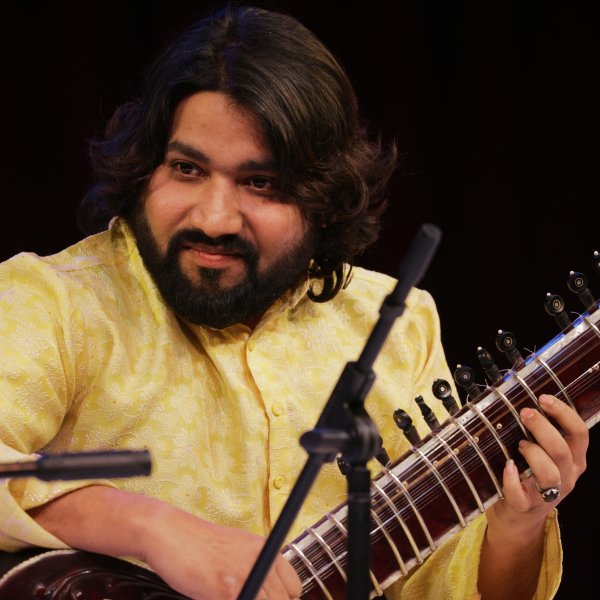 아드난 칸
아드난 칸 -
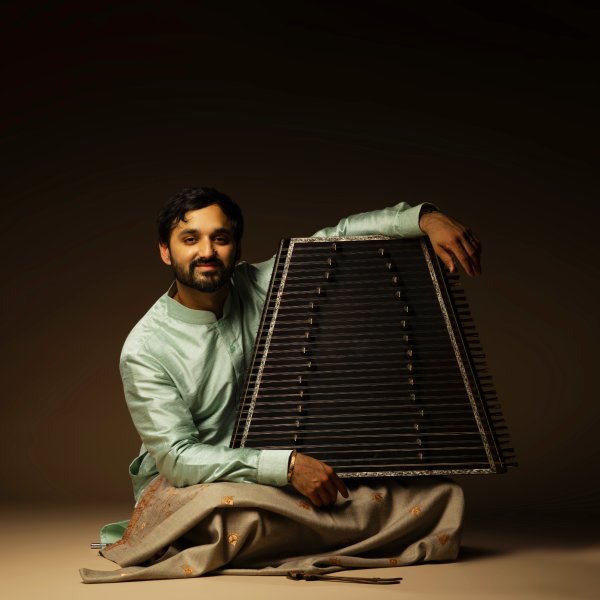 비나이 데사이
 -
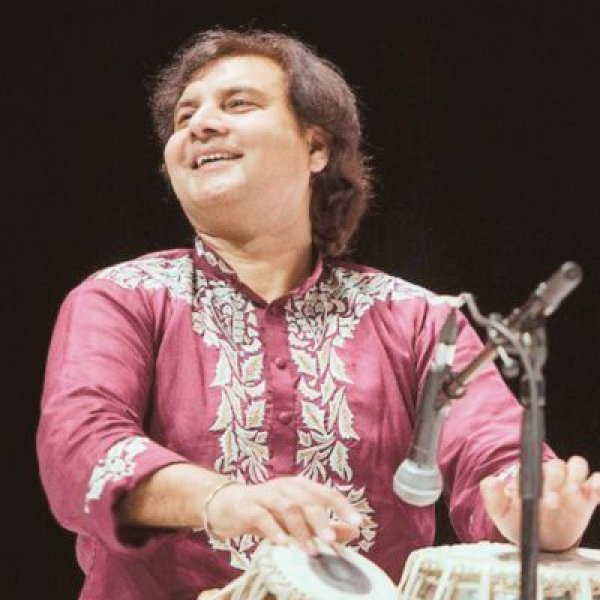 아크람 칸
아크람 칸 -
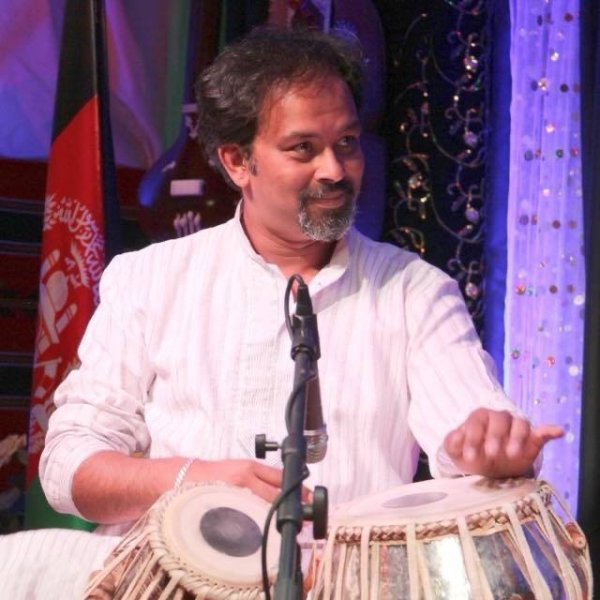 샤바즈 후세인


이벤트 상세 정보
11월 20일, 네 명의 음악가가 체텀스 음악학교 안에 있는 더 스톨러 홀에서 인도 고전음악을 들려줍니다. 두 가지 현악 전통, 그리고 둘이 합쳐 세 가라나를 이어받은 타블라 연주자 두 명이 무대에 오릅니다.
비나이 데사이는 카슈미르의 백 줄 현악기 산투르를 연주하며, 파드마 비부샨 수훈자 판디트 시브쿠마르 샤르마의 직계 제자입니다. 델리 출신의 그래미 후보 시타르 연주자 아드난 칸은 시타르 연주를 노래하는 목소리처럼 빚어내는 가야키 앙 양식으로 연주합니다. 그는 시타르 연주자인 아버지 우스타드 사이드 칸에게 배우고 있습니다.
이날 밤에는 두 명의 타블라 거장이 함께 무대에 서며, 투어에서 두 사람이 모두 출연하는 공연은 맨체스터뿐입니다. 우스타드 아크람 칸은 아즈라다 가라나에서 집안의 일곱 번째 세대이며, 1만 1천 회가 넘는 공연을 했습니다. 우스타드 샤바즈 후세인은 성악가인 아버지 우스타드 뭄타즈 후세인에게 처음 배웠습니다. 이후 델리 가라나의 우스타드 파이야즈 칸, 그리고 펀자브 가라나의 우스타드 샤우카트 후세인 칸과 우스타드 알라 라카에게 배웠습니다. 2008년 파키스탄 정부는 그에게 선 오브 라호르 상을 수여했습니다.
우스타드 샤바즈 후세인은 맨체스터에 살며 잉글랜드 북부 곳곳에서 가르칩니다. 더 스톨러 홀은 그의 홈 무대입니다.
어 헌드레드 스트링스는 11월 18일 옥스퍼드, 11월 21일 본머스의 팰리스 코트 극장, 그리고 11월 22일 런던 핌리코의 세인트 세이비어스에서도 공연합니다.
접근성 관련 요청이 있으시면 저희에게 연락해 주세요.
오후 6시 45분에 입장이 시작됩니다. 공연은 오후 7시에 시작합니다.
관람 규정:
- 저희의 허락 없이 동영상을 촬영하거나 사진을 찍지 마세요.
- 공연 내내 휴대전화를 넣어 두세요. 문자 메시지도 삼가 주세요.
공연장 정보

Frequently Asked Questions
맨체스터 공연의 구역별 좌석은 어떻게 운영되나요?
예매할 때 프런트 스톨스(Front Stalls) 또는 스톨스(Stalls) 중 구역을 고른 뒤, 해당 구역의 빈자리 어디에나 앉으시면 됩니다. 구역 안의 좌석은 번호가 지정되지 않으므로, 원하는 자리를 고르시려면 공연장 문이 열리는 오후 6시 45분에 맞춰 도착하세요.
프런트 스톨스는 무대와 가장 가까운 열입니다. 조기 예매가는 11월 5일까지 £30, 이후 £35입니다. 스톨스는 그 뒤쪽이며 조기 예매가 £25, 이후 £30입니다. 학생 티켓은 £15입니다. 이번 공연에서는 발코니석을 운영하지 않습니다.
티켓은 어떻게 받나요?
예매 확인 이메일에 티켓이 들어 있습니다. 공연장 입구에서 휴대폰 화면으로 보여 주시고, 종이를 원하시면 출력해 오셔도 됩니다.
이메일이 도착하지 않았다면 먼저 스팸함을 확인해 주십시오. 그래도 없으면 [email protected]으로 알려 주시면 다시 보내 드립니다.
I can no longer attend. Can I have a refund?
Ticket sales are final once confirmed. If something has come up, write to [email protected] at least 7 days before the event and tell us what happened.
We look at each request on its own merits. A refund is not guaranteed, and we cannot consider requests inside the last week.
What happens if the event is cancelled or moved to another date?
You choose between a full refund and a transfer to the new date or an equivalent concert.
Refunds for a cancelled event go back to your original payment method within 7 to 14 business days. You do not need to claim them.
When should I arrive?
Come at the door time on the event page rather than at the start time. It gives you room to find a seat and settle.
The concert opens with an alap, the slowest and quietest stretch of the evening. Walking in during it costs you the part that sets up everything after.
Is there an interval?
Yes. The concert runs in two halves with a short interval between them.
The first half holds the classical raga set. The second opens out, and on most of our bills it changes either the players or the form.
What should I wear?
Whatever you are comfortable sitting in for a couple of hours.
Our audiences turn up in jeans and in saris on the same night, and neither looks out of place.
Can I photograph or film the performance?
No, not during the performance. The musicians improvise, and a raised phone or a lit screen pulls the room out of the music. Put the camera away and stay with the sound.
If you are covering the concert for press, or need to record for another reason, write to [email protected] before the day. Filming without that permission is not allowed.
Can I use my phone during the concert?
Switch it off or set it to silent before the music starts, and leave texting until the interval.
This holds for the whole concert. A single screen lighting up in a quiet hall reaches the stage.
I have access needs. Who do I talk to?
Write to [email protected] before you book and tell us what you need.
Wheelchair spaces and seats near the stage need arranging with the venue in advance, so the earlier you write, the more we can do.
I have never been to an Indian classical concert. Will I follow it?
Yes. You do not need to recognise a raga or count a taal to follow what happens on stage.
The music opens at a crawl with no pulse at all, then the tabla enters and the rhythm takes hold. That shape repeats through the evening, and most people read it by the second piece. Sit close and give the opening time.
What is a sitar?
A long-necked lute with a gourd body, movable curved frets, and a set of sympathetic strings running beneath the playing strings.
The curved frets let a player pull a string sideways and bend one note into another several steps away. That bend, the meend, is where most of the expression lives, and the sympathetic strings keep ringing behind it.
What is a santoor?
A hammered dulcimer from Kashmir: a trapezoid walnut box with about a hundred strings. Twenty-five wooden bridges carry the strings in sets of four, and the player tunes each set to one note, so one stroke sounds four strings together.
The player sits with the santoor in front and strikes the strings with two light wooden mallets. A struck string cannot bend, so the player suggests a glide with fast strokes on neighbouring bridges. The santoor accompanied Sufiana Mausiqi, the Sufi music of Kashmir, until Pandit Shivkumar Sharma brought it to the classical concert stage.
What is a tabla?
A pair of hand drums. The smaller wooden one sits under the right hand and carries the pitch. The larger metal one under the left hand supplies the bass and bends it, by pressing the heel of the palm into the head while striking.
The black circle on each head is what makes the sound recognisable. It weights the skin so the drum rings at a definite pitch rather than thudding.
Have more questions? Contact our support team and we'll be happy to help!