

ഓക്സ്ഫോർഡിൽ എ ഹണ്ട്രഡ് സ്ട്രിംഗ്സ്: രണ്ട് തന്ത്രികൾ, ഒരേ സ്പന്ദനം
- 18 നവം 2026
- ബുധൻ
- 7:00 ഉച്ചയ്ക്ക് ശേഷം – 9:30 ഉച്ചയ്ക്ക് ശേഷം
- 2 മണിക്കൂര്, 30 മിനിറ്റ്
- Holywell Music Room
- ഓക്സ്ഫോർഡ്, GB
ടിക്കറ്റുകൾ
- Early Bird
-
£26.25 GBP
Including booking fee - Student
-
£21.00 GBP
Including booking fee - General Admission
-
£31.50 GBP
Including booking fee
Sales start on ബുധൻ, 4 നവം 2026 - 00:00

ഇവന്റ് സംഗ്രഹം
അവതരിപ്പിക്കുന്ന കലാകാരന്മാർ
അവതരിപ്പിക്കുന്ന കലാകാരന്മാർ
-
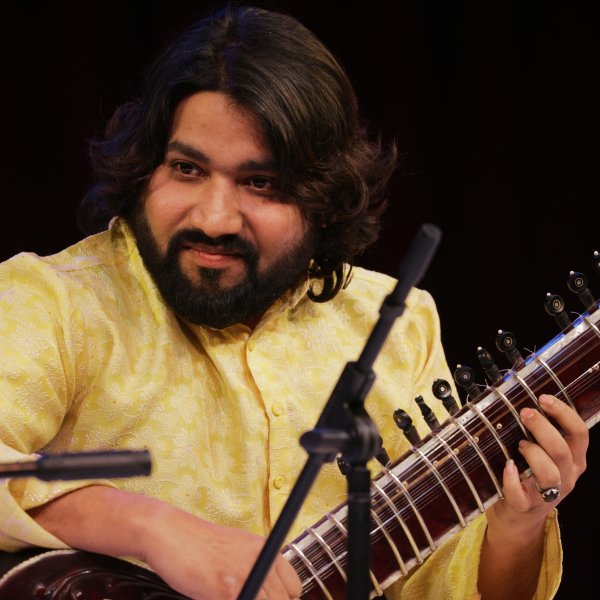 അദ്നാൻ ഖാൻ
 -
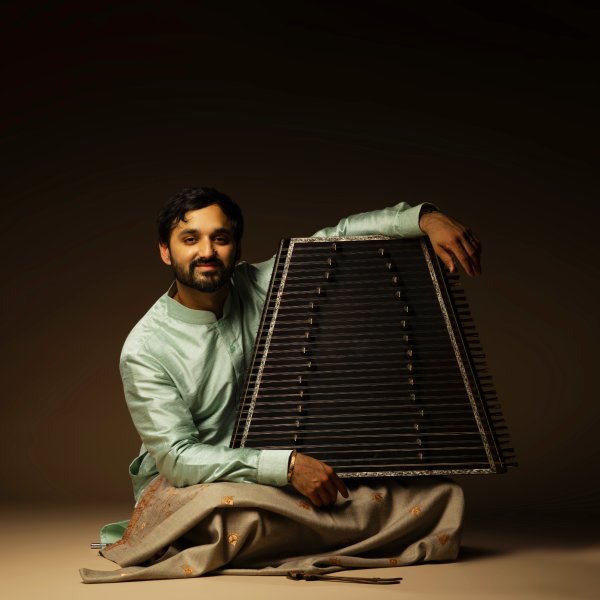 വിനയ് ദേശായി
 -
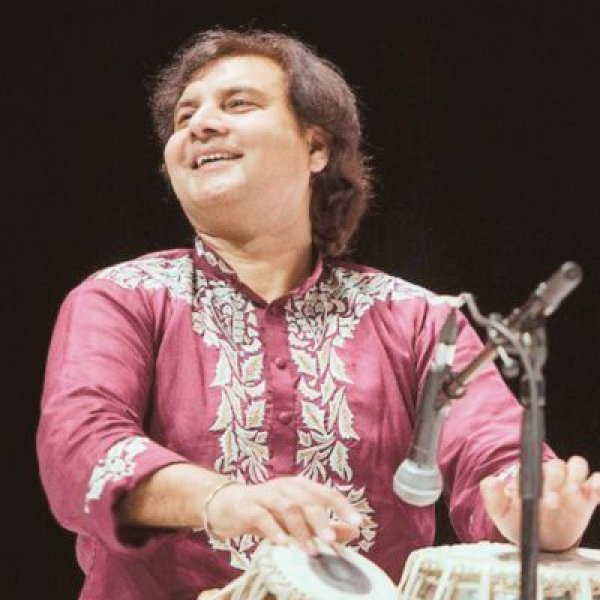 അക്രം ഖാൻ


ഇവന്റ് വിശദാംശങ്ങൾ
നവംബർ 18ന് ഞങ്ങൾ വീണ്ടും ഹോളിവെൽ മ്യൂജിക് റൂം വേദിയിലേക്ക് എത്തുന്നു, ഇത്തവണ ഓക്സ്ഫോർഡിൽ എ ഹണ്ട്രഡ് സ്ട്രിംഗ്സ്: രണ്ട് തന്ത്രികൾ, ഒരേ സ്പന്ദനം എന്ന പരിപാടിയുമായി. ഒരു വർഷം മുമ്പ് രാഗ യൂണിസൺ ഇതേ ഹാളിൽ ബാൻസുരിയെയും തബലയെയും ഒന്നിച്ചു കൊണ്ടുവന്നിരുന്നു. ഇത്തവണ വേദിയിൽ മൂന്ന് സംഗീതജ്ഞർ, തന്ത്രിവാദ്യങ്ങളിൽ രാഗം വായിക്കുന്ന രണ്ട് വ്യത്യസ്ത രീതികൾ.
അദ്നാൻ ഖാൻ ഗ്രാമി നാമനിർദേശം ലഭിച്ച സിതാർ വാദകനാണ്. പാടുന്ന ശബ്ദത്തിന്റെ മാതൃകയിൽ വാദ്യത്തെ രൂപപ്പെടുത്തുന്ന ഗായകി അംഗ് ശൈലിയിലാണ് അദ്ദേഹം വായിക്കുന്നത്. ആദ്യപാഠങ്ങൾ അദ്ദേഹം തന്റെ മുത്തച്ഛനായ പരേതനായ ഉസ്താദ് സഫർ അഹമ്മദ് ഖാനിൽ നിന്ന് പഠിച്ചു; ഇപ്പോൾ പിതാവും സിതാർ വാദകനുമായ ഉസ്താദ് സഈദ് ഖാന്റെ കീഴിൽ പരിശീലനം തുടരുന്നു.
വിനയ് ദേശായി കശ്മീരിലെ നൂറു തന്ത്രികളുള്ള വാദ്യമായ സന്തൂർ വായിക്കുന്നു. പത്മവിഭൂഷൺ പണ്ഡിറ്റ് ശിവകുമാർ ശർമ്മയുടെ നേരിട്ടുള്ള ശിഷ്യനാണ് അദ്ദേഹം. സിതാറിന്റെ തന്ത്രി മീട്ടുമ്പോൾ സ്വരം ഒന്നിൽ നിന്ന് അടുത്തതിലേക്ക് തെന്നിനീങ്ങുന്നു. സന്തൂർ അടിച്ചാണ് വായിക്കുന്നത്, അതിനാൽ അതിന് തെന്നിനീങ്ങാനാവില്ല; വേഗമേറിയ സ്വരക്കൂട്ടങ്ങളിലൂടെയാണ് അത് മുന്നേറുന്നത്. രണ്ട് വാദ്യങ്ങളും ഒരേ രാഗം പങ്കിടുകയും അതിലൂടെ വ്യത്യസ്ത വഴികളിൽ സഞ്ചരിക്കുകയും ചെയ്യുന്നു.
ഉസ്താദ് അക്രം ഖാൻ രണ്ട് ഭാഗങ്ങളിലും തബല വായിക്കുന്നു. അജ്രാഡ ഘരാനയിൽ അദ്ദേഹം കുടുംബത്തിലെ ഏഴാം തലമുറക്കാരനാണ്. ആദ്യം മുതുമുത്തച്ഛനായ ഉസ്താദ് മുഹമ്മദ് ഷഫി ഖാനിൽ നിന്നും പിന്നീട് ഉസ്താദ് നിയാസു ഖാനിൽ നിന്നും പഠിച്ച അദ്ദേഹം ഇന്ന് ഘരാനയുടെ പതിനഞ്ചിലധികം പരമ്പരാഗത കായ്ദകൾ പഠിപ്പിക്കുന്നു.
വൈകിട്ട് 6:45ന് പ്രവേശനം ആരംഭിക്കും, സംഗീതം 7ന് തുടങ്ങും. പൂർണ്ണ പരിപാടിക്രമം ഉടൻ അറിയിക്കും.
വേദി വിവരങ്ങൾ

Frequently Asked Questions
How do I get my ticket?
Your confirmation email carries the ticket. Show it on your phone at the door, or bring a printout if you prefer paper.
If the email has not arrived, check your spam folder first. Still missing, write to [email protected] and we will send it again.
I can no longer attend. Can I have a refund?
Ticket sales are final once confirmed. If something has come up, write to [email protected] at least 7 days before the event and tell us what happened.
We look at each request on its own merits. A refund is not guaranteed, and we cannot consider requests inside the last week.
What happens if the event is cancelled or moved to another date?
You choose between a full refund and a transfer to the new date or an equivalent concert.
Refunds for a cancelled event go back to your original payment method within 7 to 14 business days. You do not need to claim them.
When should I arrive?
Come at the door time on the event page rather than at the start time. It gives you room to find a seat and settle.
The concert opens with an alap, the slowest and quietest stretch of the evening. Walking in during it costs you the part that sets up everything after.
Is there an interval?
Yes. The concert runs in two halves with a short interval between them.
The first half holds the classical raga set. The second opens out, and on most of our bills it changes either the players or the form.
What should I wear?
Whatever you are comfortable sitting in for a couple of hours.
Our audiences turn up in jeans and in saris on the same night, and neither looks out of place.
Is seating allocated?
No. Seating is unreserved, so pick any free seat when you arrive.
Arriving at doors rather than at the start gets you the closer rows, which is where this music rewards you most.
Can I photograph or film the performance?
No, not during the performance. The musicians improvise, and a raised phone or a lit screen pulls the room out of the music. Put the camera away and stay with the sound.
If you are covering the concert for press, or need to record for another reason, write to [email protected] before the day. Filming without that permission is not allowed.
Can I use my phone during the concert?
Switch it off or set it to silent before the music starts, and leave texting until the interval.
This holds for the whole concert. A single screen lighting up in a quiet hall reaches the stage.
I have access needs. Who do I talk to?
Write to [email protected] before you book and tell us what you need.
Wheelchair spaces and seats near the stage need arranging with the venue in advance, so the earlier you write, the more we can do.
I have never been to an Indian classical concert. Will I follow it?
Yes. You do not need to recognise a raga or count a taal to follow what happens on stage.
The music opens at a crawl with no pulse at all, then the tabla enters and the rhythm takes hold. That shape repeats through the evening, and most people read it by the second piece. Sit close and give the opening time.
What is a sitar?
A long-necked lute with a gourd body, movable curved frets, and a set of sympathetic strings running beneath the playing strings.
The curved frets let a player pull a string sideways and bend one note into another several steps away. That bend, the meend, is where most of the expression lives, and the sympathetic strings keep ringing behind it.
What is a tabla?
A pair of hand drums. The smaller wooden one sits under the right hand and carries the pitch. The larger metal one under the left hand supplies the bass and bends it, by pressing the heel of the palm into the head while striking.
The black circle on each head is what makes the sound recognisable. It weights the skin so the drum rings at a definite pitch rather than thudding.
Have more questions? Contact our support team and we'll be happy to help!