

A Hundred Strings in Oxford: twee snaren, één polsslag
- #Oxford
- #Op locatie
- NOV 18, 2026
- woensdag
- 7:00 PM
- 2 uur, 30 minuten
- Holywell Music Room
- Oxford, Verenigd Koninkrijk
Koop uw tickets

Promo reels
Samenvatting evenement
Optredende artiesten
Hoogtepunten van het evenement
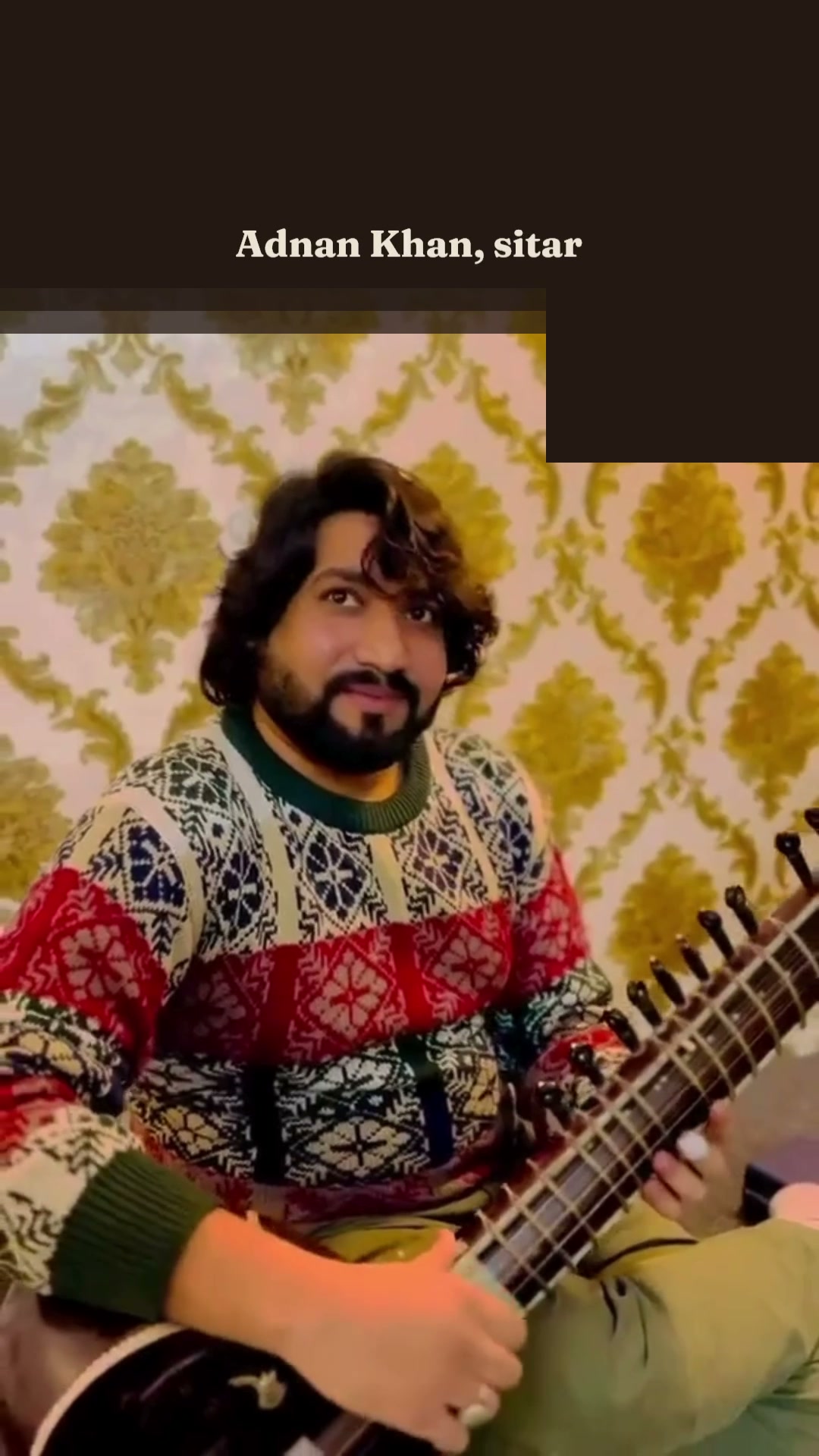
Adnan Khan op sitar
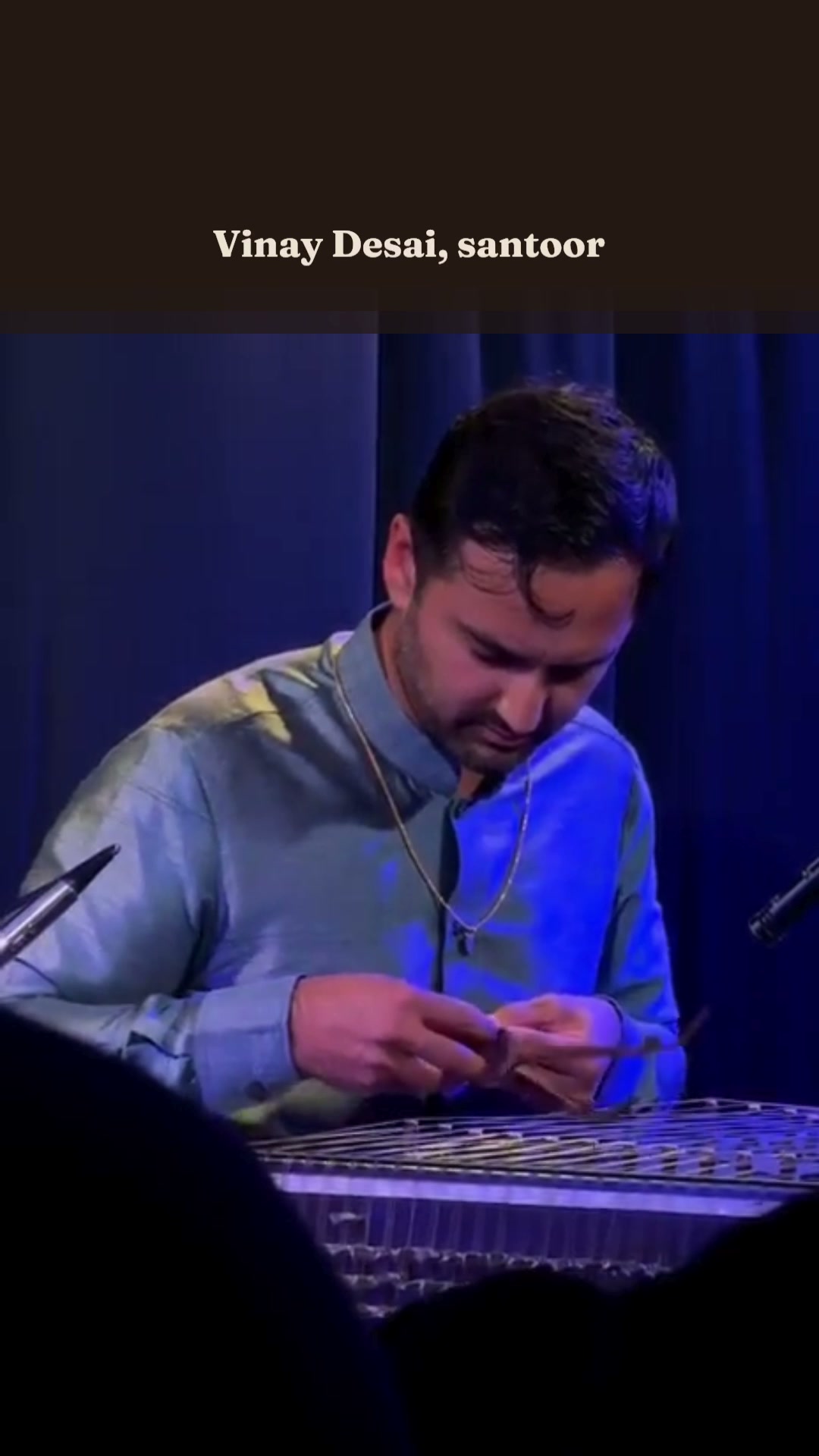
Vinay Desai op santoor
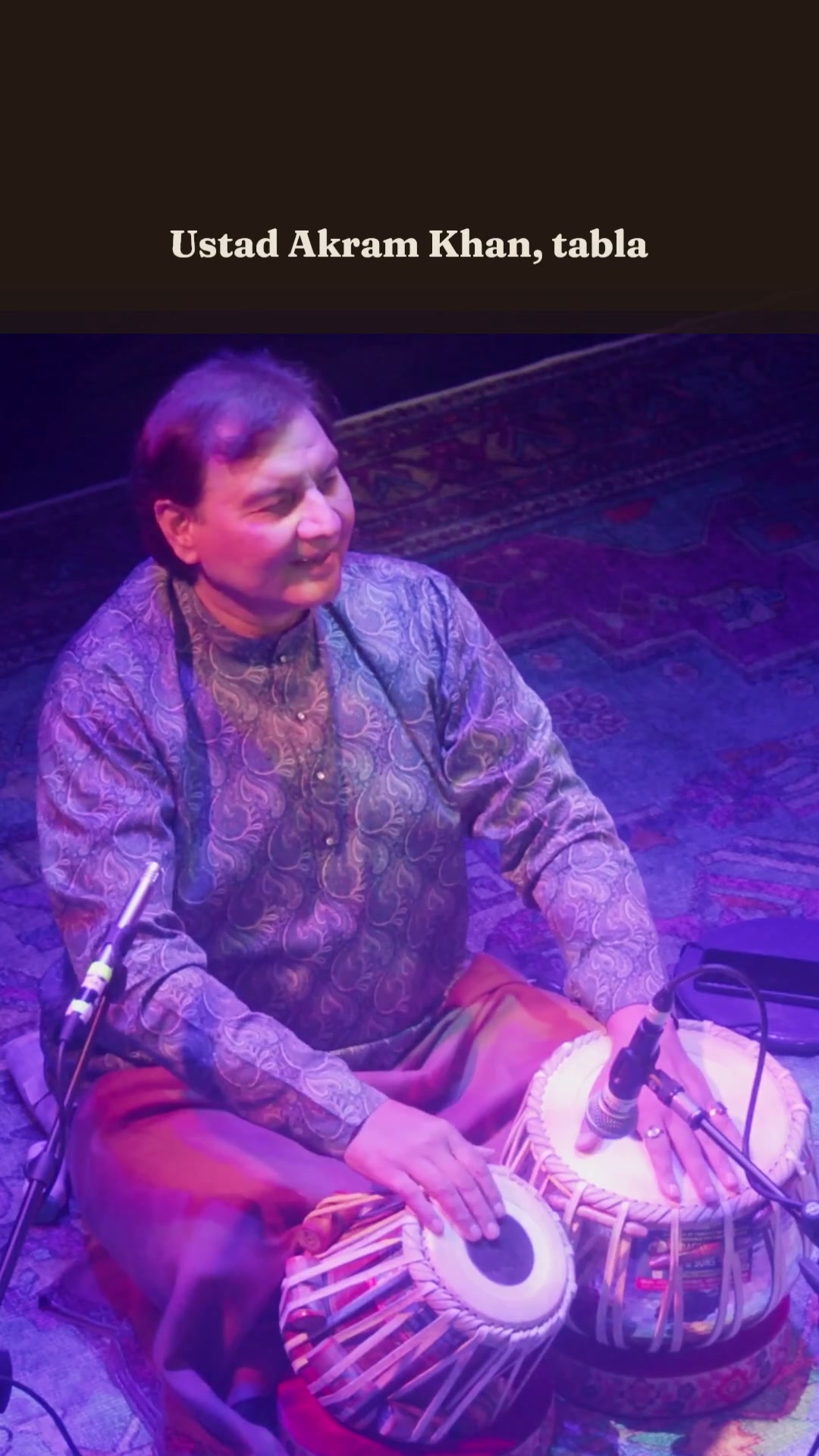
Ustad Akram Khan op tabla
Terug in de Holywell Music Room
-
Oxford Raga Unison: Duet of Winds and Drums
-
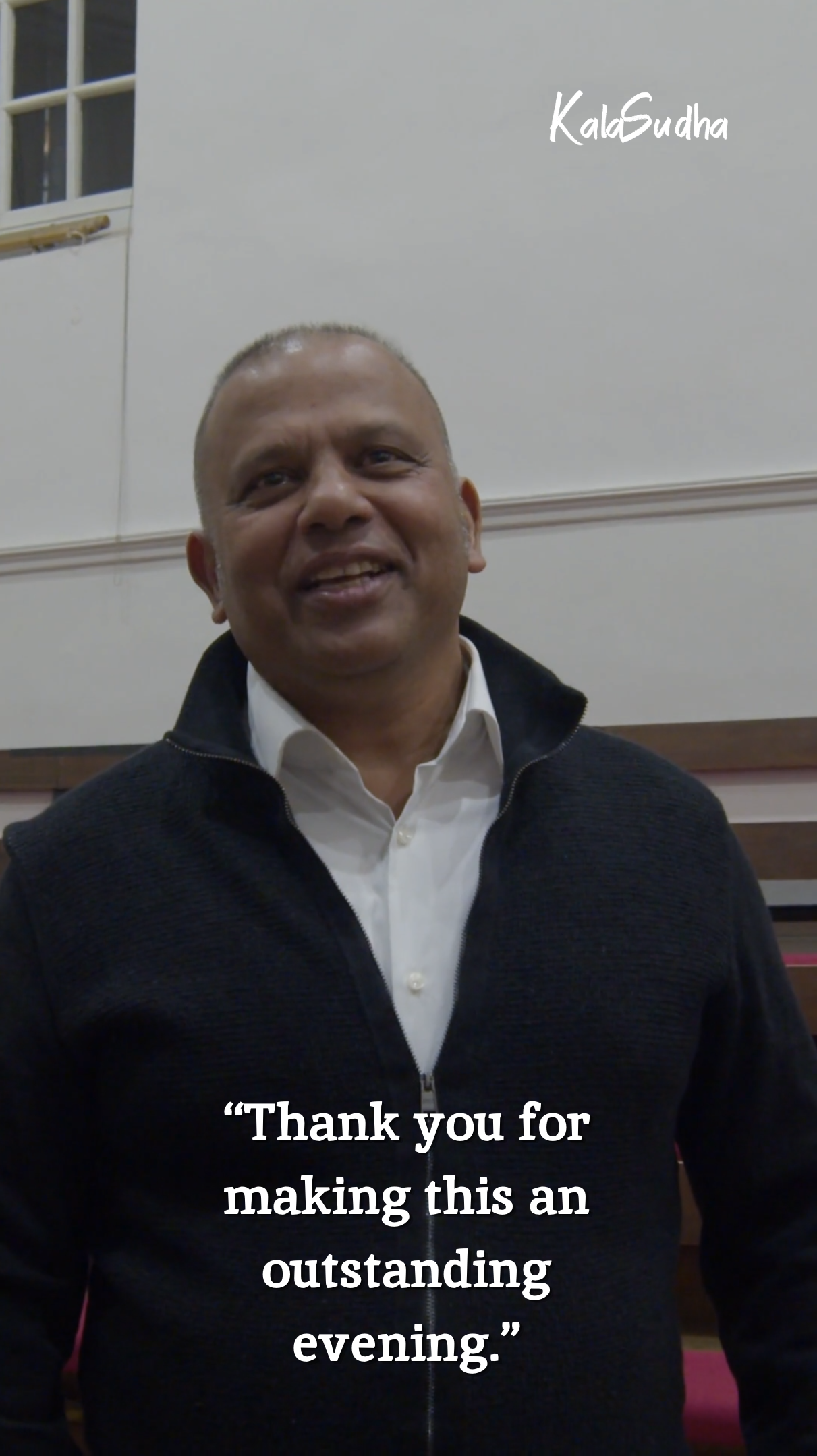
Oxford Raga Unison: Duet of Winds and Drums
-
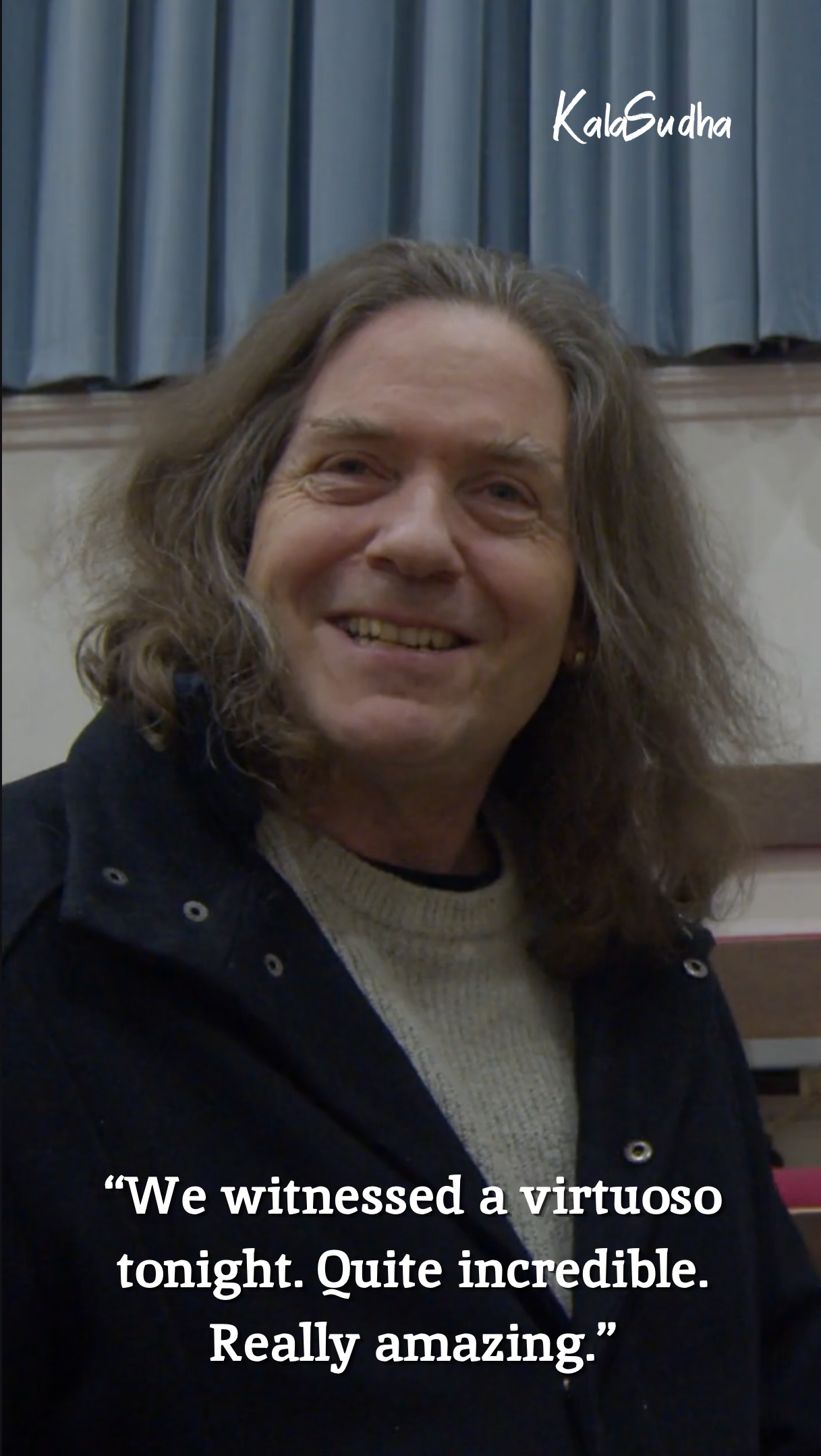
Oxford Raga Unison: Duet of Winds and Drums
-
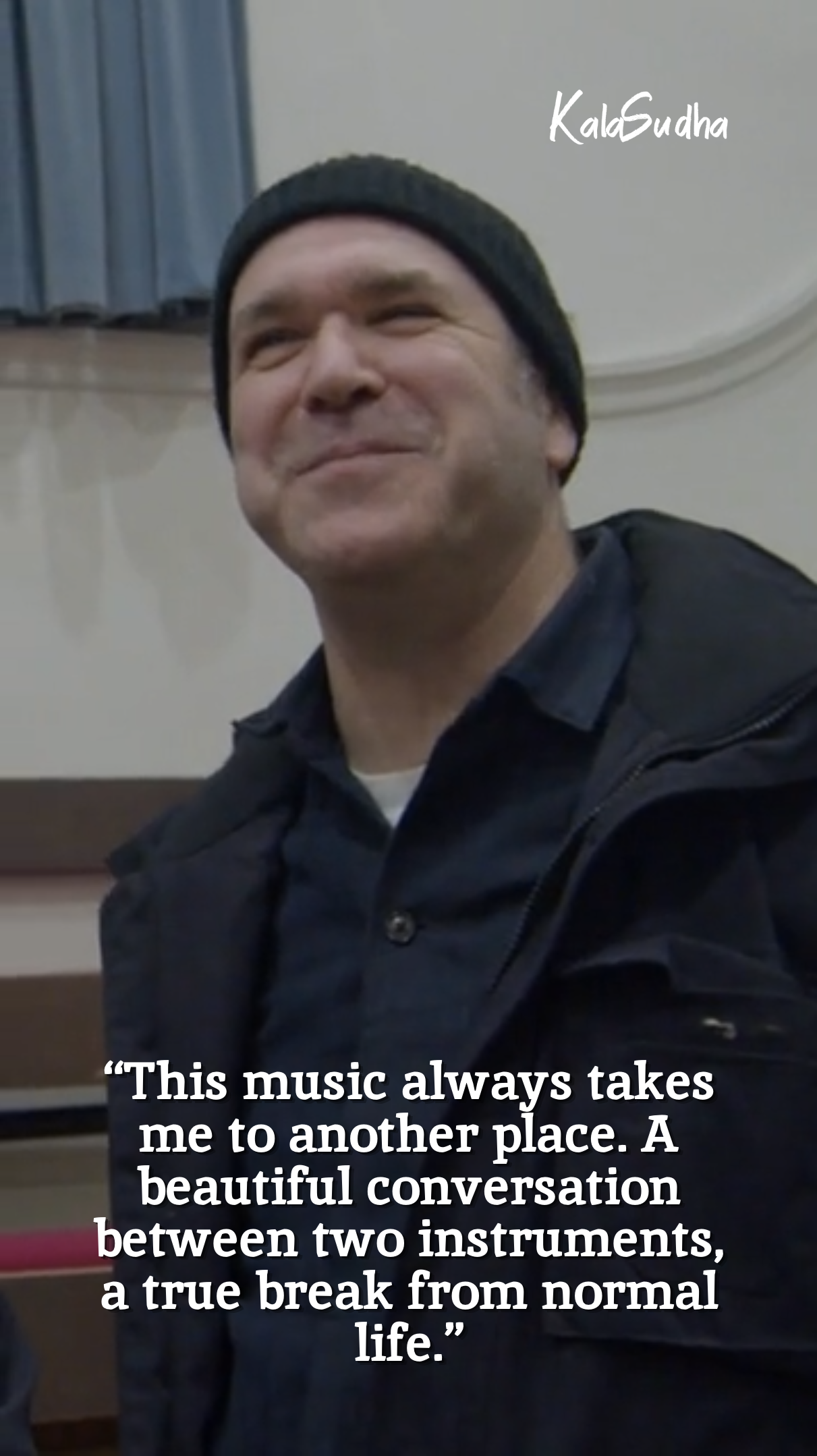
Oxford Raga Unison: Duet of Winds and Drums
-
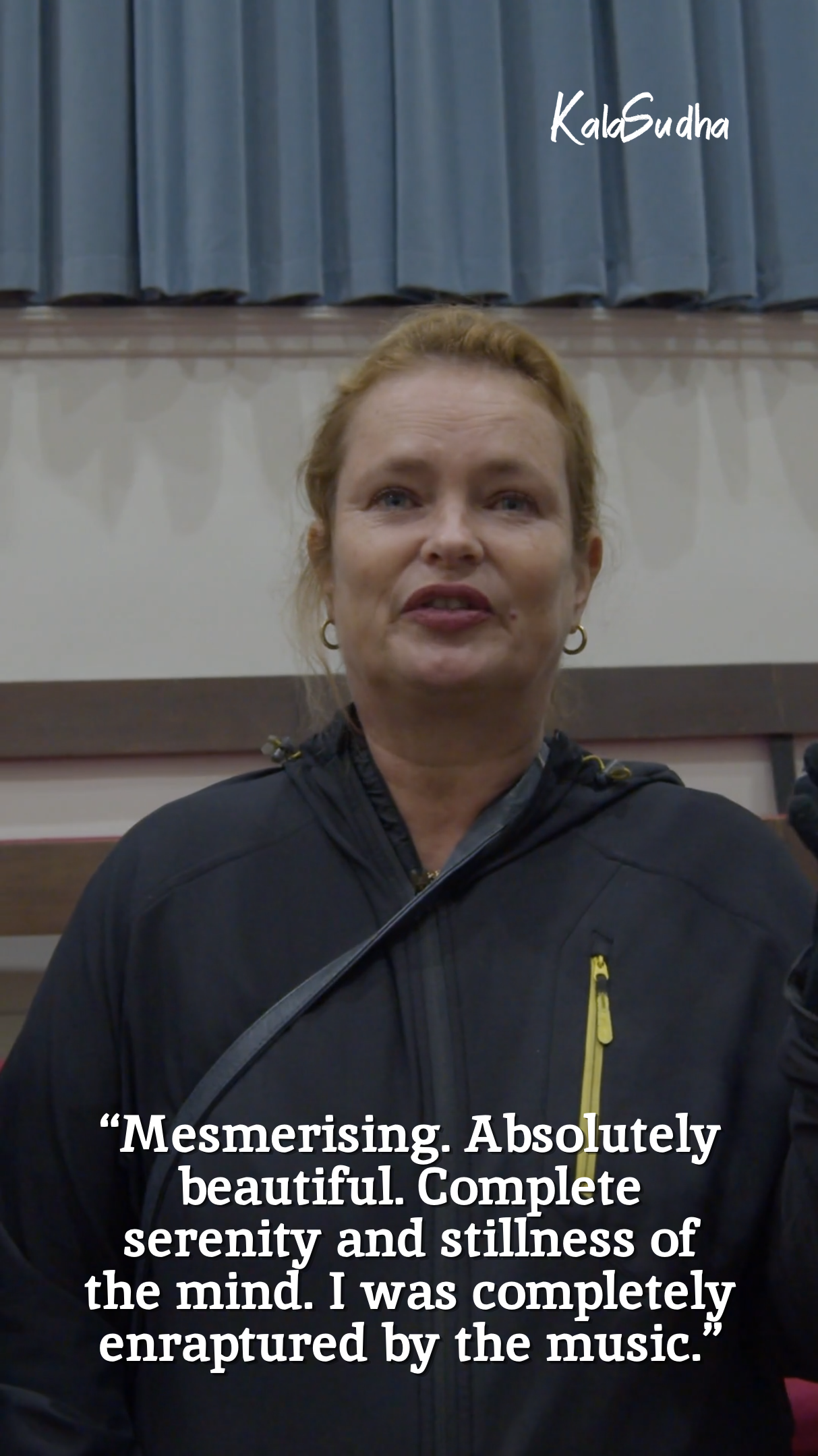
Oxford Raga Unison: Duet of Winds and Drums
Optredende artiesten
-
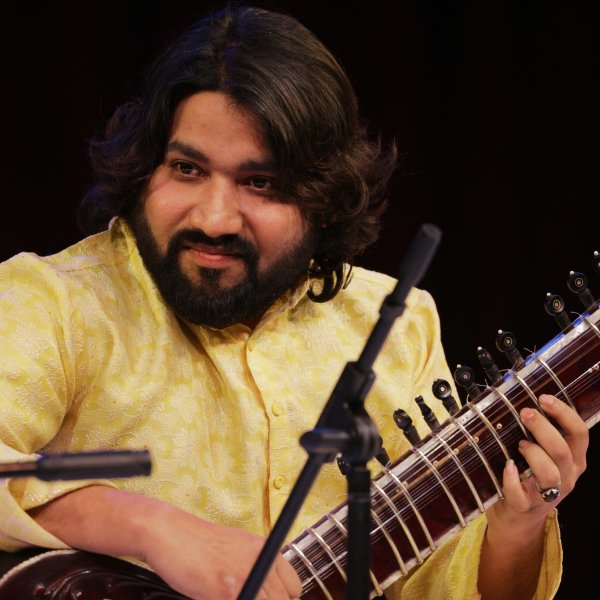 Adnan Khan
-
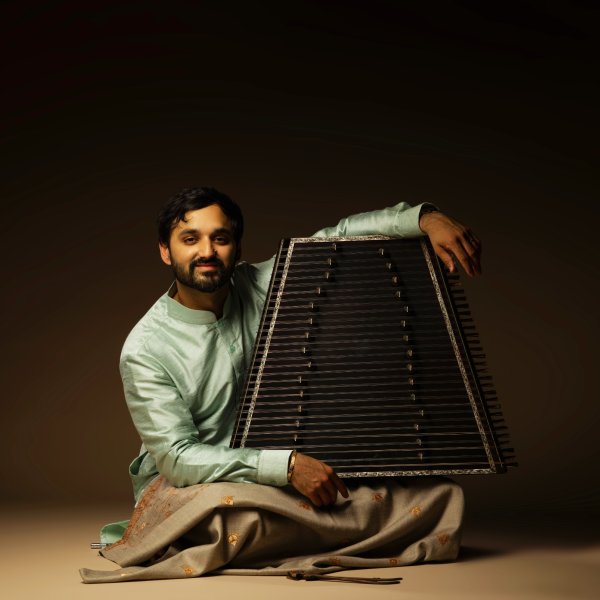 Vinay Desai
-
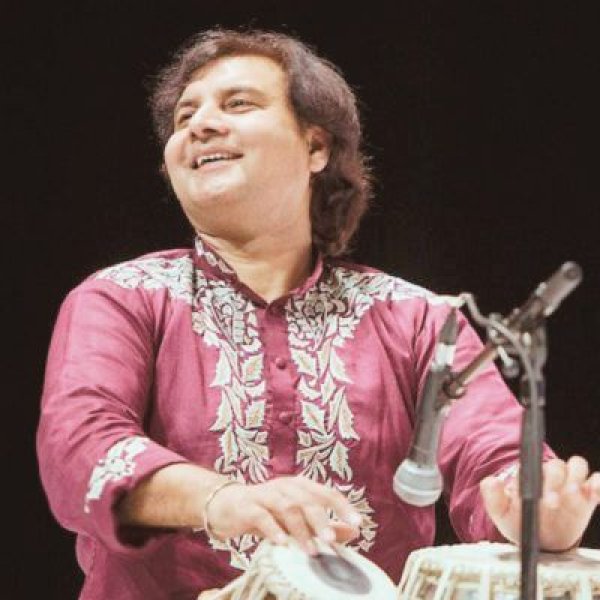 Akram Khan


Evenementdetails
Op 18 november keren we terug naar de Holywell Music Room met A Hundred Strings in Oxford: twee snaren, één polsslag, een jaar nadat Raga Unison er bansuri en tabla samenbracht. Dit keer staan er drie musici op het podium, met twee manieren om een raga op snaren te spelen.
Adnan Khan, een voor een Grammy genomineerde sitarspeler, speelt in de gayaki ang, de stijl die het instrument naar de zingende stem vormt. Hij kreeg zijn eerste lessen van zijn grootvader, wijlen Ustad Zafar Ahmed Khan, en studeert nog altijd bij zijn vader, de sitarspeler Ustad Saeed Khan.
Vinay Desai bespeelt de santoor, het honderdsnarige instrument uit Kasjmir, als directe leerling van Pandit Shivkumar Sharma, drager van de Padma Vibhushan. De sitar wordt getokkeld en glijdt van toon naar toon. De santoor wordt aangeslagen en kan niet glijden, dus beweegt hij in snelle loopjes. Beide instrumenten delen een raga en nemen er elk een eigen route doorheen.
Ustad Akram Khan speelt tabla in beide helften. Hij is de zevende generatie van zijn familie in de Ajrada-gharana, leerde eerst van zijn overgrootvader Ustad Mohammad Shafi Khan en daarna van Ustad Niazu Khan, en onderwijst meer dan vijftien klassieke kayda's van de gharana.
Zaal open om 18.45 uur, aanvang 19.00 uur. Het volledige programma volgt nog.
Venue information
Veelgestelde vragen
What is KalaSudha's A Hundred Strings tour, who plays on it and where does it go?
A Hundred Strings is KalaSudha's tour of sitar, santoor and tabla. The name comes from the santoor, the hundred-stringed instrument of Kashmir.
The tour brings the sitar player Adnan Khan and the santoor player Vinay Desai together with the tabla player Ustad Akram Khan. In Manchester, Ustad Shahbaz Hussain also plays tabla. The sitar is plucked and slides between notes; the santoor is struck and cannot slide, so it moves in runs.
The tour plays Oxford, Manchester, Bournemouth and London.
How do I get to the Holywell Music Room on Holywell Street in Oxford, and who do I ask about parking or step-free access?
To reach the Holywell Music Room, head for Holywell Street in Oxford city centre, postcode OX1 3SB. The room is part of Wadham College, which lists it at https://events.wadham.ox.ac.uk/holywell-music-room. If you need parking or step-free access, write to [email protected] before you book, or read who to talk to about access needs. To book a seat, see how to find and book KalaSudha concerts in Oxford.
Is the Holywell Music Room in Oxford accessible for wheelchair users and people with other access needs, and who should I contact about it?
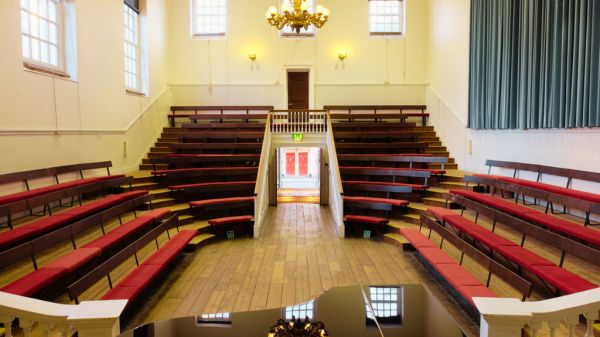
The Holywell Music Room has a ramped main entrance on a loose gravel path, level access to the auditorium and one accessible toilet, according to the Oxford University AccessGuide.
Wheelchair spaces and hearing-loop provision are limited. If you need either, or have other access needs, contact KalaSudha before you book.
Where can I hear live Indian classical music in Oxford, and where are KalaSudha's Oxford concerts listed?
KalaSudha presents Indian classical music in Oxford at the Holywell Music Room on Holywell Street, part of Wadham College. The room dates from 1748, and Wadham calls it "the oldest custom-built concert hall in Europe".
The KalaSudha Oxford page lists each Oxford concert with its Book Tickets button; press Register for updates there to hear about new dates. For directions, see getting to the Holywell Music Room.
KalaSudha has presented Oxford Raga Unison at the Holywell Music Room.
Who is the sitar player Adnan Khan, who taught him, and what is distinctive about his playing?
Adnan Khan is a Grammy-nominated sitar player from Delhi who works in the gayaki ang, the approach that shapes the instrument after the singing voice. He took his first lessons from his maternal grandfather, Zafar Ahmed Khan, and trains with his father, the sitar player Saeed Khan. His uncle, the khayal singer Mashkoor Ali Khan, taught him the gayaki ang at the ITC Sangeet Research Academy in Kolkata. Melody leads in his playing, and a raga's notes keep their shape through his fastest runs.
Between 2009 and 2013 Adnan Khan was a senior A-grade scholar under Mashkoor Ali Khan at the ITC Sangeet Research Academy in Kolkata.
Who is the santoor player Vinay Desai, who taught him, and how does he play?
Vinay Desai plays the santoor, the hundred-stringed instrument of Kashmir, struck with two light curved mallets. He studied with Shivkumar Sharma, who received the Padma Vibhushan, through Sharma's final years. A struck string cannot bend, so his expression comes from where the strokes fall and how they are spaced. His concerts open slow, with no beat at all, until the raga has a shape. Then the tabla comes in, and the close is fast.
How do the sitar and the santoor differ in how they are built, how they are played and how they sound?
The sitar is plucked and slides between notes. The santoor is struck and cannot slide, so it moves in runs and repeated strokes.
The sitar is a long-necked lute with a gourd body, movable curved frets and sympathetic strings beneath the playing strings. The santoor is the hundred-stringed instrument of Kashmir: a flat wooden box strung with metal strings, struck with a pair of light wooden mallets.
On the sitar you hear a phrase held and bent, the way a singer does. On the santoor each note rings on after the hand has moved. See what is a sitar and what is a santoor.
What is the Ajrara (Ajrada) gharana of tabla, where did it begin, and what is it known for?
The Ajrara gharana, also spelt Ajrada, is a school of tabla that arose in the late 18th or early 19th century in the village of Ajrara, in Meerut district. Most accounts trace it to two brothers, Kallu Khan and Miru Khan, who learnt in Delhi, making it an offshoot of the Delhi gharana. Its players add the ring finger to the Delhi technique. It is best known for qaidas, themes with set variations, in aad laya, three strokes to every two beats. Ustad Akram Khan plays in the gharana today.
Hoe ontvang ik mijn ticket?
Uw ticket zit in de bevestigingsmail. Laat het bij de ingang op uw telefoon zien, of neem een geprinte versie mee als u liever papier heeft.
Is de mail niet aangekomen, kijk dan eerst in uw spammap. Vindt u hem daar ook niet, mail dan naar [email protected], dan sturen wij hem opnieuw.
When should I arrive?
Arrive at the door time shown on the KalaSudha event page. Doors open before the music starts, so you can find a seat and settle before the first note. All times are UK local time.
When the programme opens with a raga, the first section is the alap, the slow, free-tempo opening of the raga. Arriving after the start time means walking in during it.
For seating, see Is seating allocated? If this is your first Indian classical concert, read what to expect as a newcomer.
Have more questions? Contact our support team and we'll be happy to help!