

拉加·尤尼森·阿特·南安普敦:温德、德拉姆斯和斯特林斯 | 双场音乐会
- #南安普敦
- #线下
- 十一月 14, 2025
- 星期五
- 7:00 下午
- 2 小时, 30 分钟
- Turner Sims Southampton
- 南安普敦, 英国
获取您的门票

活动摘要
表演艺术家
-
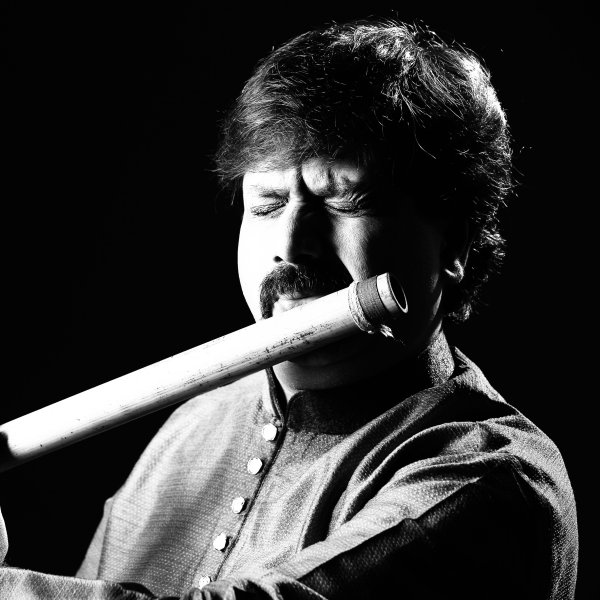 阿贾伊·普拉桑纳
-
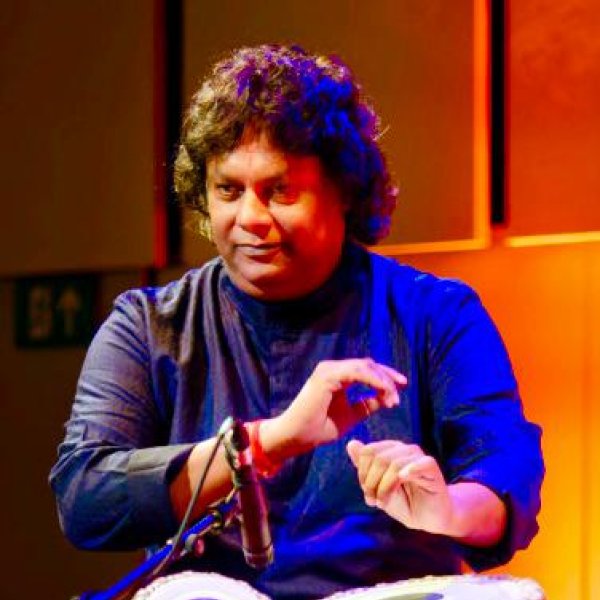 库西克·森
-
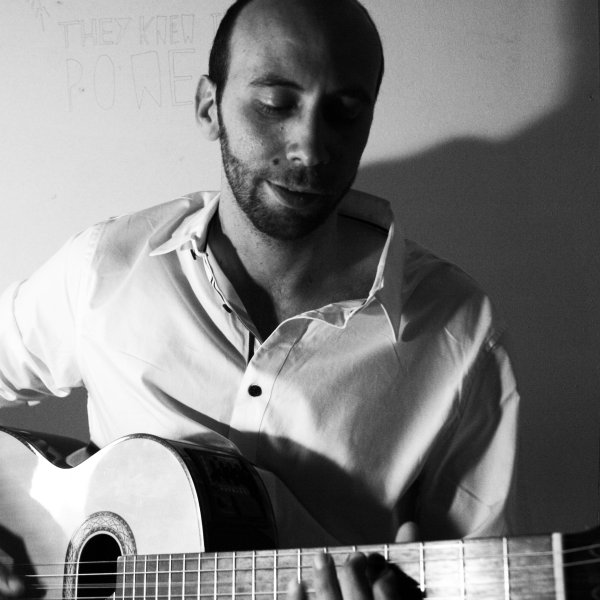 朱利亚诺·莫达雷利
-
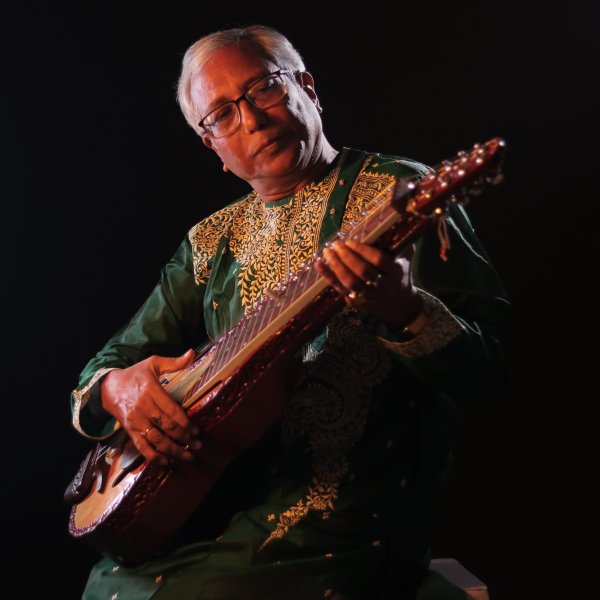 德巴西斯·查克罗博蒂
-
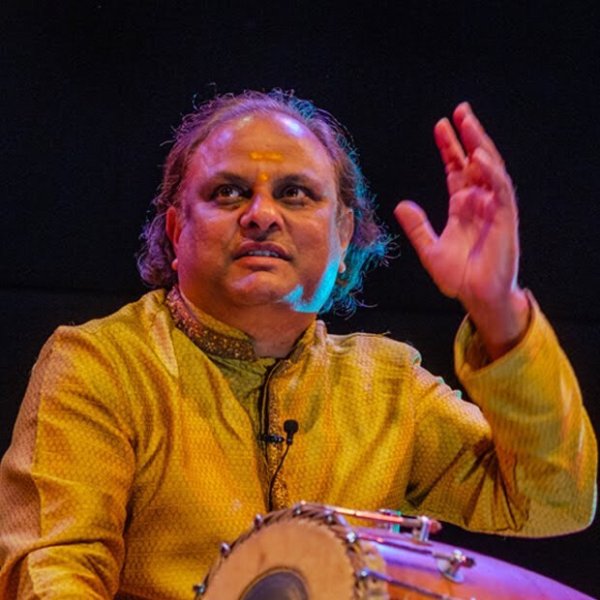 RN Prakash


活动详情
潘迪特·阿贾伊·普拉萨纳是一位享誉国际的长笛演奏家,出身于一个杰出的音乐世家。他继承了父亲潘迪特·博拉纳特·普拉萨纳的艺术遗产,后者是印度有史以来最优秀的长笛演奏家之一,也是潘迪特·哈里·普拉萨德·乔拉西亚的老师。在这场主题独特的音乐会中,潘迪特·阿贾伊·普拉萨纳将与塔布拉大师库西克·森同台演出。库西克出生于加尔各答的一个音乐世家,师从贝拿勒斯流派的大师,并成为同辈中首屈一指的塔布拉演奏家。他以激情澎湃、充满活力的演奏而闻名,曾与世界各地的顶尖音乐家合作演出,为传统音乐会注入了新的活力。
除了这两位传奇人物,我们还将邀请到多才多艺的南印度打击乐手RN Prakash。他的乐器将为今晚带来别样的韵味,让这些古老的音乐传统、技艺和音色在我们标志性的音乐厅Turner Sims交相辉映。
Giuliano Modarelli 是一位英国吉他手、作曲家和制作人。在这个独特的主题中,他将与客座艺术家 Pandit Debasis Chakroborty 同台演出。Giuliano 技艺精湛,曾在各大顶级音乐节演出,并与包括塔布拉鼓演奏家 Bikram Ghosh 在内的众多知名艺术家合作演出。
德巴西斯·查克罗博蒂是伟大的印度滑奏吉他大师布里吉·布尚·卡布拉(Brij Bhushan Kabra)的学生,卡布拉正是印度滑奏吉他的发明者。在精进技艺的过程中,他曾师从多位塞尼亚-迈哈尔流派(Senia-Maihar Gharana)的大师,其中包括巴伦·库马尔·帕尔(Barun Kumar Pal)和乔廷·巴塔查里亚(Jotin Bhattacharya)。他数十年来一直致力于塞尼亚-迈哈尔流派的音乐传统,其演奏风格融合了伽耶基(Gayaki)和坦陀罗卡里·安格斯(Tantrakari Angs)的风格。他们的弦乐与印度鼓乐的伴奏,将带我们进入一个不同的世界。
这是KalaSudha为南安普顿的南亚音乐爱好者们打造的独特主题之夜。这不仅仅是一场音乐会,更是我们社区体验最古老音乐传统形式的机会,由流派的优秀音乐家倾情演绎。带上您的朋友,共度一个难忘的夜晚,为我们丰富的当地文化增添另一个难忘的夜晚。
Creating music is an immensely satisfying business; teaching students enables them to preserve the nuances of classical music for the future.
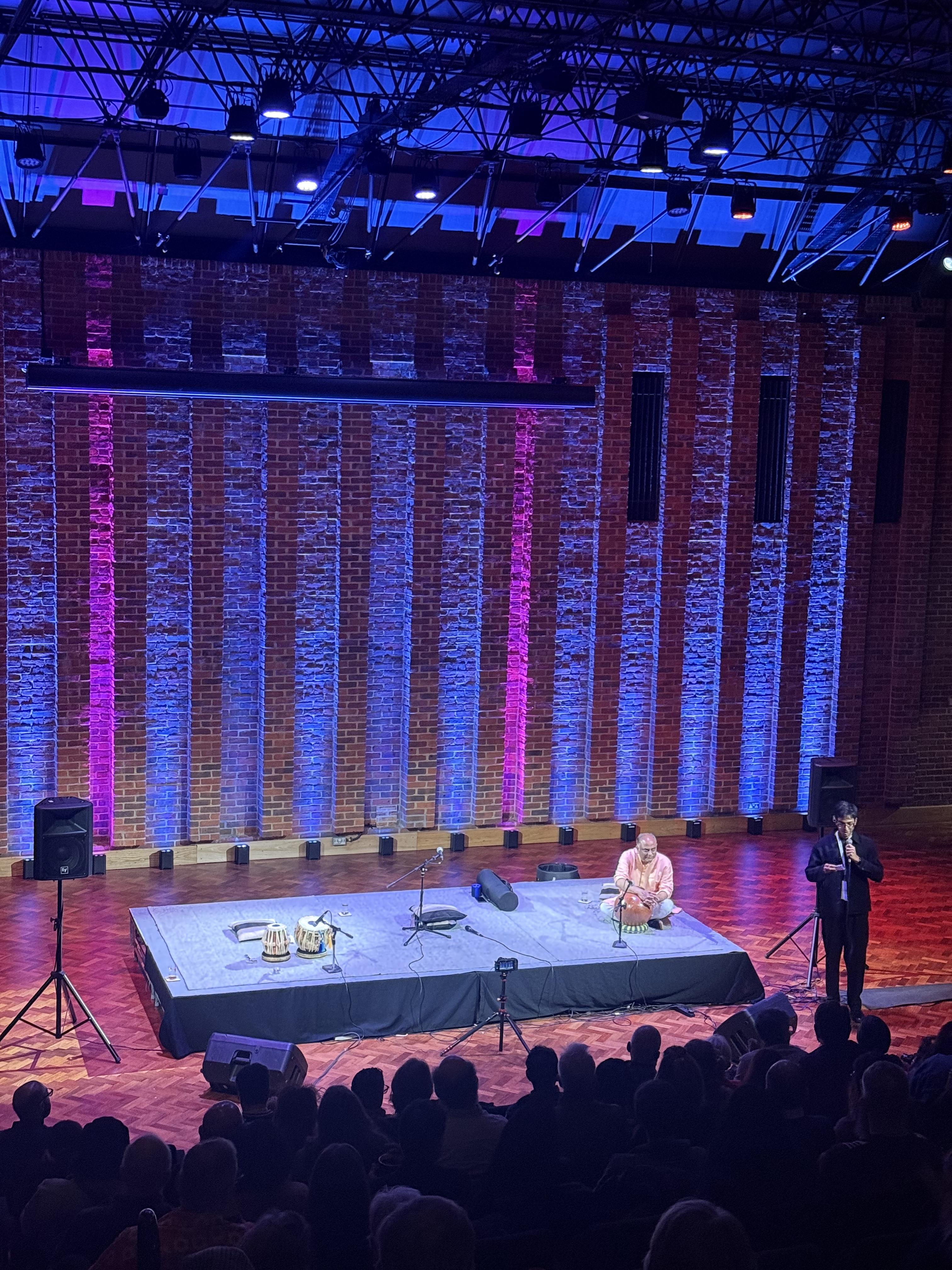
Venue information
Attendee reviews
Ratings describe the event experience.
-
Event Attendee
Event experience 5/5
So being a student here at Southampton, when I first heard of the event I was absolutely so grateful because most of the events are always out of reach in London or various areas but the fact that this was on the campus was absolutely amazing. The Raag that we listened to today and what we witnessed was absolutely out of this world and I'm so grateful to the organisers and it's been an amazing overall experience and we've had a chance to even speak to the Artist so yeah its really Grateful & mindblowing.
-
Event Attendee
Event experience 5/5
We are residents of Southampton and on Facebook we saw that KalaSudha go up for a performance at Turner University. My daughter is also a student here and we just could not ignore this chance to attend it. Can I just say, the overall experience and the atmosphere was absolutely outstanding. Some of the artists that you viewed were absolutely out of this world. I mean, I've seen so many other programs.
-
Event Attendee
Event experience 5/5
For me, it was memory and I went back to my childhood days because I am from India and especially from West Bengal. So I was fond of classical music and dance since my childhood and after so many years, I witnessed such kind of vibrant programs. So I'm really, really proud and I just loved it. I enjoyed it a lot. Thank you so much.
-
Event Attendee
Event experience 5/5
I really enjoyed it. I think the second half was so lively and I think that made it special for me was the expressions of the performers and the joy in which they were actually singing and almost bouncing off each other. So that was really good to see. It wasn't just let's perform and get out of here. They were really, really enjoying it. I think that's what made it special for me.
-
Event Attendee
Event experience 5/5
Well I found that music absolutely joyful, really it was an incredible experience and it seemed to work on another level. My heart rate has gone down and you feel it quite physically. It was a wonderful experience. I've heard music like it before, that's why we came back. Enjoyed it.
-
Event Attendee
Event experience 5/5
Well, I found it on Facebook and it was a pretty cool experience. Amazing musicians, they play with their soul and they give everything to it. I really enjoyed it.
-
Event Attendee
Event experience 5/5
We are so privileged to have this wonderful artist in our city. I really loved it.
-
Event Attendee
Event experience 5/5
Absolutely fantastic. It's the greatest thing in the classical music. Anyone can see. If you get a chance to see it, just see it.
Showing 3 of 8 reviews
常见问题
Where does KalaSudha present live Indian classical music in Southampton, and who has played there?
KalaSudha presents Indian classical music in Southampton and lists each concert on KalaSudha in Southampton. KalaSudha has presented Raga Unison at Southampton: Wind, Drums and Strings, a double-bill concert at Turner Sims Southampton, a concert hall. It brought the flautist Pandit Ajay Prasanna, the tabla player Kousic Sen, the ghatam and South Indian percussion player R. N. Prakash, and the guitarist Giuliano Modarelli.
Who is the flautist Pandit Ajay Prasanna, and what is his musical lineage?
Pandit Ajay Prasanna is a flute player from a musical family. He carries forward the legacy of his father, Bholanath Prasanna, a flute master whose students include Hariprasad Chaurasia. He plays in the style of the Banaras gharana. He has performed across India and abroad, including at Queen Elizabeth Hall in London and at festivals in Asia and Europe. His honours include Grammy nominations, the Global Indian Music Award for his album Cinema, the Sangeet Ratna Award and the Surmani Award.
Ajay Prasanna learned the flute from his father, who was also his guru. He is a top-grade classical artist at All India Radio, plays bansuri on the Gorillaz album The Mountain and is a four-time Grammy nominee. He advises on KalaSudha's bansuri course and teaches it.
Who is the tabla player Kousic Sen, and where did he train?
Kousic Sen is a tabla player, born into a musical family in Calcutta and trained by masters of the Banaras gharana. He plays in classical concerts, accompanies dance and works in cross-cultural collaborations. He is an Artist in Residence with Milapfest in Liverpool and has toured the USA, Canada, Europe and Asia.
What is a bansuri, how is it made, and how is it played?
A bansuri is a transverse flute cut from a single length of seasoned bamboo. It has no keys and no moving parts, only six finger holes, or seven in Pandit Pannalal Ghosh's style. The maker burns or drills the blow hole and the finger holes. The player controls pitch through the lips at the blow hole, breath pressure and half-holing, covering a finger hole in part, which gives the slides and bends of a raga. Until the 1940s it was not thought a concert instrument; Pannalal Ghosh made a larger bansuri for the classical stage.
What is the Benares (Banaras) gharana of tabla, who founded it, and what does it sound like?
The Benares gharana is a school of tabla playing named after Benares (Varanasi), where Ram Sahai founded it in the late 18th or 19th century. Gharana accounts say he studied in Lucknow, so the school descends from the Lucknow tabla gharana. Its sound is powerful and open, built on resonant strokes such as na and din, and its players favour tete played with the full hand. Lineage accounts say Ram Sahai wanted a style that could carry a solo and accompany singing, instrumental music and Kathak. Kousic Sen trained with masters of the gharana.
Have more questions? Contact our support team and we'll be happy to help!