

雷丁拉格共鸣:弓、节拍与呼吸
- 12 九月 2026
- 星期六
- 12:00 下午 – 2:30 下午
- 2 小时, 30 分钟
- The Great Hall, Reading
- 雷丁, GB
门票

活动摘要
活动亮点
三代萨朗吉传承
师从印度两位萨朗吉大师
欧洲最杰出的塔布拉鼓手
一位音乐家,三个 gharana
琴弓与鼓点互换角色
雷丁同日两场音乐会
表演艺术家
-
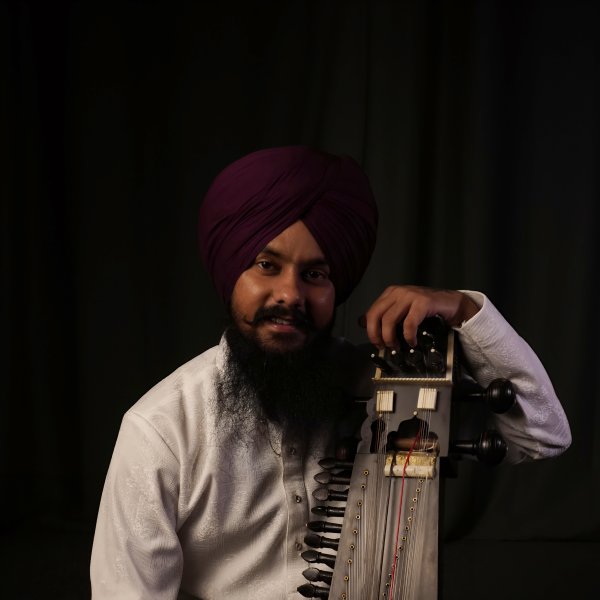 萨特维德尔·帕尔·辛格
 -
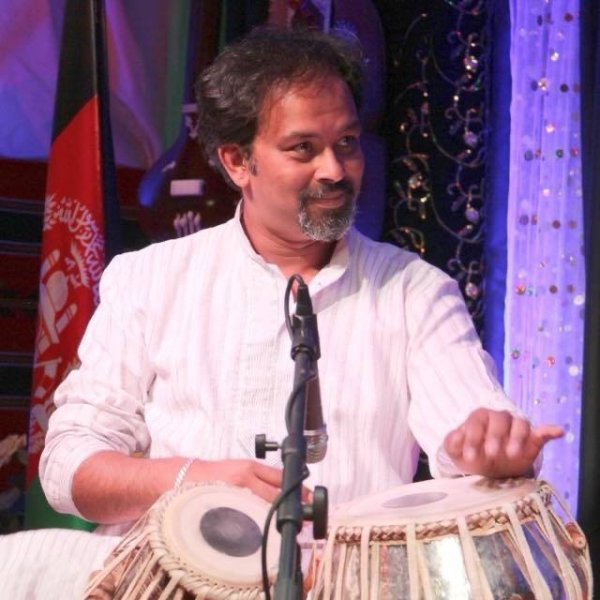 沙赫巴兹·侯赛因


活动详情
雷丁的音乐爱好者们,我们很荣幸在年度艺术节中再次回到 The Great Hall,Reading University,呈现“雷丁拉格共鸣:弓、节拍与呼吸”。2026年9月12日下午 12:00,亲身领略山岐的Sarangi与活力Sarangi与活力洋TableTableSarangiSarangi心魂的Sarangi与激情洋SarangiTableSarangiTableSarangi与Tabla之间美妙的音乐对话。
本场特别活动有两位著名艺术家登台:Sarangi演奏者 萨特维平德·帕尔·辛格和 Tabla演奏者 Ustad 夏巴兹·豎赛因。萨特维平德幼年即开始演奏Sarangi,5岁时首次公开登台。父亲启蒙之后,少年时期师从 Ustad Sabri Khan、Pandit Ram Narayan Ji等大师Guru学艺。Ustad 夏巴兹先师从父亲 Ustad Mumtaz Hussain,后拜师德里 Gharana的 Ustad Faiyaz Khan、旁過普 Gharana的 Ustad Shaukat Hussain Khan及 Ustad Allah Rakha。他领行 Indus融合乐隊,同时为东方山岐师伴奏,形成独特的多元风格。夏巴兹是英格兰北部一位活跃的Tabla教师。
本场演出将呈现我们古老音乐传统中音节与旋律深度交融的独特对话式表演。不同于一般演出模式,我们希望将其打造成真正的音乐交流,弓弓uff08弓)与鼓点平等重要、平等主动。
演出分两节展开。上半场,在Tabla的美妙伴奏下,Sarangi展开如人声般的独奏;下半场角色互换,Tabla如力鼓躺,展现在阿八對幻 Sarangi小提下展开派系鼓乐独奏。这种互半的叙事方式将展现山岐技巧、相互尊重与自发的音乐探索。
这个夜晚超越音乐本身;它是一个驻足思考、内心反思和体验Shabd(山岐第一音)宁静回响的邀请。几个世纪以来,印度山岐音乐传统将音乐视为冥想的形式,是将内心和社区平衡带回的途径。如今,这些永恒的修行指向音乐、心理健康、正念与情感健康的深层关联。这个夜晚带来祉新——通过音乐的普世语言升华、联结和再联结。
如果您居住在雷丁或附近,请务必前来。如有任何特殊需要,请与我们联系。
闸门开放时间为上午11:30,音乐于12:00开始
观众规则:
- 不得未经授权进行采影或拍照。
- 演出期间不得使用手机(包括发短信)。请您的配合与支持,谢谢!
场馆信息

Frequently Asked Questions
What time does it start, and when will it finish?
Doors open at 11:45 AM. The music starts at 12:00 PM and finishes around 2:30 PM, with an interval between the sarangi half and the tabla half.
This is the afternoon half of a double bill. The evening concert at the same venue has its own ticket and its own doors at 5:30 PM.
What do tickets cost?
General admission is £27. Students pay £15 and should bring ID to the door. The £22 early bird closed on 26 August.
If you are staying for the evening concert as well, the £50 Full Day ticket covers both.
What is a tabla solo, and what should I listen for?
For most of an Indian classical concert the tabla keeps time behind a melody instrument. In a solo it moves to the front, and the sarangi takes over the timekeeping instead, playing a short repeating melody called the lehra.
What you are hearing is a cycle of beats, the same length every time, with the player building compositions across it and landing back on beat one. That landing is the sam. Watch the audience: people who know the form nod or raise a hand when it arrives.
You do not need to count to enjoy it. But if you catch the sam once, you will hear the whole structure open up.
There are two Reading concerts on 12 September. What is the difference?
Two separate concerts at The Great Hall, each with its own ticket. Bow, Beat, and Breath runs at midday, a sarangi and tabla pairing that swaps lead and accompanist at the interval. Slide & Strum on The Mystic Frets follows in the evening, with Indian slide guitar, Western guitar and tabla moving from classical raga into fusion.
The timings leave room for both. The afternoon ends around 2:30 PM and evening doors open at 5:30 PM.
Is there a ticket for both Reading concerts?
Yes. The Full Day ticket is £50 and covers both concerts at The Great Hall on 12 September: Bow, Beat, and Breath at 12:00 PM and Slide & Strum on The Mystic Frets at 6:00 PM.
Bought separately, two general admission tickets come to £54. The Full Day ticket stops selling when the afternoon concert starts at 12:00 PM, so book it before the day if you want both.
What do I do between the two Reading concerts?
The afternoon concert ends about 2:30 PM. Doors for the evening open at 5:30 PM, which leaves three hours in between.
The Great Hall is a short walk from Reading town centre, where there are plenty of places to eat. If you are holding a Full Day ticket, keep it with you: you will need it again at the door in the evening.
What is a sarangi?
A short bowed instrument with three gut playing strings and around thirty-five sympathetic strings that ring on their own underneath.
Players stop the strings with the backs of their fingernails rather than the fingertips, which is why the sarangi slides between notes the way a singer does. Of all Indian instruments it sits closest to the human voice.
What is a tabla?
A pair of hand drums. The smaller wooden one sits under the right hand and carries the pitch. The larger metal one under the left hand supplies the bass and bends it, by pressing the heel of the palm into the head while striking.
The black circle on each head is what makes the sound recognisable. It weights the skin so the drum rings at a definite pitch rather than thudding.
How do I get my ticket?
Your confirmation email carries the ticket. Show it on your phone at the door, or bring a printout if you prefer paper.
If the email has not arrived, check your spam folder first. Still missing, write to [email protected] and we will send it again.
When should I arrive?
Come at the door time on the event page rather than at the start time. It gives you room to find a seat and settle.
The concert opens with an alap, the slowest and quietest stretch of the evening. Walking in during it costs you the part that sets up everything after.
Is seating allocated?
No. Seating is unreserved, so pick any free seat when you arrive.
Arriving at doors rather than at the start gets you the closer rows, which is where this music rewards you most.
Is there an interval?
Yes. The concert runs in two halves with a short interval between them.
The first half holds the classical raga set. The second opens out, and on most of our bills it changes either the players or the form.
What should I wear?
Whatever you are comfortable sitting in for a couple of hours.
Our audiences turn up in jeans and in saris on the same night, and neither looks out of place.
I have never been to an Indian classical concert. Will I follow it?
Yes. You do not need to recognise a raga or count a taal to follow what happens on stage.
The music opens at a crawl with no pulse at all, then the tabla enters and the rhythm takes hold. That shape repeats through the evening, and most people read it by the second piece. Sit close and give the opening time.
Can I photograph or film the performance?
No, not during the performance. The musicians improvise, and a raised phone or a lit screen pulls the room out of the music. Put the camera away and stay with the sound.
If you are covering the concert for press, or need to record for another reason, write to [email protected] before the day. Filming without that permission is not allowed.
Can I use my phone during the concert?
Switch it off or set it to silent before the music starts, and leave texting until the interval.
This holds for the whole concert. A single screen lighting up in a quiet hall reaches the stage.
I can no longer attend. Can I have a refund?
Ticket sales are final once confirmed. If something has come up, write to [email protected] at least 7 days before the event and tell us what happened.
We look at each request on its own merits. A refund is not guaranteed, and we cannot consider requests inside the last week.
What happens if the event is cancelled or moved to another date?
You choose between a full refund and a transfer to the new date or an equivalent concert.
Refunds for a cancelled event go back to your original payment method within 7 to 14 business days. You do not need to claim them.
How do I get to The Great Hall, Reading?
The Great Hall sits on the London Road Campus of the University of Reading, RG1 5AQ, just east of the town centre.
Trains from London Paddington reach Reading station in about half an hour. From the station it is a 25 minute walk, or a short taxi ride. Buses run out along London Road from the town centre.
Driving? See where to park.
Where do I park at The Great Hall, Reading?
Use the White Gates Car Park on the London Road Campus, postcode RG1 5AG.
Spaces go first come, first served, and they get tight at busy times. Leave yourself a margin, or come in by public transport.
Is The Great Hall in Reading accessible?
Yes, The Great Hall is accessible.
Wheelchair spaces have to be booked ahead. Write to [email protected] once you have your ticket and we will arrange it with the venue.
I have access needs. Who do I talk to?
Write to [email protected] before you book and tell us what you need.
Wheelchair spaces and seats near the stage need arranging with the venue in advance, so the earlier you write, the more we can do.
Have more questions? Contact our support team and we'll be happy to help!