

“百弦”牛津站:双弦,同一律动
- 18 十一月 2026
- 星期三
- 7:00 下午 – 9:30 下午
- 2 小时, 30 分钟
- Holywell Music Room
- 牛津, GB
门票
- Early Bird
-
£26.25 GBP
Including booking fee - Student
-
£21.00 GBP
Including booking fee - General Admission
-
£31.50 GBP
Including booking fee
Sales start on 周三, 4 十一月 2026 - 00:00

表演艺术家
-
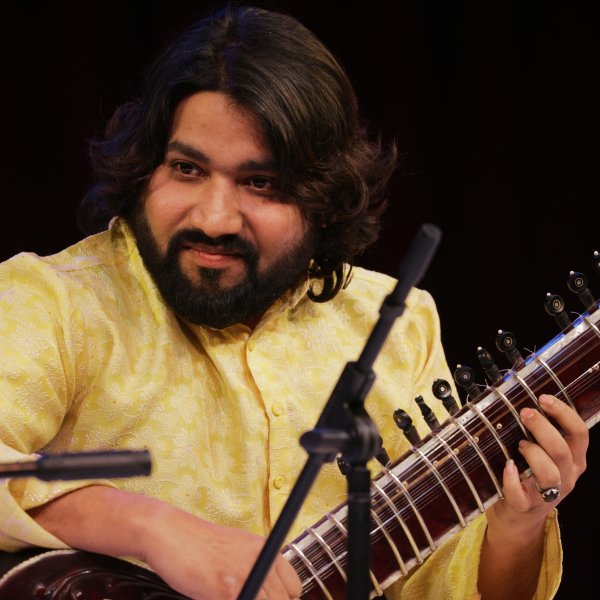 阿德南·汗
阿德南·汗 -
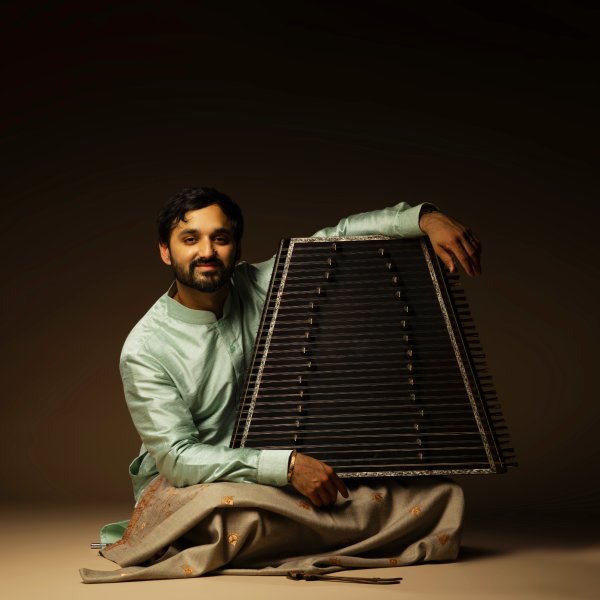 维奈·德赛
维奈·德赛 -
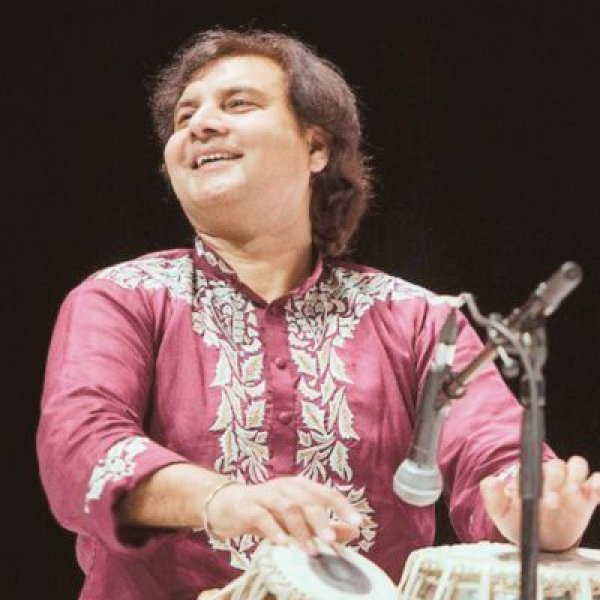 阿克拉姆·汗


活动详情
11月18日,我们重返霍利韦尔音乐室,带来“百弦”牛津站:双弦,同一律动。一年前,“拉格·尤尼森”音乐会曾在同一间音乐厅里让班苏里笛与塔布拉鼓同台。这一次,舞台上有三位音乐家,也有在弦乐器上演奏拉格的两种方式。
阿德南·汗是格莱美奖提名西塔琴演奏家,以“歌唱风格”演奏,即依照人声的歌唱方式来塑造乐器的表达。他最初师从外祖父、已故的乌斯塔德·扎法尔·艾哈迈德·汗,如今随父亲、西塔琴演奏家乌斯塔德·赛义德·汗继续学艺。
维奈·德赛演奏桑图尔琴,这是一种源自克什米尔的百弦乐器;他是莲花赐勋章得主潘迪特·希夫库马尔·夏尔马的亲传弟子。西塔琴靠拨弦发声,音与音之间可以滑行。桑图尔琴靠击弦发声,无法滑音,因此以快速的音群推进。两件乐器共用同一个拉格,却沿着不同的路径穿行其中。
乌斯塔德·阿克拉姆·汗在上下半场担任塔布拉鼓演奏。他是家族在阿杰拉达流派中的第七代传人,先后师从曾祖父乌斯塔德·穆罕默德·沙菲·汗和乌斯塔德·尼亚祖·汗,如今传授该流派十五首以上的经典卡伊达。
晚上6:45开门,7点开始演出。完整节目单稍后公布。
场馆信息

Frequently Asked Questions
How do I get my ticket?
Your confirmation email carries the ticket. Show it on your phone at the door, or bring a printout if you prefer paper.
If the email has not arrived, check your spam folder first. Still missing, write to [email protected] and we will send it again.
I can no longer attend. Can I have a refund?
Ticket sales are final once confirmed. If something has come up, write to [email protected] at least 7 days before the event and tell us what happened.
We look at each request on its own merits. A refund is not guaranteed, and we cannot consider requests inside the last week.
What happens if the event is cancelled or moved to another date?
You choose between a full refund and a transfer to the new date or an equivalent concert.
Refunds for a cancelled event go back to your original payment method within 7 to 14 business days. You do not need to claim them.
When should I arrive?
Come at the door time on the event page rather than at the start time. It gives you room to find a seat and settle.
The concert opens with an alap, the slowest and quietest stretch of the evening. Walking in during it costs you the part that sets up everything after.
Is there an interval?
Yes. The concert runs in two halves with a short interval between them.
The first half holds the classical raga set. The second opens out, and on most of our bills it changes either the players or the form.
What should I wear?
Whatever you are comfortable sitting in for a couple of hours.
Our audiences turn up in jeans and in saris on the same night, and neither looks out of place.
Is seating allocated?
No. Seating is unreserved, so pick any free seat when you arrive.
Arriving at doors rather than at the start gets you the closer rows, which is where this music rewards you most.
Can I photograph or film the performance?
No, not during the performance. The musicians improvise, and a raised phone or a lit screen pulls the room out of the music. Put the camera away and stay with the sound.
If you are covering the concert for press, or need to record for another reason, write to [email protected] before the day. Filming without that permission is not allowed.
Can I use my phone during the concert?
Switch it off or set it to silent before the music starts, and leave texting until the interval.
This holds for the whole concert. A single screen lighting up in a quiet hall reaches the stage.
I have access needs. Who do I talk to?
Write to [email protected] before you book and tell us what you need.
Wheelchair spaces and seats near the stage need arranging with the venue in advance, so the earlier you write, the more we can do.
I have never been to an Indian classical concert. Will I follow it?
Yes. You do not need to recognise a raga or count a taal to follow what happens on stage.
The music opens at a crawl with no pulse at all, then the tabla enters and the rhythm takes hold. That shape repeats through the evening, and most people read it by the second piece. Sit close and give the opening time.
What is a sitar?
A long-necked lute with a gourd body, movable curved frets, and a set of sympathetic strings running beneath the playing strings.
The curved frets let a player pull a string sideways and bend one note into another several steps away. That bend, the meend, is where most of the expression lives, and the sympathetic strings keep ringing behind it.
What is a tabla?
A pair of hand drums. The smaller wooden one sits under the right hand and carries the pitch. The larger metal one under the left hand supplies the bass and bends it, by pressing the heel of the palm into the head while striking.
The black circle on each head is what makes the sound recognisable. It weights the skin so the drum rings at a definite pitch rather than thudding.
Have more questions? Contact our support team and we'll be happy to help!