

Cambridge Ragas: Resonance of Sitar, Slide Guitar, and Tabla
- #Cambridge
- #In-Person
- SEP 20, 2026
- Sunday
- 6:30 PM
- 2 hours, 30 minutes
- Cambridge Junction
- Cambridge, United Kingdom
Get Your Tickets

Event Summary
Performing Artists
To play the tabla is to breathe life into an ancient conversation. Through my music and teaching, I strive to create a space where the vibrant traditions of India and the creative spirit of Australia can meet and create something entirely new.
Event Highlights
Pandit Debasis Chakroborty returns to Cambridge for a third year
Seven generations of tabla tradition
Two tabla masters, one evening
The Brij Veena on the Cambridge stage
The sitar opens the evening
Cambridge Junction hosts Indian classical for the third year
Performing Artists
-
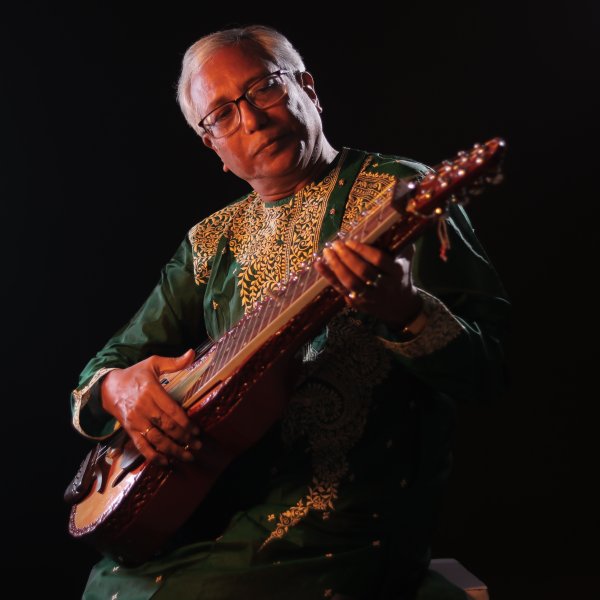 Debasis Chakroborty
-
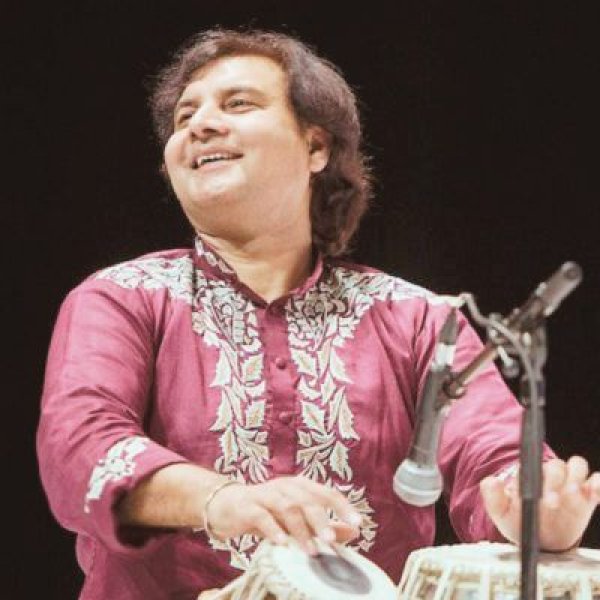 Akram Khan
-
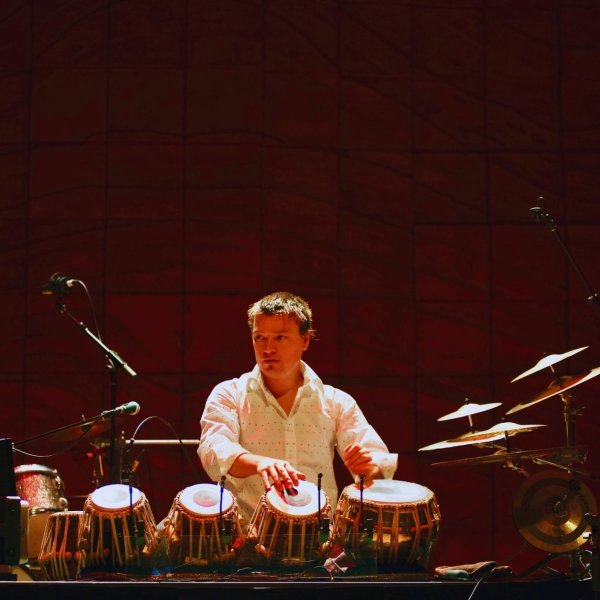 Sam Evans


Event Details
Dear music lovers from Cambridge, join us on 20th September at Cambridge Junction, Clifton Way. Experience an extraordinary evening of musical transcendence as we bring the soulful heritage of Indian Classical music to the historic heart of Cambridge. This specially curated concert by KalaSudha, part of the Kala Festival 2026, presents two generations of brilliance. Enjoy the depth, emotion, and intricate rhythms of North Indian Ragas through the interplay of strings and percussion.
The evening commences with a Sitar recital by the internationally acclaimed maestro, Ustad Mehboob Nadeem. Known for his brilliant sitar technique and deeply moving performances, Ustad Mehboob Nadeem will weave intricate melodic patterns and bring ancient Ragas to life. He will be accompanied on the Tabla by Dr Samuel Evans, visiting from Australia. Dr Evans’s rhythmic precision and artistic sensitivity promise a captivating dialogue between the strings and the drums.
After a brief interlude, the second session introduces another aspect of Indian classical music. Pt. Debasis Chakraborty will take the stage with the Indian Slide Guitar and Brij Veena, known for their fluid, vocal-like sustain and distinctive tone. This is his third consecutive visit to Cambridge. Joining him is Ustad Akram Khan on Tabla, a maestro of the Ajrada Gharana, whose rhythm and energy will add an impressive finale to the evening.
This evening is more than music. It is a time to pause, reflect, and experience the resonance of sound (Shabd). For centuries, Indian classical traditions have regarded music as both a form of meditation and a means of restoring balance within ourselves and our communities. When we gather for intimate concerts or take part in musical experiences with ancient sound, we find a new world. Today, these practices remind us of the connection between music, mental health, and mindfulness. This evening offers renewal and a chance to feel uplifted and restored through music.
If you are in Cambridge or around, do join. For any special needs, contact us.
Doors open at 6 PM, with music starting at 6:30 PM
Audience Policy:
- Unauthorised filming or photography is not permitted.
- The use of mobile phones (including texting) is not allowed during the event. We kindly ask for your cooperation. Thank you!
Venue information
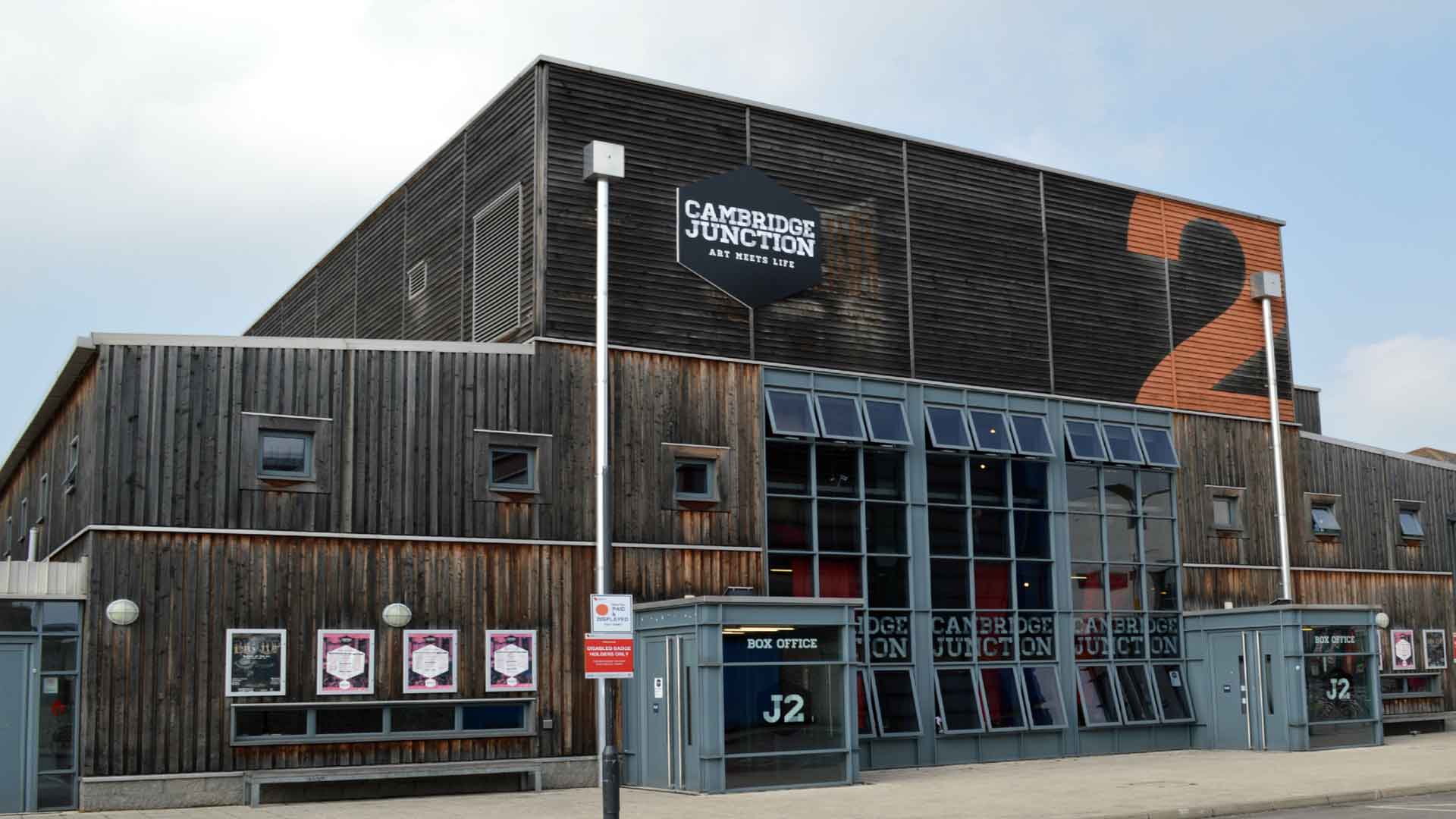
Frequently Asked Questions
Where is Cambridge Junction?
Cambridge Junction is a venue on Clifton Way, Cambridge CB1 7GX. The venue says it is less than 10 minutes' walk from Cambridge Railway Station.
The venue publishes its own travel and access detail on its Maps and Directions page at junction.co.uk/your-visit/maps-and-directions.
For KalaSudha concerts in the city, see Indian classical music in Cambridge.
Where can I hear live Indian classical music in Cambridge, England, which venues has KalaSudha used for its Cambridge concerts, and where are new Cambridge dates listed?
KalaSudha presents live Indian classical music in Cambridge, England, and lists each concert on its Cambridge page with a link to book. To hear when the next Cambridge date is set, read how to hear about new Cambridge concerts.
KalaSudha has presented concerts at West Road Concert Hall, Lee Seng Tee Hall at Wolfson College and Cambridge Junction. For the artists, see which artists have played Cambridge.
Who is the Indian slide guitarist Pandit Debasis Chakroborty, and where does he work and perform?
Pandit Debasis Chakroborty plays Indian slide guitar in Hindustani classical music and has over 25 years of professional experience. He plays in the Senia-Maihar gharana. He has been part of the Department of Performing Arts at Mangalayatan University since its inception. He is also a regular visitor, conductor-performer and Artist-in-Residence at universities in Australia and the USA. He helped carry out a joint music research project between Mangalayatan University and Monash University, and has published 10 research papers.
Who is the tabla player Ustad Akram Khan, and what is his lineage?
Ustad Akram Khan is a tabla player and the seventh generation of his family in the Ajrara gharana. His father was Hashmat Ali Khan. As a boy he trained first with his great-grandfather, Mohammad Shafi Khan, and later with Niazu Khan. For over four decades he has kept the gharana's repertoire alive, and he preserves more than 15 of its classic qaidas through his teaching and concerts. He made his international debut in Norway in 1987 and has played on All India Radio more than 800 times.
What is an Indian slide guitar, how is it played, and where can I learn it?
The Indian slide guitar is a guitar laid flat across the lap and stopped with a steel bar instead of fingers on frets. It is an instrument of Hindustani classical music, the classical music of North India. Sympathetic strings ring underneath the melody unstruck, and the player plucks extra drone (chikari) strings.
The bar never leaves the string, so one note travels into the next without a break. For its history and players, see the Indian slide guitar page. You can learn it with KalaSudha in the online academy.
What is the Ajrara (Ajrada) gharana of tabla, where did it begin, and what is it known for?
The Ajrara gharana, also spelt Ajrada, is a school of tabla that arose in the late 18th or early 19th century in the village of Ajrara, in Meerut district. Most accounts trace it to two brothers, Kallu Khan and Miru Khan, who learnt in Delhi, making it an offshoot of the Delhi gharana. Its players add the ring finger to the Delhi technique. It is best known for qaidas, themes with set variations, in aad laya, three strokes to every two beats. Ustad Akram Khan plays in the gharana today.
Have more questions? Contact our support team and we'll be happy to help!